
Les Baux-de-Provence — History & Facts
No one knows exactly when or why Hermann Lismann first turned his eye to Les Baux-de-Provence, but the village’s dramatic limestone outcrop has lured artists for centuries, from Vincent van Gogh to Yves Brayer. What sets this work apart is the air of mystery that surrounds it: both its date and medium remain undocumented, leaving viewers to puzzle over its origins and technique. This uncertainty has only added to the painting’s allure, as scholars and collectors alike debate whether it belongs to Lismann’s early or later period, and whether it was painted en plein air or in the studio. The painting captures Les Baux’s ancient ramparts at a moment when late afternoon light carves deep shadows across the rocky landscape.
Lismann chooses a vantage point that emphasizes the fortress’s precarious perch above the valley, with ochre cliffs tumbling into a patchwork of olive groves below. The brushwork is loose, suggesting movement in the wind-stirred trees, while the sky—rendered in broad, pale strokes—presses down on the stone ruins. Unlike the swirling, almost feverish approach of van Gogh’s nearby Saint-Rémy scenes, Lismann’s composition is steadier, more contemplative, inviting the viewer to linger on the interplay of history and nature.
The absence of figures hints at the passage of time and the endurance of the landscape itself. Little is recorded about the journey of Les Baux-de-Provence as an object. Without a documented patron or exhibition history, the painting stands as a quiet testament to Hermann Lismann’s fascination with the Provençal landscape, a subject he returned to throughout his career. Today, it is preserved in a private collection, its details and provenance still the subject of ongoing research.
The work occupies a special place in Lismann’s oeuvre, bridging the traditions of late 19th-century landscape painting with the emerging sensibilities of the early 20th century.
More Artworks by Hermann Lismann

Reclined woman
Hermann Lismann
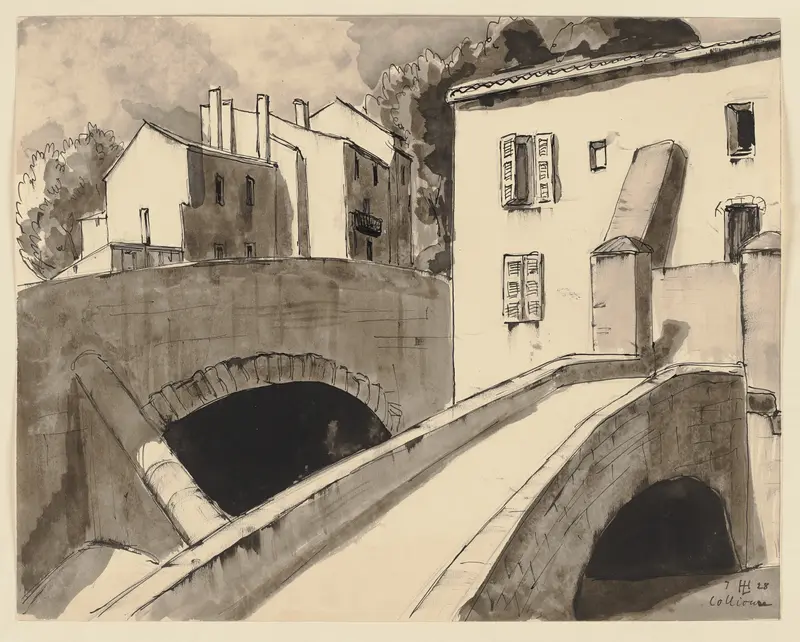
Collioure
Hermann Lismann
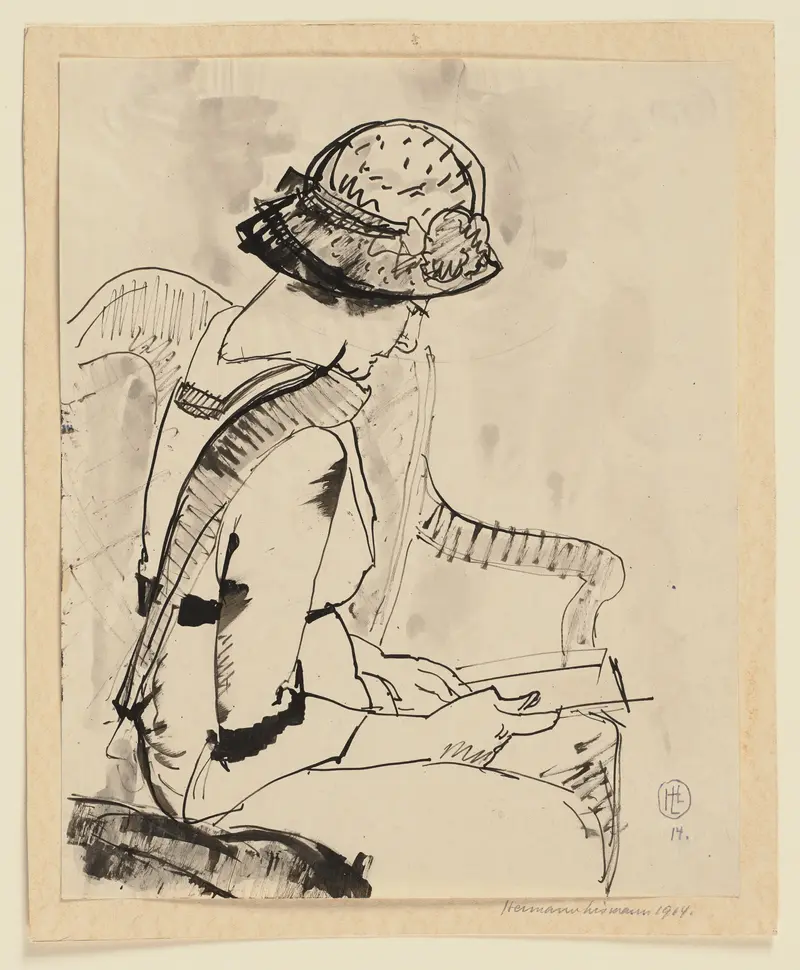
Lesende Frau im Profil nach rechts
Hermann Lismann
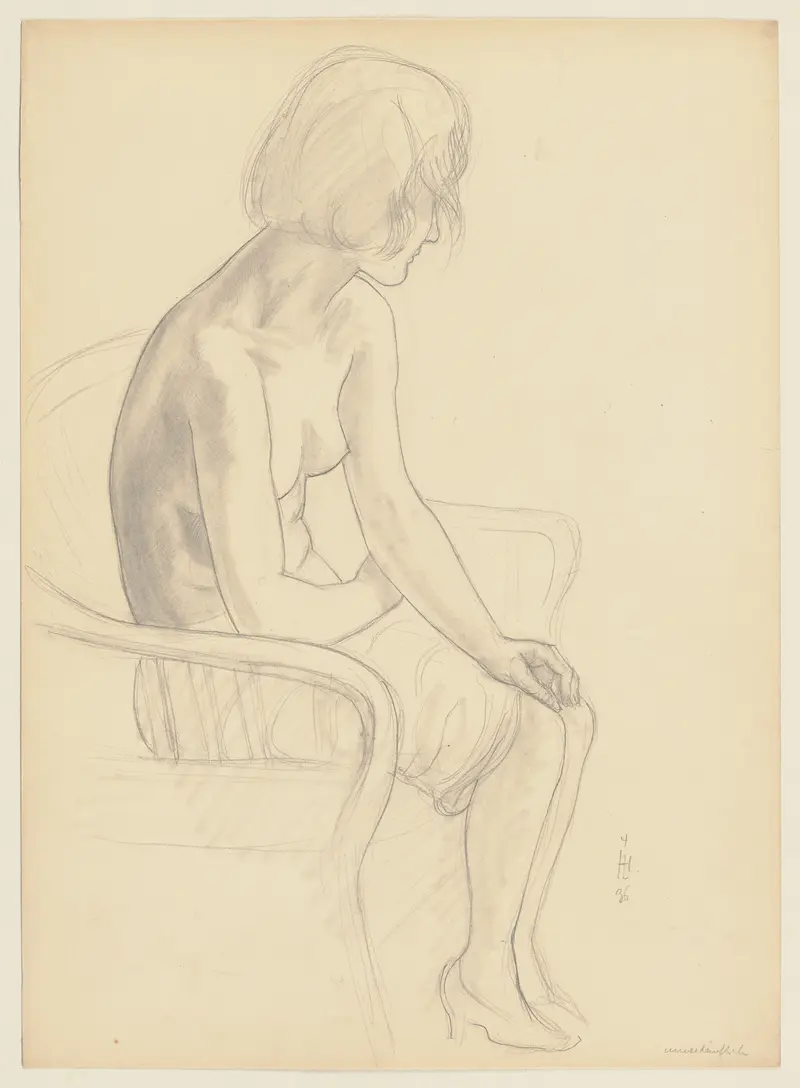
Sitzender Frauenakt auf einem Stuhl
Hermann Lismann
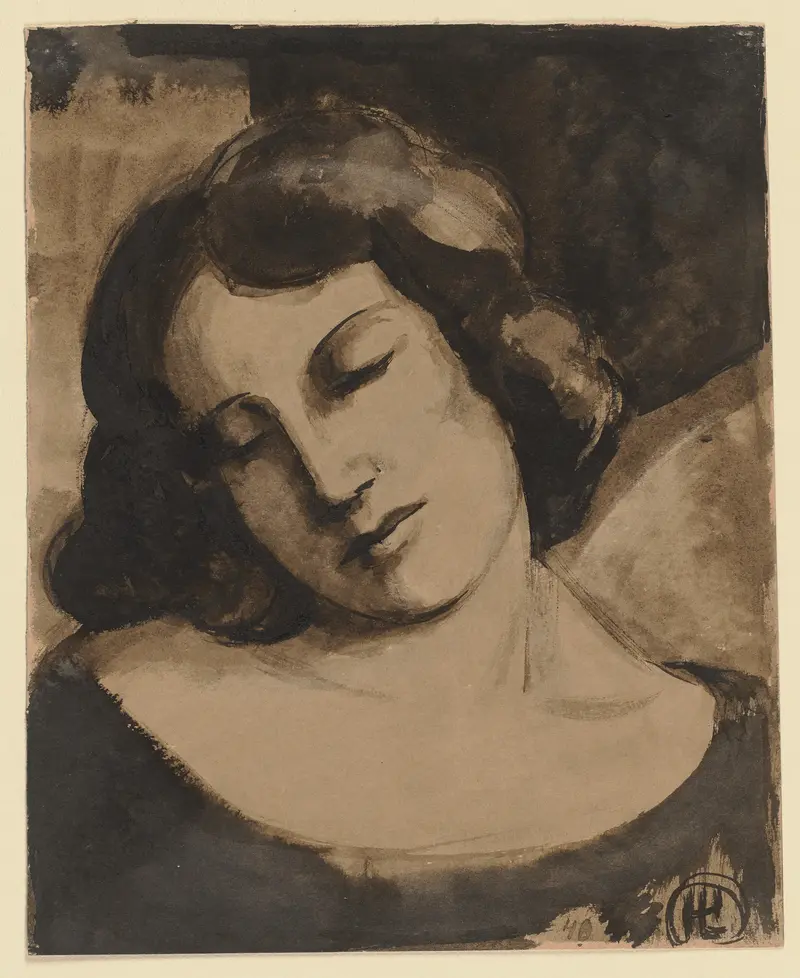
Frauenkopf mit geschlossenen Augen
Hermann Lismann
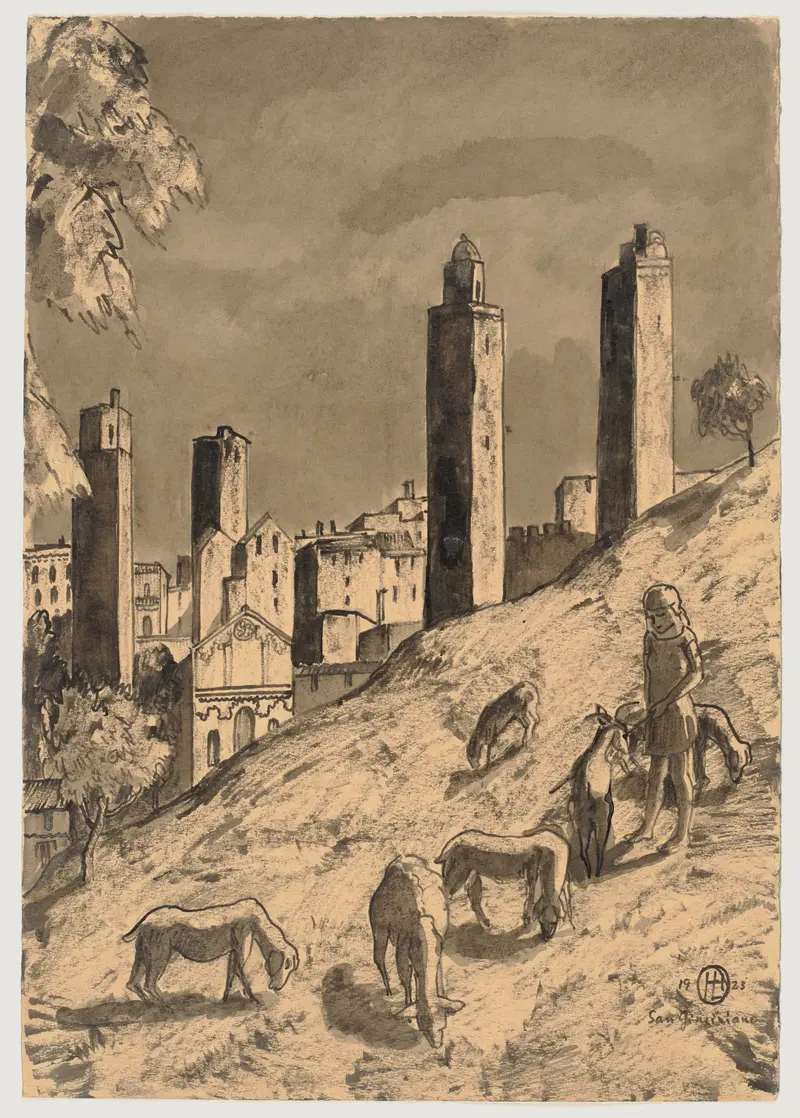
San Gimignano
Hermann Lismann
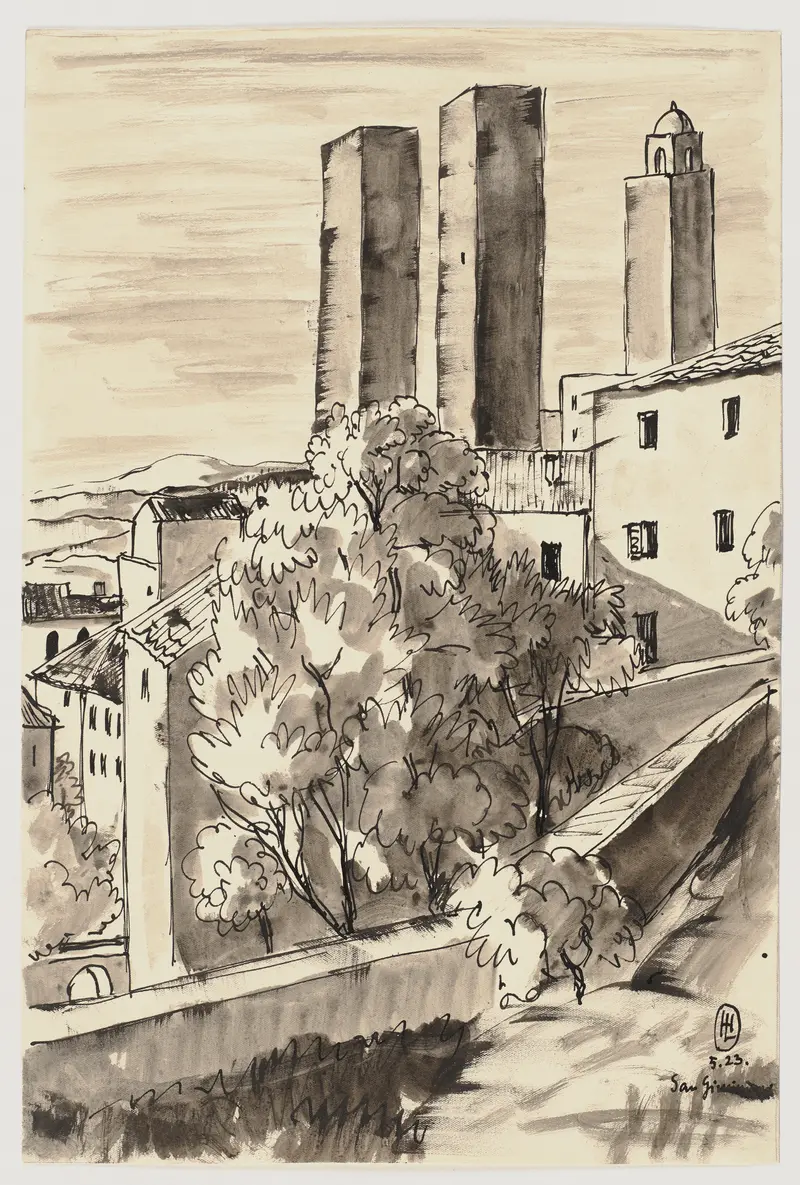
San Gimignano
Hermann Lismann
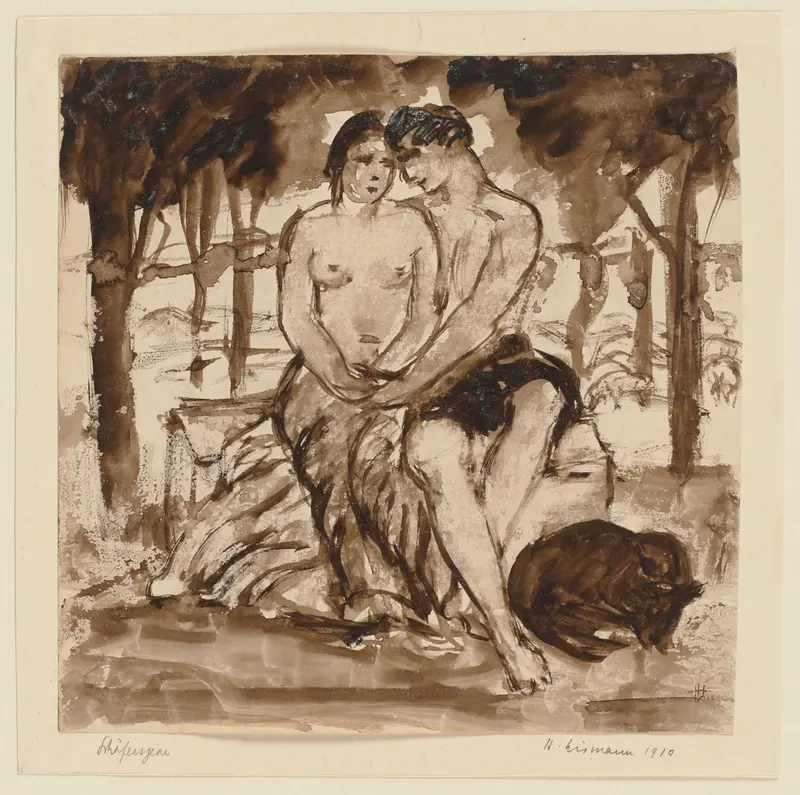
Schäferszene; Paar mit nacktem Oberkörper unter Bäumen sitzend, neben ihnen ein Hund
Hermann Lismann
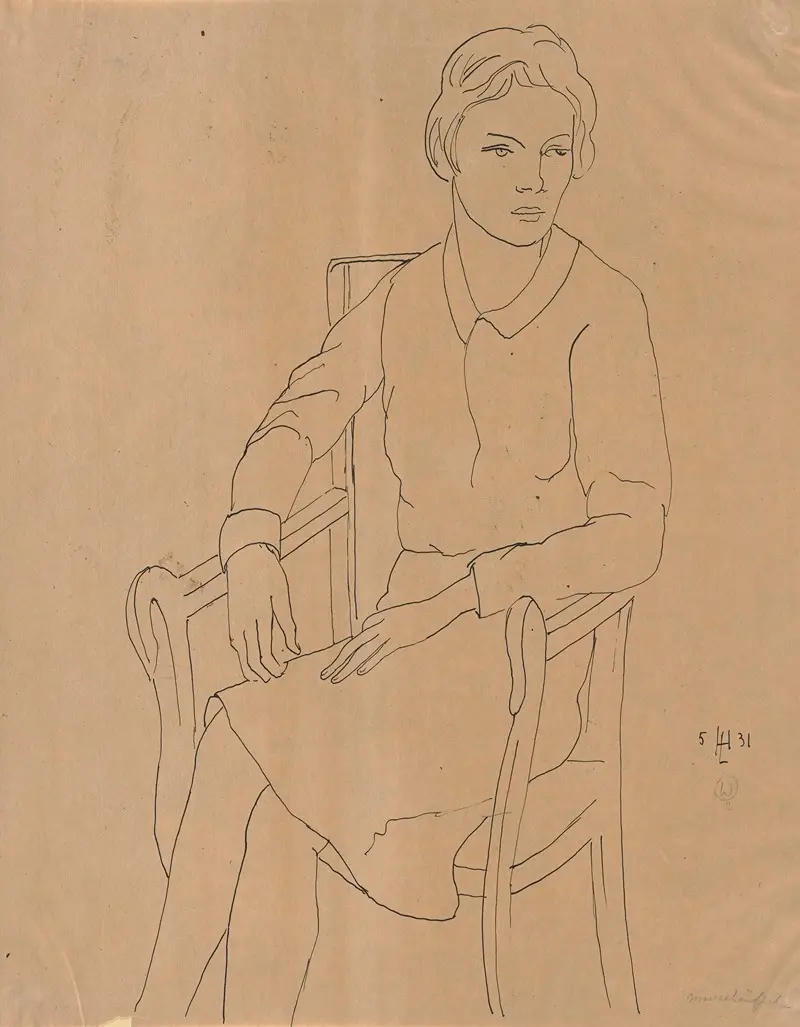
Sitzende Frau auf einem Stuhl
Hermann Lismann
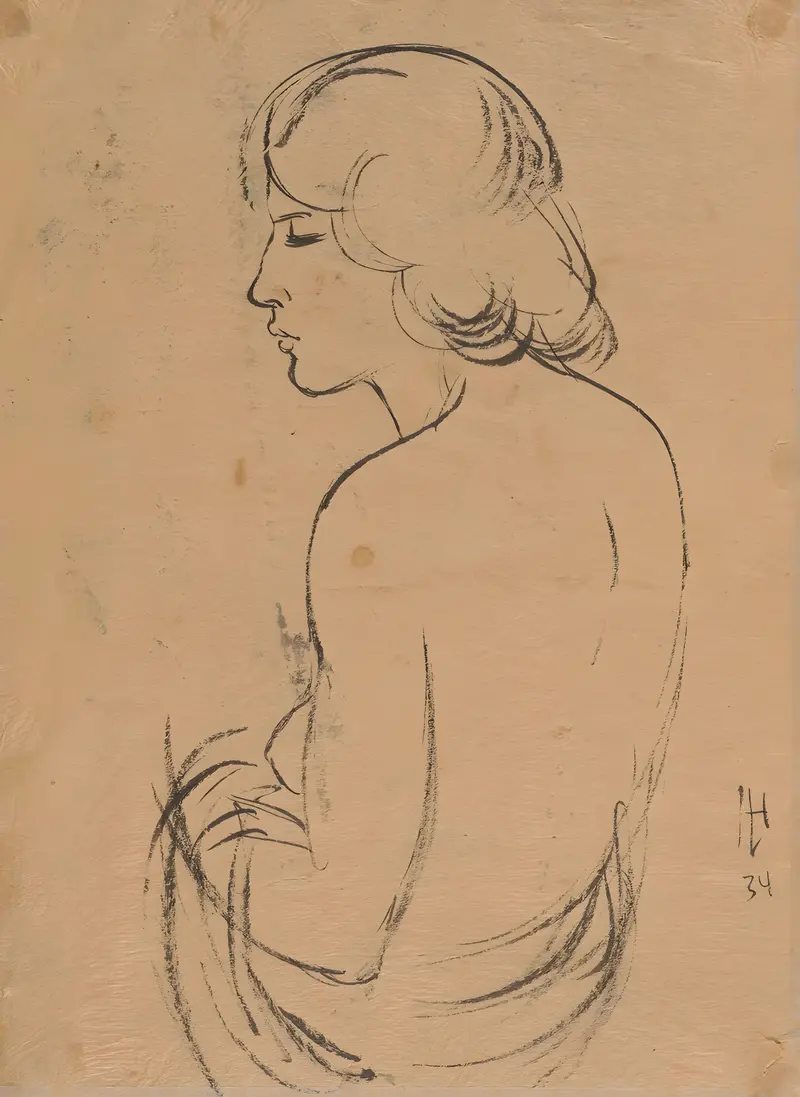
Frauenakt im Profil nach links
Hermann Lismann
More Landscape Art

The Starry Night
Vincent van Gogh

View of Delft
Johannes Vermeer

Water Lilies
Claude Monet

The Grand Canal, Venice, looking north-west from the Ca' Corner to the Ca' Contarini degli Scrigni, with the campanile of Santa Maria della Carità
Canaletto

Windsor Castle
Canaletto

The Grand Canal looking North-East from the Palazzo Dolfin-Manin to the Rialto Bridge
Canaletto