
Les Baux-de-Provence — History & Facts
No one knows exactly when or why Hermann Lismann set his sights on the ancient hilltop village of Les Baux-de-Provence, but this painting remains one of the few surviving records of his fascination with the dramatic Provençal landscape. While the precise date and medium are lost to history, the work has sparked ongoing curiosity among scholars, who note its rarity in Lismann’s known output. What makes this piece especially intriguing is the sense of quiet observation it brings to a subject that has inspired artists for centuries, from Van Gogh to Cézanne, yet here is rendered through Lismann’s distinct gaze. The painting captures Les Baux’s limestone cliffs and clustered stone houses at a moment of golden light, perhaps late afternoon, when the shadows stretch long across the valley.
Lismann’s brushwork suggests a gentle breeze and the hush of a village suspended between past and present. The eye is drawn to the jagged silhouette of the ruined château, a reminder of the medieval lords who once ruled these heights, while the winding paths below hint at the daily rhythms of village life. Unlike the swirling intensity of Van Gogh’s nearby Arles scenes, Lismann’s approach is quieter, focusing on the interplay of architecture and nature, and the enduring presence of history in the stones. Little is documented about the journey of this particular painting after it left the artist’s hands.
It is not clear whether Les Baux-de-Provence was created during a period of travel or as a reflection from memory, but its subject and style place it among the regional landscapes that occupied many artists in the late nineteenth and early twentieth centuries. The painting’s current location in an online gallery ensures its survival and accessibility, allowing new audiences to discover Lismann’s vision. Though details of its provenance remain elusive, the work stands as a testament to the enduring allure of Provence and to Lismann’s quiet skill as an observer of place.
More Artworks by Hermann Lismann

Reclined woman
Hermann Lismann
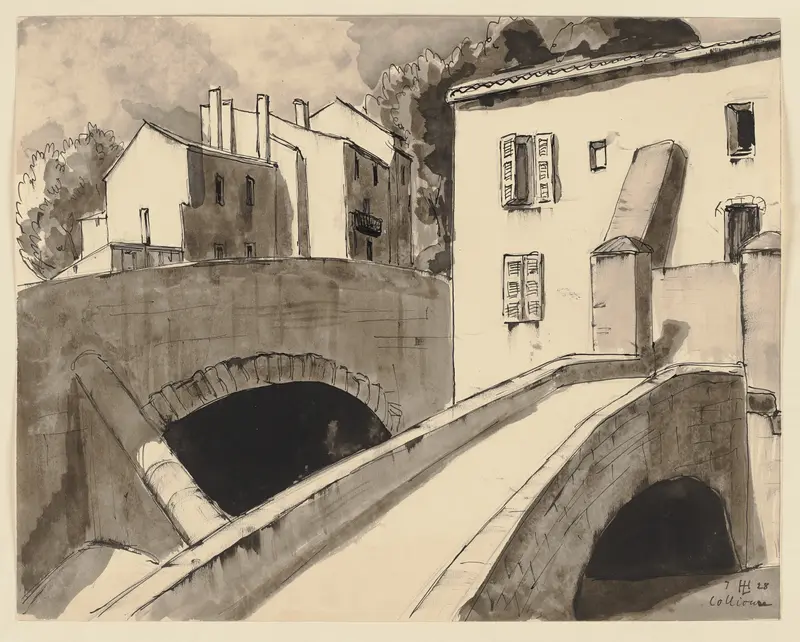
Collioure
Hermann Lismann
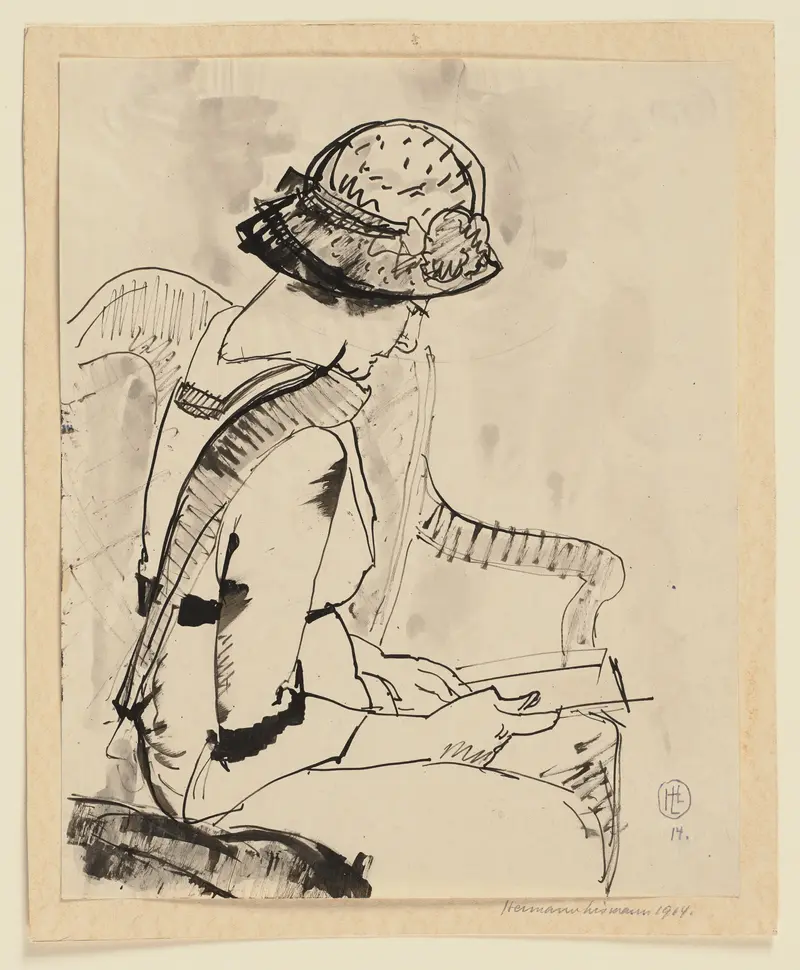
Lesende Frau im Profil nach rechts
Hermann Lismann
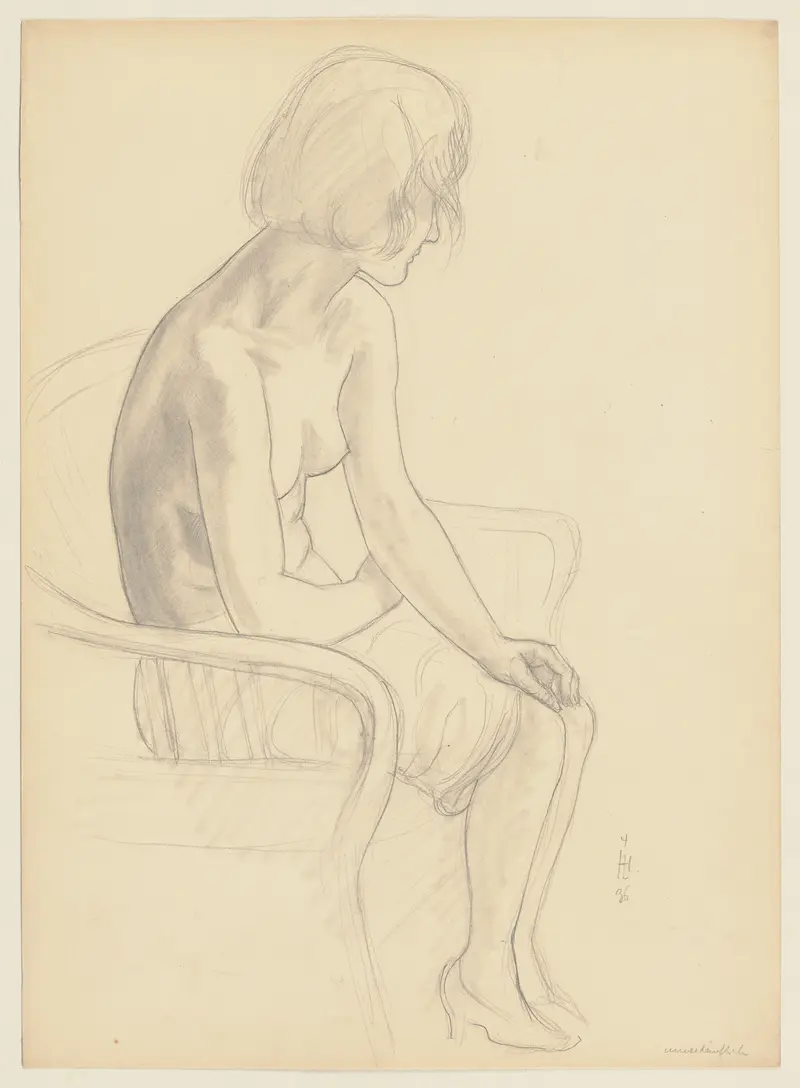
Sitzender Frauenakt auf einem Stuhl
Hermann Lismann
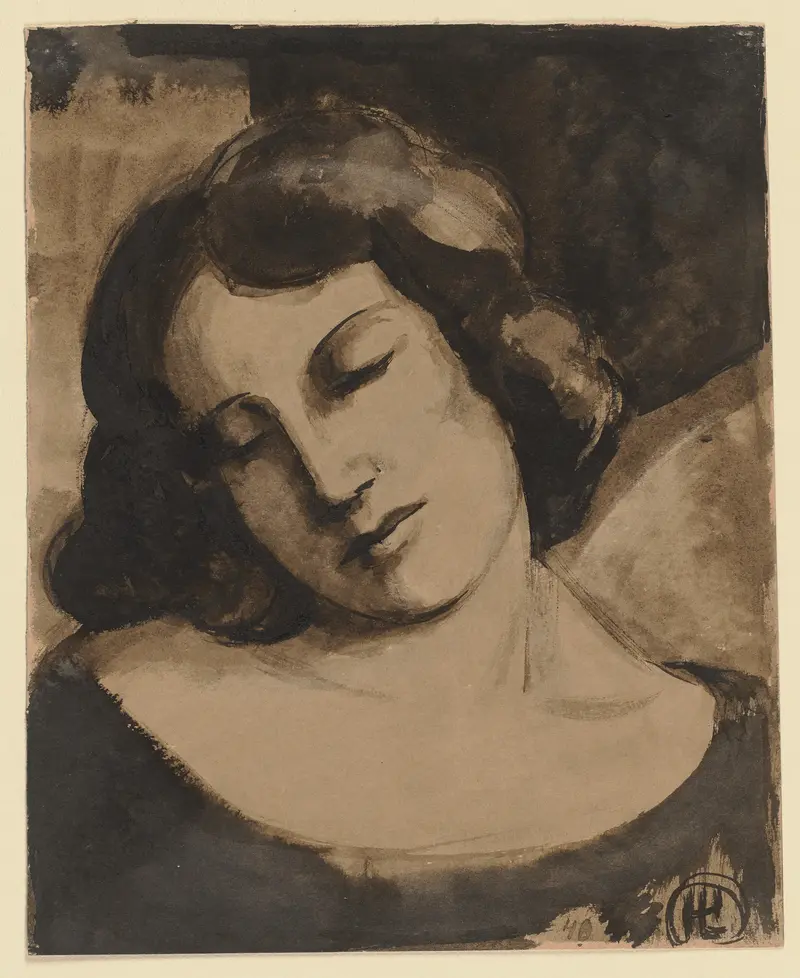
Frauenkopf mit geschlossenen Augen
Hermann Lismann
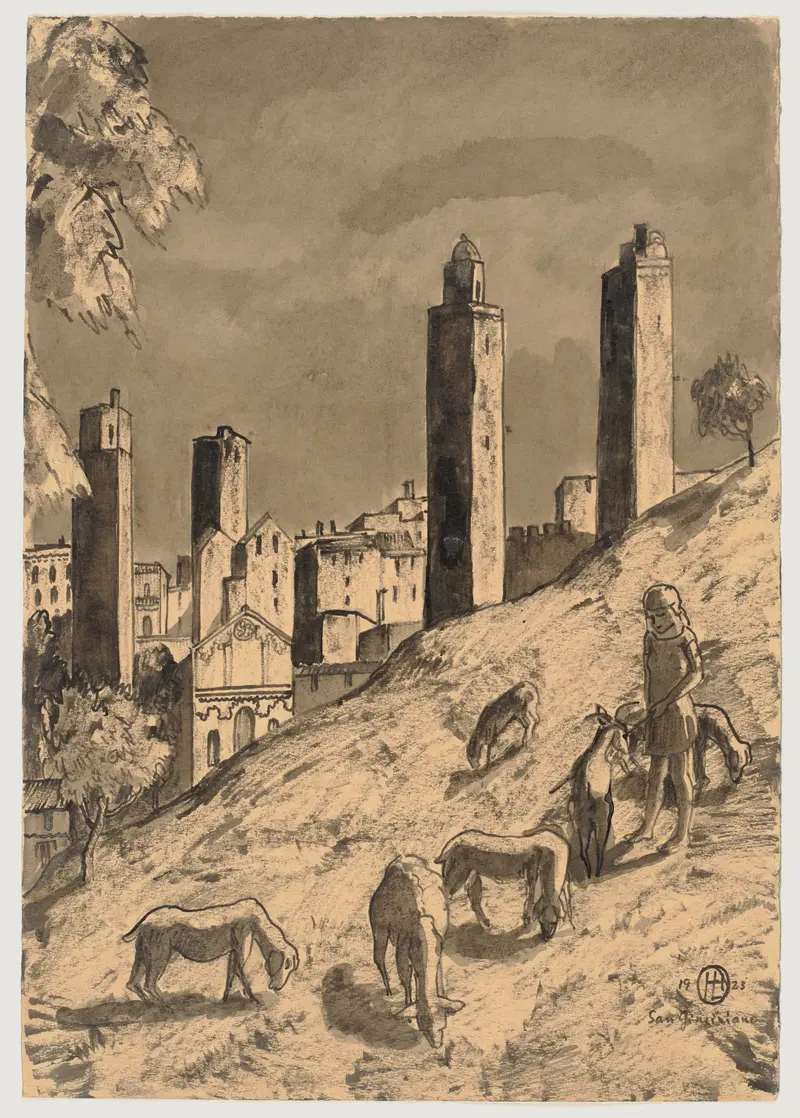
San Gimignano
Hermann Lismann
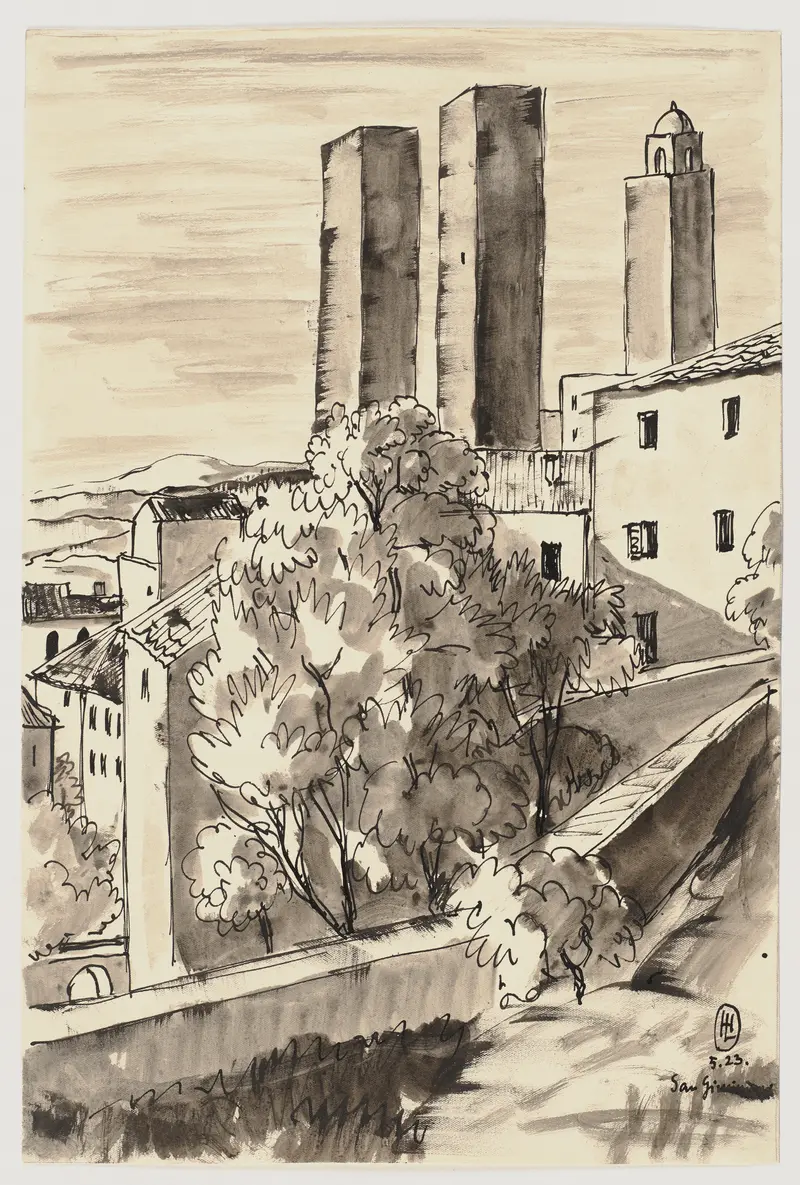
San Gimignano
Hermann Lismann
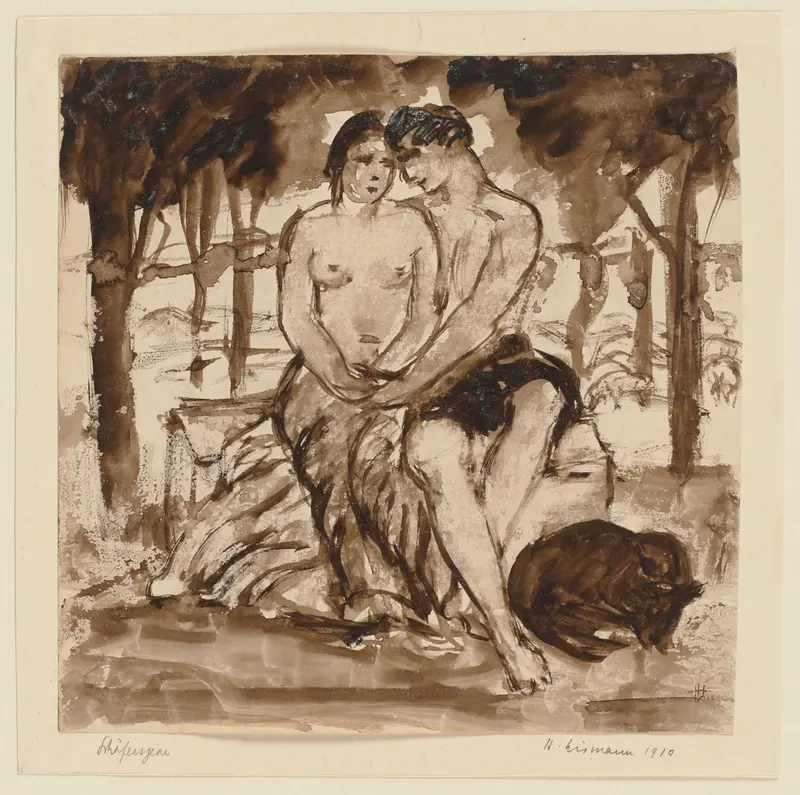
Schäferszene; Paar mit nacktem Oberkörper unter Bäumen sitzend, neben ihnen ein Hund
Hermann Lismann
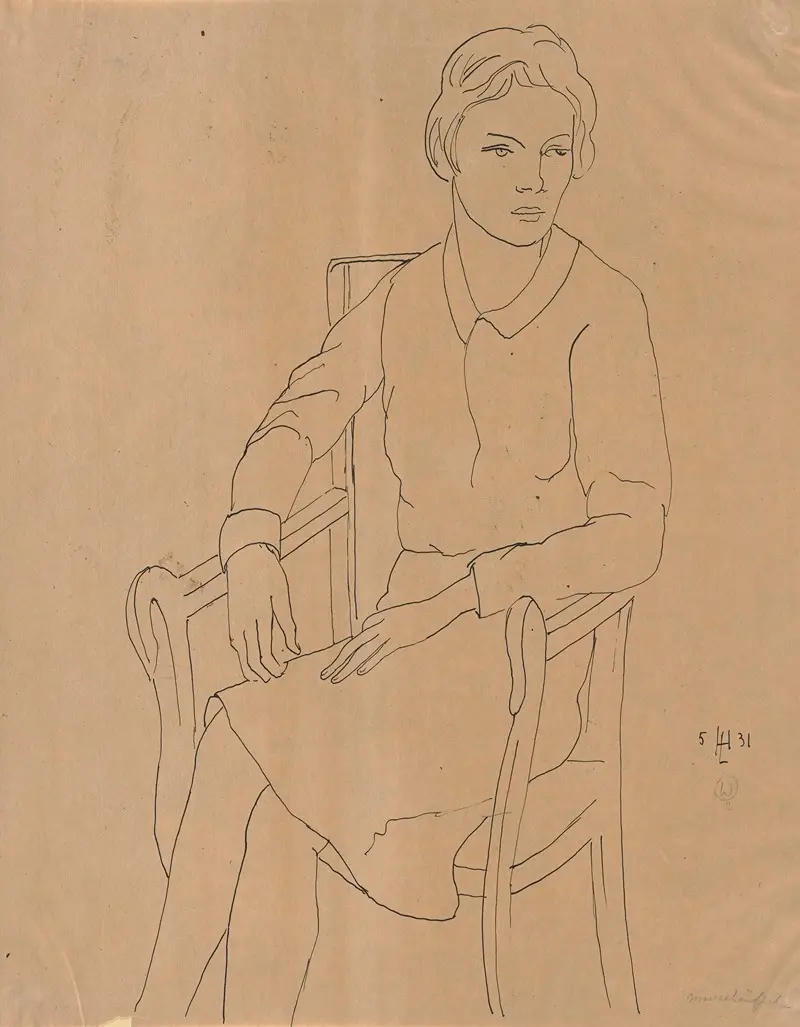
Sitzende Frau auf einem Stuhl
Hermann Lismann
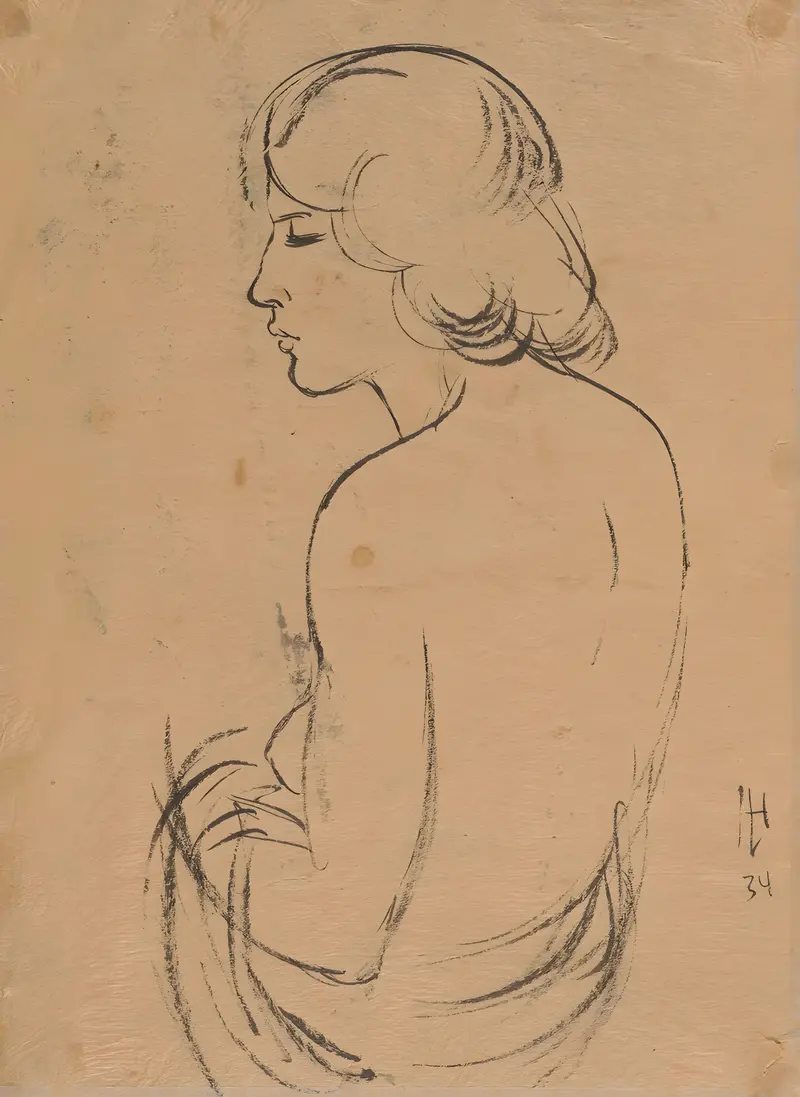
Frauenakt im Profil nach links
Hermann Lismann
More Landscape Art

The Starry Night
Vincent van Gogh

View of Delft
Johannes Vermeer

Water Lilies
Claude Monet

The Grand Canal, Venice, looking north-west from the Ca' Corner to the Ca' Contarini degli Scrigni, with the campanile of Santa Maria della Carità
Canaletto

Windsor Castle
Canaletto

The Grand Canal looking North-East from the Palazzo Dolfin-Manin to the Rialto Bridge
Canaletto