
Les Baux-de-Provence — History & Facts
No one knows exactly when or why Hermann Lismann painted Les Baux-de-Provence, but the work’s enduring mystery is part of its fascination. Unlike many landscapes of the early twentieth century, this painting has no surviving exhibition record or correspondence to clarify its origins. The absence of a date or medium has led to ongoing debate among scholars, who look to the brushwork and palette for clues.
What is certain is that Les Baux-de-Provence captures a view of a town whose dramatic ruins and limestone cliffs have inspired artists for centuries, from Vincent van Gogh to Yves Brayer. The painting draws the viewer into the ancient hilltop village of Les Baux, perched high above the Provençal countryside. Lismann chooses a vantage point that emphasizes the rugged outcrops and clustered stone houses, their ochre and gray tones set against a wide, sunlit sky. The play of light across the rocks and the shadows in the narrow streets suggest a specific moment, perhaps late afternoon, when the village is quiet and the landscape glows with warmth.
Unlike van Gogh’s turbulent brushwork in his southern landscapes, Lismann’s approach is quieter, focusing on solidity and structure. The careful rendering of the crumbling ramparts and the winding path invite the eye to wander through both time and space, hinting at the layered history of the site. Little is known about the painting’s early life or how it came to be part of the present collection. Hermann Lismann himself remains a somewhat elusive figure, active in the first half of the twentieth century and known for his travels throughout France and North Africa.
Les Baux-de-Provence stands as a testament to his fascination with historic places and their atmospheres, though its exact place in his career is uncertain. Today, the painting is valued as much for its unanswered questions as for its depiction of a storied landscape, offering viewers a glimpse into both the artist’s eye and the enduring allure of Les Baux.
More Artworks by Hermann Lismann

Reclined woman
Hermann Lismann
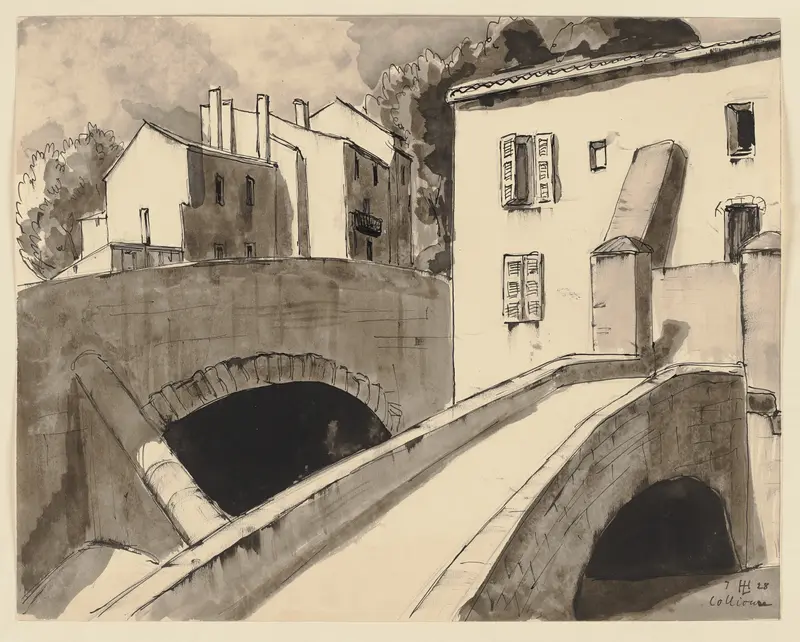
Collioure
Hermann Lismann
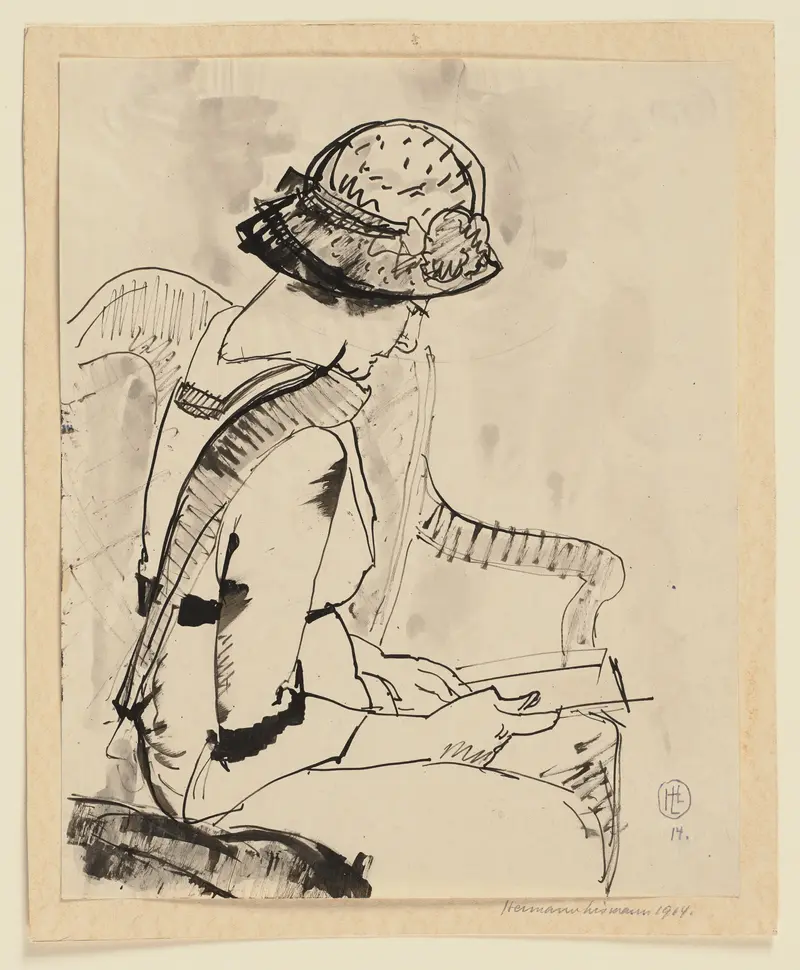
Lesende Frau im Profil nach rechts
Hermann Lismann
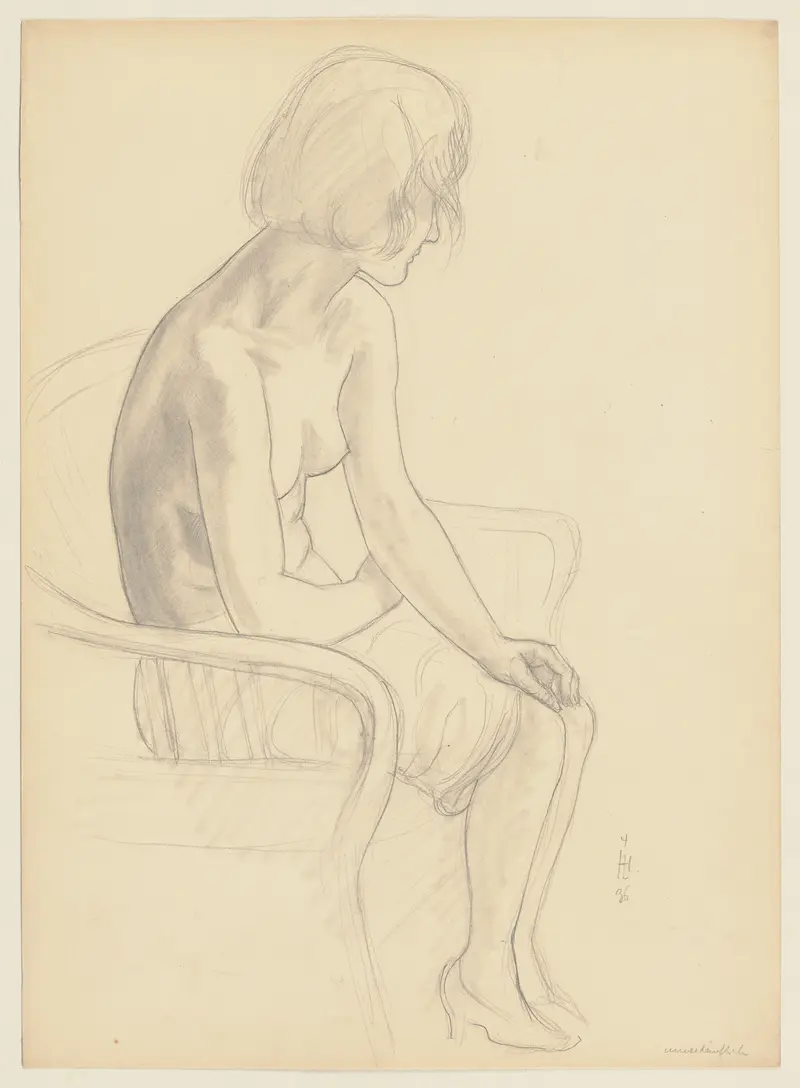
Sitzender Frauenakt auf einem Stuhl
Hermann Lismann
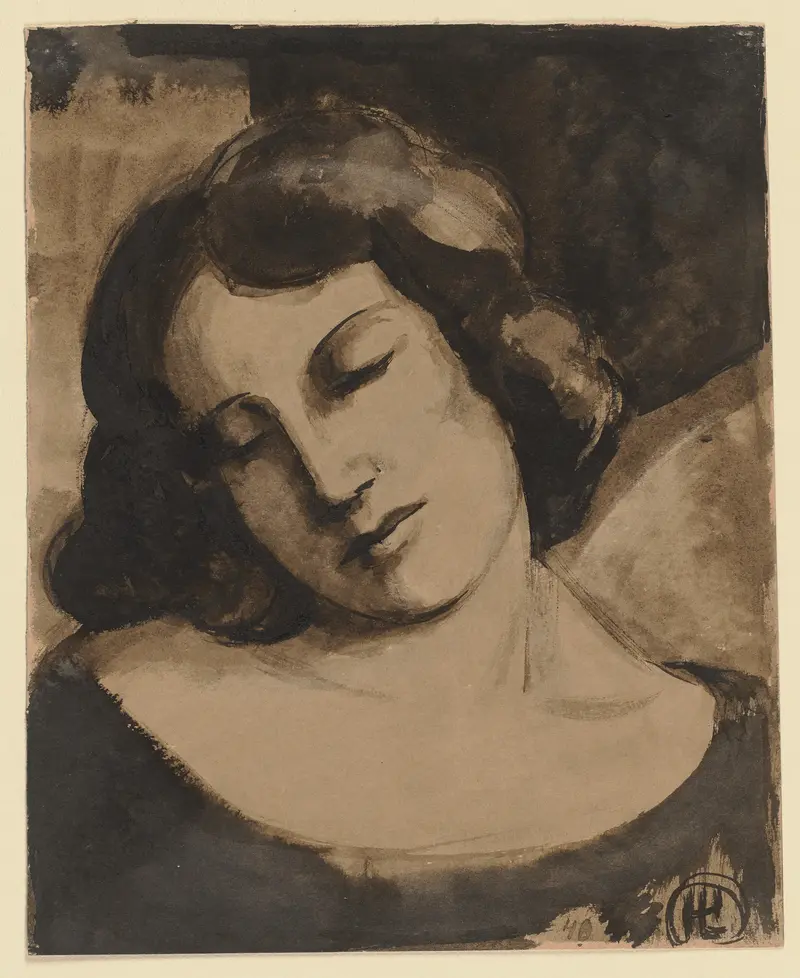
Frauenkopf mit geschlossenen Augen
Hermann Lismann
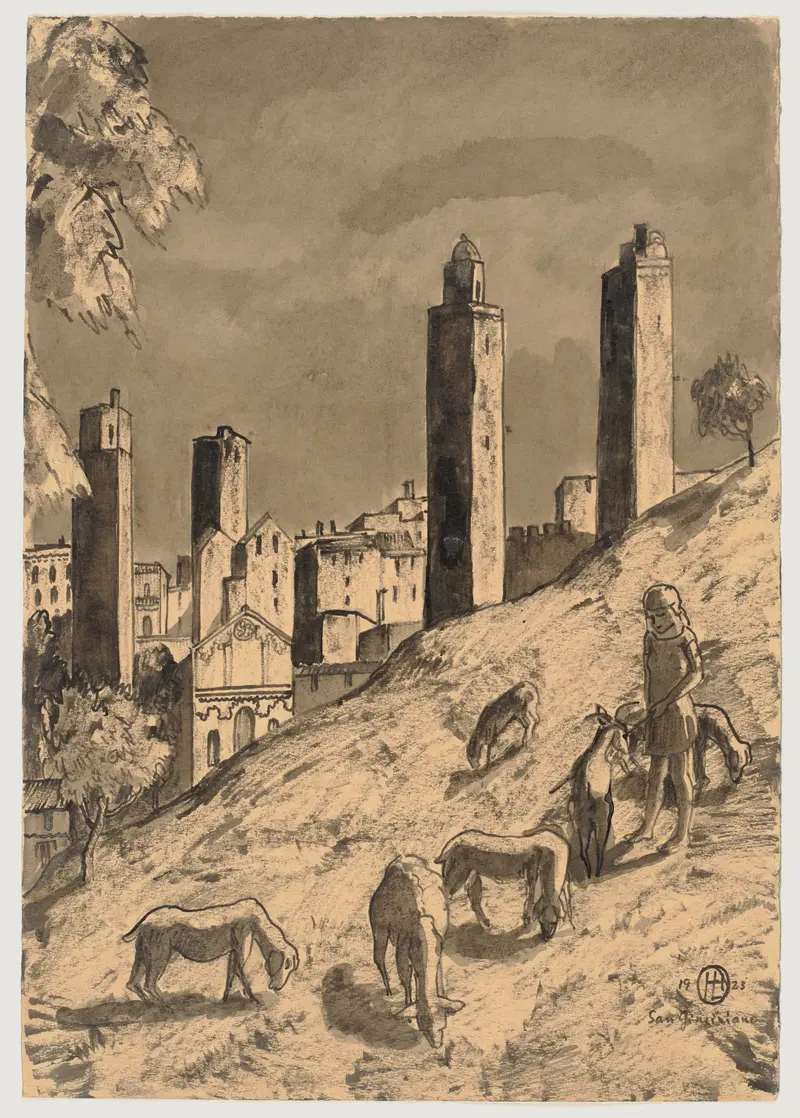
San Gimignano
Hermann Lismann
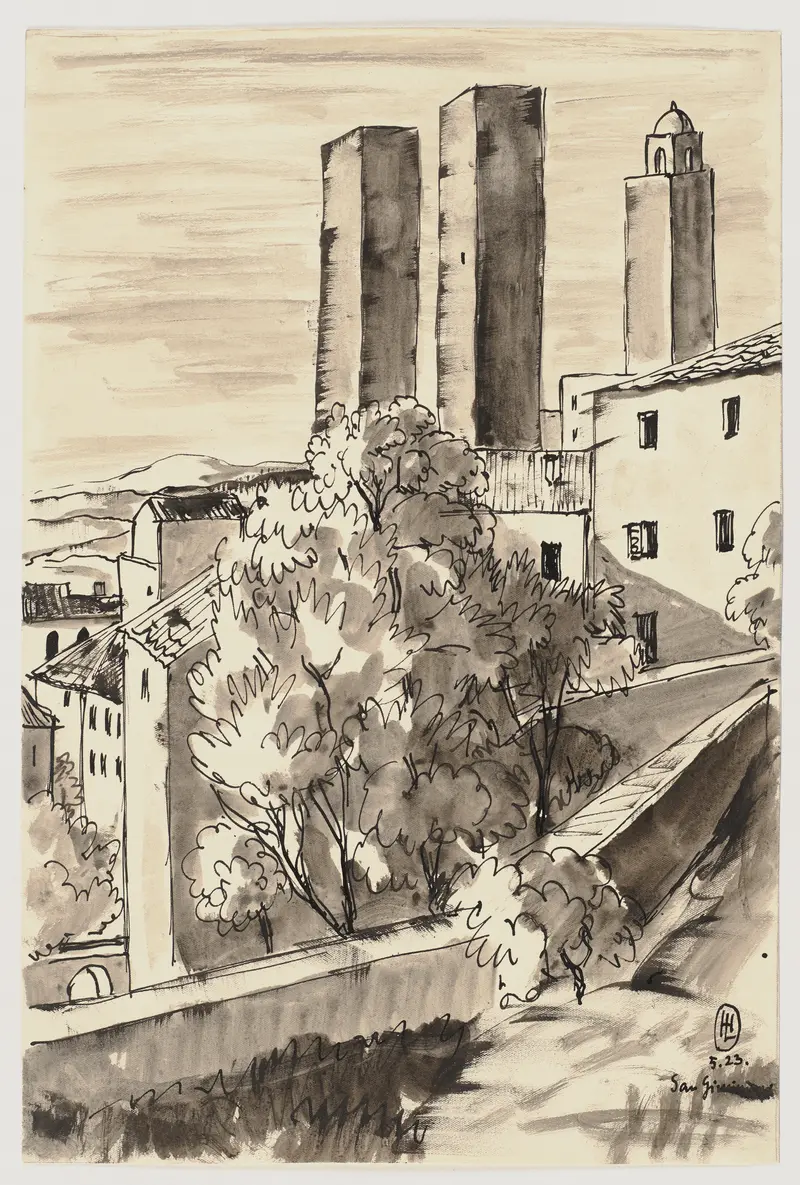
San Gimignano
Hermann Lismann
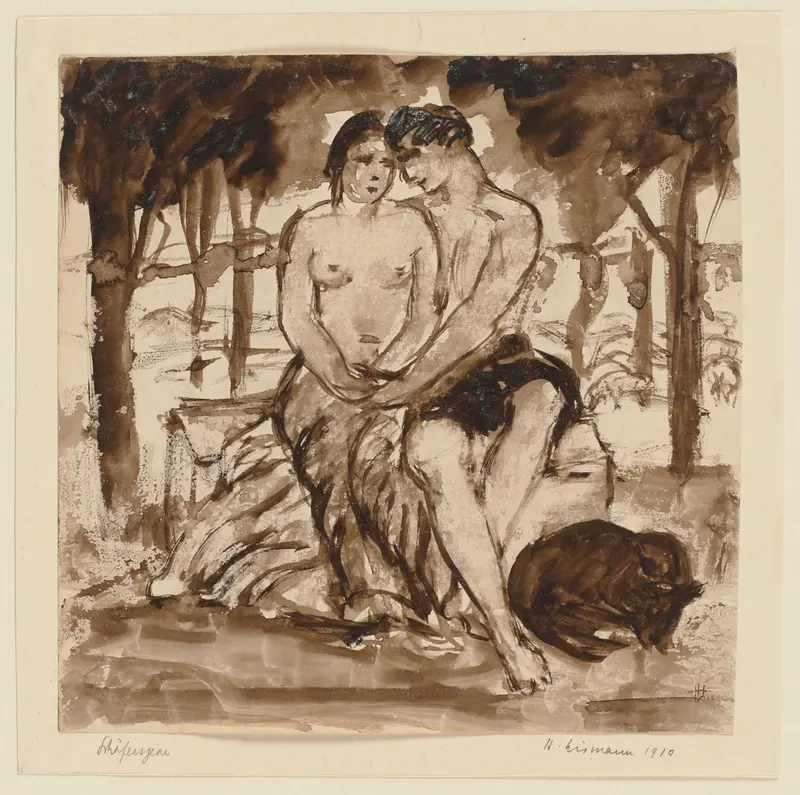
Schäferszene; Paar mit nacktem Oberkörper unter Bäumen sitzend, neben ihnen ein Hund
Hermann Lismann
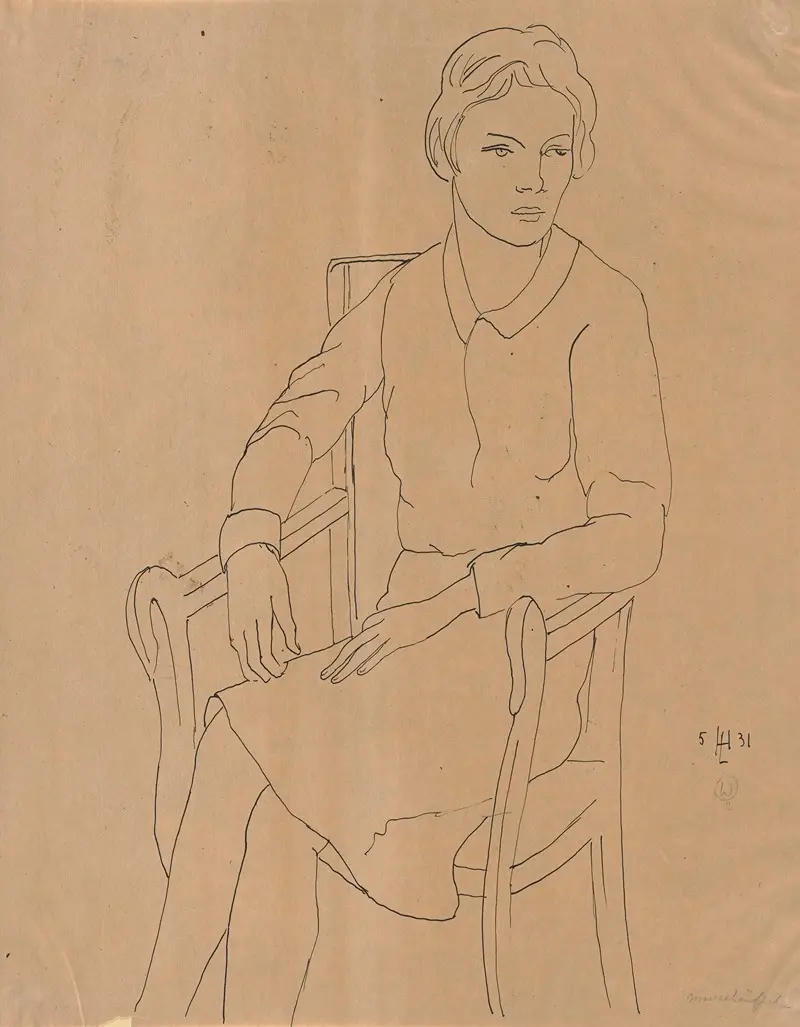
Sitzende Frau auf einem Stuhl
Hermann Lismann
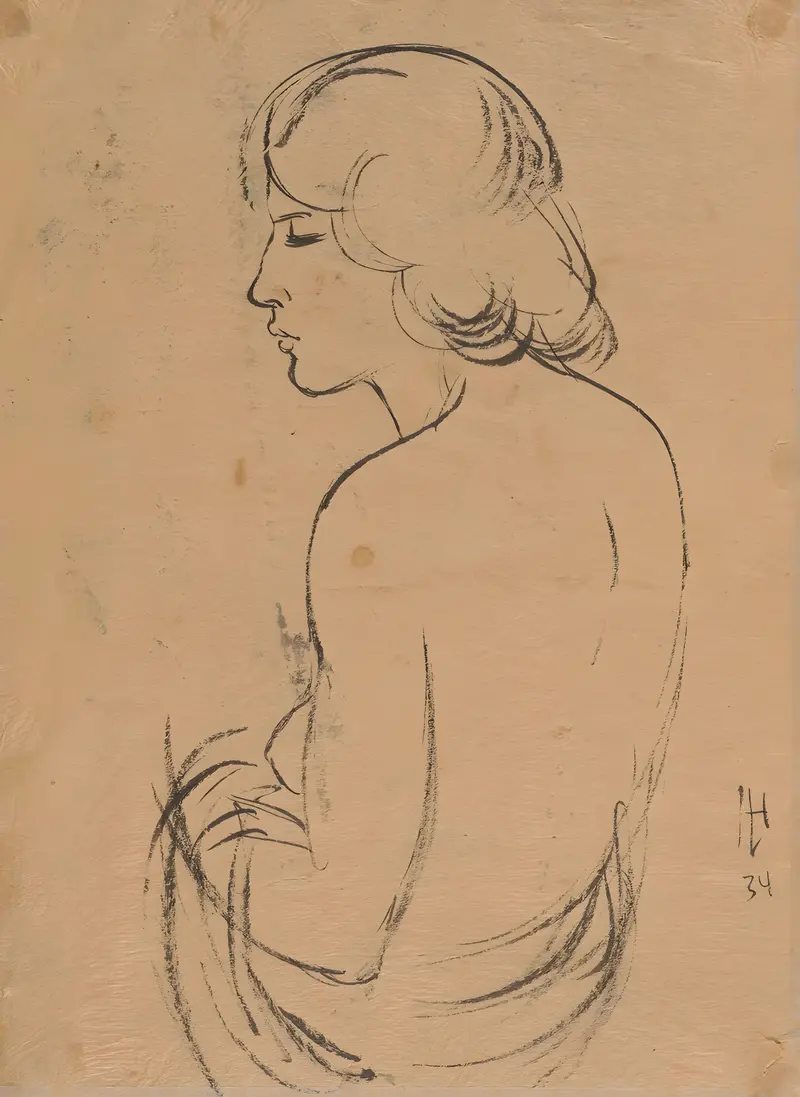
Frauenakt im Profil nach links
Hermann Lismann
More Landscape Art

The Starry Night
Vincent van Gogh

View of Delft
Johannes Vermeer

Water Lilies
Claude Monet

The Grand Canal, Venice, looking north-west from the Ca' Corner to the Ca' Contarini degli Scrigni, with the campanile of Santa Maria della Carità
Canaletto

Windsor Castle
Canaletto

The Grand Canal looking North-East from the Palazzo Dolfin-Manin to the Rialto Bridge
Canaletto