
Les blés coupés — History & Facts
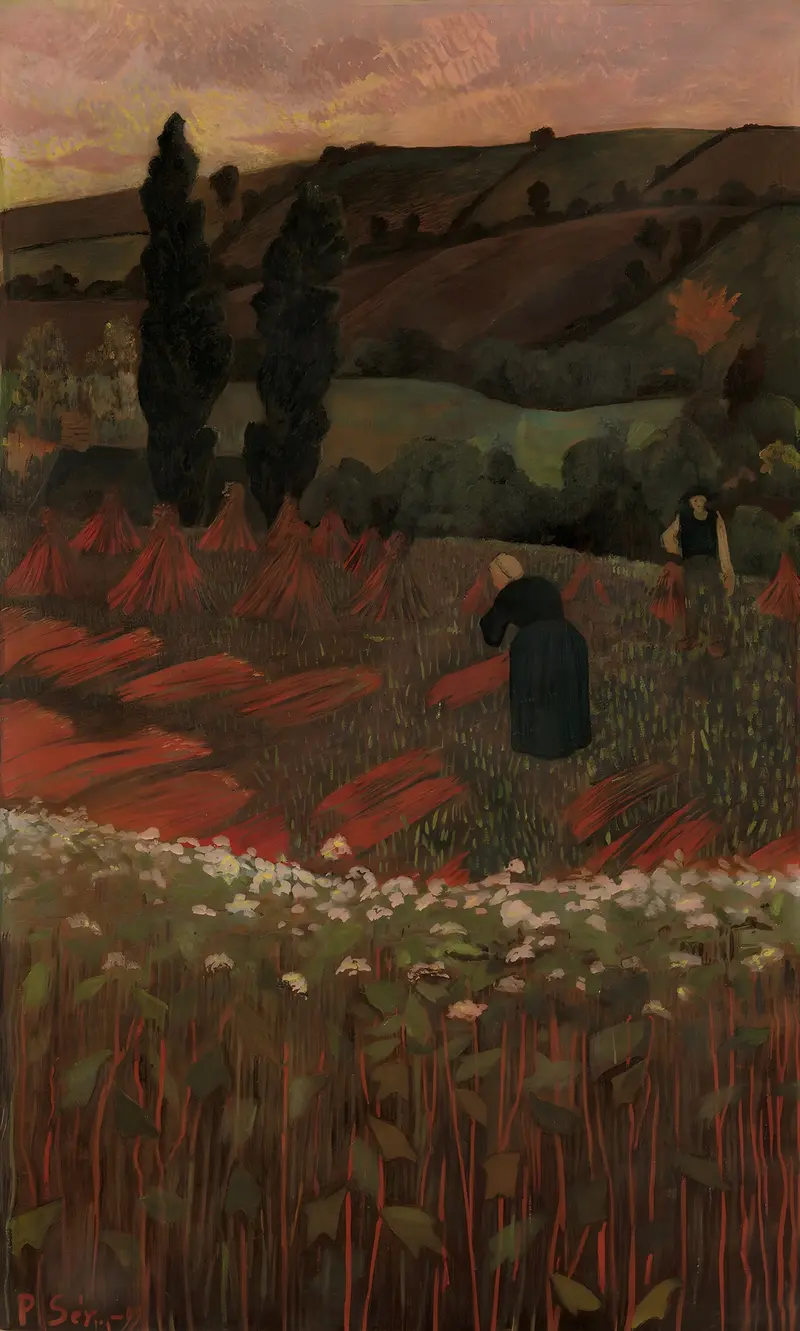
To fully grasp the beauty of this piece, look to the center where golden fields stretch endlessly, their rippling waves of wheat catching the soft light of a setting sun. Notice how the brushstrokes flow seamlessly, each one tracing the contours of nature with gentle textures that evoke a sense of tranquility. The palette, rich with warm yellows and soft greens, envelops the viewer, making the landscape feel alive and vibrant yet peaceful and unhurried. Digging deeper, contrast emerges between the stillness of the landscape and the implied movement of the swaying wheat, evoking a dialogue between nature's chaos and its inherent calm.
The shadows play a crucial role, adding depth and dimension while hinting at the ephemeral nature of the moment. This juxtaposition of serenity and underlying energy reflects a harmonious balance, inviting contemplation about life’s simple yet profound moments. During an indeterminate period, Les blés coupés was created by Paul Sérusier, a pivotal figure in the Nabis movement in France. At this time, he was exploring the relationship between art and emotion, moving away from mere representation towards personal expression.
This painting represents his journey, a reflection of a world transitioning through the lens of impressionism while embracing the inner landscapes of the soul.
More Artworks by Paul Sérusier

Bretonnes, Réunion Dans Le Bois Sacré
Paul Sérusier
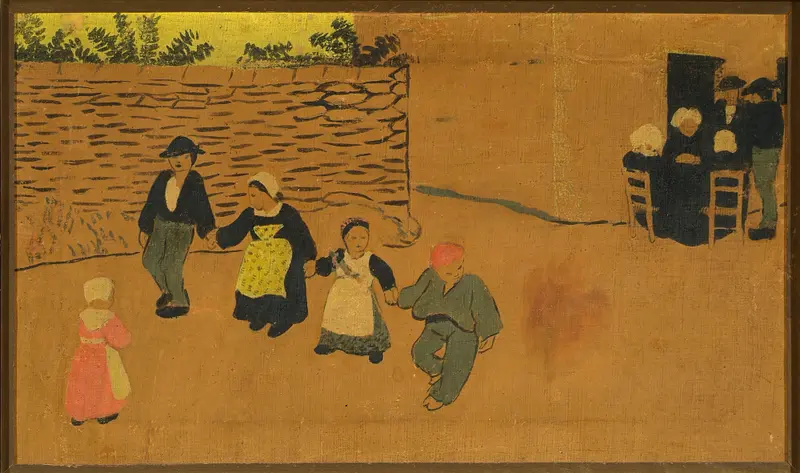
Breton panel with children
Paul Sérusier
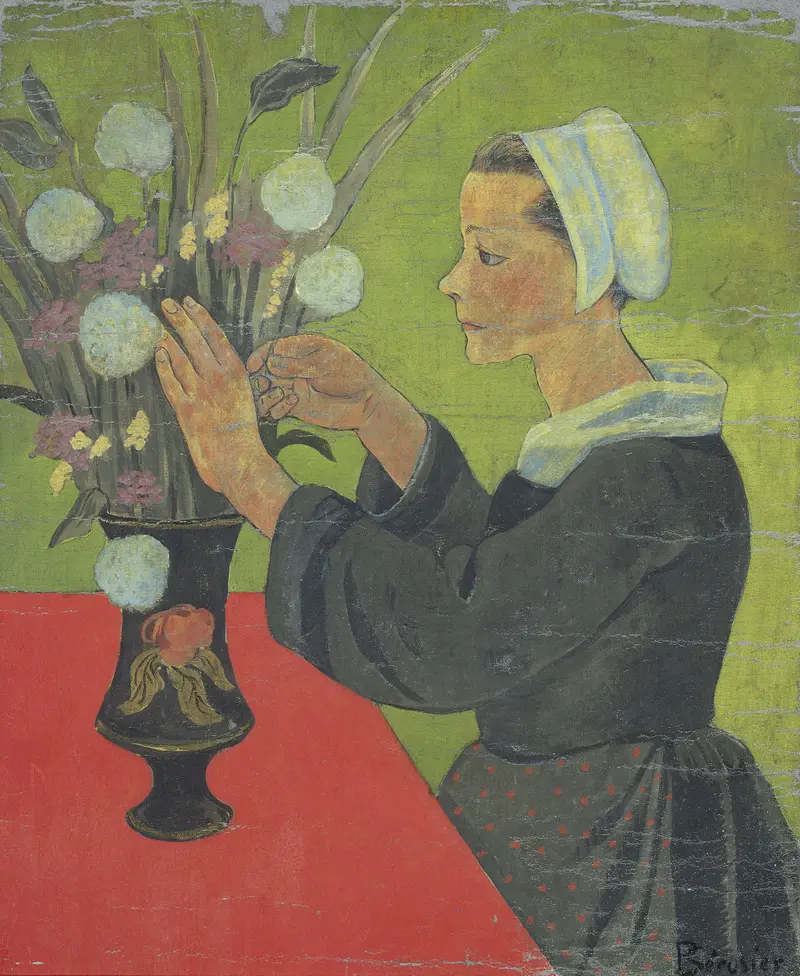
Bretonne au bouquet (Huelgoat)
Paul Sérusier
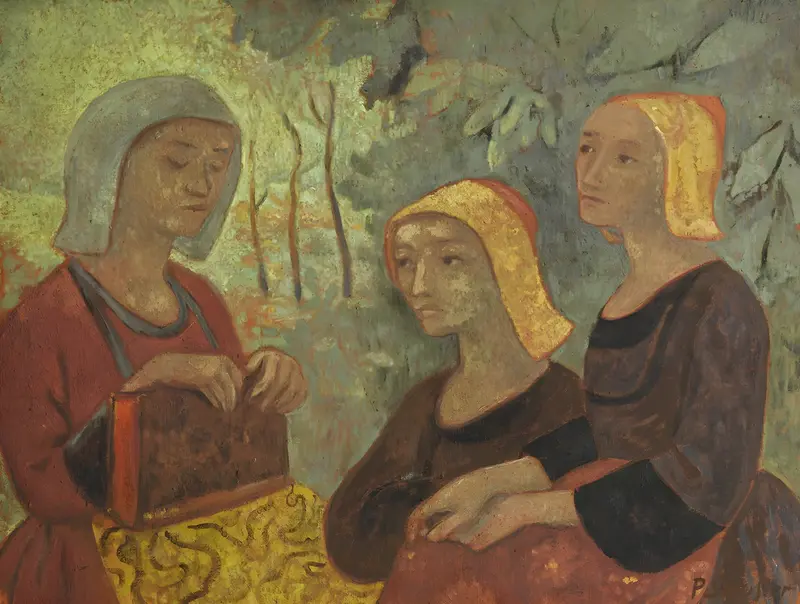
Bretonnes au livre
Paul Sérusier
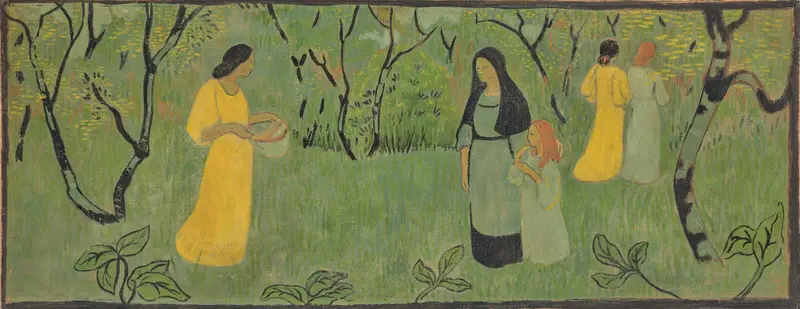
Promenade du Dimanche (Robes Jaunes)
Paul Sérusier
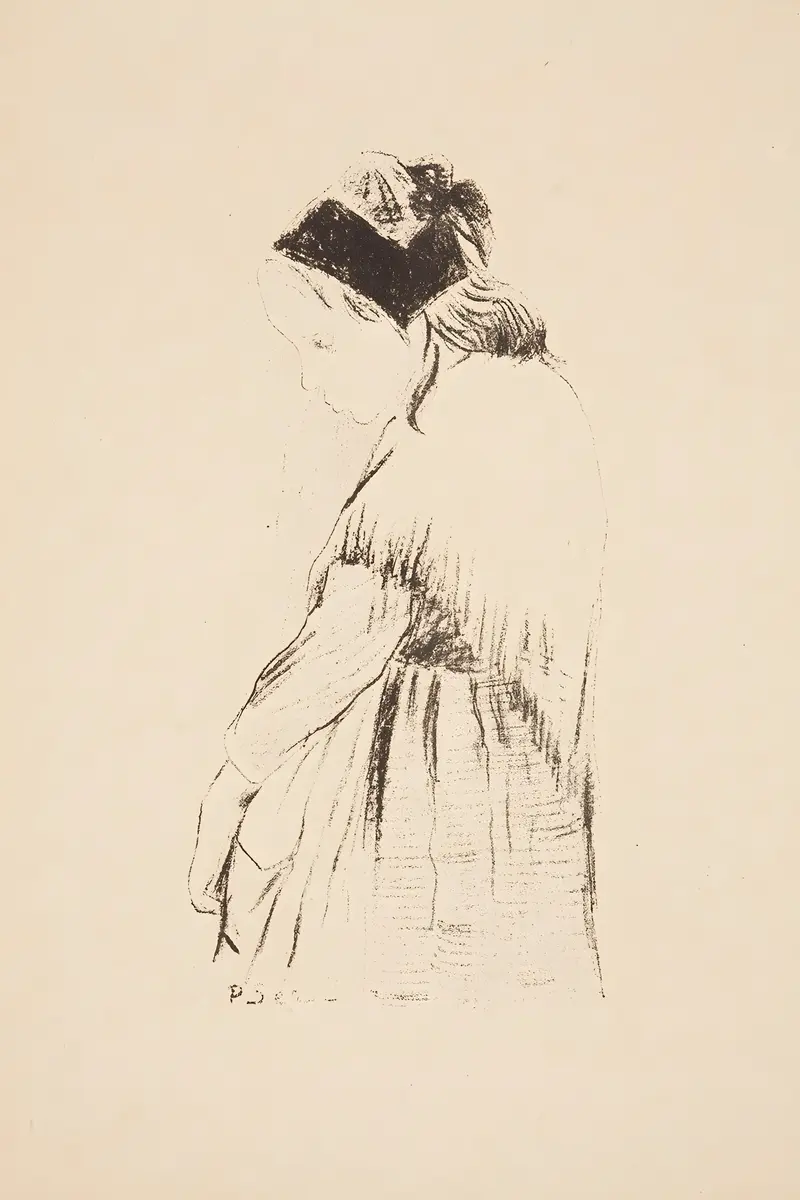
Jeune Bretonne
Paul Sérusier
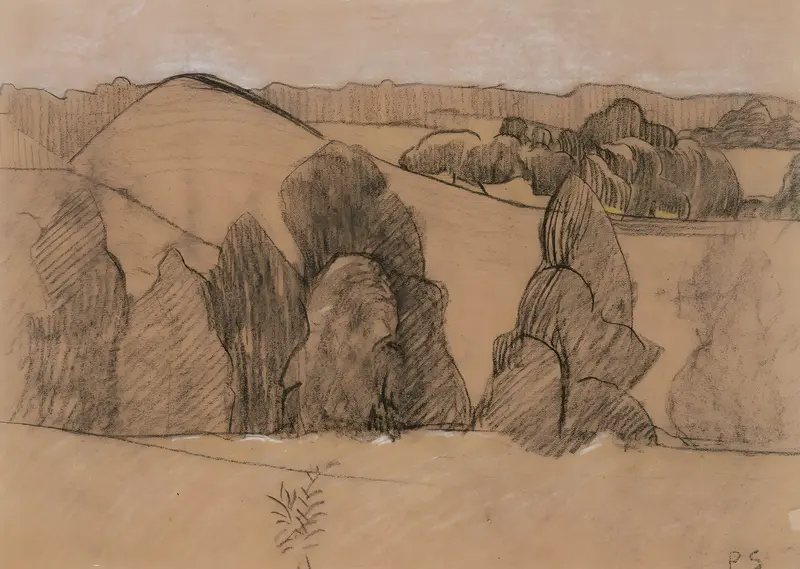
Landscape in Brittany
Paul Sérusier
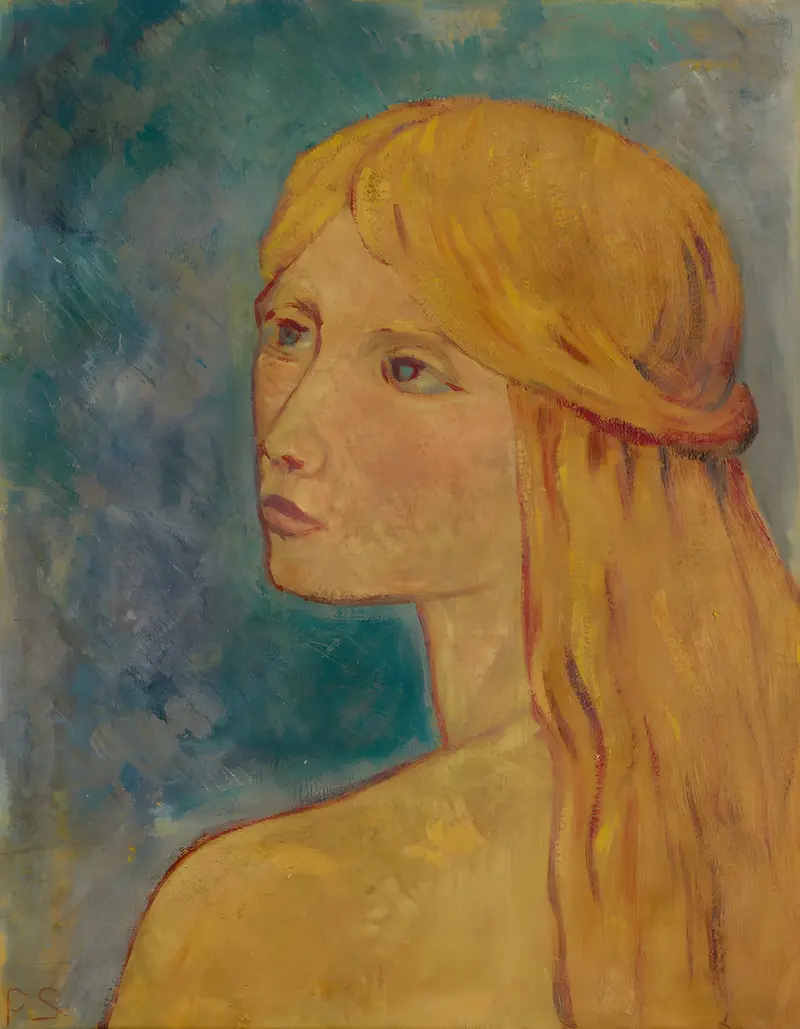
La Rousse
Paul Sérusier
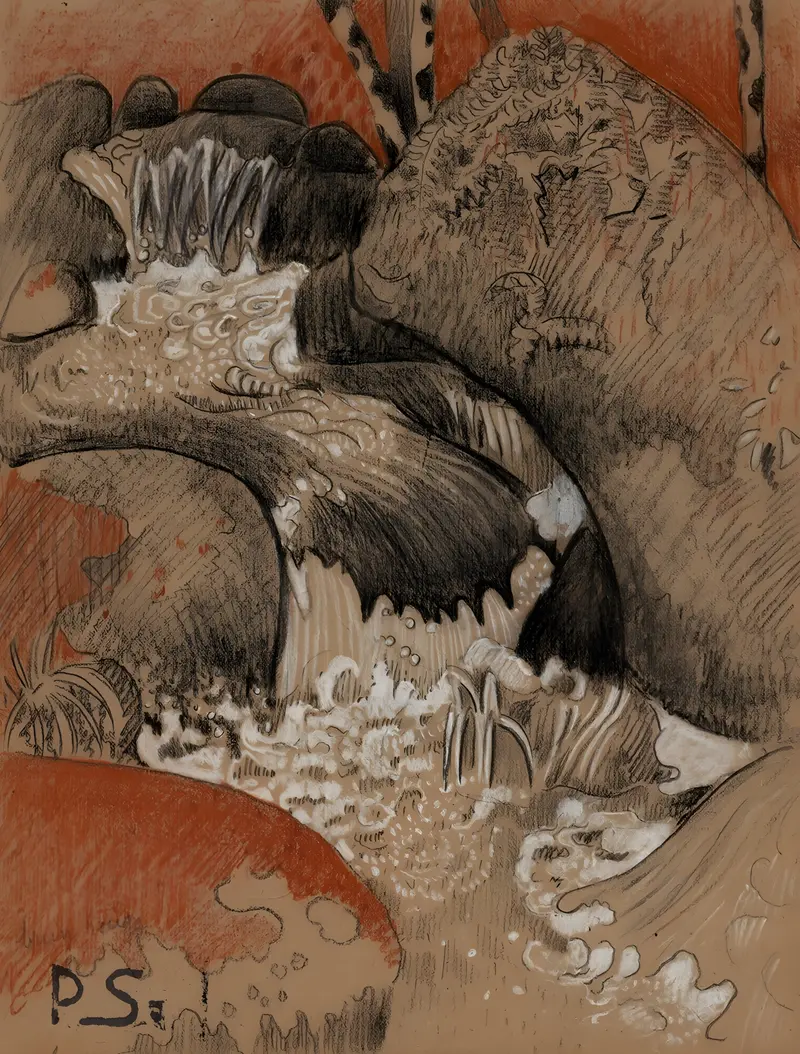
Rochers d’Huelgoat
Paul Sérusier
The Harvest of Buckwheat
Paul Sérusier
More Landscape Art

The Starry Night
Vincent van Gogh

View of Delft
Johannes Vermeer

Water Lilies
Claude Monet

The Grand Canal, Venice, looking north-west from the Ca' Corner to the Ca' Contarini degli Scrigni, with the campanile of Santa Maria della Carità
Canaletto

Windsor Castle
Canaletto

The Grand Canal looking North-East from the Palazzo Dolfin-Manin to the Rialto Bridge
Canaletto