
Les bords de la Creuse — History & Facts
Is this a mirror — or a memory? The landscape before us unfolds like a dream, a visceral reminder of nature’s profound beauty that transcends time. Look to the left at the gentle meander of the river, its surface shimmering with reflections of soft blues and greens, while the banks are adorned with bursts of warm yellows and deep ochres. Notice how the brushstrokes vary in intensity, from delicate and wispy to bold and confident, drawing the eye across the canvas. The interplay of light and shadow creates an enchanting rhythm, where sunlight dances through the foliage, illuminating patches of the ground and casting playful reflections on the water. Beneath the serene facade lies a tension between permanence and fleeting beauty.
The juxtaposition of the flowing water with the stillness of the surrounding trees evokes a sense of awe and contemplation, urging us to consider the passage of time. Each stroke of paint seems to capture not only a moment in nature but also an ephemeral emotional truth, as if the landscape holds secrets that whisper to those who take the time to listen. In 1910, during a pivotal period in the development of Impressionism, the artist was exploring the depths of color and light. Living in France, Guillaumin was deeply influenced by his contemporaries, yet his unique perspective and emotional resonance set him apart.
Capturing the banks of the Creuse River, he embraced the tranquility of his surroundings, finding inspiration in the ordinary, and transforming it into something extraordinary.
More Artworks by Armand Guillaumin
Browse all →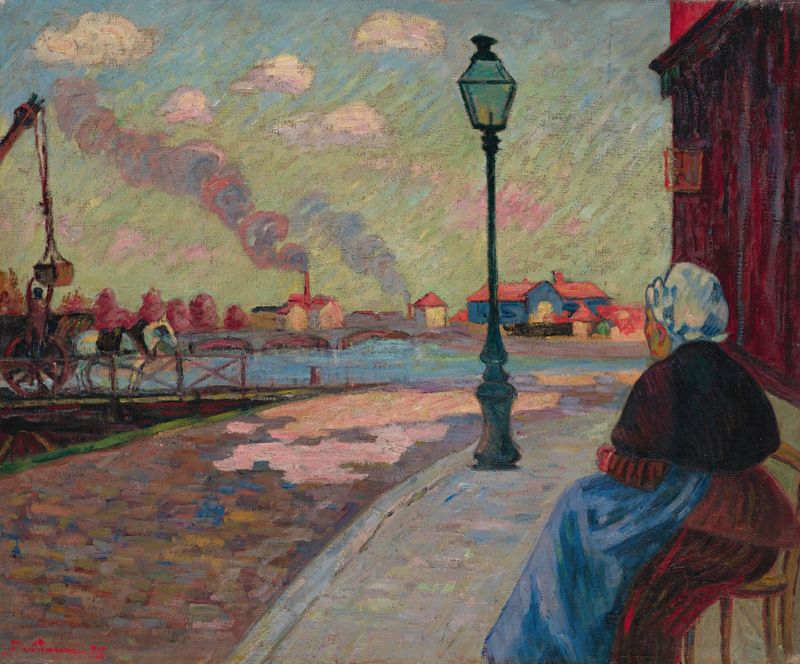
La Seine À Charenton
Armand Guillaumin
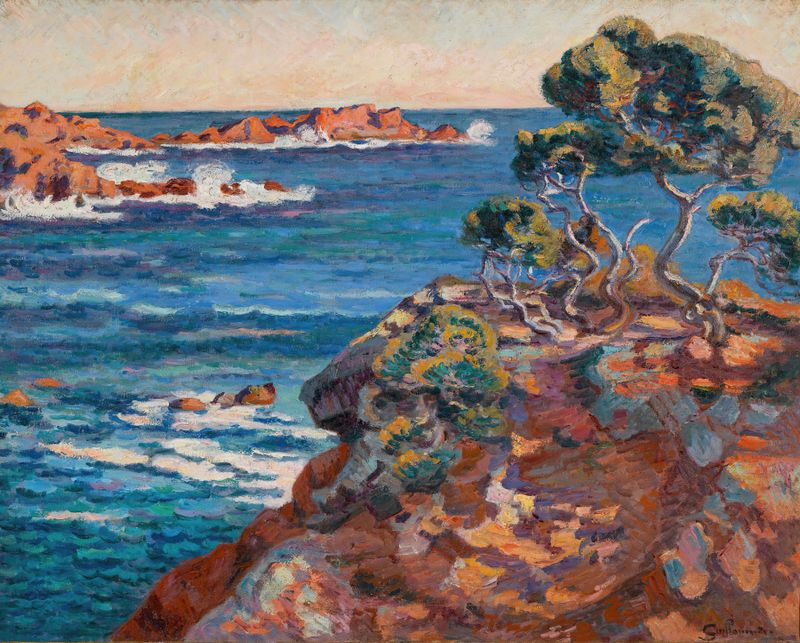
Bord De Mer À Agay
Armand Guillaumin
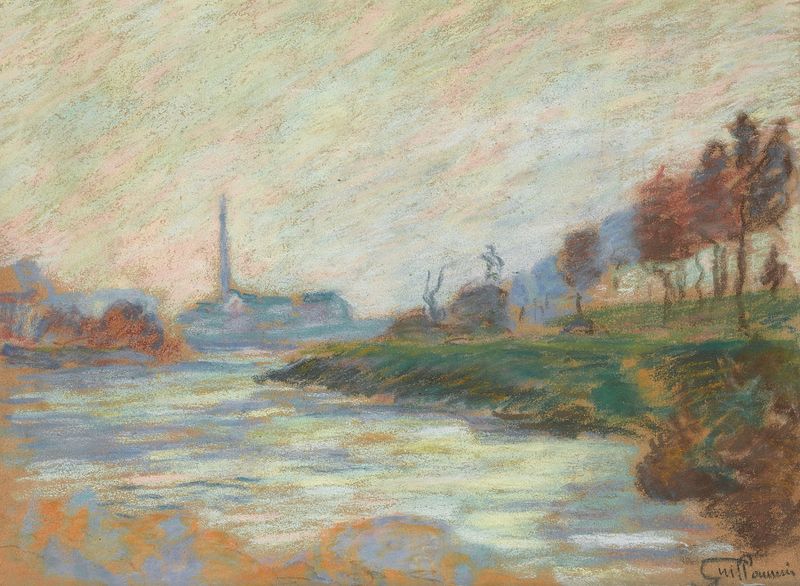
Confluent De La Marne Et De La Seine, Île De La France
Armand Guillaumin

Le Ravin de la folie, vue de Chateau Crozant
Armand Guillaumin
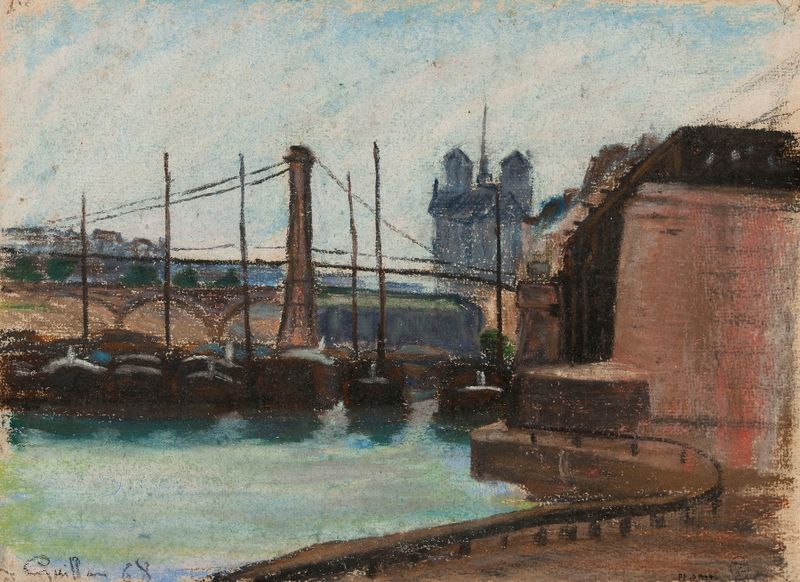
Le Pont d’Austerlitz
Armand Guillaumin

Paysage de Printemps
Armand Guillaumin
Crozant, Le Ravin De La Sedelle À La Folie
Armand Guillaumin
Paysage
Armand Guillaumin

La vallée de la creuse
Armand Guillaumin

L’Eglise Saint-Sulpice, Paris
Armand Guillaumin





