Les Champs-Elysées — History & Facts
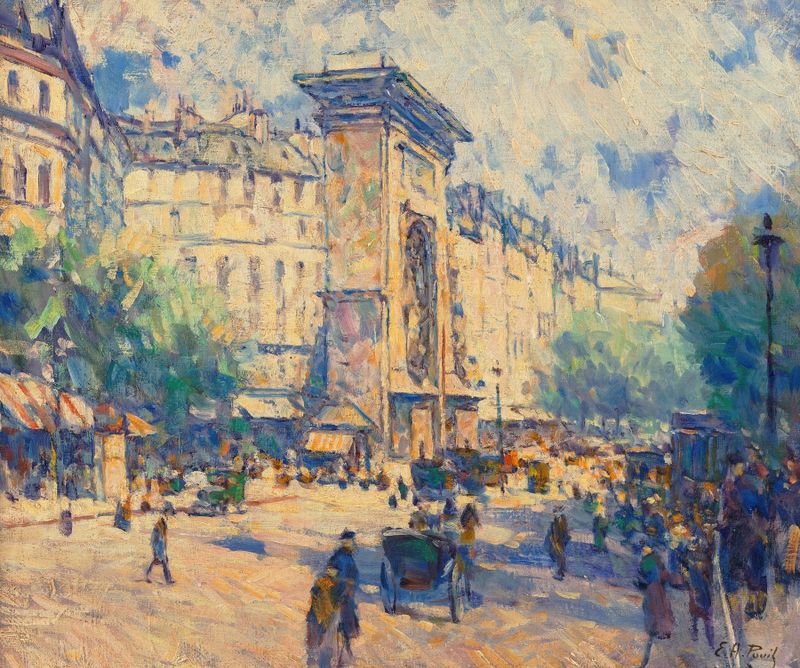
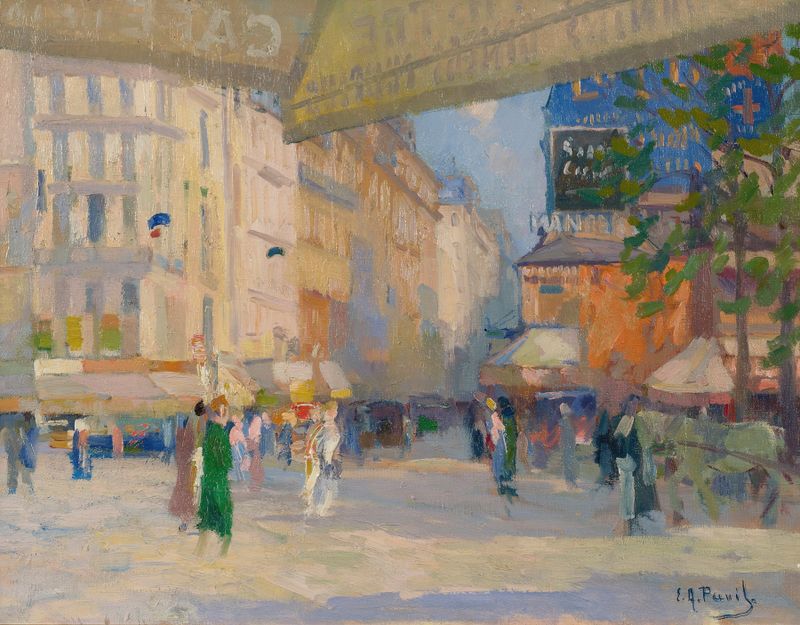
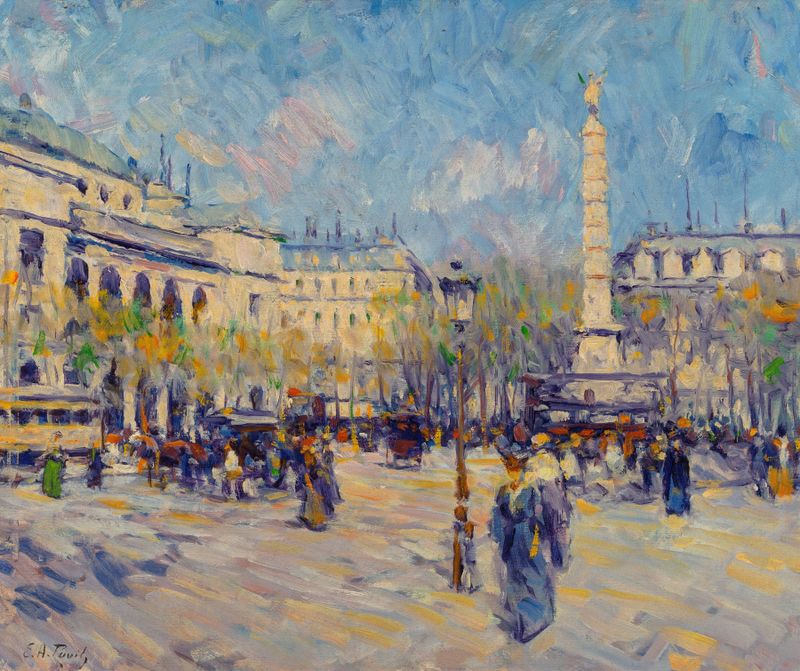
How often do we overlook the shadows entwined with the light in our pursuit of beauty? Look to the center of the canvas, where the broad, tree-lined avenue stretches toward the horizon, inviting yet poignant. The meticulous brushstrokes capture the vibrant greens and yellows of the foliage, contrasting with the muted tones of the buildings that stand watch, solemn and grand. Notice how the dappled sunlight filters through the leaves, creating a dance of light and shadow that imbues the scene with a sense of fleeting joy, almost divine in its serenity. Yet beneath this serene surface lies a deeper narrative.
The interplay of light reveals an emotional tension, hinting at the bustling life hidden within the stillness. Each figure on the avenue, though seemingly casual, carries a weight in its poise—a reflection on the complexities of urban existence. The stark architecture looms, suggesting a dynamic between nature and civilization, beauty and the melancholic realities of life. Elie Anatole Pavil painted this work between 1908 and 1912 in France, amidst the rise of modernism and the shifting landscape of urban life.
The early 20th century was marked by a fascination with capturing the essence of daily experiences, and Pavil was deeply influenced by Impressionism’s legacy. He sought to reconcile the natural world with the encroaching modernity of his surroundings, creating a dialogue between the idyllic and the industrial during a time of significant cultural transformation.