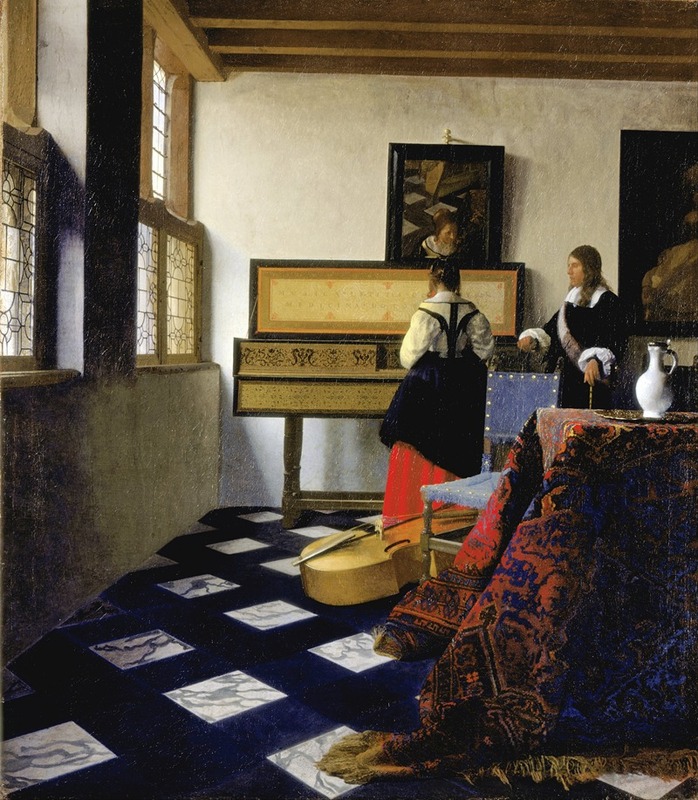
Les Fauteuils, Varengeville — History & Facts
The elegance of an empty room can mask the weight of absence, creating a poignant interplay between the ordinary and the profound. Look to the left at the two armchairs, their velvet upholstery rich and inviting, yet eerily still. The sunlight filters through the window, casting soft shadows that dance across the floor, illuminating the delicate textures while enhancing the sense of solitude. Observe the composition: the placement of the chairs, facing a void, suggests an intimate moment shared long ago, now steeped in silence.
The muted palette evokes a serene melancholy, drawing the viewer into the emotional landscape of longing. Beneath the seemingly tranquil surface lies a deep current of grief. The empty chairs stand as silent witnesses to conversations and laughter that have faded into memory. The juxtaposition of warmth and isolation inspires reflection on loss and the passage of time, suggesting that the beauty of this scene is informed by its inherent sadness.
The artist’s choice of light and shadow heightens the emotional tension, inviting viewers to confront their own feelings of absence. In 1904, Vallotton created this work during a pivotal moment in his career, residing in France amidst the art movements that were redefining the boundaries of expression. This period marked a transition for him, as he sought to convey deeper emotional truths through his art. Influenced by the symbolism of the fin-de-siècle, Les Fauteuils, Varengeville captures a contemplative stillness that resonates with the complexities of human experience.
More Artworks by Félix Vallotton
Browse all →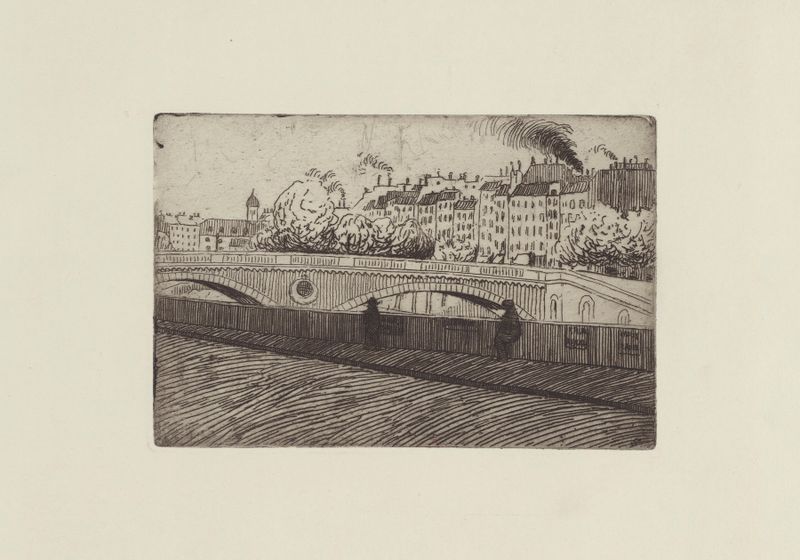
Le pont St Michel
Félix Vallotton
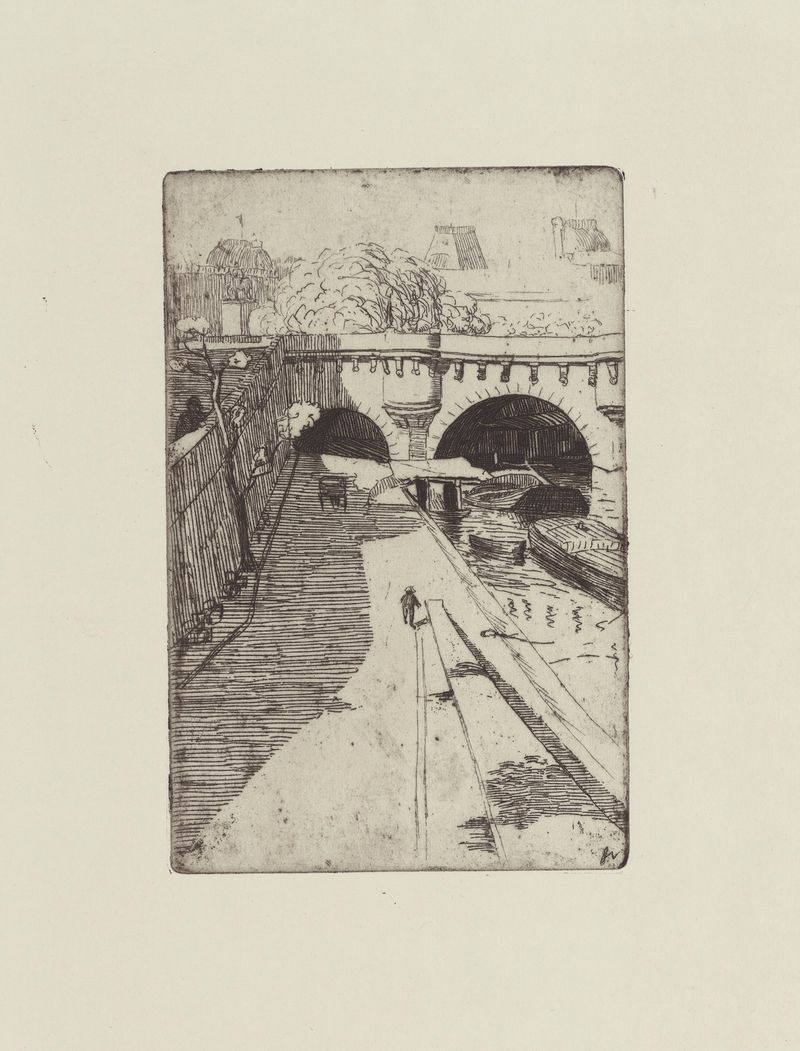
Le Vert-Galant
Félix Vallotton
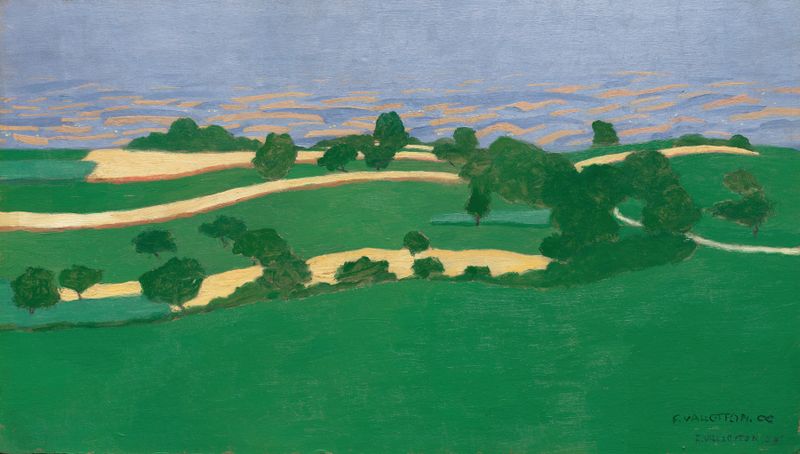
Corn Fields
Félix Vallotton
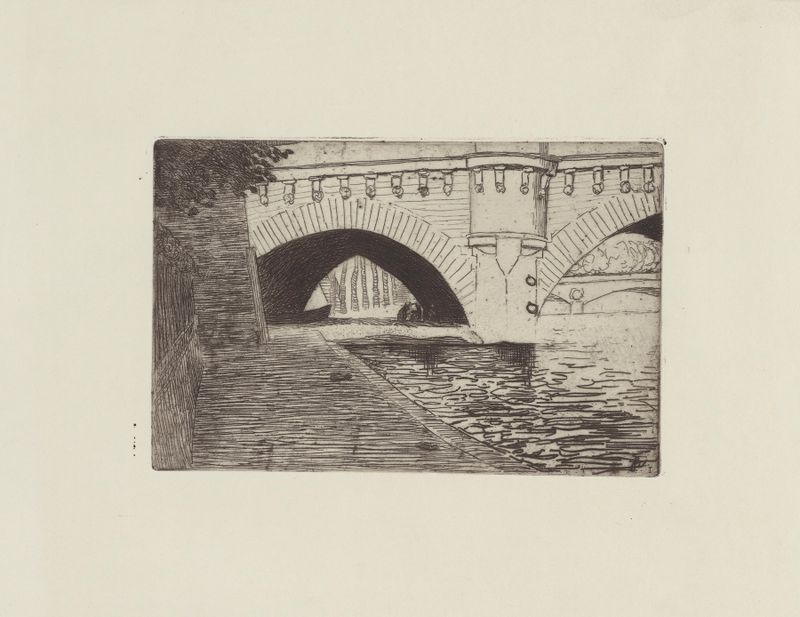
Le Pont-Neuf et le pont St Michel
Félix Vallotton
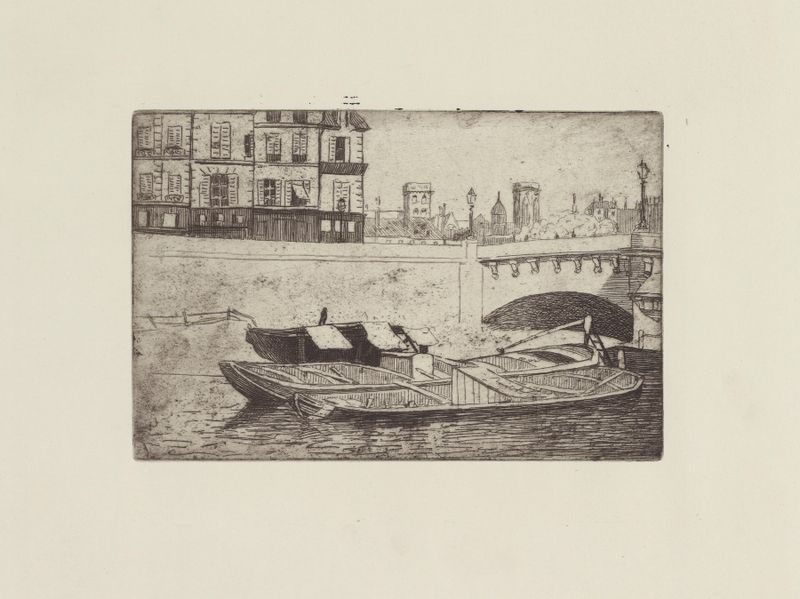
Péniches au Pont-Neuf
Félix Vallotton
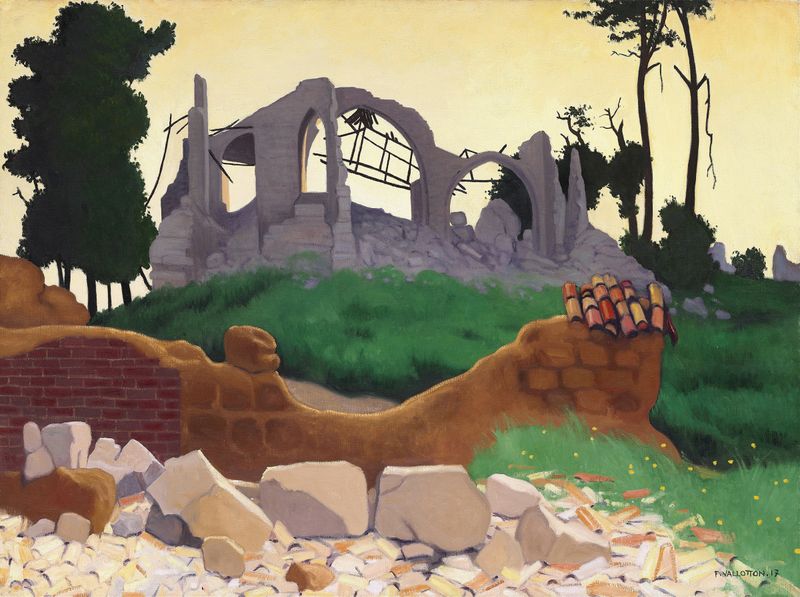
The Church of Souain
Félix Vallotton
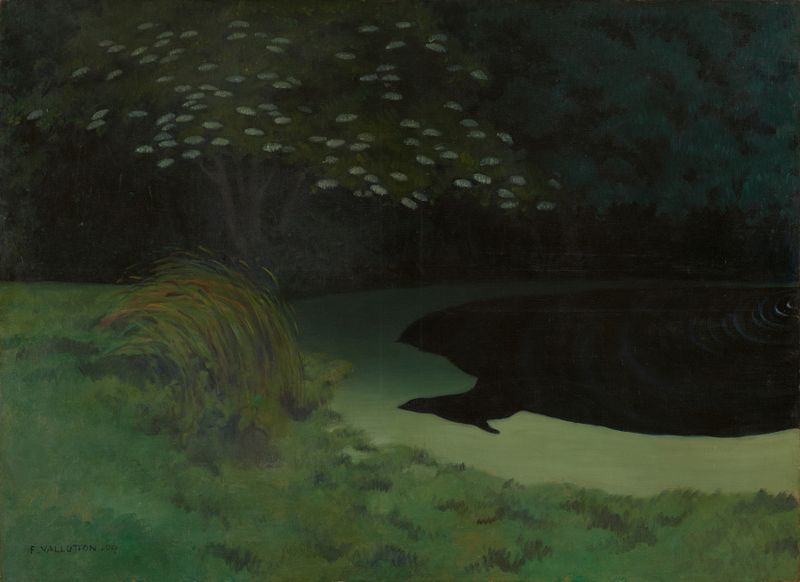
The Pond (Honfleur)
Félix Vallotton
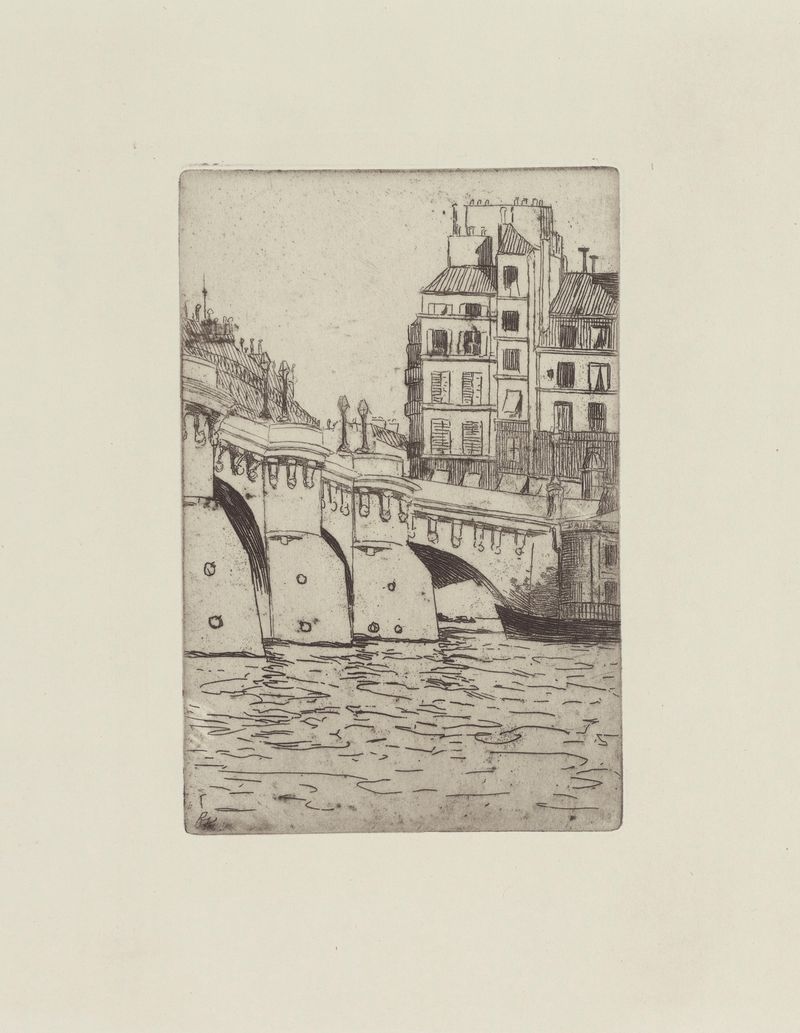
Les bains du Pont-Neuf
Félix Vallotton
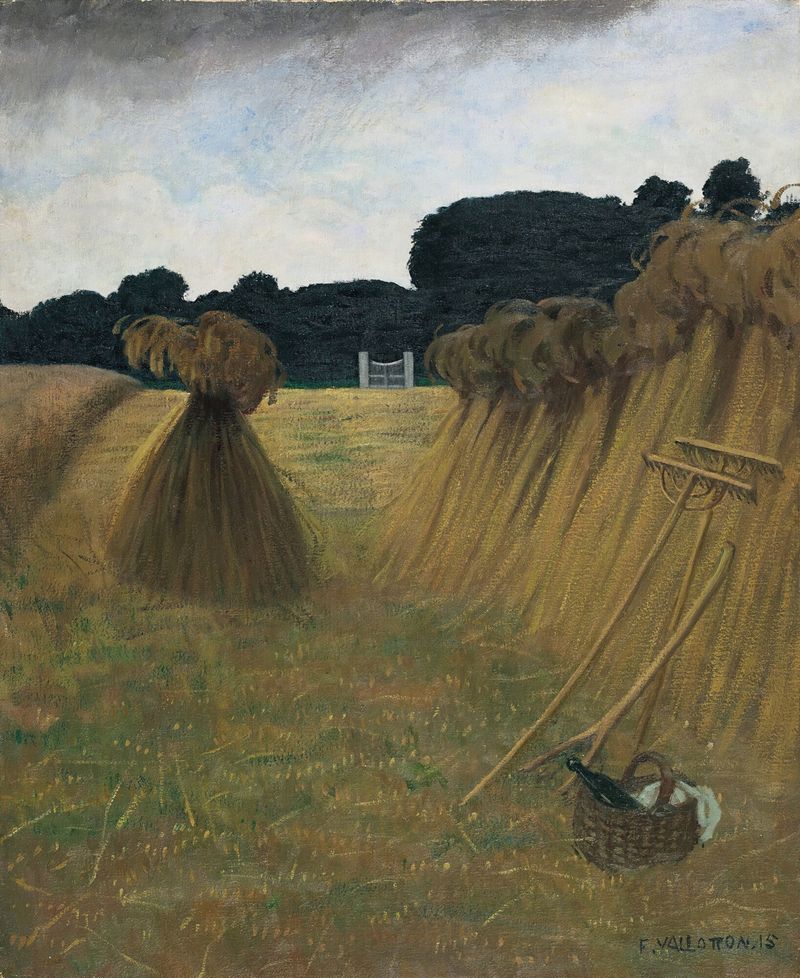
The Sheaves
Félix Vallotton
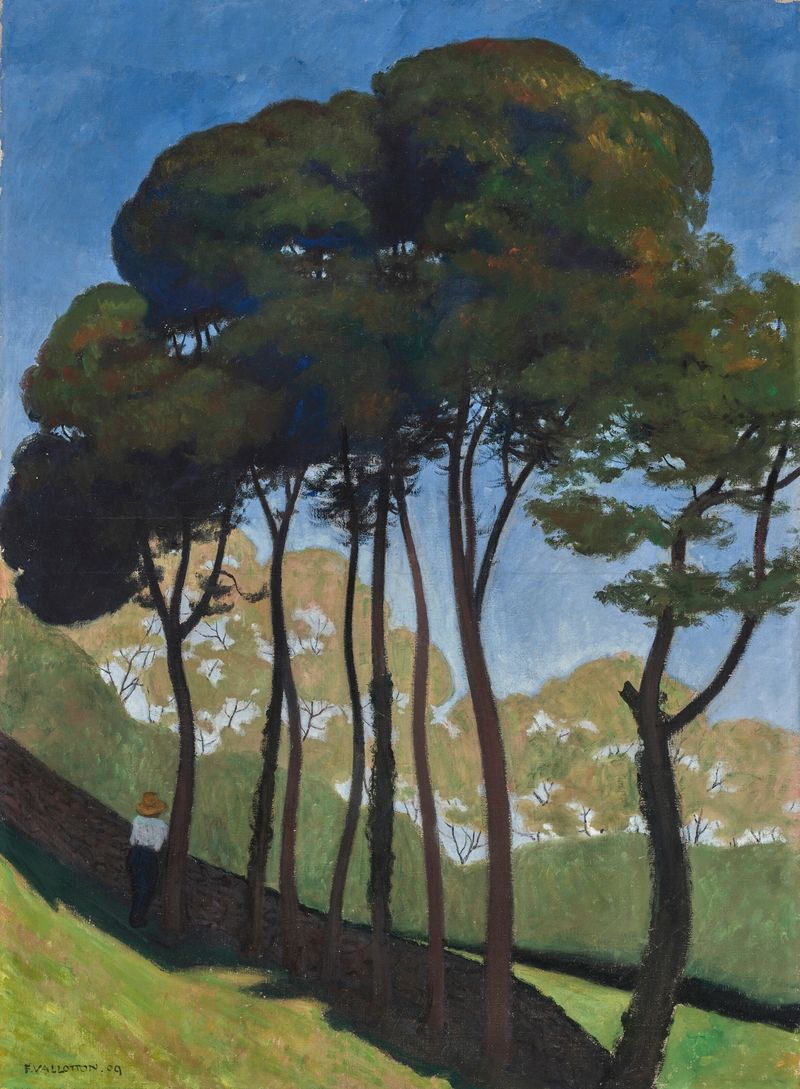
Les Grands Arbres, environs d’Honfleur
Félix Vallotton