
Les Jardins de Venise — History & Facts
Could beauty survive in a century of chaos? Within the tranquil embrace of Les Jardins de Venise, a serene landscape beckons, whispering secrets of a bygone era. Look to the gentle curve of the canal, where the placid water mirrors the delicate hues of a fading sunset. The gardens, lush with verdant greens, breathe life into the canvas, contrasting sharply against the stillness of the water. Notice the meticulous brushstrokes that create a vibrant tapestry of flora, inviting the eye to wander through the intricate pathways while the soft, golden light casts a dreamlike aura over the scene. Yet, amidst this apparent tranquility lies a profound emptiness.
The absence of figures amplifies the solitude, evoking a sense of longing and introspection. Every blooming flower hints at the beauty that flourished in times of peace, while the still waters reflect the unyielding passage of time—a reminder of the chaos that often encroaches upon such beauty. This juxtaposition of vibrancy and void invites contemplation on what has been lost and what remains. Ziem painted this work during a period of personal and artistic exploration, likely in the latter half of the 19th century when Venice's romantic allure captivated many artists.
The city, once a powerhouse of trade and culture, was now grappling with the tensions of modernity and the fading echoes of its glorious past. In this moment, the artist captured not only the beauty of the gardens but also the underlying melancholy of a world in transition.
More Artworks by Félix Ziem
Browse all →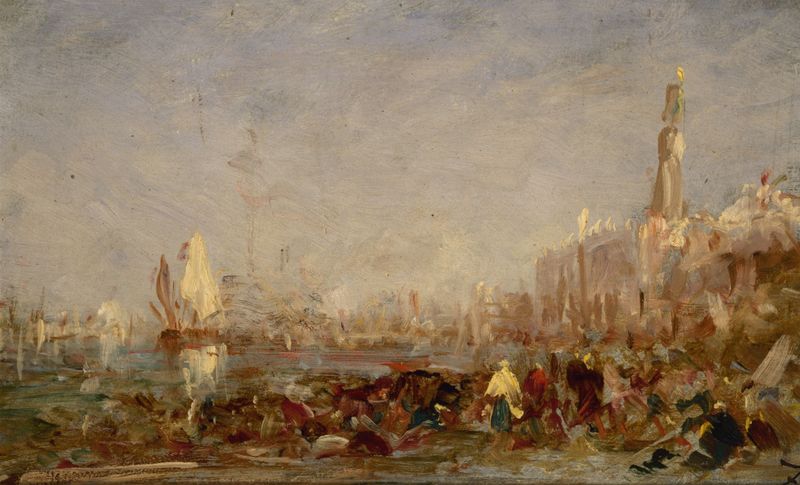
Venise
Félix Ziem
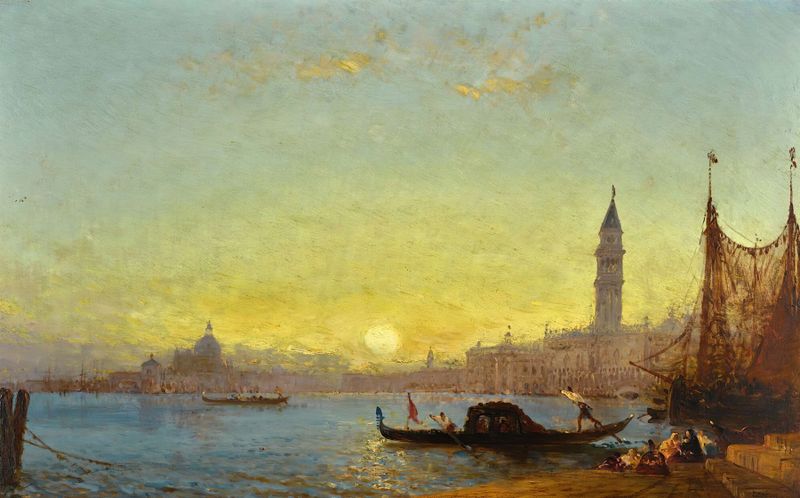
Coucher De Soleil À Venise
Félix Ziem
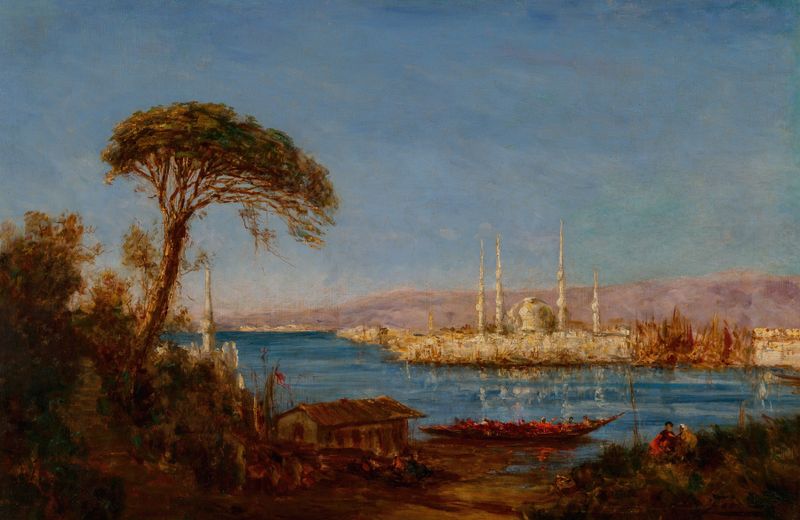
Constantinople
Félix Ziem
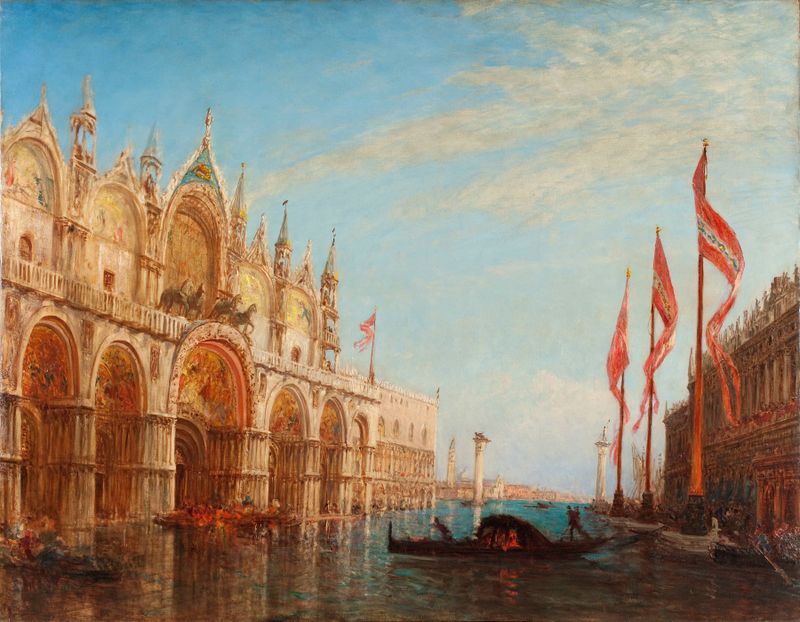
La place Saint-Marc, inondation de 1863
Félix Ziem
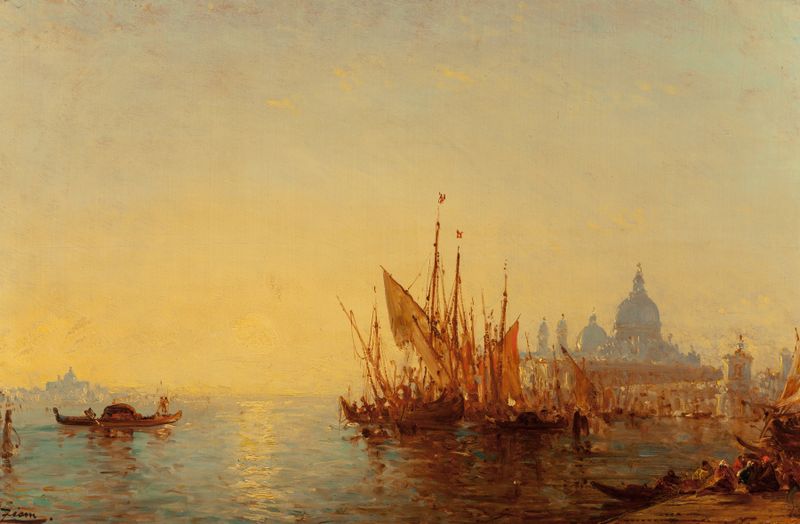
Bacino di San Marco
Félix Ziem
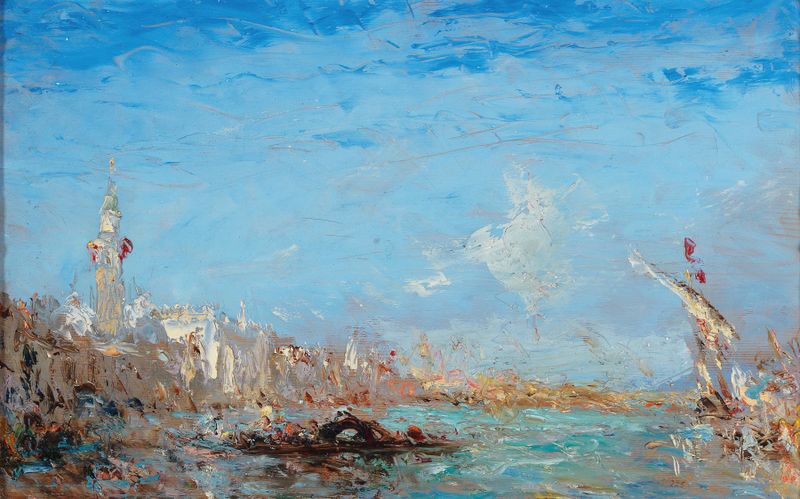
Canal Grande
Félix Ziem
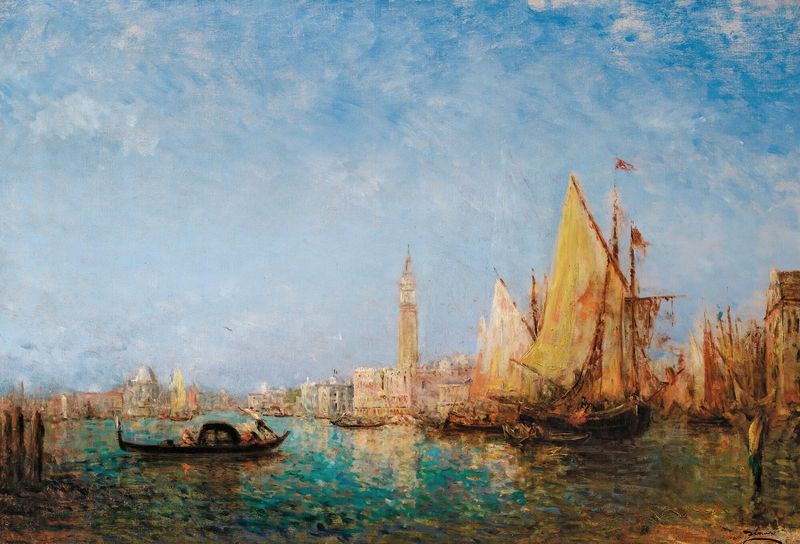
Le Palais Du Doge, Venise
Félix Ziem
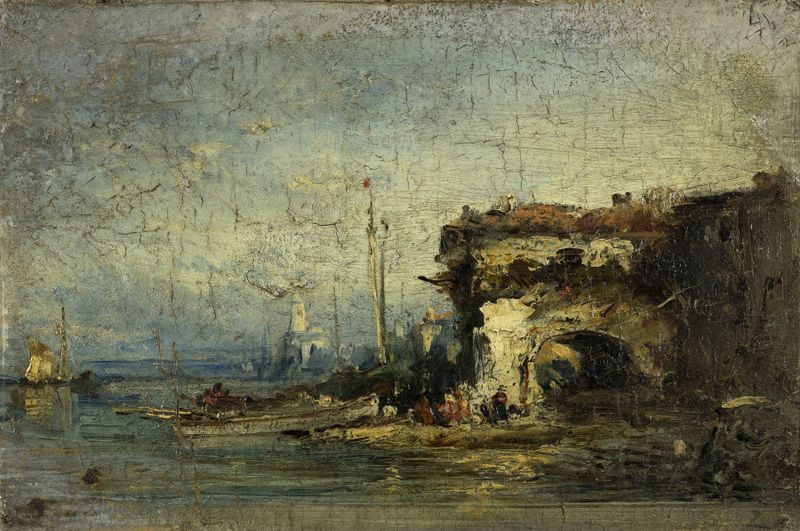
Vue d’Italie; la vieille porte
Félix Ziem
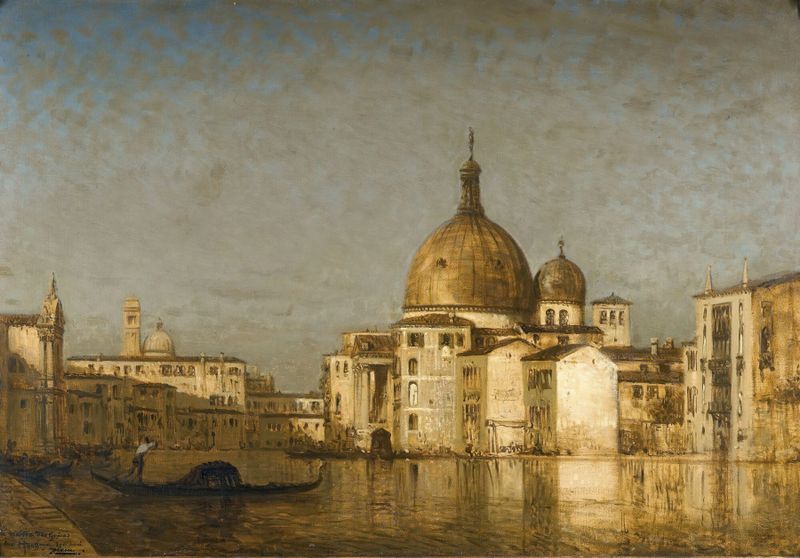
San Simeone Piccolo Au-Delà Du Grand Canal, Venis
Félix Ziem
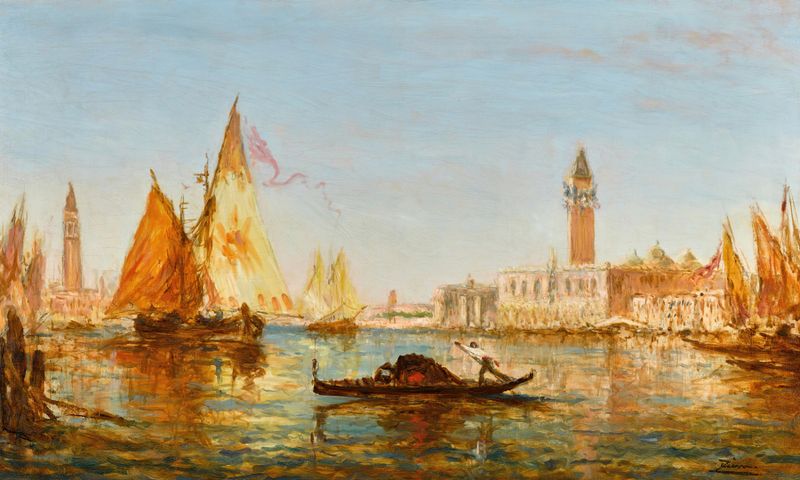
Venise, gondole et voiliers devant le Palais des doges et San Giorgio Maggiore
Félix Ziem





