Discover insights about this artwork
Les quatre saisons – L’été — History & Facts
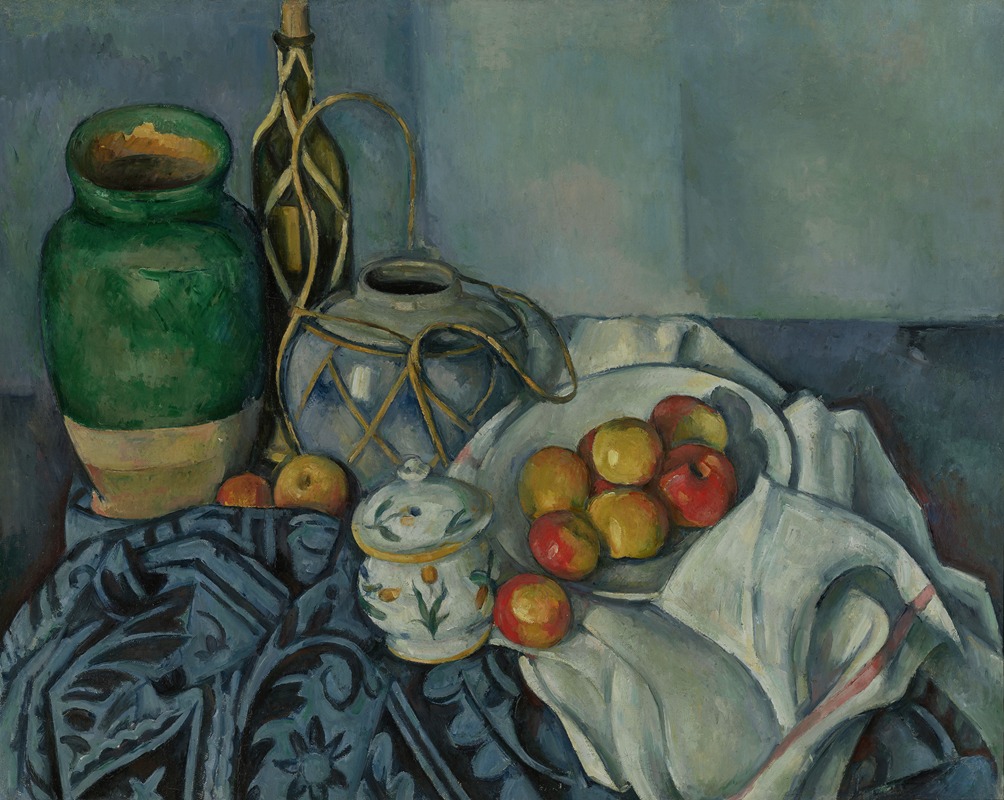
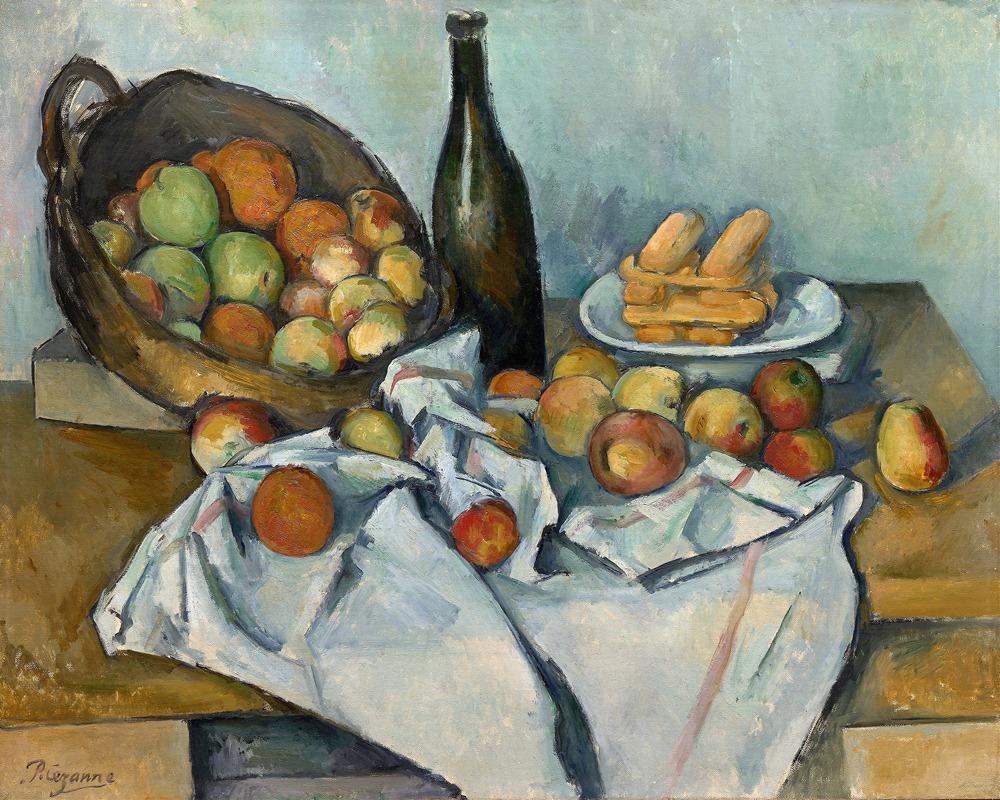
In Les quatre saisons – L’été, Paul Cézanne presents a vibrant summer scene filled with lush greenery and colorful fruits. The painting features a table adorned with a variety of summer produce, including peaches and apples, set against a backdrop of rich foliage. The colors are bright and warm, capturing the essence of a sunny day.
The composition is lively, inviting viewers to experience the abundance of summer. Cézanne's technique in this painting showcases his unique brushwork and use of color. The application of paint is thick and textured, giving the fruits a three-dimensional quality. The interplay of light and shadow creates depth, enhancing the overall vibrancy of the scene.
This work exemplifies Cézanne's transition from Impressionism to Post-Impressionism, focusing on form and structure. Paul Cézanne, a pivotal figure in the transition to modern art, created Les quatre saisons – L’été during the late 19th century. This work is part of a series that explores the four seasons, each represented through different themes and colors. Interestingly, Cézanne often painted still lifes in his studio, allowing him to experiment with composition and color.
His approach laid the groundwork for future artists, influencing movements such as Cubism.
More Artworks by Paul Cézanne
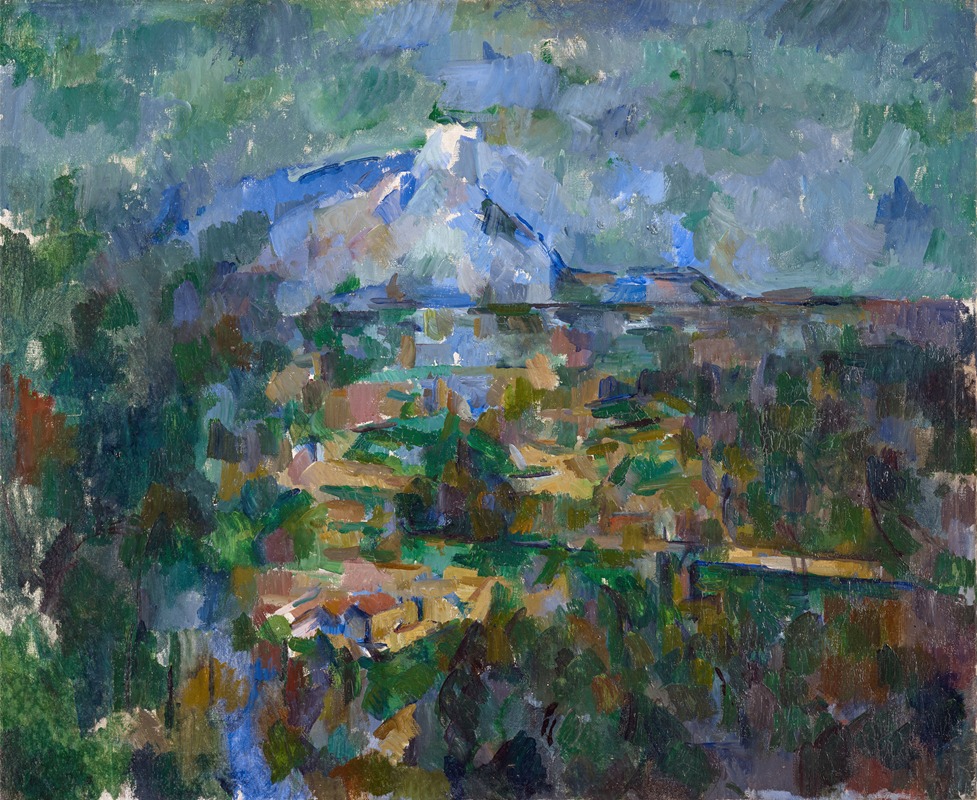
The Mont Sainte-Victoire Seen From Les Lauves
Paul Cézanne
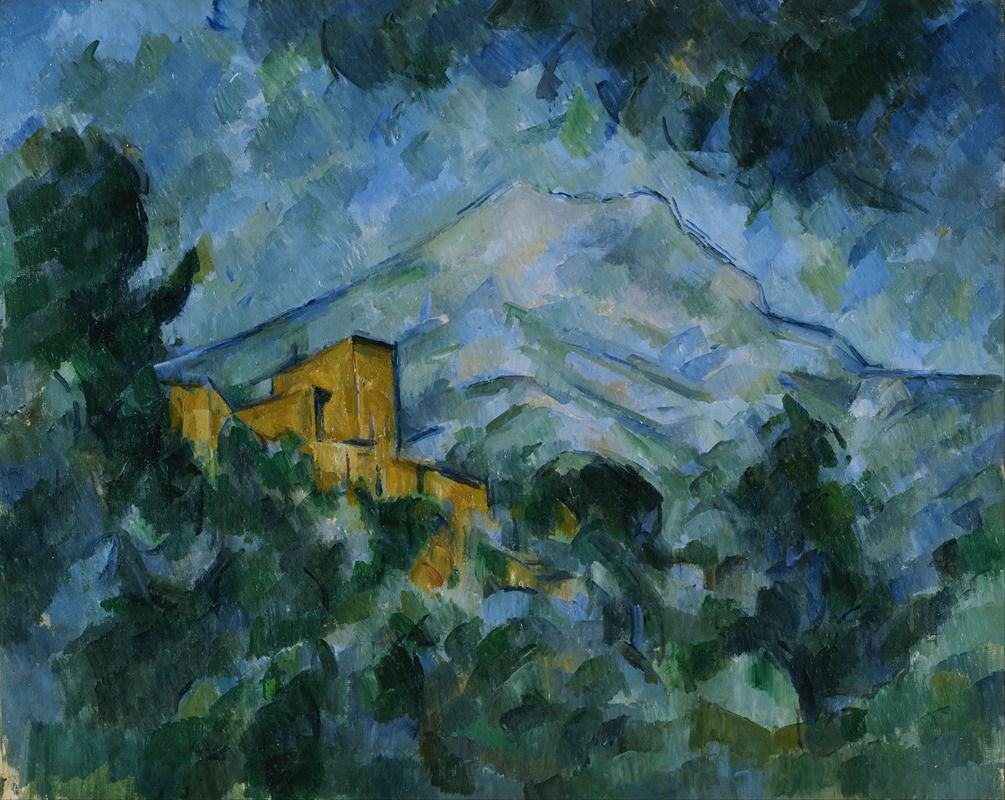
Mont Sainte-Victoire and Château Noir
Paul Cézanne
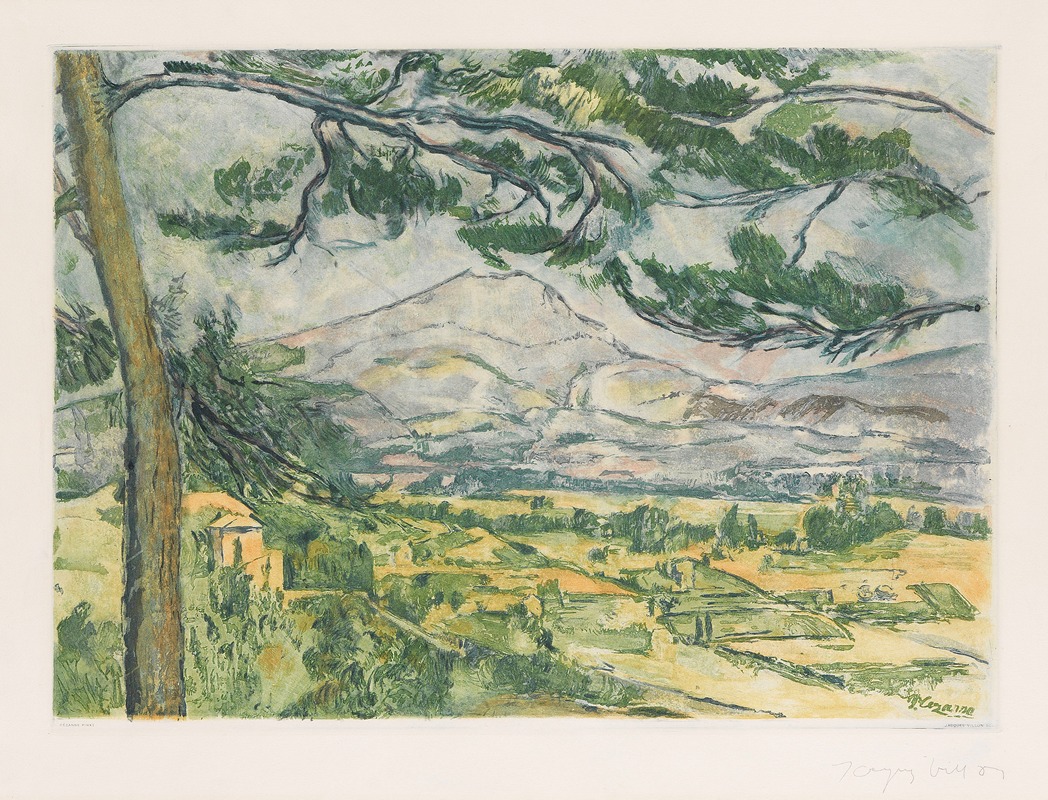
La Montagne Sainte-Victoire
Paul Cézanne
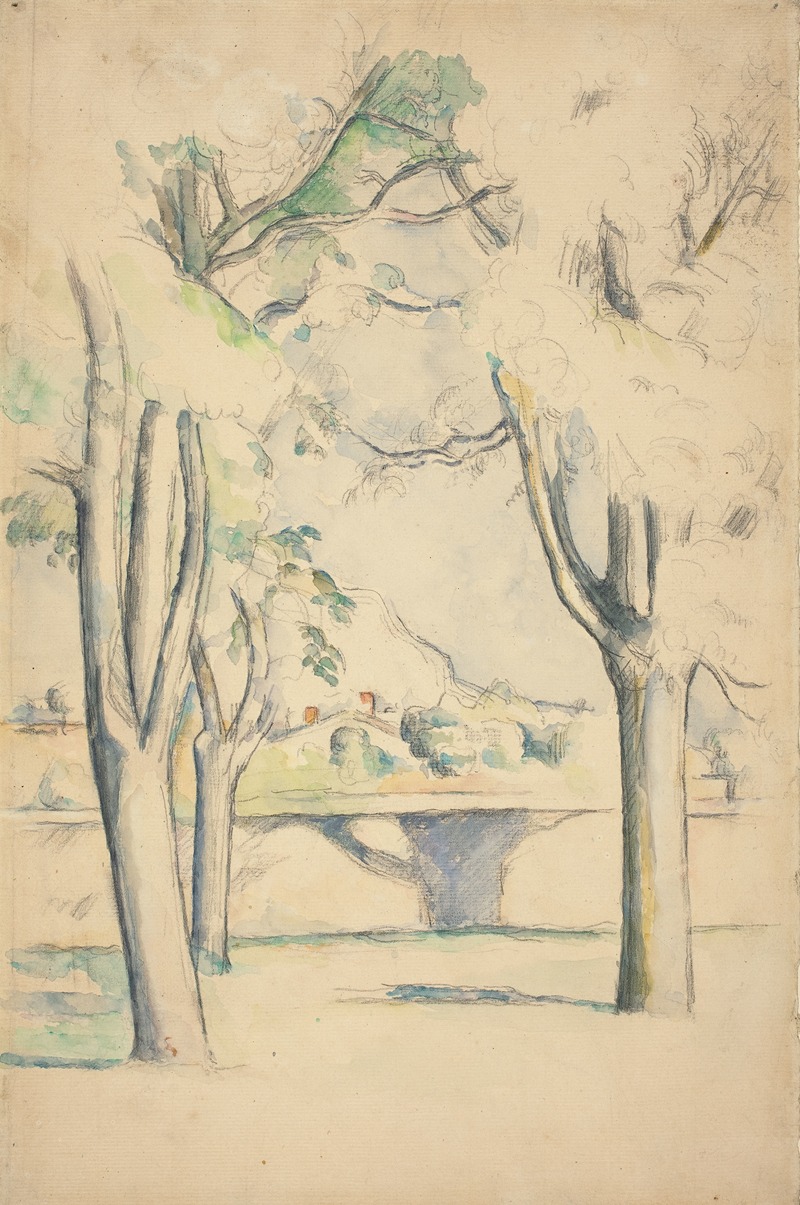
Mont Sainte-Victoire Seen beyond the Wall of the Jas de Bouffan
Paul Cézanne
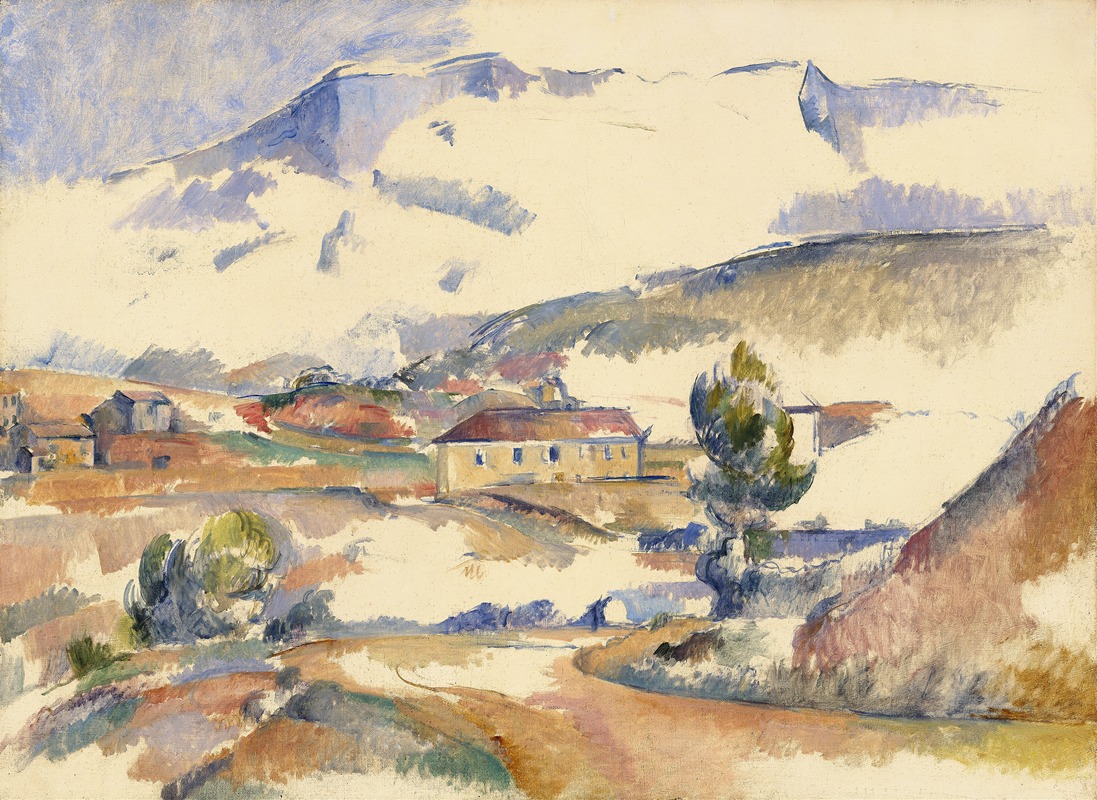
Montagne Sainte-Victoire,from near Gardanne
Paul Cézanne
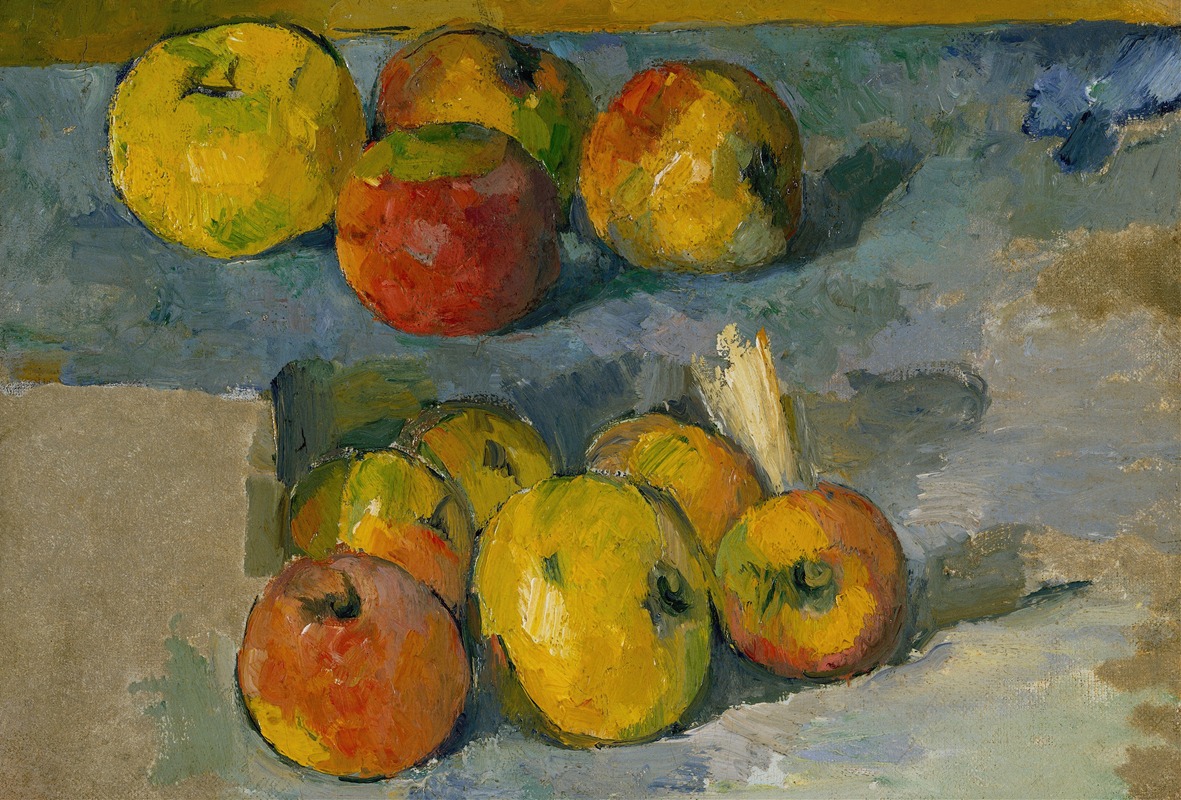
Apples
Paul Cézanne
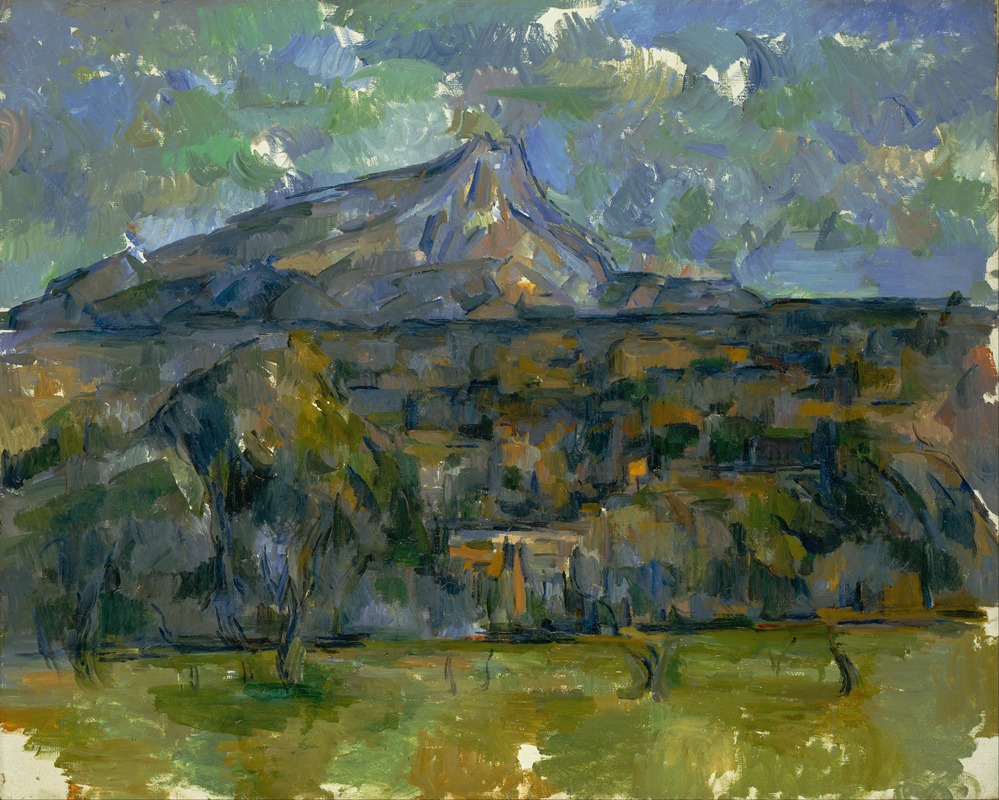
Mont Sainte-Victoire
Paul Cézanne
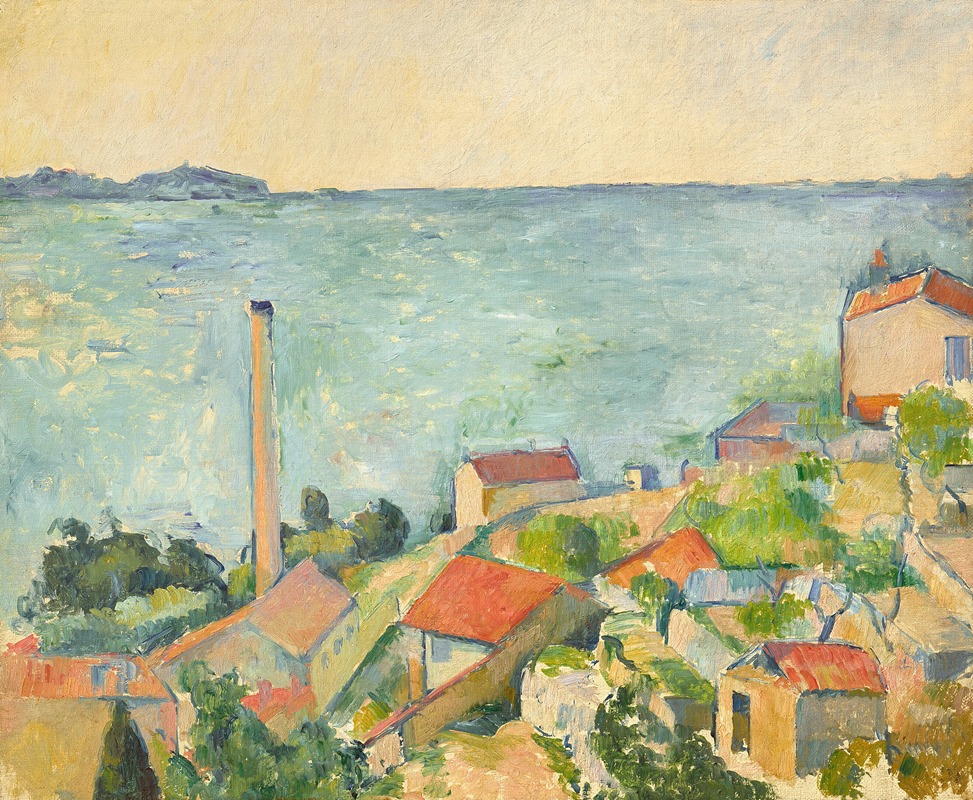
La mer à l’Estaque
Paul Cézanne
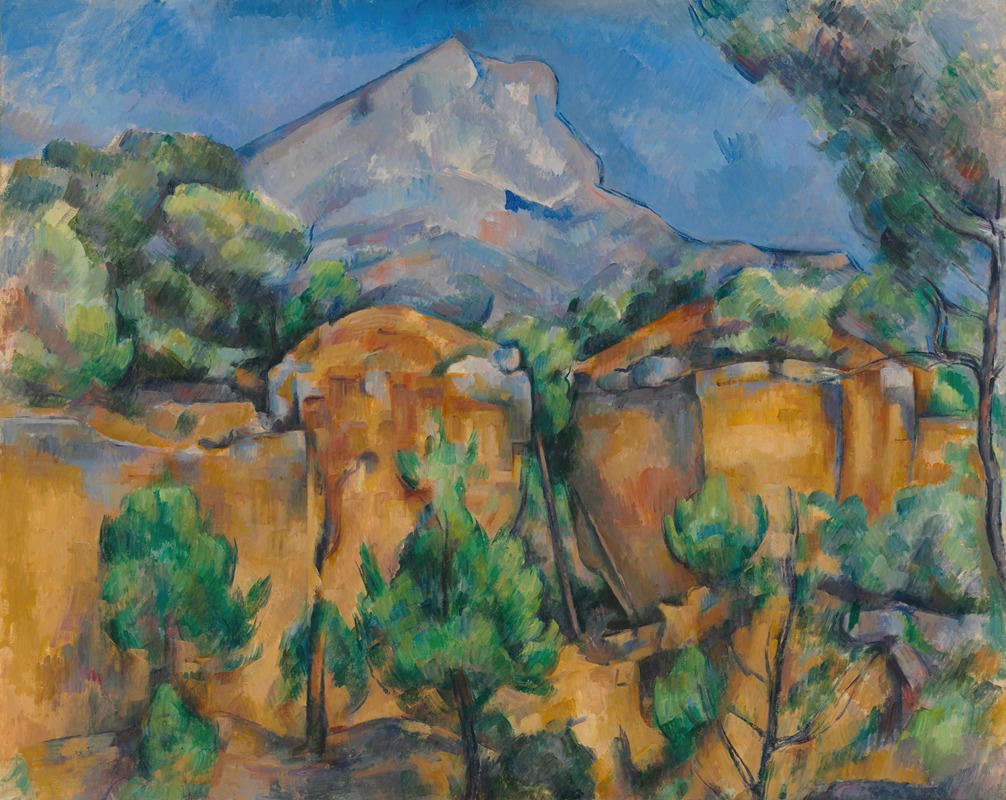
La Montagne Sainte-Victoire vue de la carrière Bibémus
Paul Cézanne
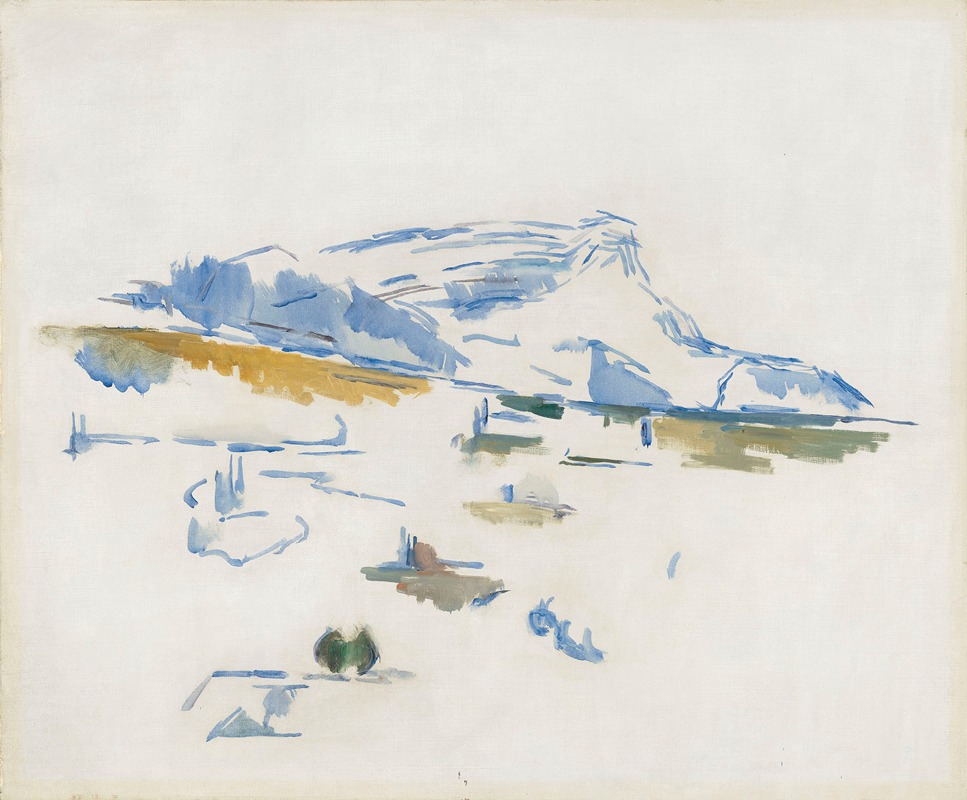
La Montagne Sainte-Victoire vue des Lauves
Paul Cézanne