
Les Rochers rouges — History & Facts
In that waiting, one can sense the weight of loss and the echoes of what has been left behind. Look carefully at the vibrant reds and oranges sweeping across the canvas. Notice how they embody both the fury and tenderness of nature, drawing your eyes toward the rocky formations at the center. The brushstrokes are bold and energetic, suggesting movement, yet they also contain a stillness that feels haunting.
Light spills over the scene, illuminating not just the rocks but the shared silence of the landscape, creating a juxtaposition between warmth and the cold, unyielding presence of the stones themselves. Delve deeper into the contrasts held within this work. The jagged forms of the rocks stand resilient against the soft hues of the sky, evoking a sense of struggle between grief and acceptance. The way the colors blend together hints at a deeper emotional turmoil—a reflection of the artist's own life experiences.
Each stroke, seemingly chaotic, holds an underlying order, mirroring the complexities of loss and the journey toward healing. In 1896, when this piece was painted, Guillaumin was navigating both personal challenges and the evolving world of Impressionism. Living in a time of artistic rebellion, he sought to capture the raw beauty of his surroundings while grappling with his emotions. This work emerged during a productive phase in his career, as he began to establish his identity beyond the shadows of his contemporaries, illustrating a moment where art transformed grief into a vibrant expression of life.
More Artworks by Armand Guillaumin
Browse all →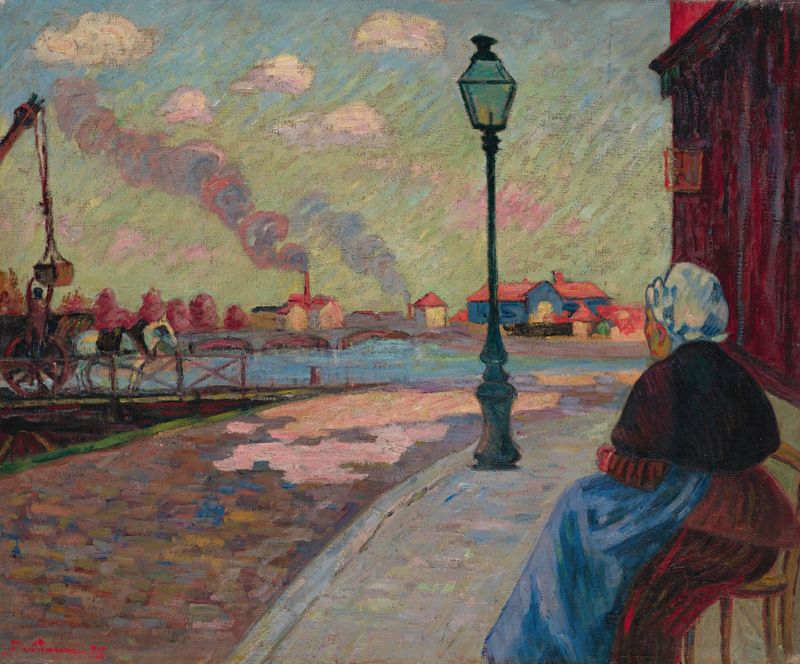
La Seine À Charenton
Armand Guillaumin
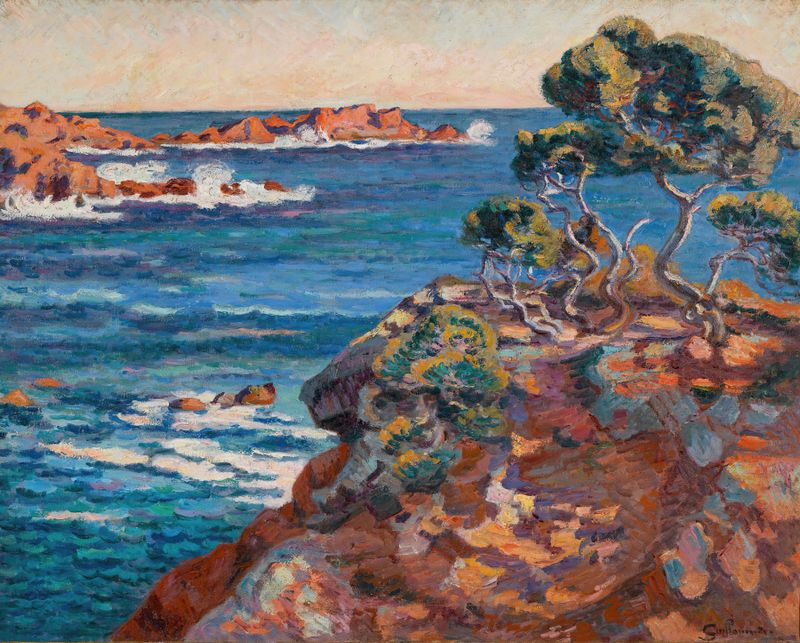
Bord De Mer À Agay
Armand Guillaumin
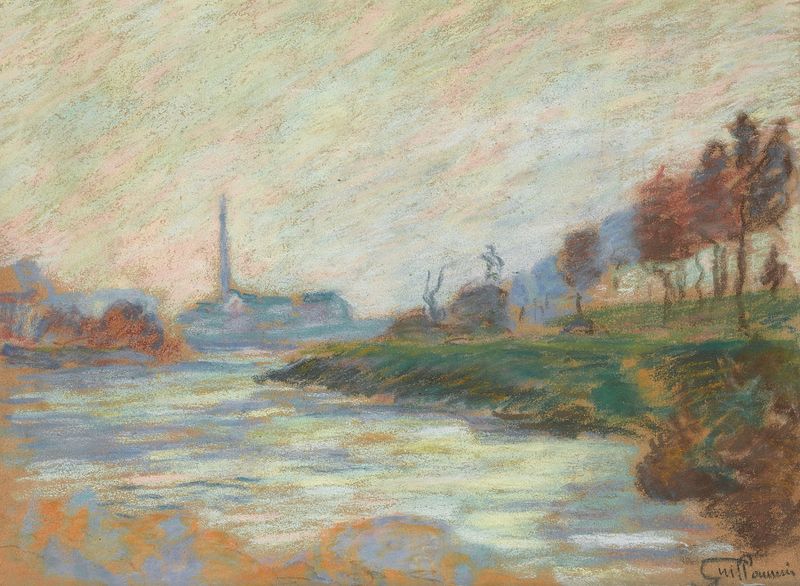
Confluent De La Marne Et De La Seine, Île De La France
Armand Guillaumin

Le Ravin de la folie, vue de Chateau Crozant
Armand Guillaumin
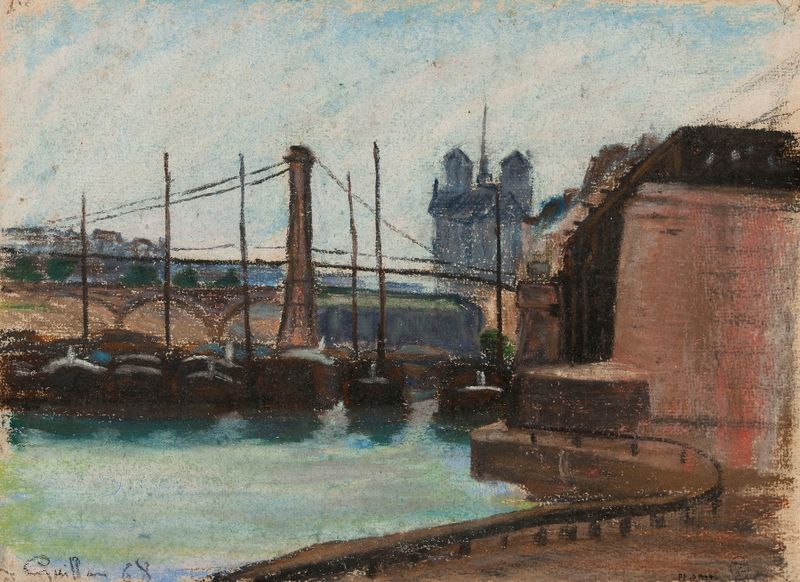
Le Pont d’Austerlitz
Armand Guillaumin

Paysage de Printemps
Armand Guillaumin
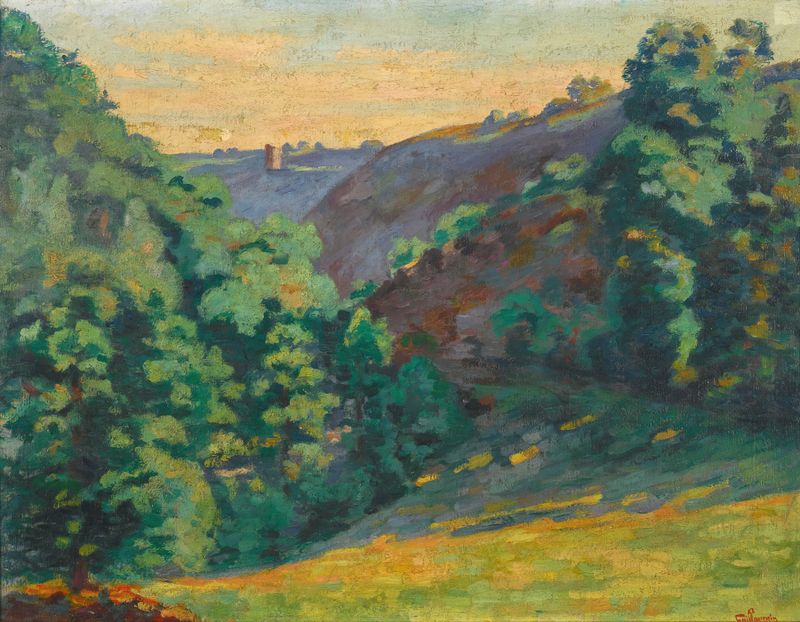
Crozant, Le Ravin De La Sedelle À La Folie
Armand Guillaumin
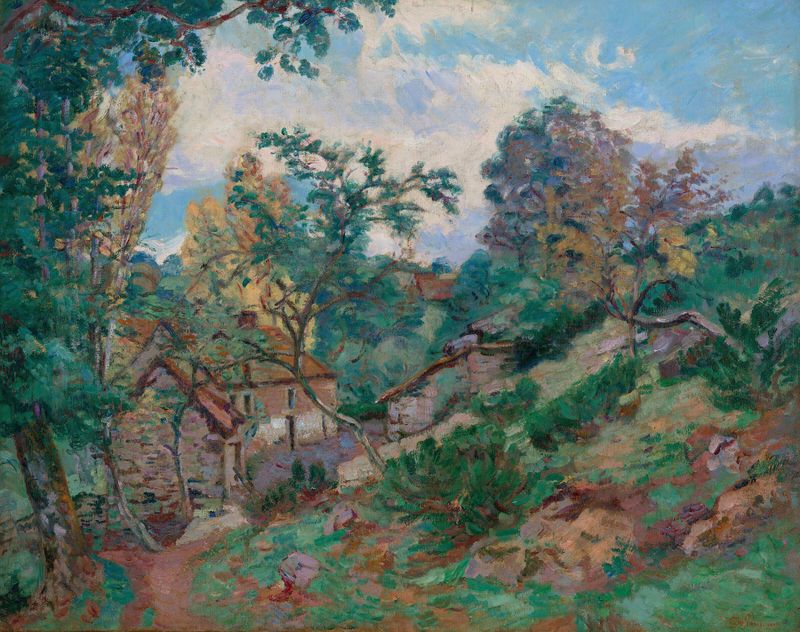
Paysage
Armand Guillaumin

La vallée de la creuse
Armand Guillaumin

L’Eglise Saint-Sulpice, Paris
Armand Guillaumin





