
Les Ruines Du Château De Crozant — History & Facts
In Les Ruines Du Château De Crozant, the artist melds memory and decay, inviting us to confront mortality through the remnants of a once-magnificent structure. Look to the left, where the crumbling walls rise against the soft, hazy sky, bathed in warm autumnal hues. The juxtaposition of vibrant oranges and deep greens creates a lush yet melancholic landscape, drawing the eye towards the ruins that seem to whisper stories of the past. Notice how the brushwork, both bold and delicate, captures the fleeting light as it dances across the foliage, highlighting the fragility of life amidst the passage of time. In this work, Guillaumin explores the interplay between beauty and transience.
The ruins symbolize not only lost grandeur but also the inevitable decline that accompanies existence. The vibrant colors contrast starkly with the desolate architecture, evoking a profound sense of nostalgia while suggesting resilience in the face of decay. This tension reflects on the broader human experience, where the memories of the past linger yet slip away like shadows in fading light. Created in 1898, during an era of personal introspection for Guillaumin, Les Ruines Du Château De Crozant emerged from his frequent visits to the region of Crozant, France.
The late 19th century was a transformative time in the art world, as Impressionism evolved, allowing the artist to embrace color and light in new ways. This period in his life coincided with an exploration of his identity as both an artist and a witness to the fleeting nature of existence.
More Artworks by Armand Guillaumin
Browse all →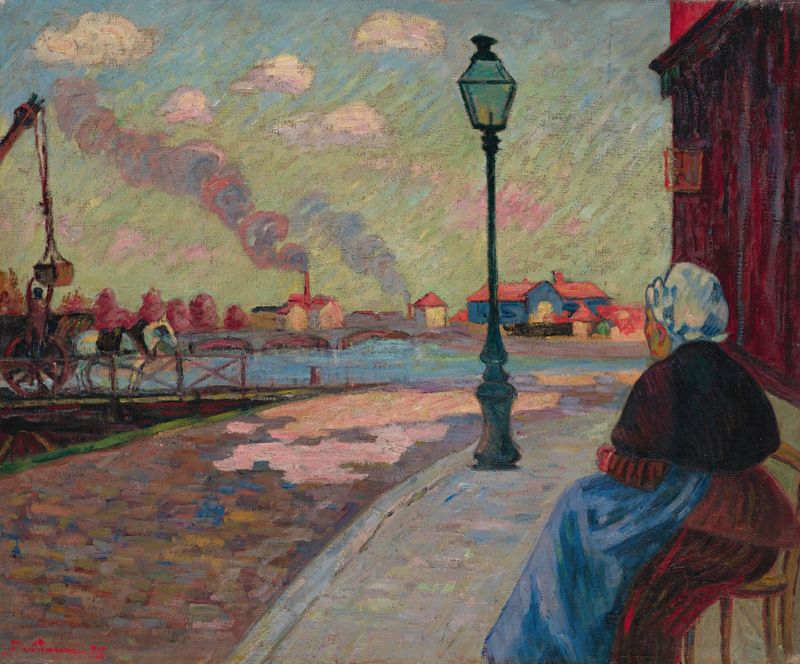
La Seine À Charenton
Armand Guillaumin
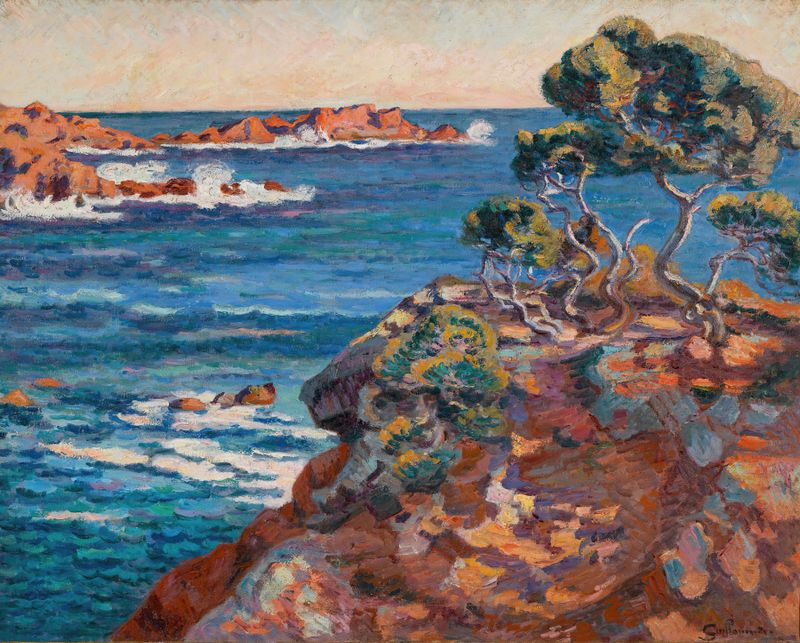
Bord De Mer À Agay
Armand Guillaumin
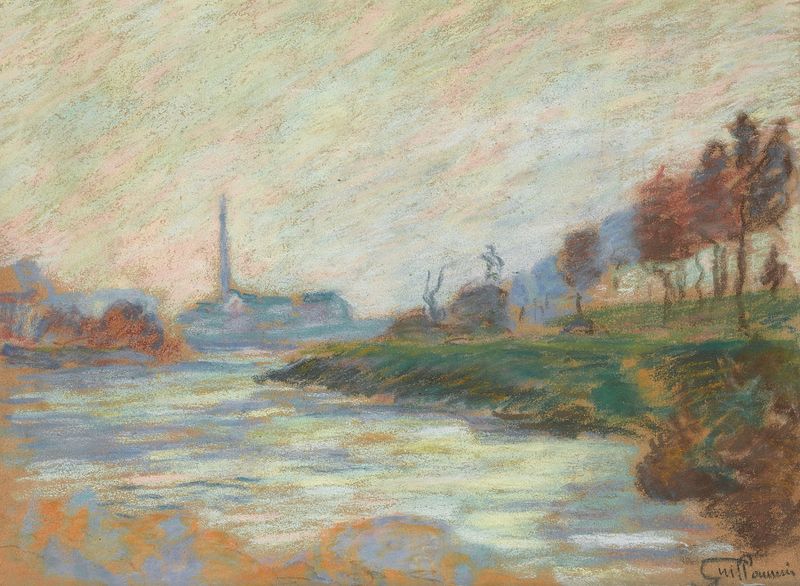
Confluent De La Marne Et De La Seine, Île De La France
Armand Guillaumin

Le Ravin de la folie, vue de Chateau Crozant
Armand Guillaumin
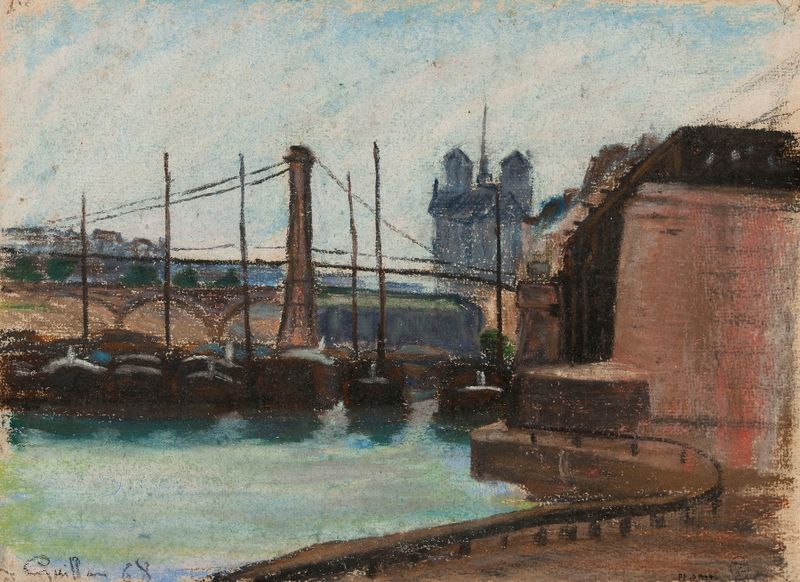
Le Pont d’Austerlitz
Armand Guillaumin

Paysage de Printemps
Armand Guillaumin
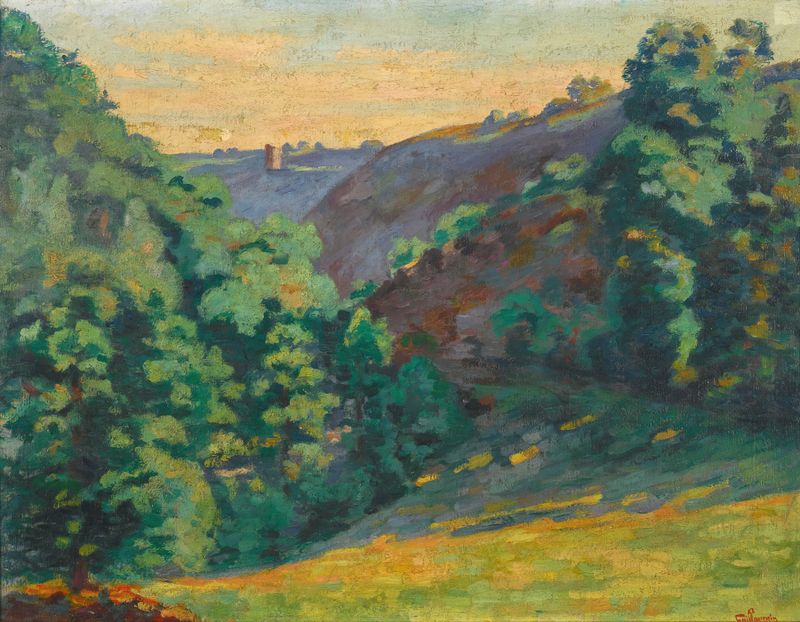
Crozant, Le Ravin De La Sedelle À La Folie
Armand Guillaumin
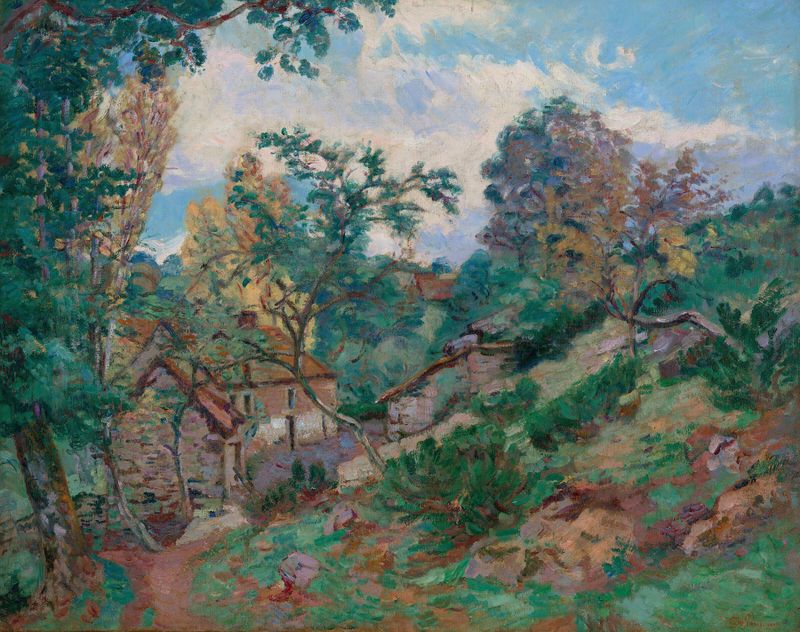
Paysage
Armand Guillaumin

La vallée de la creuse
Armand Guillaumin

L’Eglise Saint-Sulpice, Paris
Armand Guillaumin





