
Les trois cyprès — History & Facts
Could beauty survive in a century of chaos? In Les trois cyprès, the answer hangs delicately between shadow and light, capturing a poignant moment that resonates with both tranquility and underlying sorrow. Look to the foreground where the three cypress trees stand defiantly against a vivid sunset. Their dark silhouettes contrast dramatically with the fiery oranges and deep purples of the sky, creating a striking balance between the earth and the heavens. The brushwork is fluid yet deliberate, with strokes that weave a sense of movement among the clouds, while the stillness of the trees reminds us of resilience amid life's tempestuousness.
The composition draws the eye upward, inviting contemplation of the vast, expansive sky that envelops the scene. In this artwork, the cypress trees symbolize strength and endurance, often associated with mourning in art history. Their solemn presence invites viewers to reflect on the melancholic beauty that emerges from loss. The interplay of color evokes a transformation—where chaos and light coexist, suggesting a bittersweet acceptance of the fragility of beauty in a tumultuous world.
Each branch seems to reach out toward the infinite, embodying a yearning that transcends the physical horizon. Félix Ziem created Les trois cyprès in the 19th century, a period characterized by significant changes in the art world and society, including the rise of Romanticism and the Industrial Revolution. Working in Venice at the time, Ziem was influenced by the city’s enchanting landscapes and shifting light. His explorations reflect both the external beauty of nature and the internal struggles of an era marked by both innovation and upheaval.
More Artworks by Félix Ziem
Browse all →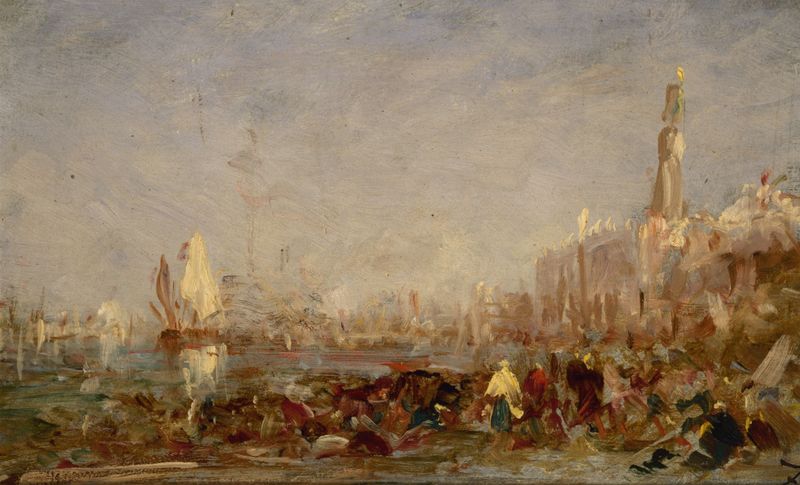
Venise
Félix Ziem
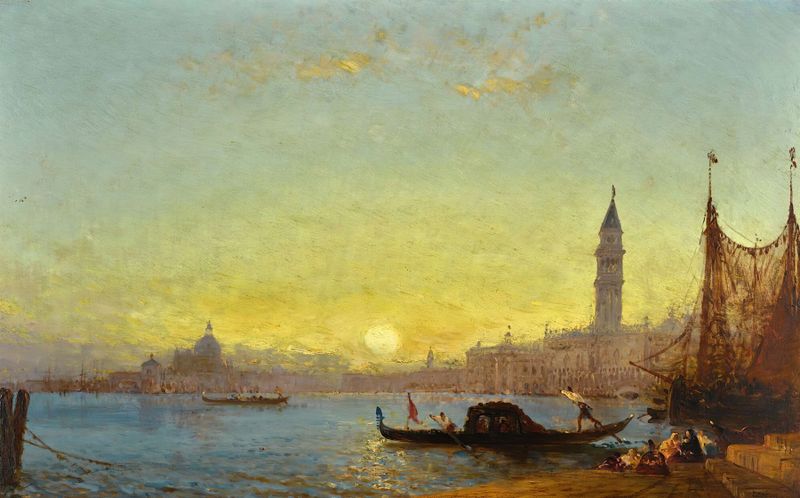
Coucher De Soleil À Venise
Félix Ziem
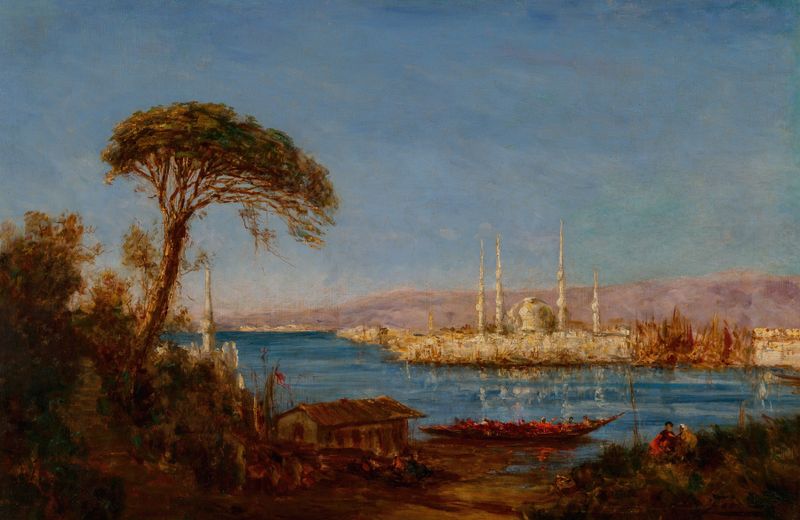
Constantinople
Félix Ziem
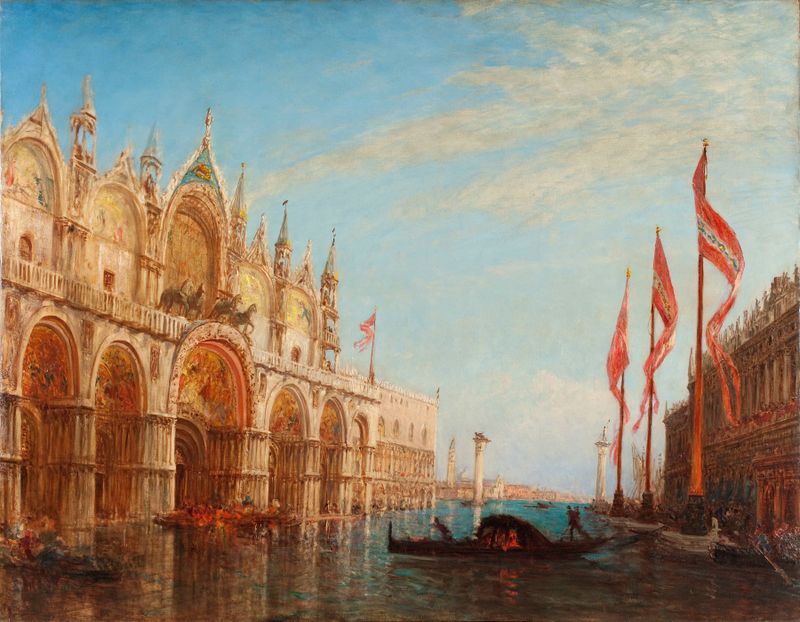
La place Saint-Marc, inondation de 1863
Félix Ziem
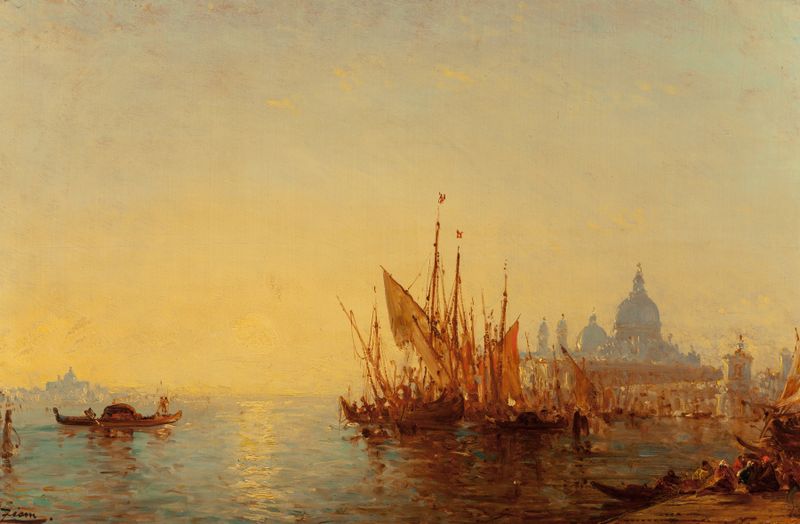
Bacino di San Marco
Félix Ziem
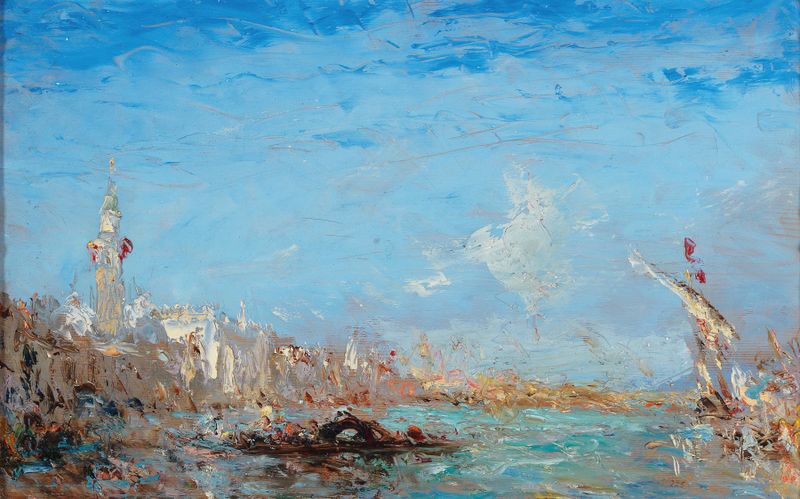
Canal Grande
Félix Ziem
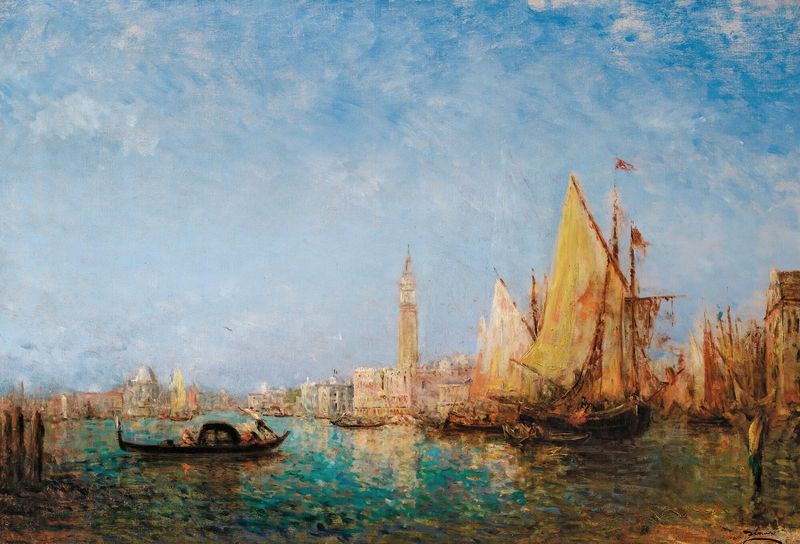
Le Palais Du Doge, Venise
Félix Ziem
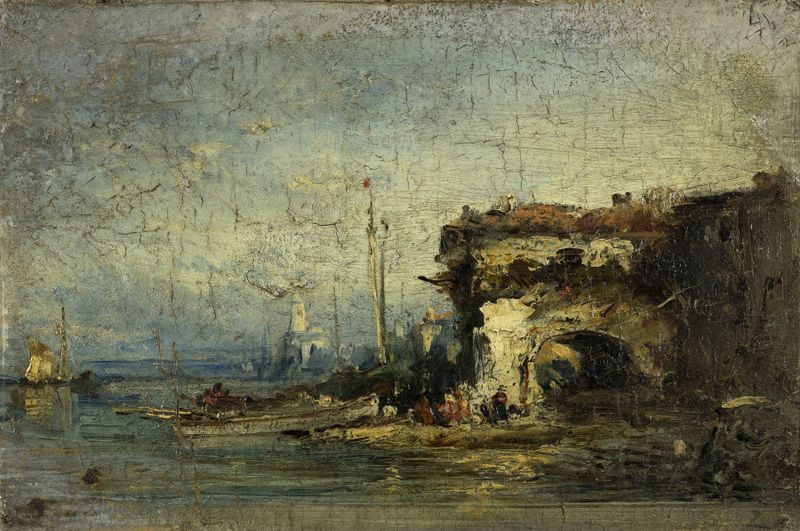
Vue d’Italie; la vieille porte
Félix Ziem
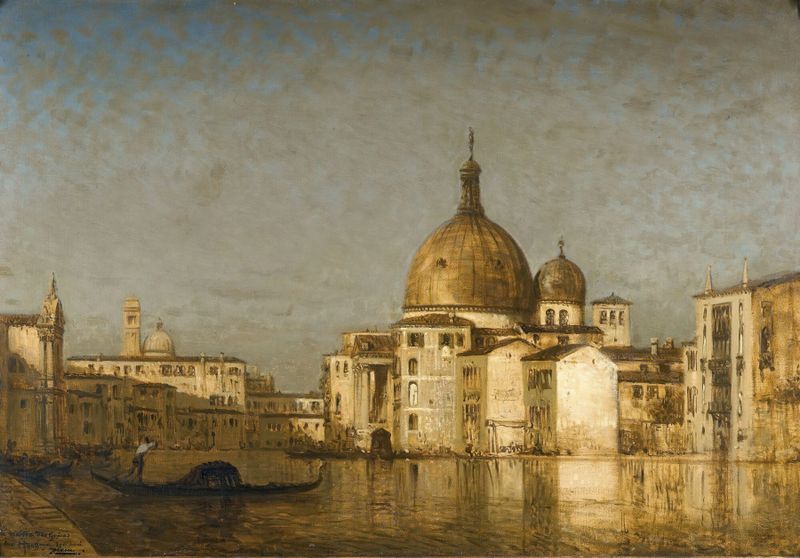
San Simeone Piccolo Au-Delà Du Grand Canal, Venis
Félix Ziem
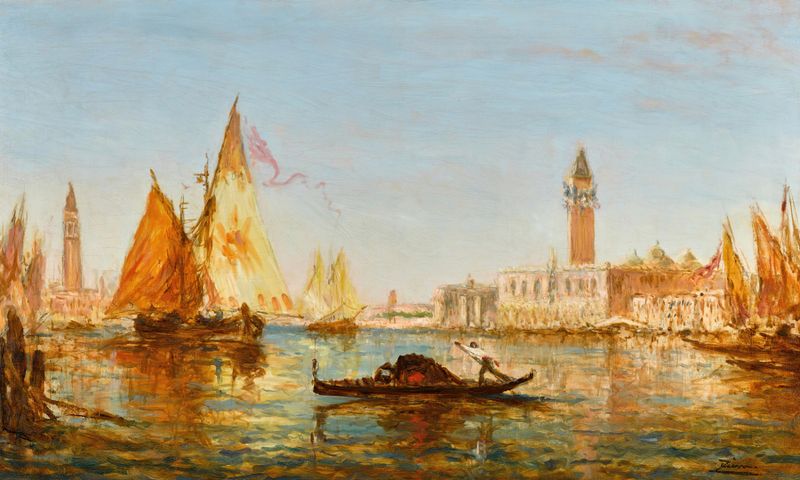
Venise, gondole et voiliers devant le Palais des doges et San Giorgio Maggiore
Félix Ziem





