
L’Escorte du président Wilson, place Saint-Augustin — History & Facts
Can beauty exist without sorrow? In the aftermath of World War I, the world stood at a fragile juncture, grappling with both hope and heartache. Amidst this tumultuous backdrop, art emerged as a vessel for revelation, capturing the complexities of the human experience. Look closely at the vibrant tableau unfolding in L’Escorte du président Wilson, place Saint-Augustin. The viewer is immediately drawn to the central figure of President Wilson, encircled by a throng of soldiers and citizens.
Notice how the warm hues of the streets contrast with the more somber attire of the onlookers, emphasizing the gravity of the moment. The bold brushwork and dynamic composition create a sense of movement, as if the scene is alive with anticipation and collective emotion. The sun casts dappled light across the façade of the church, illuminating the faces of those who gaze upon their leader, capturing a fleeting moment of unity. Beneath the surface, the painting reveals a profound tension.
The jubilant expressions of the crowd stand in stark contrast to the heavy weight of recent sacrifices, suggesting a bittersweet celebration of peace. The soldiers, clad in uniforms that echo the harsh realities of war, embody both pride and a somber remembrance. The juxtaposition of light and shadow throughout the piece reflects the dualities of hope and despair, underscoring the complex emotions of a society in transition. Created in 1918, Devambez painted this scene during the recovery from a devastating global conflict.
At this time, Europe was reshaping itself, and the artist was influenced by the fervent desire for peace and the emerging spirit of patriotism. His work stands as a historical document, capturing a pivotal moment when optimism battled the echoes of sorrow.
More Artworks by André Victor Édouard Devambez
Browse all →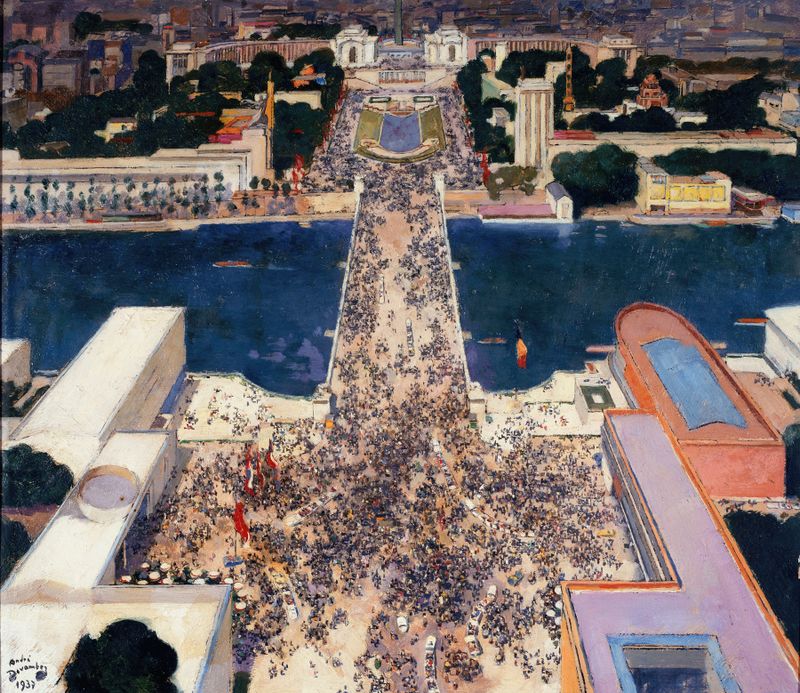
La colline de Chaillot pendant l’exposition Internationale de 1937, vue de la Tour Eiffel.
André Victor Édouard Devambez
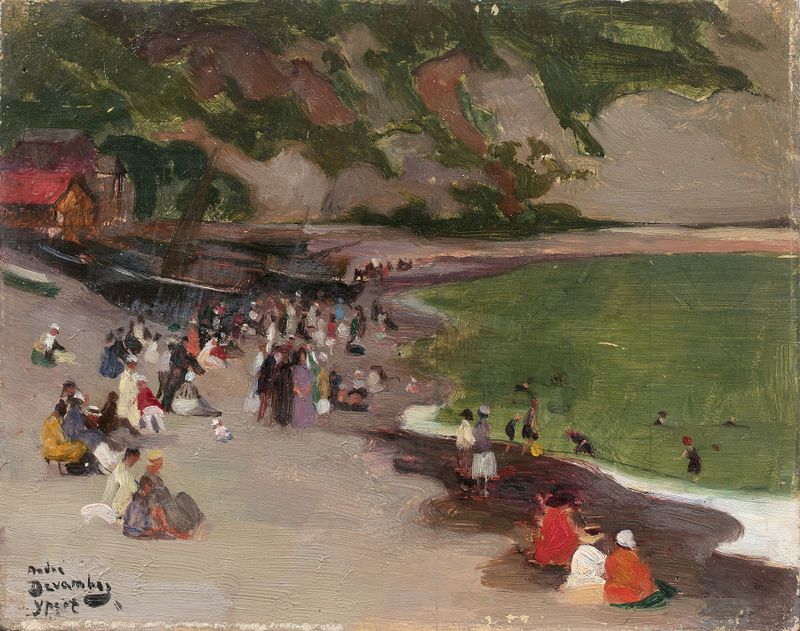
Vue animée de la plage d’Yport
André Victor Édouard Devambez

Afternoon tea in the shade
André Victor Édouard Devambez

Rixe sur une place de village, vue de haut
André Victor Édouard Devambez

L’Assaut
André Victor Édouard Devambez
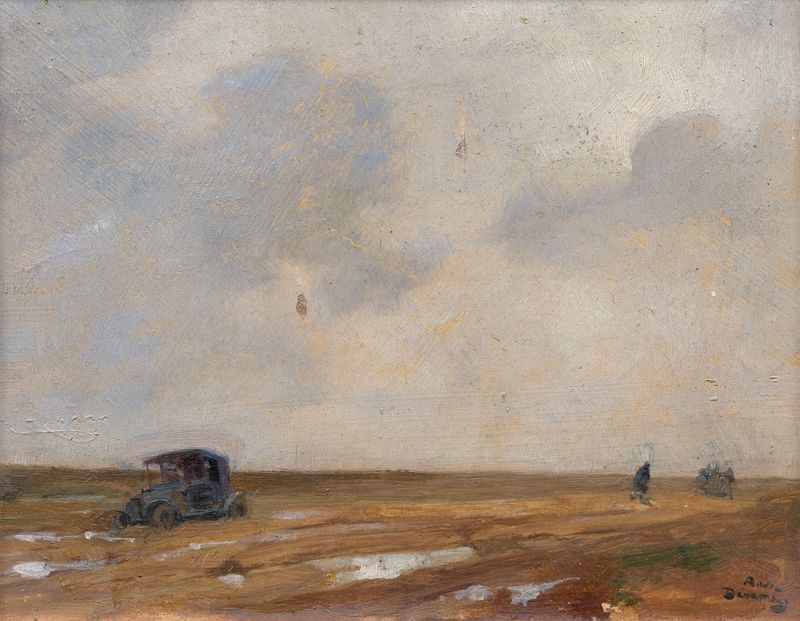
Le retour de classe
André Victor Édouard Devambez
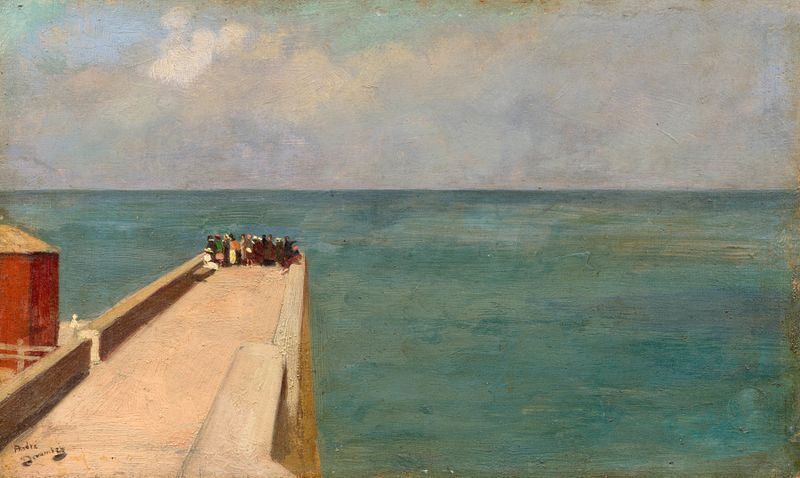
La jetée
André Victor Édouard Devambez

Ruines de la rue Mazel
André Victor Édouard Devambez

Ruines, rue Mautroté
André Victor Édouard Devambez
More Historical Art
Browse all →
The Night Watch Militia Company of District II under the Command of Captain Frans Banninck Cocq
Rembrandt van Rijn

Lincoln Memorial
Henry Bacon

The Third of May 1808
Francisco de Goya

Isaac and Rebecca, Known as ‘The Jewish Bride’
Rembrandt van Rijn

The Charge of the Mamelukes (1814)
Francisco de Goya

De vier ruiters van de apocalyps
Albrecht Dürer