
Lever De Lune Derrière L’église De La Bastide-Du-Vert — History & Facts
What secret hides in the quiet of the canvas? In Lever De Lune Derrière L’église De La Bastide-Du-Vert, the viewer is invited into a serene moment filled with innocence, where the moonlight spills over a tranquil village scene, cradling the earth in a gentle embrace. Look to the left at the softly illuminated church steeple, its silhouette a delicate outline against the ethereal sky. Notice how the moon casts a silver glow across the rooftops, drawing your eye to the delicate interplay of light and shadow. The palette is a soothing blend of blues and soft pastels, creating a dreamlike atmosphere that invites contemplation.
Each brushstroke seems to whisper the secrets of the night, a harmonious dance of color and form that highlights the beauty of simplicity. Beneath this tranquil exterior, one senses a profound contrast between the stillness of the scene and the tumultuous world beyond it. The innocent charm of village life stands in stark relief against the broader context of early 20th-century Europe, with the shadows of conflict looming on the horizon. The quietness of the moment becomes a poignant reminder of the fragility of peace and the fleeting nature of innocence, evoking both comfort and an unshakeable melancholy. Created in 1910, this piece reflects Henri Martin’s commitment to the Post-Impressionist movement, as he painted it in the South of France during a period marked by personal exploration and artistic growth.
At this time, he was navigating the transition between traditional methods and his evolving techniques, capturing light and color to evoke emotional depth. The painting is a testament to the artist's mastery of impressionistic landscapes, inviting viewers into a world where innocence reigns, if only for a moment.
More Artworks by Henri Martin
Browse all →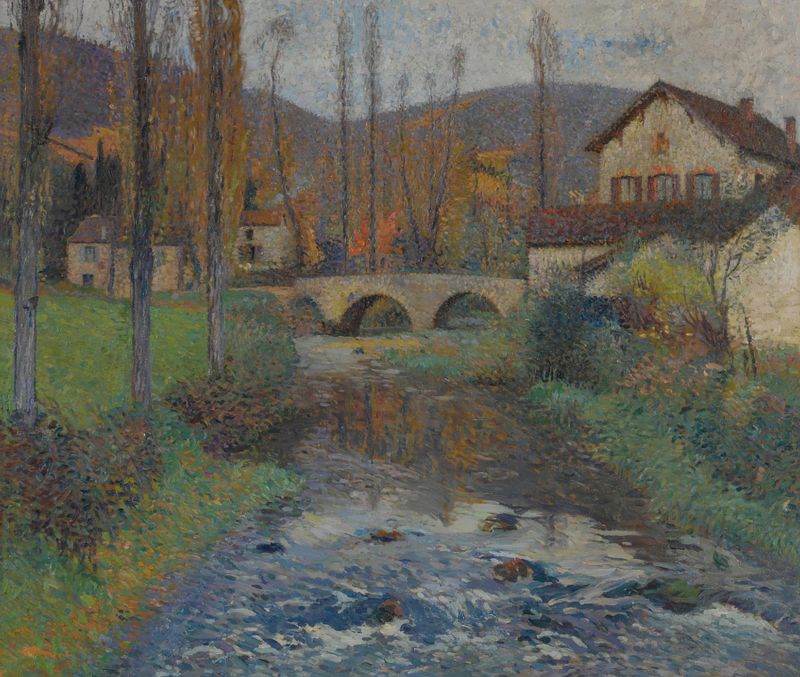
Le Pont du Labastide-du-Vert
Henri Martin

Le Pont de Labastide du Vert
Henri Martin

La Vallée Du Lot, Près De Saint-Cirq Lapopie
Henri Martin

Derniers Rayons, Une Ferme Dans Le Lot
Henri Martin

Vue de Labastide-du-Vert
Henri Martin
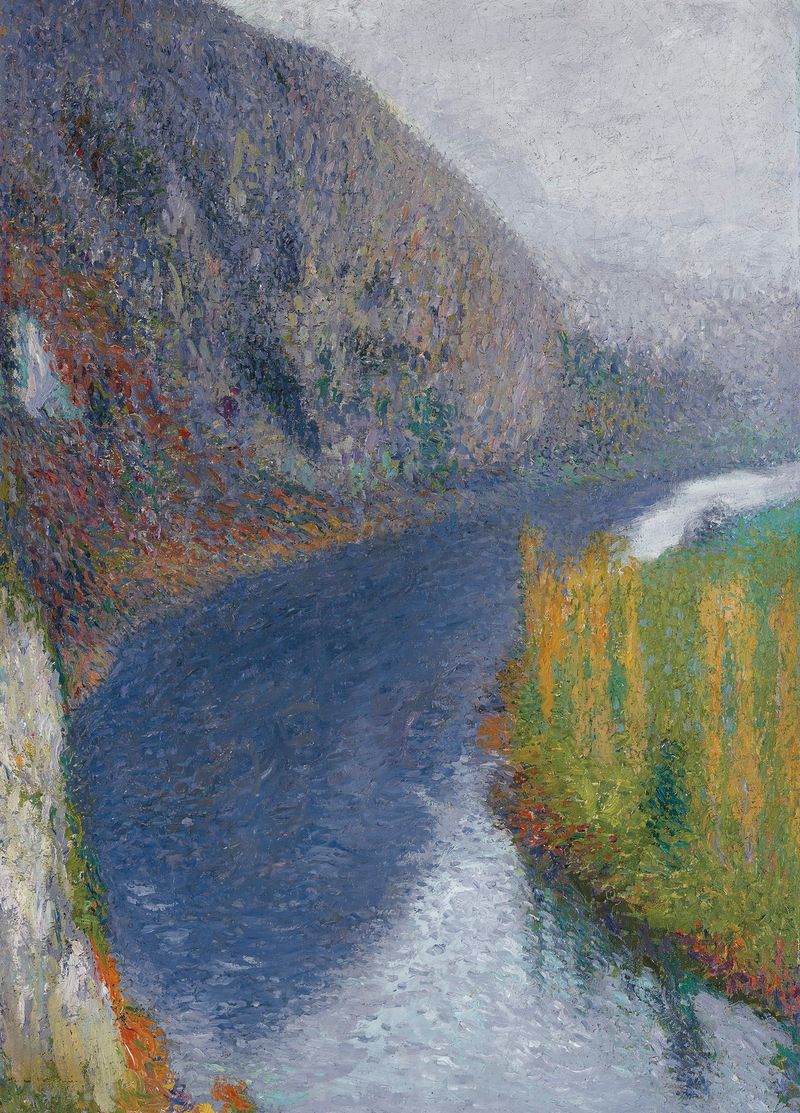
Le Lot au pied des falaises de St-Cirq-Lapopie
Henri Martin

Le lot aux pieds des falaises de Saint-Cirq-Lapopie
Henri Martin

L’église de Labastide-du-Vert avec le pont et la rivère, un soir d’automne
Henri Martin

Berger et ses moutons dans les causses
Henri Martin
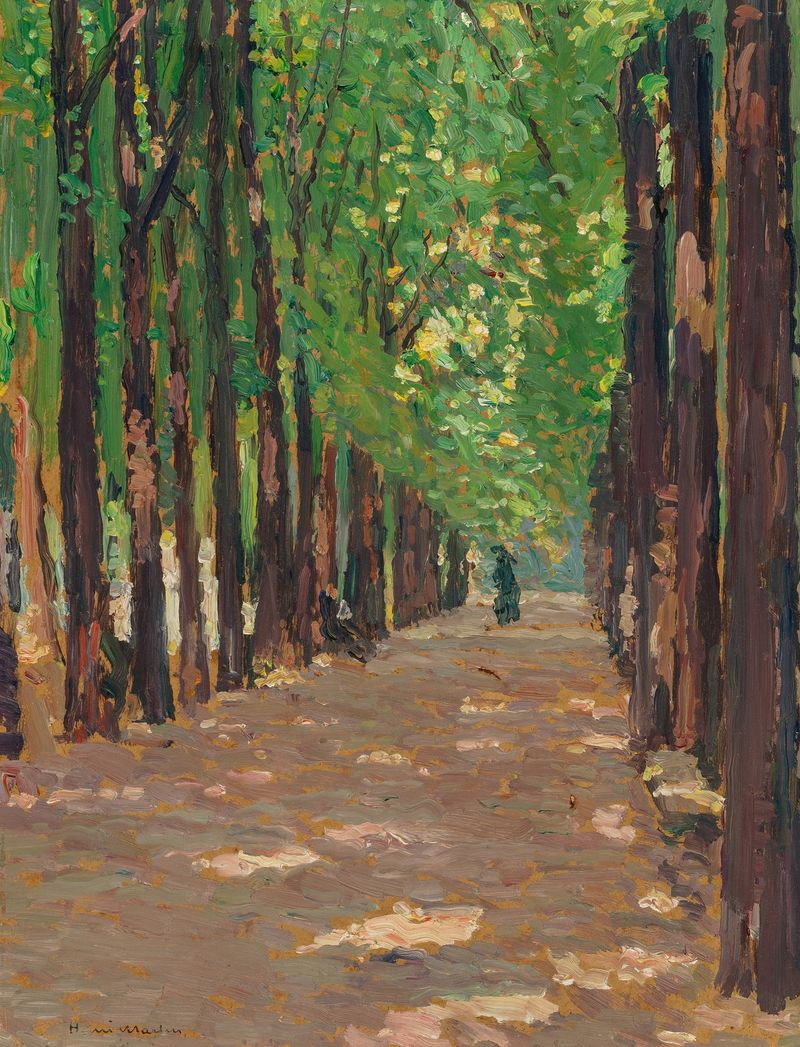
Une allée dans le Parc du Château de Versailles
Henri Martin





