Lichas brengt Hercules het gewaad van Nessus — History & Facts
Is this a mirror — or a memory? In Lichas brengt Hercules het gewaad van Nessus, the moment hangs heavy with emotion, beckoning us to reflect on the deeper layers of longing and loss. Look to the left where Lichas stands, a figure of trepidation caught in the act of handing over the fateful cloak. The tension in his posture, shoulders hunched and hands extended, invites the viewer into the unfolding drama. Notice the deliberate choice of colors — muted earth tones contrast sharply with the vibrant reds and golds of the cloak, emphasizing its ominous presence.
The interplay of light and shadow creates a palpable sense of foreboding, guiding our eye directly to the heart of the narrative. As we delve deeper, one can sense the emotional weight of the scene. The cloak, a symbol of betrayal and impending doom, seems almost alive in its texture, hinting at the pain it carries. The expressions etched on the faces of the figures reveal a profound yearning; Lichas's worry juxtaposed with Hercules's doomed acceptance evokes a tragic inevitability.
This duality captures the essence of human experience — the longing for connection amidst the shadow of betrayal. Created between 1542 and 1548, the work emerges from the brush of Hans Sebald Beham during a period marked by the Renaissance's flourishing exploration of human emotion. Living in Nuremberg, Beham found himself navigating both personal and artistic transformations as he embraced themes of mythology and the human condition. In a time when the world of art was rapidly evolving, this piece stands as a poignant testament to the complexities of desire and regret.
More Artworks by Hans Sebald Beham
Browse all →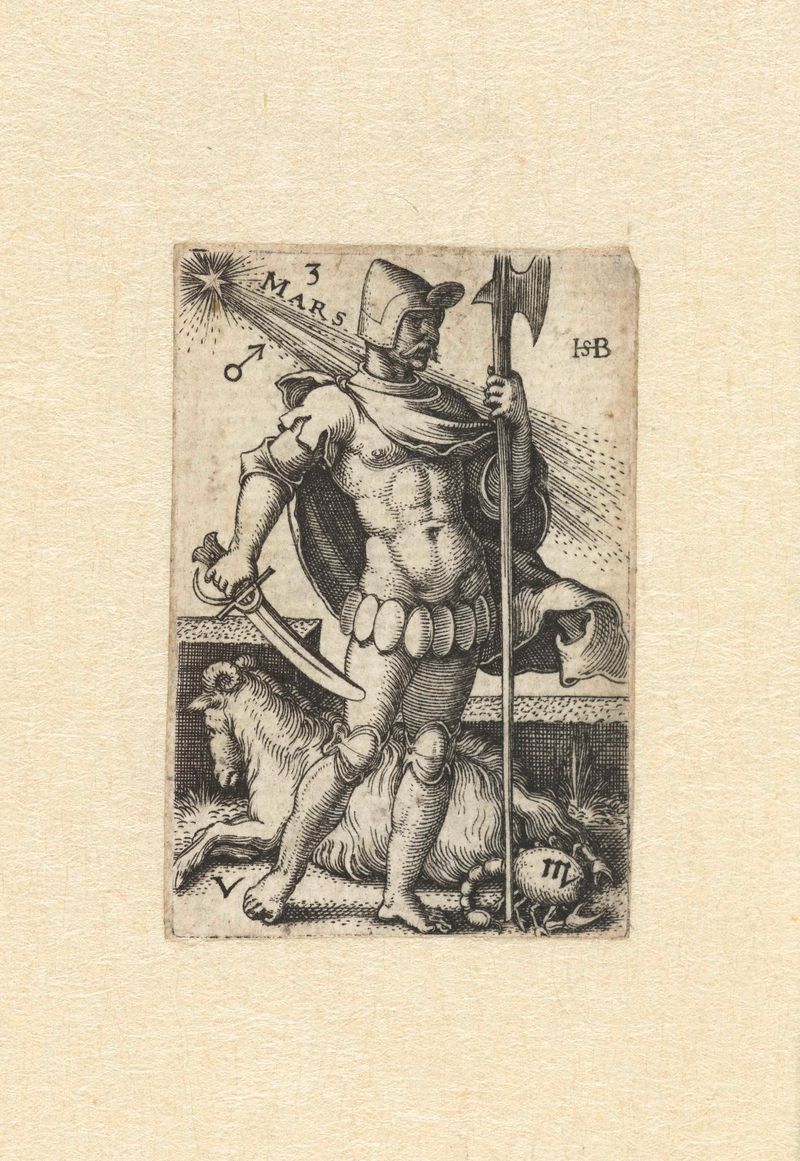
Mars met sterrenbeelden Ram en Schorpioen
Hans Sebald Beham

Achilles in gevecht met Hector
Hans Sebald Beham
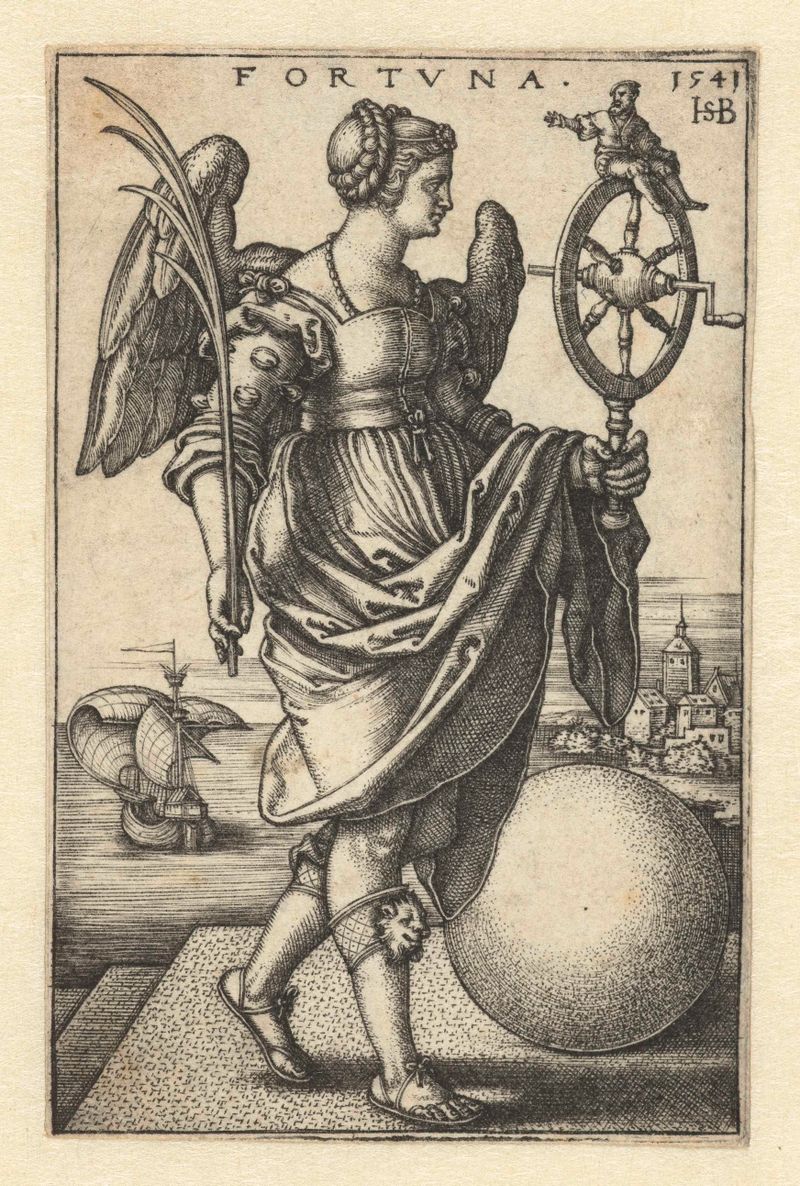
Fortuna
Hans Sebald Beham

Hercules worstelt met Antaeus
Hans Sebald Beham

Twee muzikanten met schalmey en doedelzak
Hans Sebald Beham

Voorzichtigheid (Prudentia)
Hans Sebald Beham

Hercules in gevecht met de Trojanen
Hans Sebald Beham
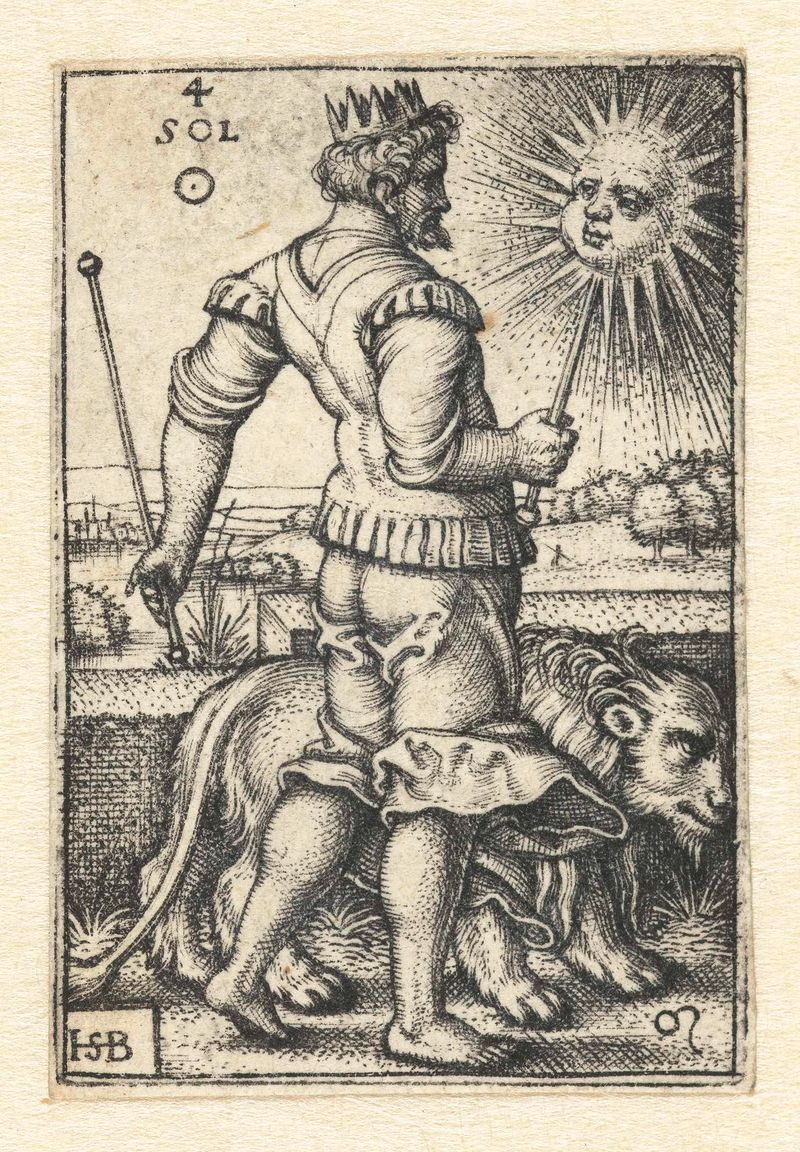
Apollo (Sol) met sterrenbeeld Leeuw
Hans Sebald Beham
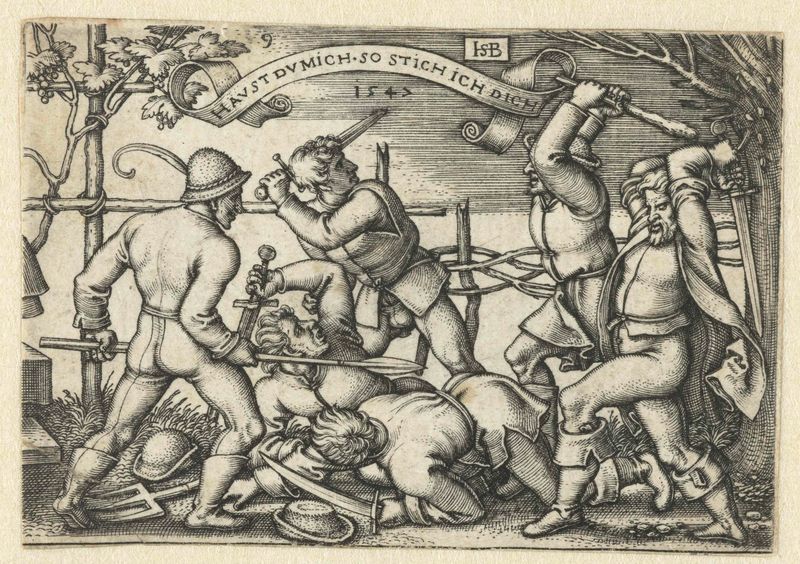
Vechtende boeren met zwaarden
Hans Sebald Beham
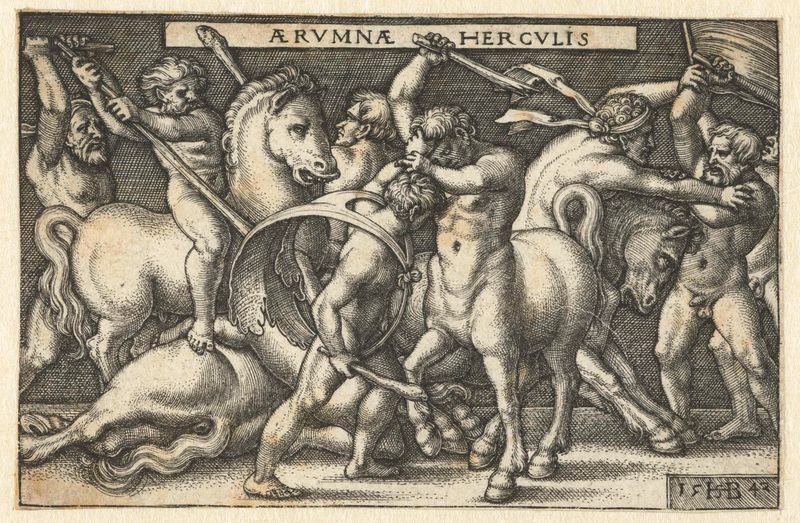
Hercules in gevecht met centaurs
Hans Sebald Beham