
Lighthouse — History & Facts
Art reveals the soul when the world turns away. What does it mean to fixate on a singular vision, to be consumed by the depths of one's own obsession? In Lighthouse, that sentiment is mirrored in the relentless gaze of the beacon, steadfast against the elements. Look to the center, where the lighthouse stands tall and resolute against a tumultuous sea. The stark contrast between the brilliant white tower and the stormy gray waves draws the eye, emphasizing the precarious balance between safety and peril.
Notice how the light, captured in strokes of bright yellow and soft gold, radiates outward, illuminating the surrounding darkness, a symbol of hope amidst chaos. The turbulent clouds swirl around the lighthouse, reflecting a masterful understanding of atmospheric effects that heighten the drama of the scene. Within this compelling composition lies a meditation on solitude. The lighthouse, a sentinel of the shore, appears both inviting and isolating—its light a guiding presence yet a reminder of the loneliness it signifies.
The churning sea, with its impending waves, evokes the struggle of existence, a constant battle against nature's fury. Together, these elements reveal a narrative of obsession, not just for the light but for the very act of guiding lost souls home. In 1880, Henry Farrer was entrenched in the world of American landscape painting, influenced by the burgeoning realism movement. Working primarily in New York and the surrounding regions, his focus on the interplay of light and nature reflected the era’s fascination with capturing fleeting moments.
During this time, he was also grappling with personal challenges, and these experiences infused his works with emotional depth and significance, resonating deeply through pieces like this one.
More Artworks by Henry Farrer
Browse all →
St. Paul’s Chapel, New York, from ‘Scenes of Old New York’
Henry Farrer

Evening, New York Harbor
Henry Farrer
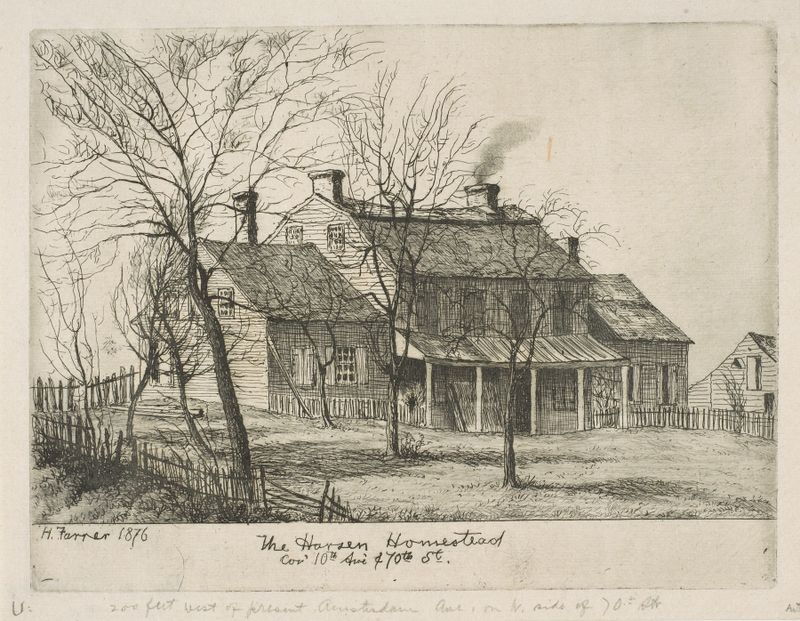
The Harsen Homestead, Corner of 10th Avenue and 70th Street, from ‘Scenes of Old New York’
Henry Farrer

Old House, Corner of Peck Slip and Water Street, from ‘Scenes of Old New York’
Henry Farrer
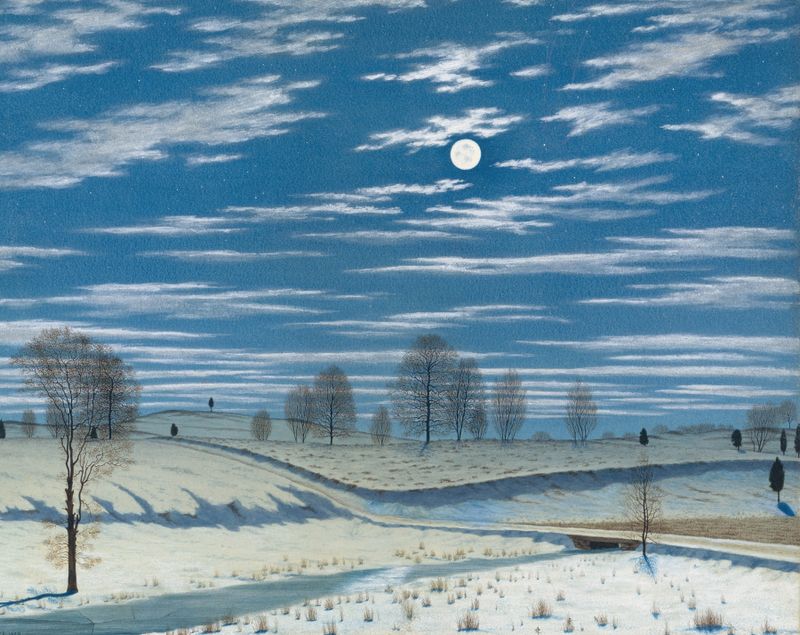
Winter Scene in Moonlight
Henry Farrer

A Powder Magazine in Central Park, from ‘Scenes of Old New York’.
Henry Farrer

The Old Revenue Office, Whitehall, from ‘Scenes of Old New York’
Henry Farrer
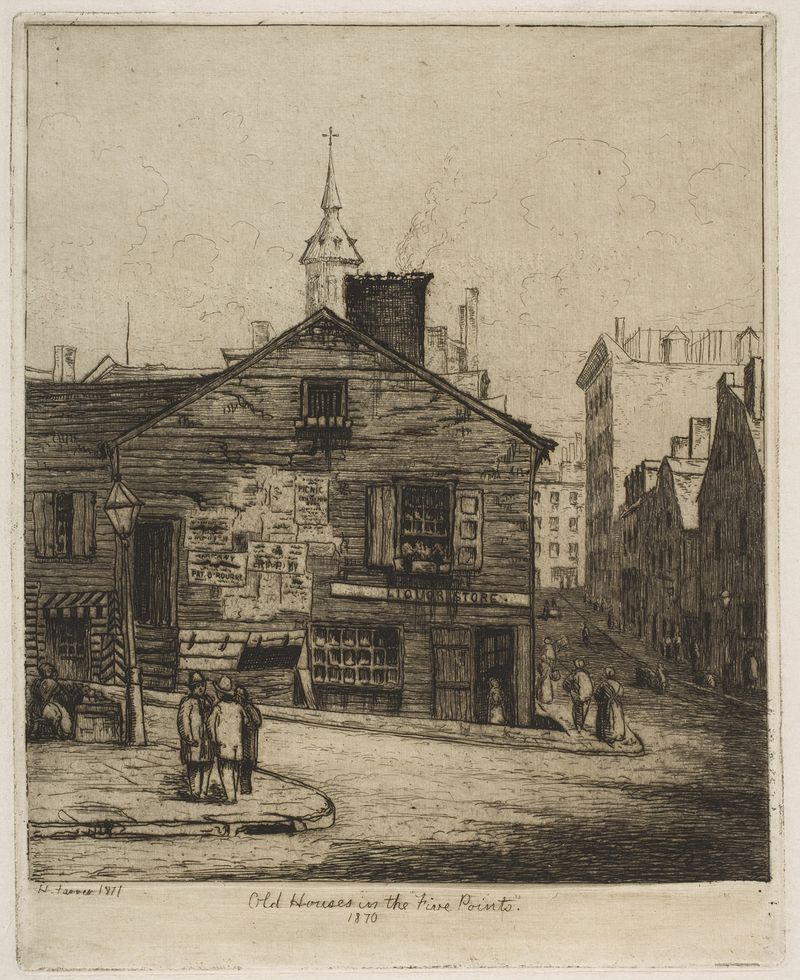
Old Houses in the ‘Five Points’, 1870, from ‘Scenes of Old New York’.
Henry Farrer

City and Sunset
Henry Farrer
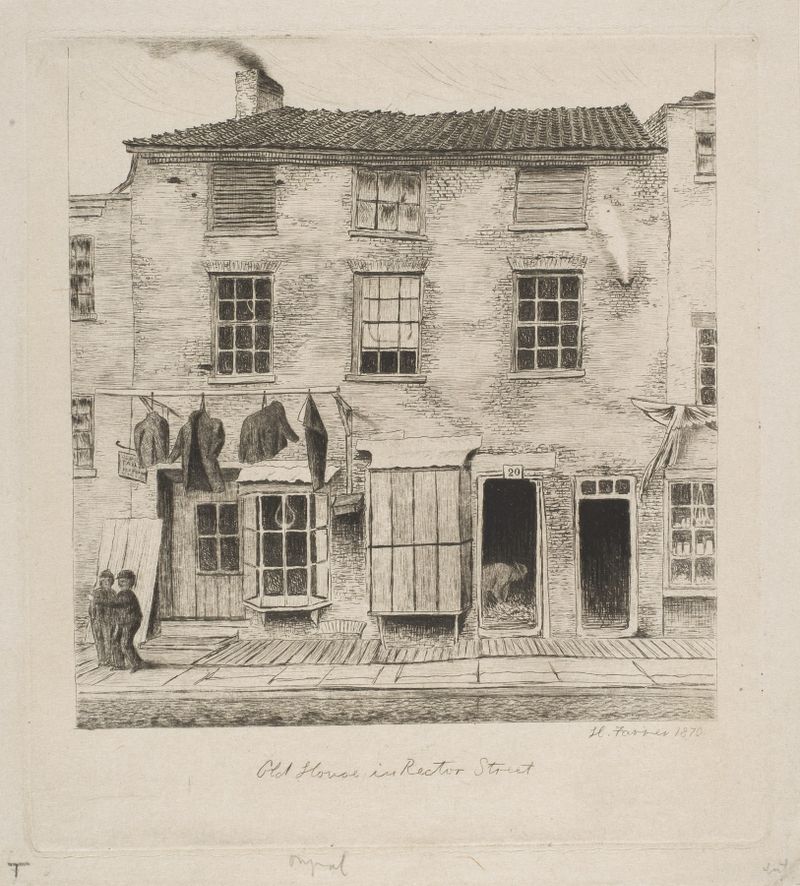
Old House in Rector Street, from ‘Scenes of Old New York’.
Henry Farrer





