
Lighthouse at Camden,Maine — History & Facts
Longing whispers through the brushstrokes, capturing a moment suspended in the salty air of a coastal Maine harbor. Look to the left at the commanding lighthouse, its stark white tower standing resolutely against a backdrop of soft blues and grays. The gentle waves lap at the shore, their serene rhythm contrasted by the strength of the light. Notice how the sunlight dances upon the water's surface, creating glimmers that invite the viewer’s gaze deeper into the scene, while the rocky terrain anchors the composition, grounding the ethereal with the tangible. In the distance, the smoke rising from a distant ship hints at human presence, evoking a sense of yearning for connection and adventure.
The interplay of light and shadow, especially on the lighthouse, suggests the passage of time and the isolation of those waiting for loved ones to return. Each brushstroke seems to hold a story, a promise unfulfilled, and the maritime scene resonates with the tension between longing and the steadfastness of the lighthouse—a symbol of hope amid uncertainty. Fitz Henry Lane painted this work in 1851 during a transformative period in American art when the romanticism of nature began to merge with emerging realism. Living in Gloucester, Massachusetts, Lane was deeply inspired by the coastal landscape and maritime life, reflecting the growing national identity and the allure of the sea.
His paintings from this era exemplify the American Romantic movement, capturing both the beauty and the emotional weight of the natural world.
More Artworks by Fitz Henry Lane
Browse all →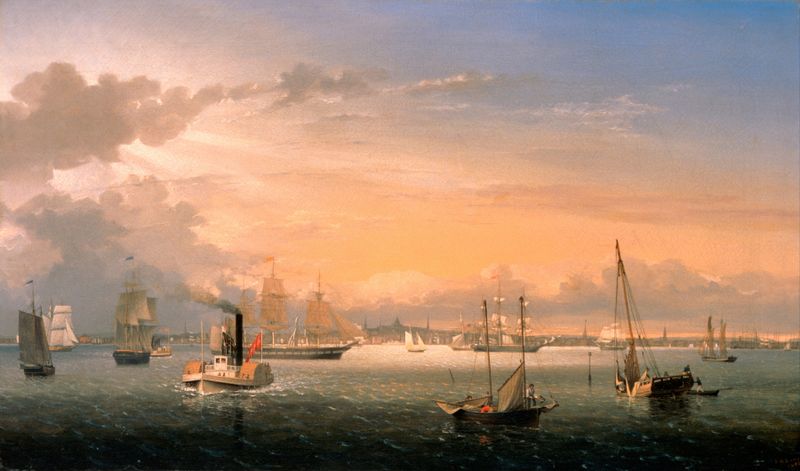
Boston Harbor
Fitz Henry Lane

Becalmed off Halfway Rock
Fitz Henry Lane

Owl’s Head, Penobscot Bay, Maine
Fitz Henry Lane

Stage Fort across Gloucester Harbor
Fitz Henry Lane
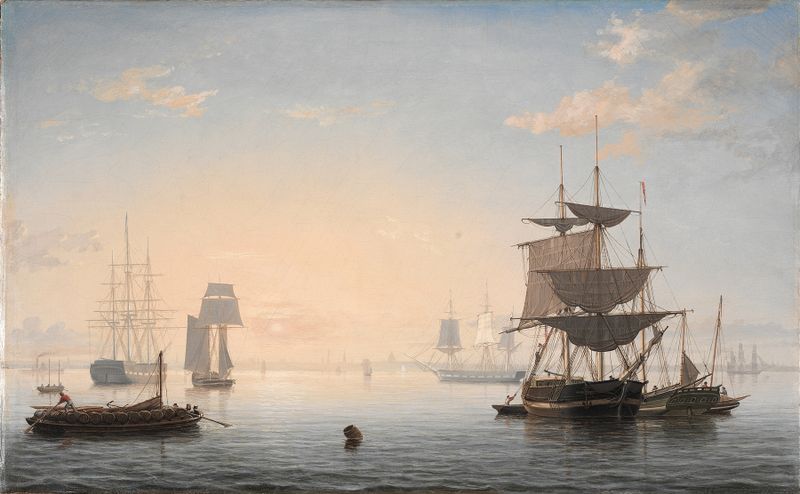
Harbor of Boston, with the City in the Distance
Fitz Henry Lane

The Ships ‘Winged Arrow’ and ‘Southern Cross’ in Boston Harbor
Fitz Henry Lane
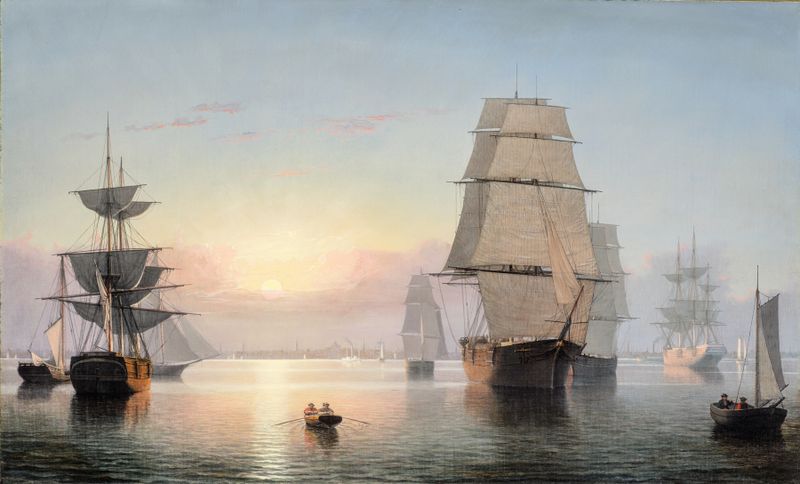
Boston Harbor, Sunset
Fitz Henry Lane

Brig Off the Maine Coast
Fitz Henry Lane
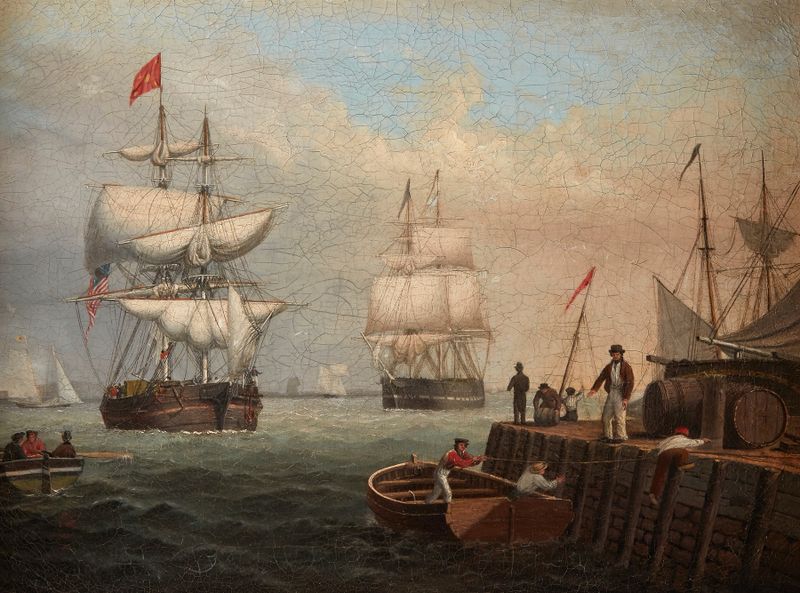
Boston Harbor
Fitz Henry Lane

Brace’s Rock, Brace’s Cove
Fitz Henry Lane





