
L’incendie — History & Facts
In L’incendie, the viewer is beckoned into a dreamscape where fire and tranquility collide in a vivid yet haunting display. The artwork invites contemplation, prompting us to grapple with the duality of destruction and beauty. Look to the left side of the canvas, where flames flicker and dance, their fiery hues of crimson and gold drawing your gaze. The juxtaposition of the rich, warm colors against the cool blues of the night sky creates a striking tension, as if the fire is both an invitation and a warning.
The scene is framed with delicate brushwork, capturing the ephemeral nature of the flames, while the distant silhouettes of buildings offer a sense of scale that deepens the drama. In the midst of chaos, hidden meanings emerge. The burning structures may symbolize transformation or the fleeting nature of human achievement, while the calm waters in the foreground reflect the unsettling beauty of the scene. The contrasting elements of fire and water work together to evoke a sense of unresolved tension, prompting the viewer to ponder the relationship between destruction and rebirth.
This duality invites personal interpretation, allowing each observer to find their own narrative within the chaos. Félix Ziem painted L’incendie during the 19th century, a time of great social and artistic upheaval. Living in Paris, he was influenced by the Romantic movement, which sought to express emotional resonance through nature and human experience. This painting reflects a moment of change for the artist, as he explored the interplay of light and shadow, ultimately crafting a work that resonates with both beauty and melancholy.
More Artworks by Félix Ziem
Browse all →
Venise
Félix Ziem
Coucher De Soleil À Venise
Félix Ziem
Constantinople
Félix Ziem
La place Saint-Marc, inondation de 1863
Félix Ziem
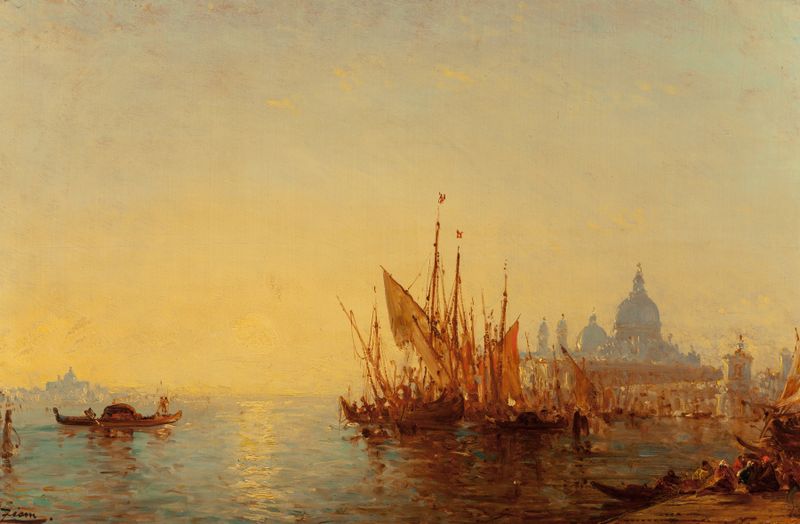
Bacino di San Marco
Félix Ziem
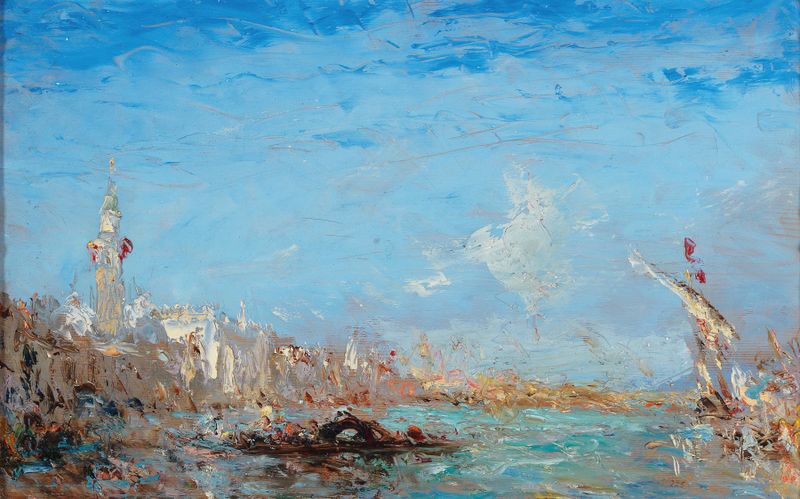
Canal Grande
Félix Ziem
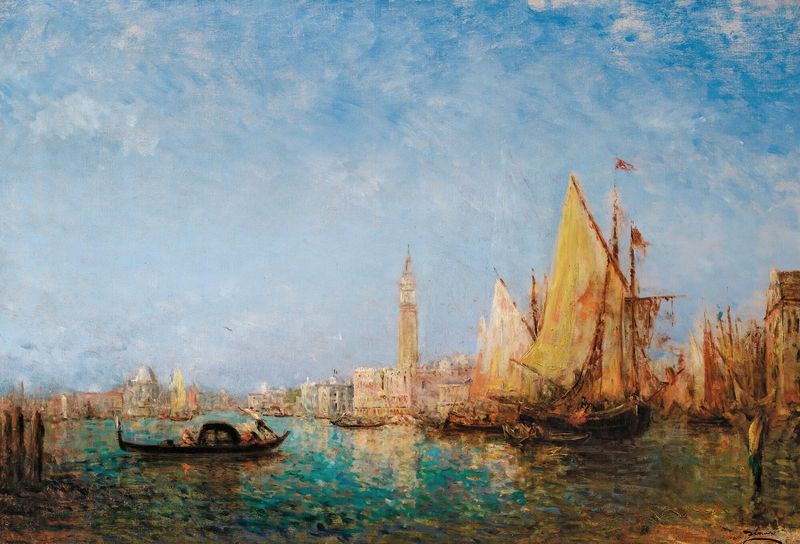
Le Palais Du Doge, Venise
Félix Ziem
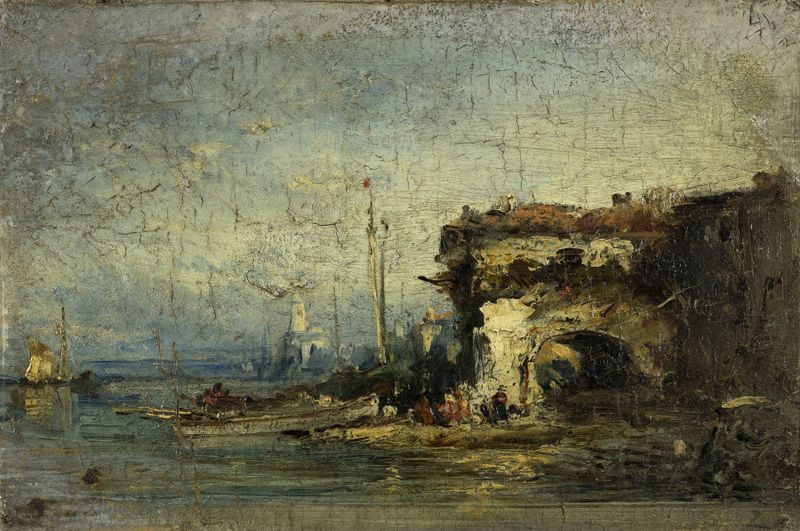
Vue d’Italie; la vieille porte
Félix Ziem
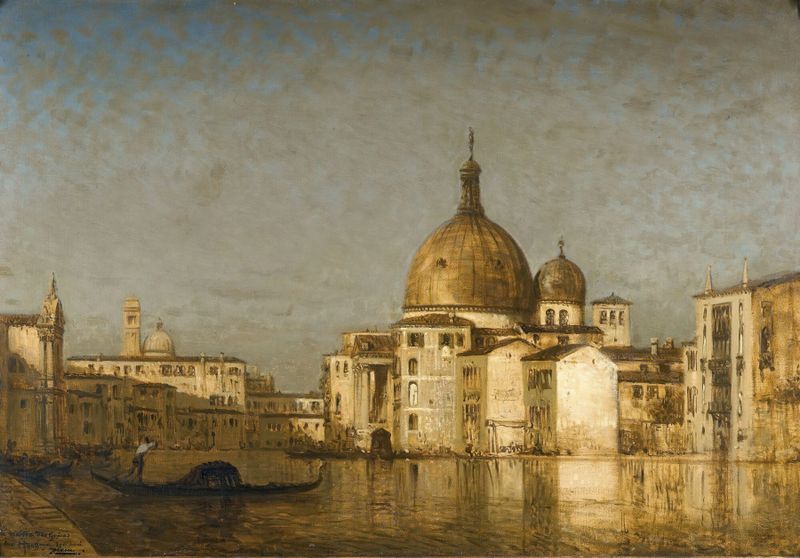
San Simeone Piccolo Au-Delà Du Grand Canal, Venis
Félix Ziem
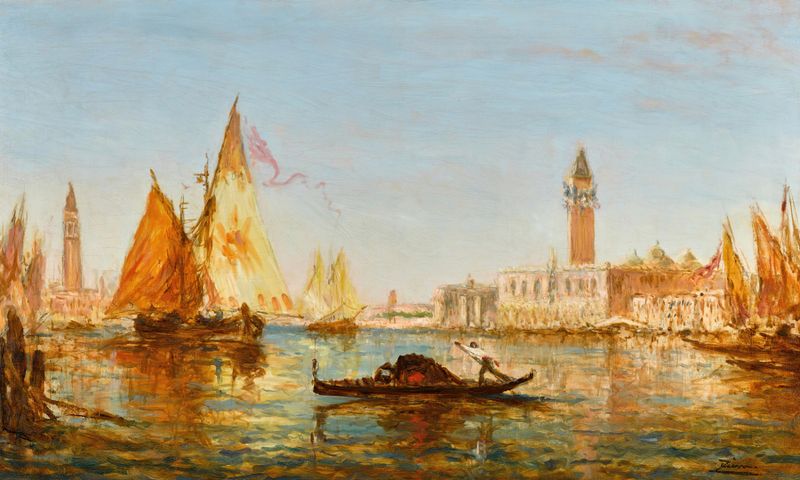
Venise, gondole et voiliers devant le Palais des doges et San Giorgio Maggiore
Félix Ziem





