
Links der Chor einer Kirche, rechts ein Brunnenhaus, mit Gemüseverkäuferinnen — History & Facts
When did color learn to lie? Perhaps it was in the moment a vegetable seller’s vibrant produce echoed the church’s solemn stones, binding sacred and mundane destinies together. Look to the left at the sturdy, imposing church, its walls rich with the textured warmth of earth tones. Notice how the light cascades softly over the weathered stones, creating a stark contrast with the lively greens and reds of the vegetables showcased by the women to the right. The careful arrangement of the produce draws the eye, giving a sense of abundance and hope that resonates against the church's austere presence.
Each brushstroke captures the interplay of shadow and light, guiding viewers through a scene steeped in life’s daily rhythms. As you ponder the juxtaposition of sacred and secular, consider the expressions on the sellers' faces — a mixture of resolve and weariness. The vibrant colors not only serve to attract but also signify the weight of their labor and the inevitability of fate in their livelihoods, woven into the fabric of the community. The church stands sentinel, a reminder of the larger forces at play, as if fate itself weaves a thread between the spiritual and the temporal in this modest market square. Johannes Huibert Prins painted this work during a time when realism was gaining traction in the art world, reflecting everyday life with a sense of authenticity.
Although the exact date remains unclear, it is likely created in the late 19th century, a period rich with social change and the burgeoning impressionist movement. His choice to depict such a harmonious interaction between commerce and spirituality reveals a deep understanding of the human experience amid evolving cultural landscapes.
More Artworks by Johannes Huibert Prins
Browse all →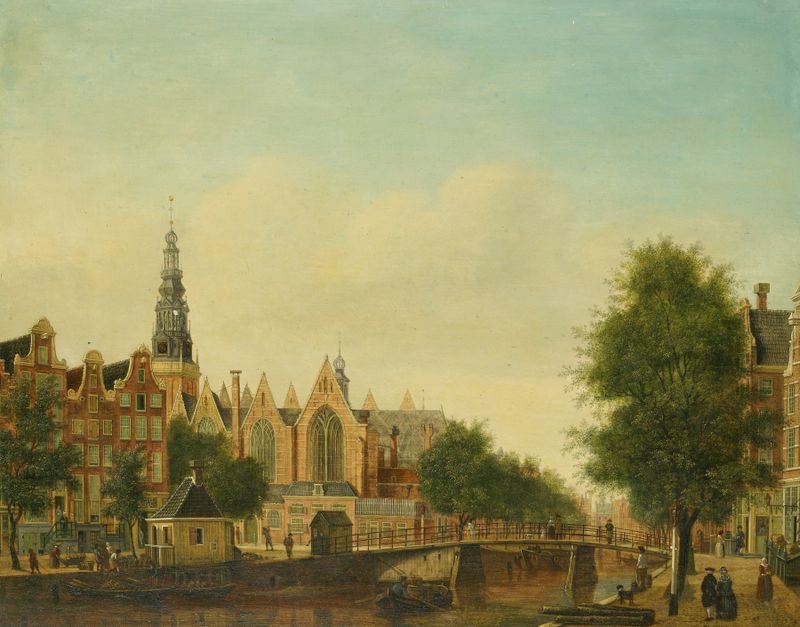
The Oude Kerk seen from the Oudezijds Voorburgwal
Johannes Huibert Prins

View of a Netherlandish City
Johannes Huibert Prins
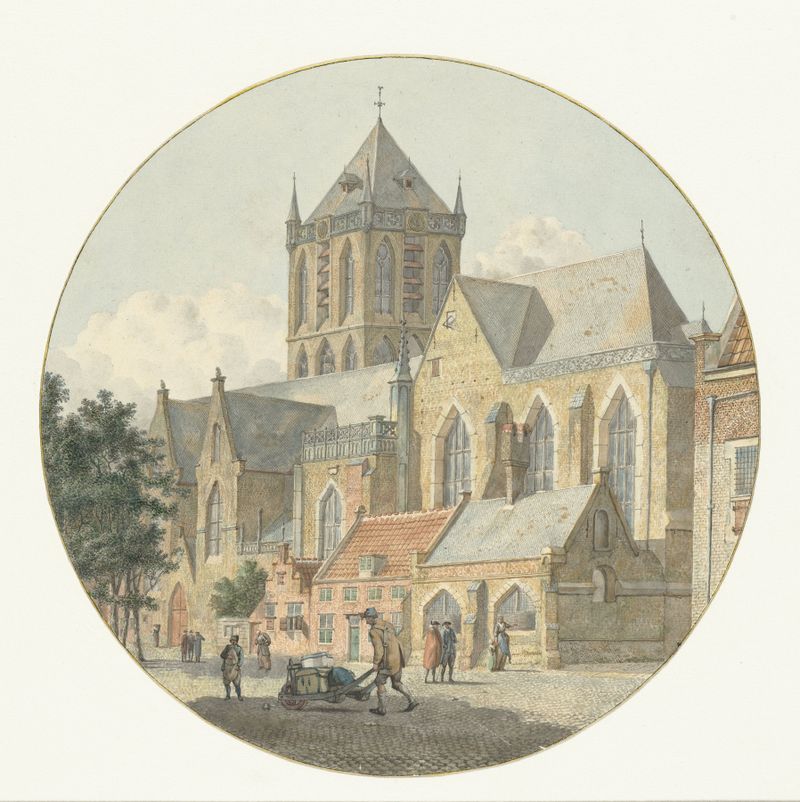
De St.-Jacobskerk te Utrecht
Johannes Huibert Prins

A View of the Nieuwe Kerk, Delft
Johannes Huibert Prins
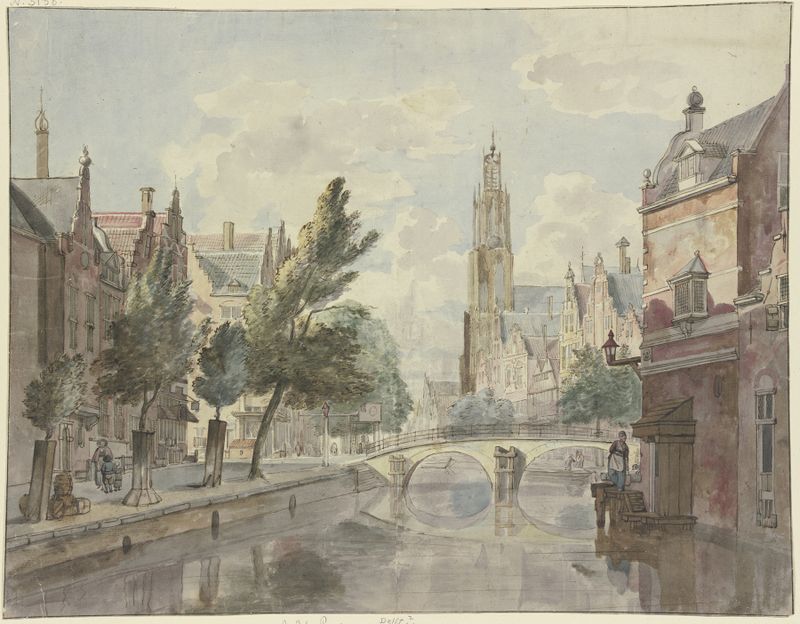
Steinbrücke über einen Kanal, im Hintergrund eine Kathedrale, rechts am Haus eine Laterne
Johannes Huibert Prins
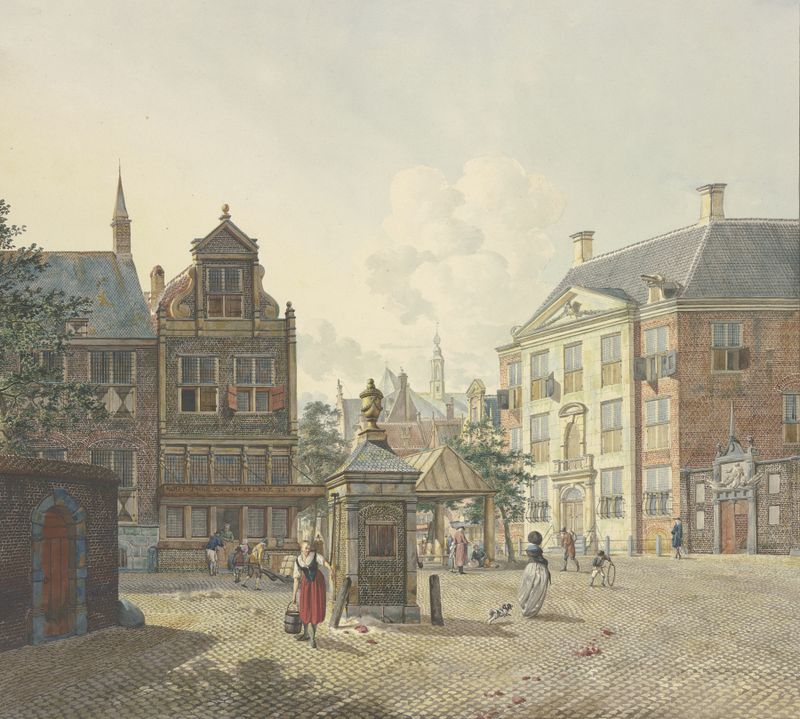
Auf einem freien Platz ein Brunnenhaus, dabei eine Magd in rotem Rock und mit einem Eimer
Johannes Huibert Prins
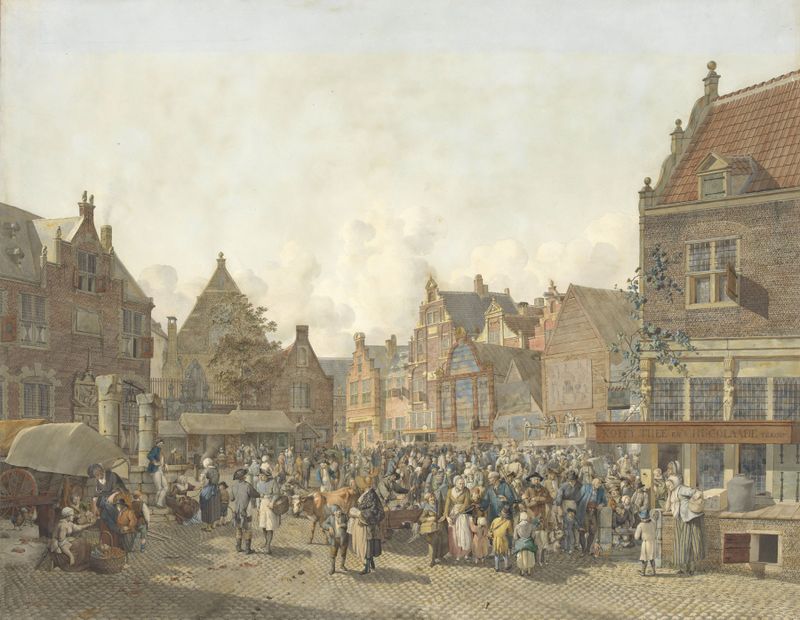
Town Square with Fair
Johannes Huibert Prins
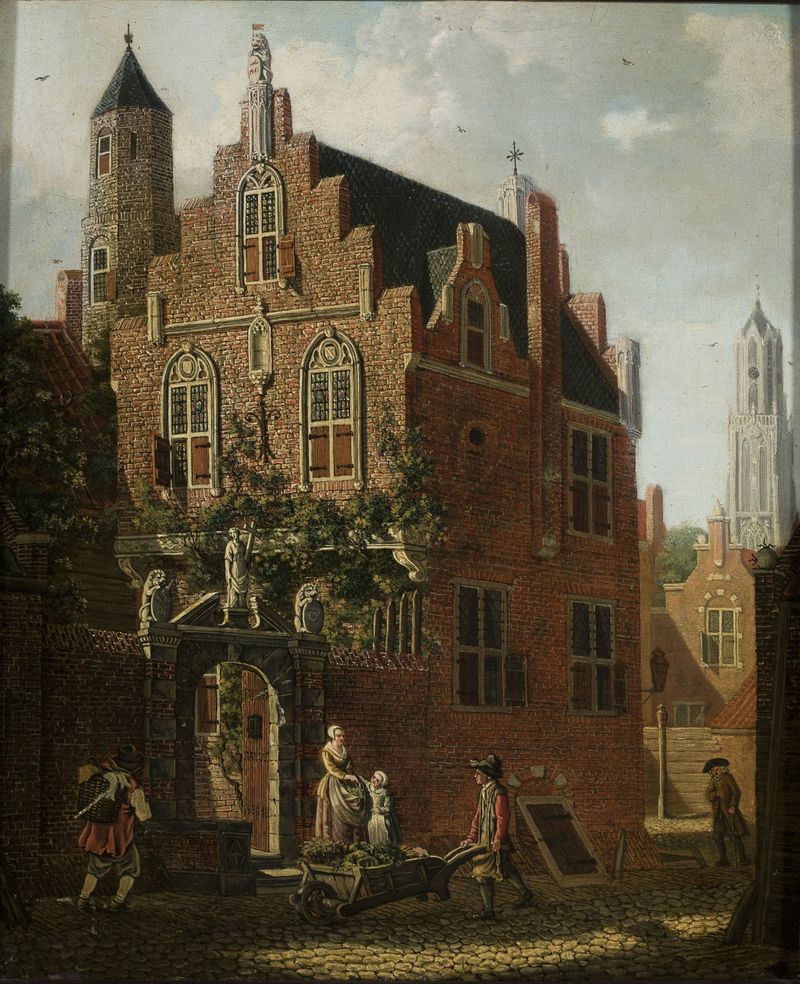
View of the city
Johannes Huibert Prins

Kanal mit Schleusentor, links kehrt eine Magd die Straße
Johannes Huibert Prins
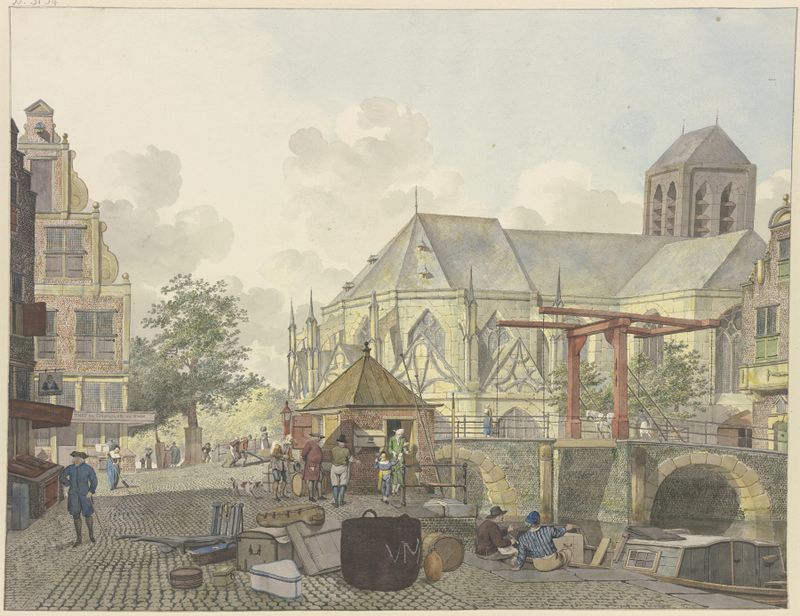
Schleusentor bei einer Kirche, dabei ein Zollhaus
Johannes Huibert Prins





