
Town Square with Fair — History & Facts
Is this a mirror — or a memory? In the vibrant chaos of a fair, where laughter intertwines with music and the scent of baked goods wafts through the air, we find ourselves lost in a moment that transcends time. The artist invites us to step into this lively gathering, beckoning us to uncover layers of meaning beneath the jubilant surface. Look to the left at the clusters of figures, their animated gestures capturing the joy of the occasion. Notice how the sunlight dances on the cobblestones, illuminating the scene with a golden hue that enhances the warmth of the celebration.
The careful arrangement of people, horses, and stalls creates a dynamic composition, leading the eye toward the heart of the fair, where a carousel whirls with elegance. Each brushstroke reveals not only the hustle and bustle but also the meticulous detail in the costumes, vividly painted in rich colors that evoke the spirit of life and festivity. Yet beneath the surface cheer lies a subtle tension – a juxtaposition of unity and separation. Observe the solitary figure standing apart, their gaze distant, hinting at a longing or a touch of melancholy amidst the merriment.
This reflective contrast invites contemplation on communal joy versus personal experience. Perhaps it speaks to the fleeting nature of happiness, as the fair, like life, is both a celebration and a reminder of the ephemeral essence of our existence. In 1793, while creating this piece, the artist found himself in a world defined by burgeoning creativity and the whispers of change. Living in the Netherlands, he was part of a vibrant art scene exploring new themes and techniques, responding to the shifting dynamics of society.
This moment in history shaped his work, blending celebration with a touch of nostalgia, and allowing viewers to reflect on their own experiences amidst the vivid imagery he captured.
More Artworks by Johannes Huibert Prins
Browse all →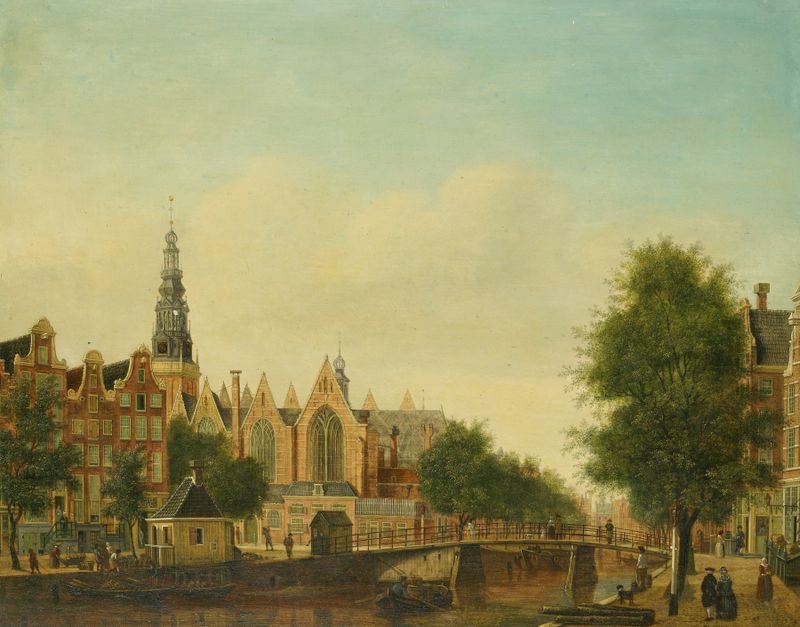
The Oude Kerk seen from the Oudezijds Voorburgwal
Johannes Huibert Prins

View of a Netherlandish City
Johannes Huibert Prins
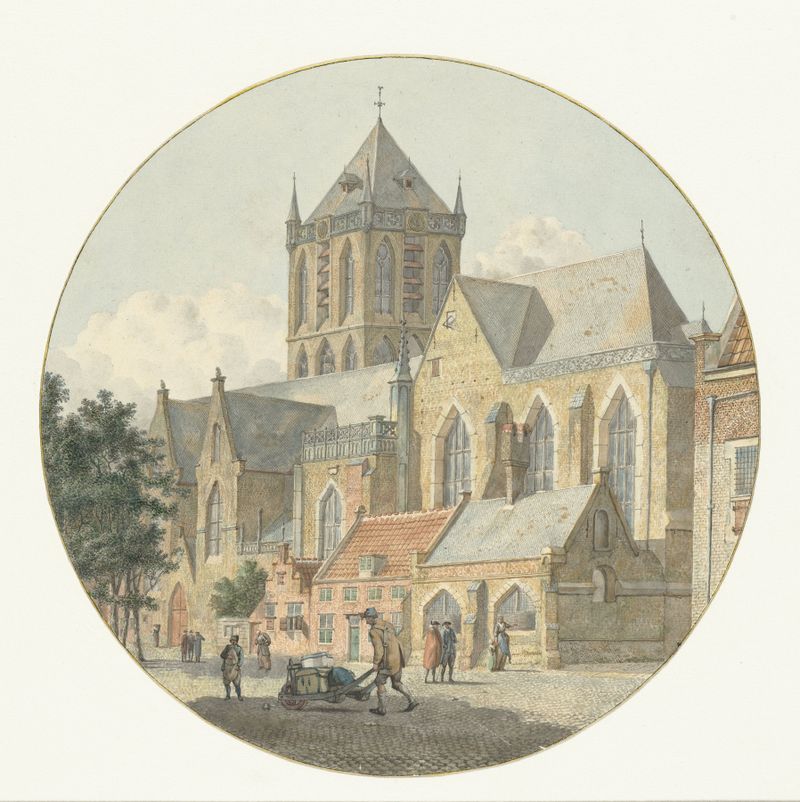
De St.-Jacobskerk te Utrecht
Johannes Huibert Prins

A View of the Nieuwe Kerk, Delft
Johannes Huibert Prins
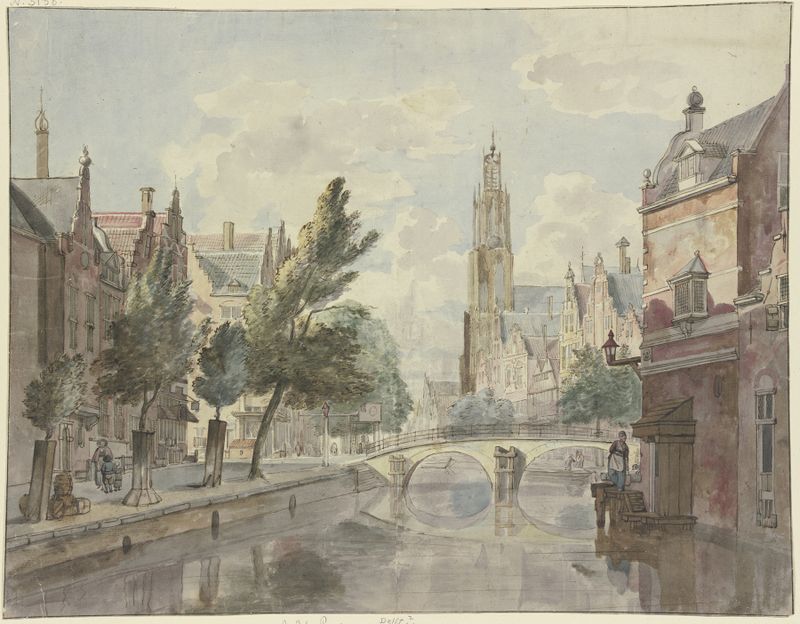
Steinbrücke über einen Kanal, im Hintergrund eine Kathedrale, rechts am Haus eine Laterne
Johannes Huibert Prins
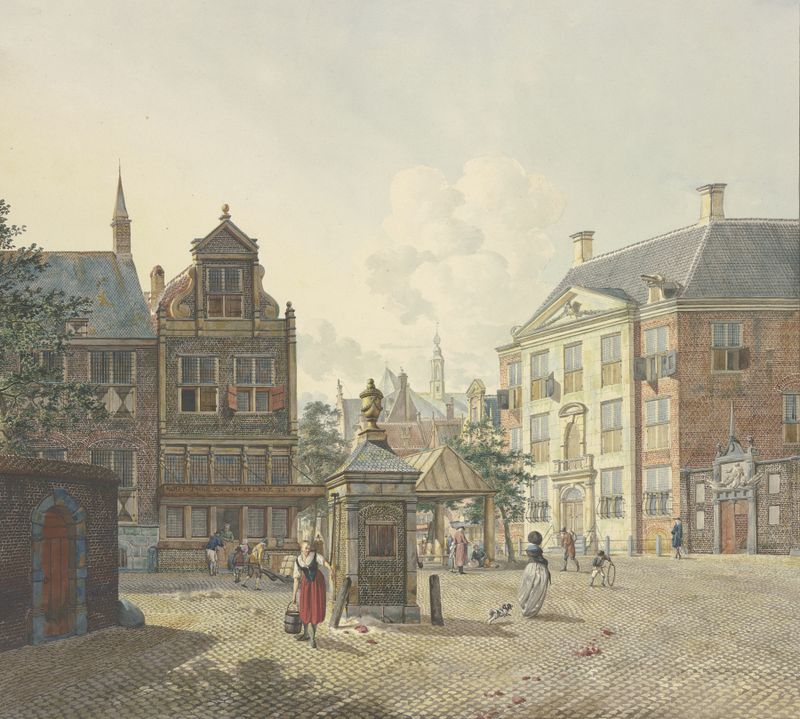
Auf einem freien Platz ein Brunnenhaus, dabei eine Magd in rotem Rock und mit einem Eimer
Johannes Huibert Prins
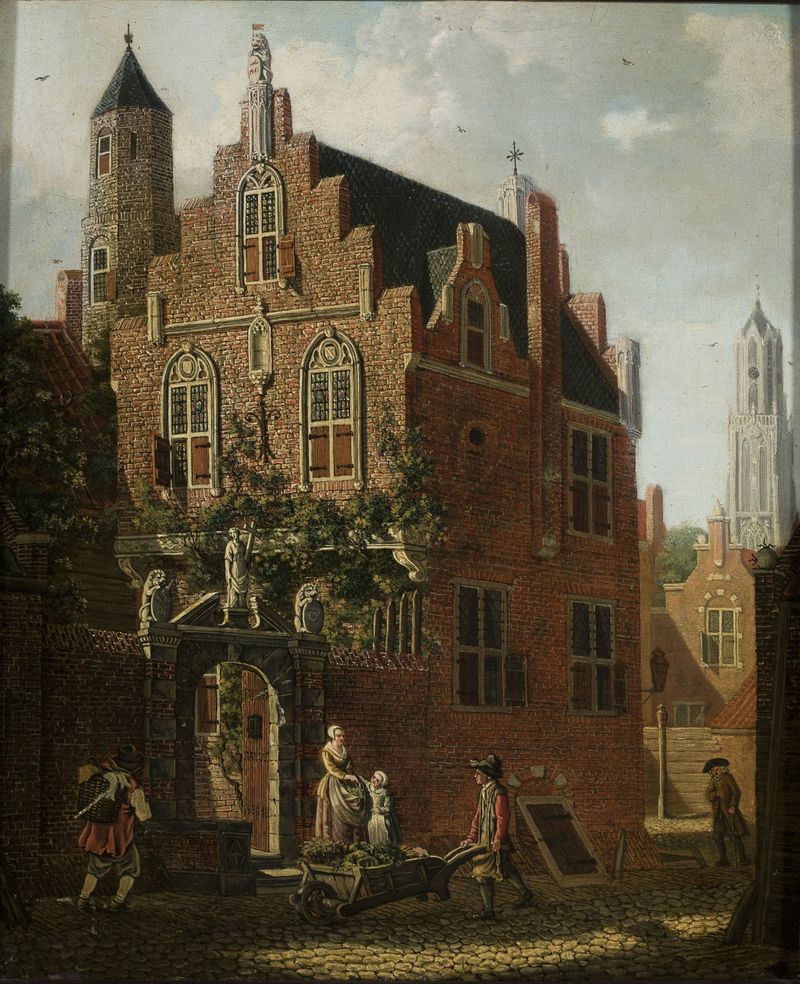
View of the city
Johannes Huibert Prins
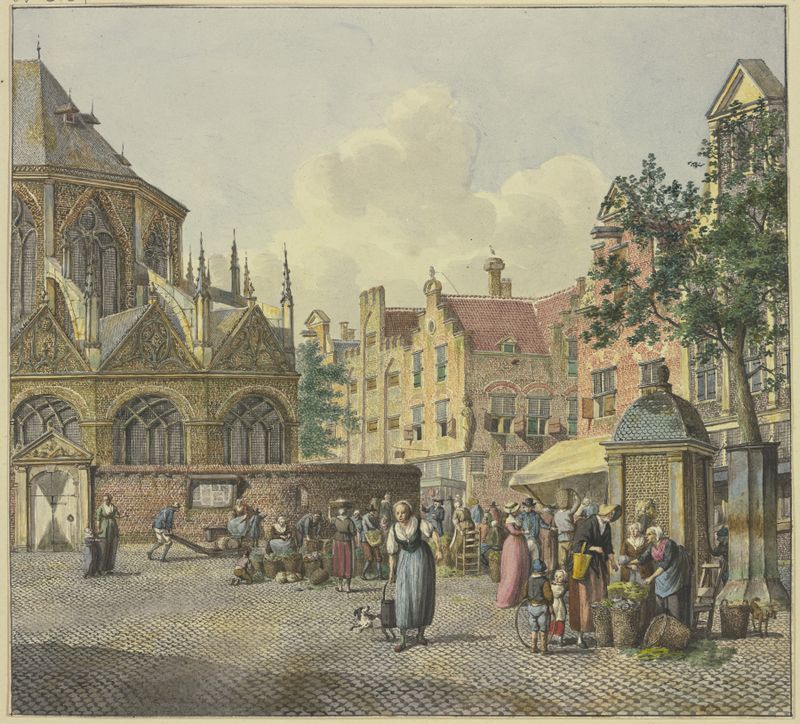
Links der Chor einer Kirche, rechts ein Brunnenhaus, mit Gemüseverkäuferinnen
Johannes Huibert Prins

Kanal mit Schleusentor, links kehrt eine Magd die Straße
Johannes Huibert Prins
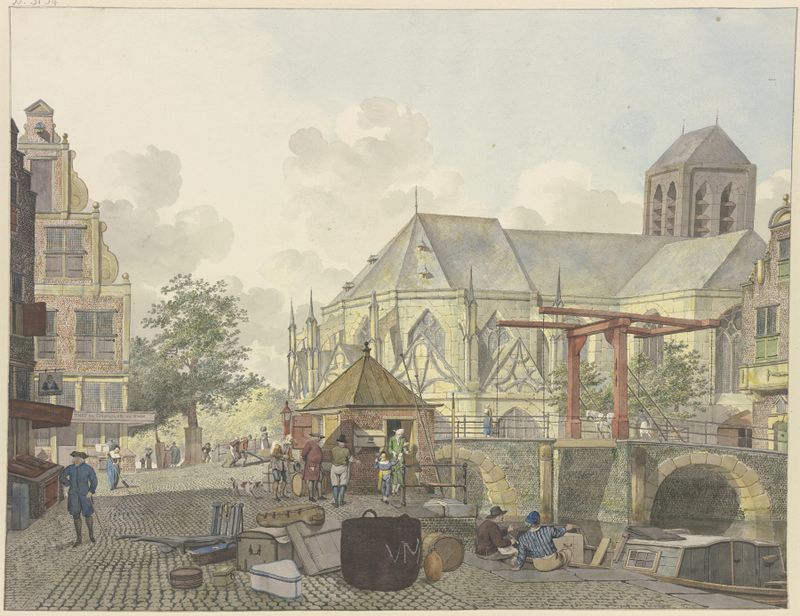
Schleusentor bei einer Kirche, dabei ein Zollhaus
Johannes Huibert Prins





