
Lisière de forêt — History & Facts
Could a single brushstroke hold eternity? In Lisière de forêt, the essence of tranquility stretches across the canvas, inviting viewers to immerse themselves in a moment of serene contemplation. Look to the left at the delicate interplay of dappled light filtering through the trees. The artist’s mastery of color comes alive in the lush greens and soft ochres, painting a tranquil forest edge that feels both inviting and secluded. The hazy sky peeks through the foliage, hinting at a gentle breeze that rustles the leaves, establishing a rhythm in the stillness of nature.
Notice how the trees stand tall and proud, their trunks textured with a meticulous attention to detail that contrasts with the ethereal quality of the background. Deep beneath the surface lies a dialogue between light and shadow, evoking the duality of peace and solitude. Each brushstroke whispers a story of the fleeting nature of time, suggesting a moment captured before it dissolves into memory. The interplay of warm and cool tones creates an emotional tension, where the heart of the forest offers sanctuary, yet hints at the lurking unknown just beyond the frame's edge. Painted between 1850 and 1860, this work emerged during a period of personal exploration for Ziem, who was seeking solace in the natural world amidst the rapid changes of urban life.
Living in Paris, he experienced the tensions of a shifting society while developing his own style that blended realism with a romantic sensibility. As art movements evolved around him, Ziem’s focus on serene landscapes provided a counterbalance to the chaos of his time.
More Artworks by Félix Ziem
Browse all →
Venise
Félix Ziem
Coucher De Soleil À Venise
Félix Ziem
Constantinople
Félix Ziem
La place Saint-Marc, inondation de 1863
Félix Ziem
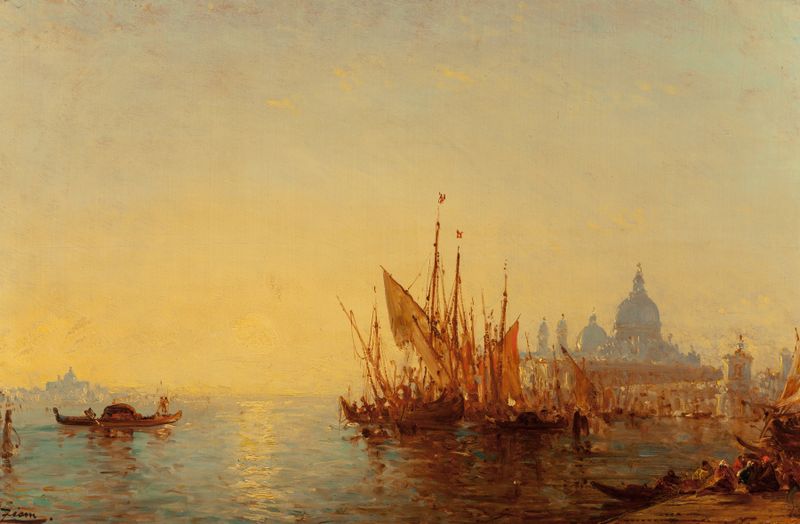
Bacino di San Marco
Félix Ziem
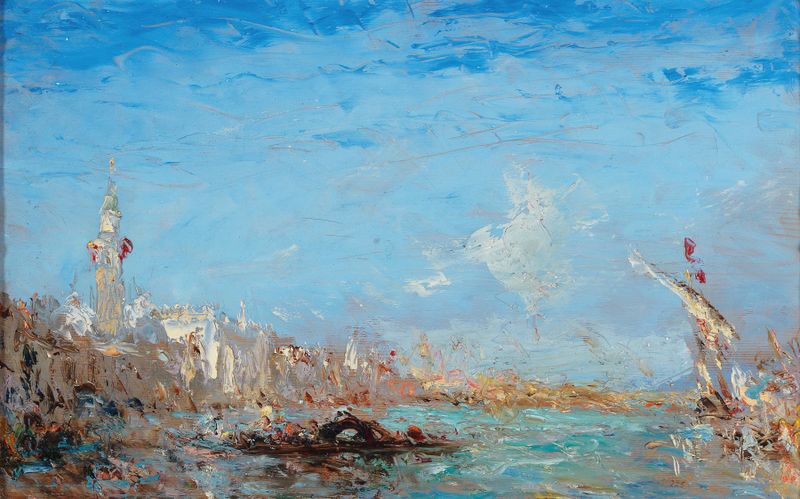
Canal Grande
Félix Ziem
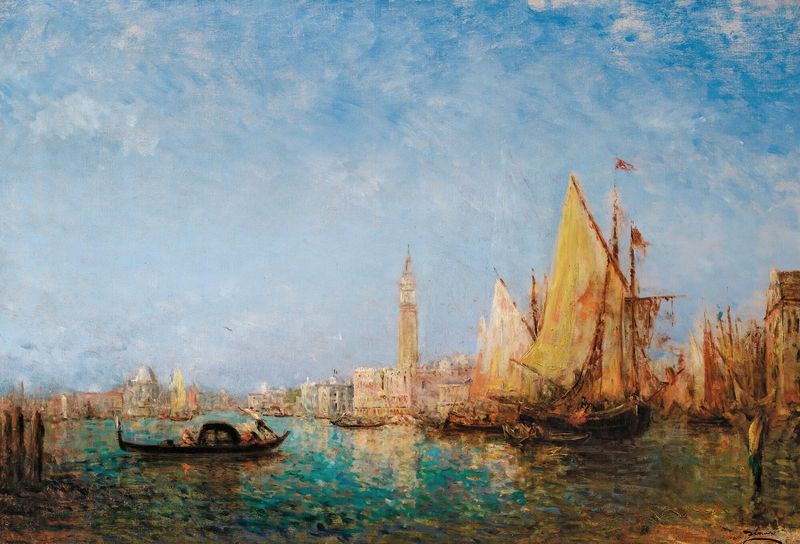
Le Palais Du Doge, Venise
Félix Ziem
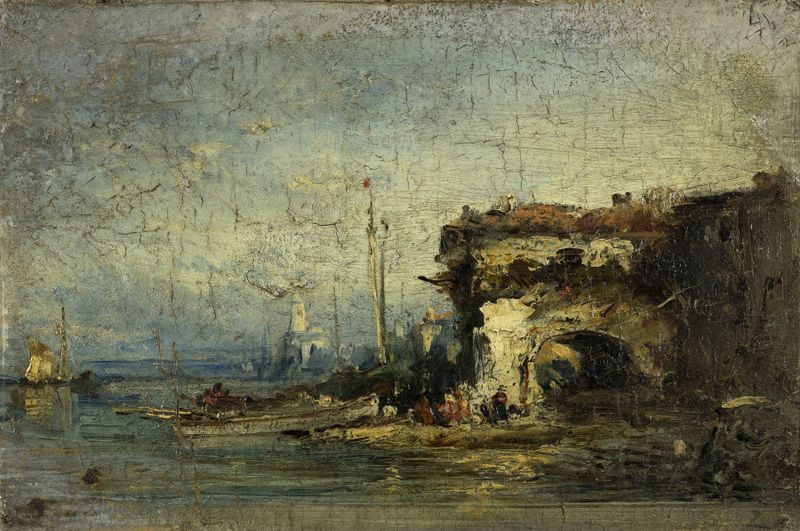
Vue d’Italie; la vieille porte
Félix Ziem
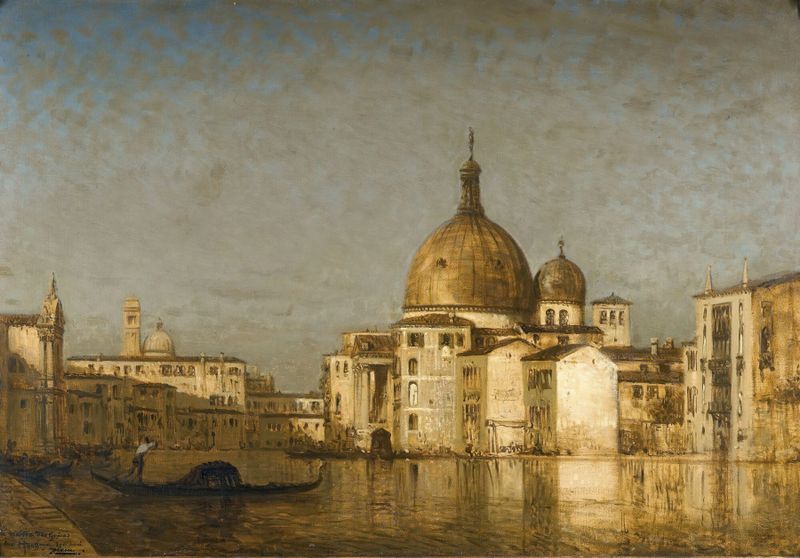
San Simeone Piccolo Au-Delà Du Grand Canal, Venis
Félix Ziem
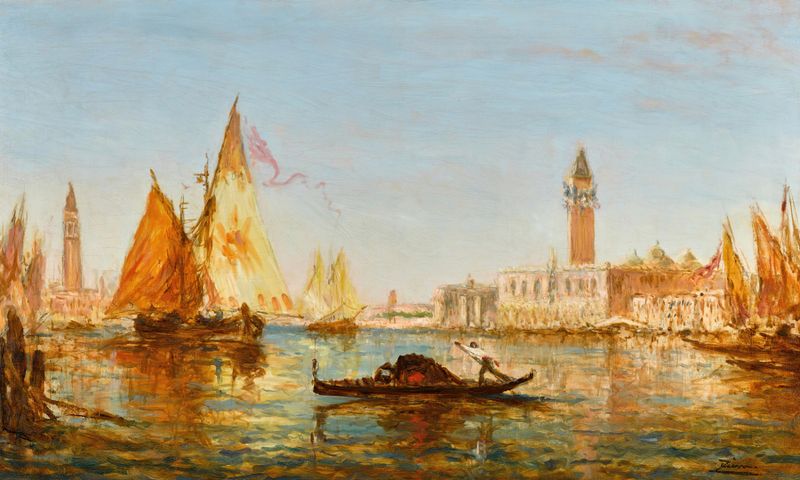
Venise, gondole et voiliers devant le Palais des doges et San Giorgio Maggiore
Félix Ziem





