
Loch Eil — History & Facts
What if beauty was never meant to be finished? In Loch Eil, the stillness of the landscape seems to resonate with an unspoken sorrow, inviting contemplation on the fleeting nature of life and art. Focus on the picturesque expanse of the loch, its reflective surface cradling the delicate hues of twilight. Notice how the calm water mirrors the soft, muted tones of the clouds, creating a seamless blend that blurs the line between sky and earth. The painter’s adept use of watercolor creates an ethereal quality, with gentle washes that evoke a sense of tranquility, while the dark, imposing hills rising in the background hint at unseen depths of emotion. In this serene scene, contrasts abound: the serenity of the water juxtaposed with the rugged terrain, suggesting a hidden grief beneath the surface.
The fleeting light captures a moment that feels both eternal and ephemeral, echoing a sense of loss not just in the landscape, but perhaps in the artist's own heart. Each brushstroke seems to convey a longing, as if the beauty encapsulated in this vista is tinged with the weight of remembrance. David Young Cameron painted Loch Eil during a transformative time in the late 1920s, a period marked by profound personal upheaval as he grappled with loss and the challenges of his artistic journey. Working in Scotland, he was immersed in the landscape that inspired him, blending impressionistic techniques with a deep emotional resonance.
The artwork reflects not only his mastery of light and color but also the complexities of a world undergoing rapid change, capturing the essence of beauty intertwined with grief.
More Artworks by David Young Cameron
Browse all →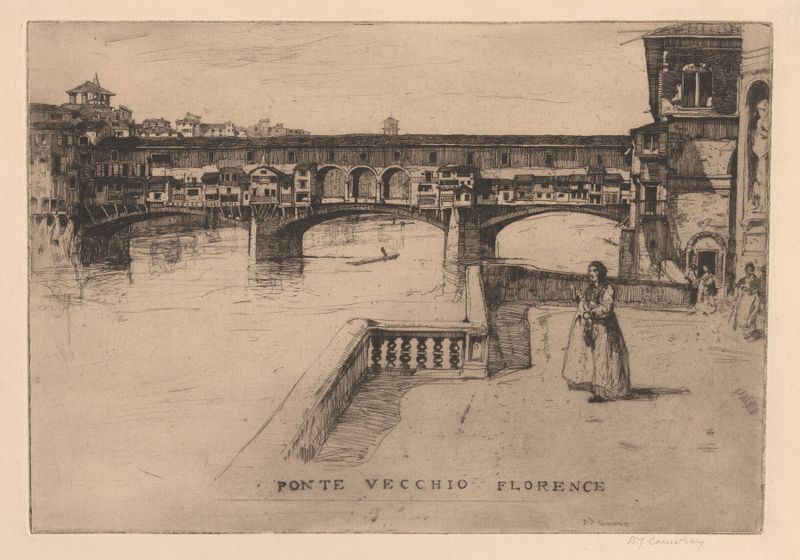
Ponte Vecchio
David Young Cameron

The Deanery, Winchester
David Young Cameron
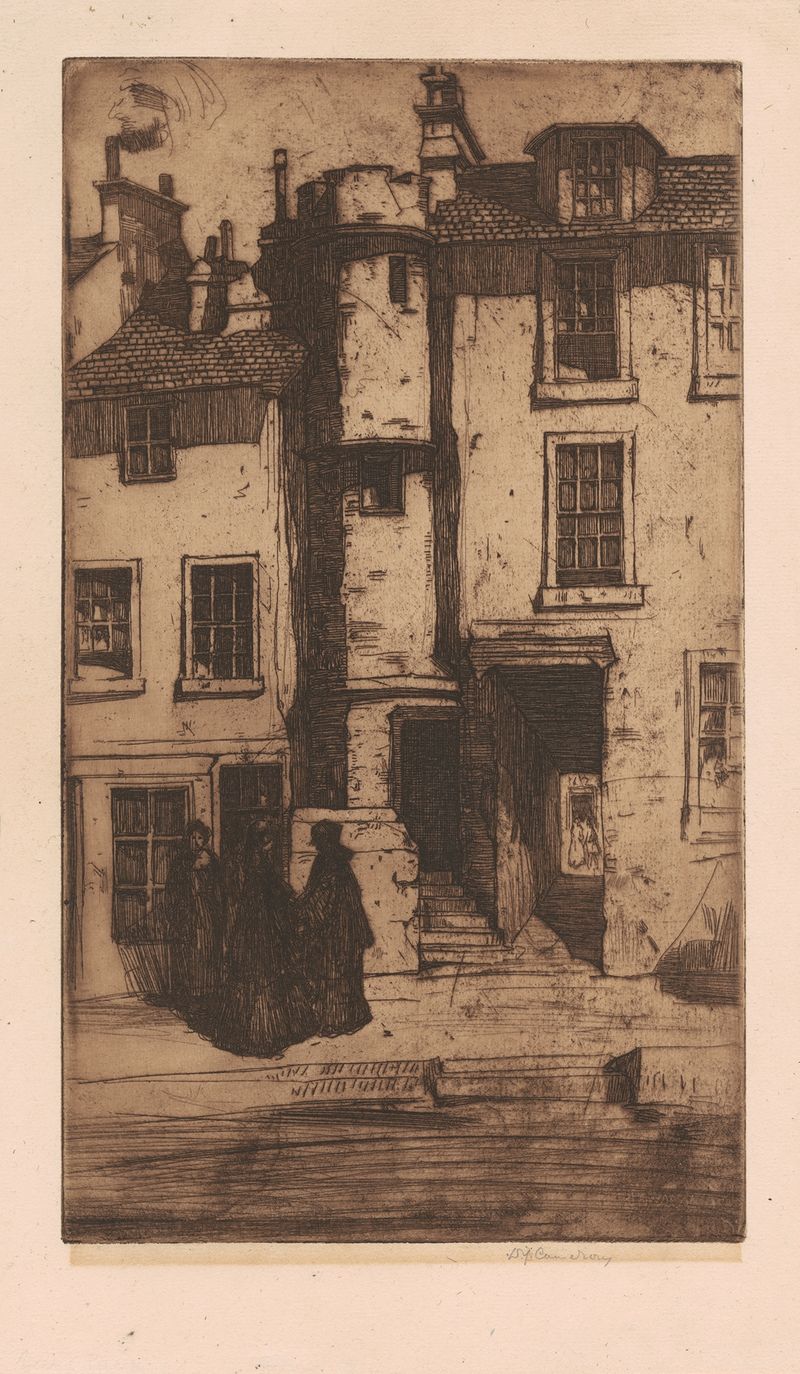
Old Houses, Stirling
David Young Cameron
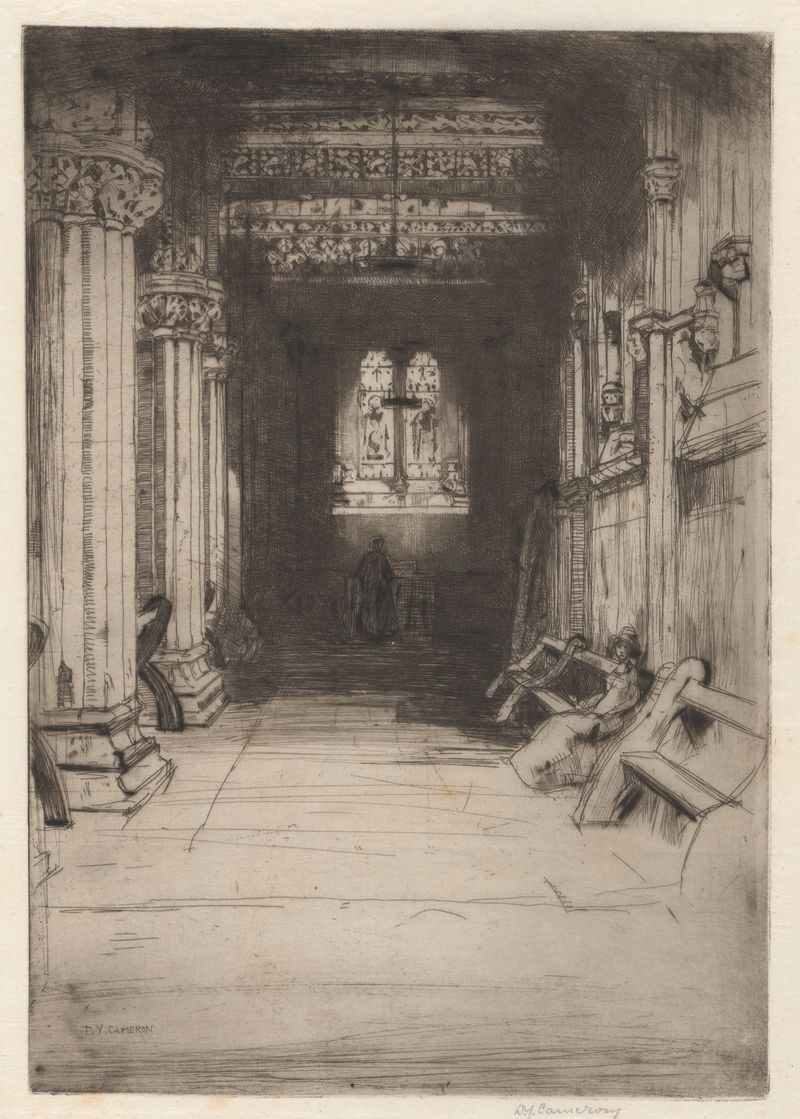
Rosslyn Chapel
David Young Cameron

The Old Museum, Beauvais
David Young Cameron
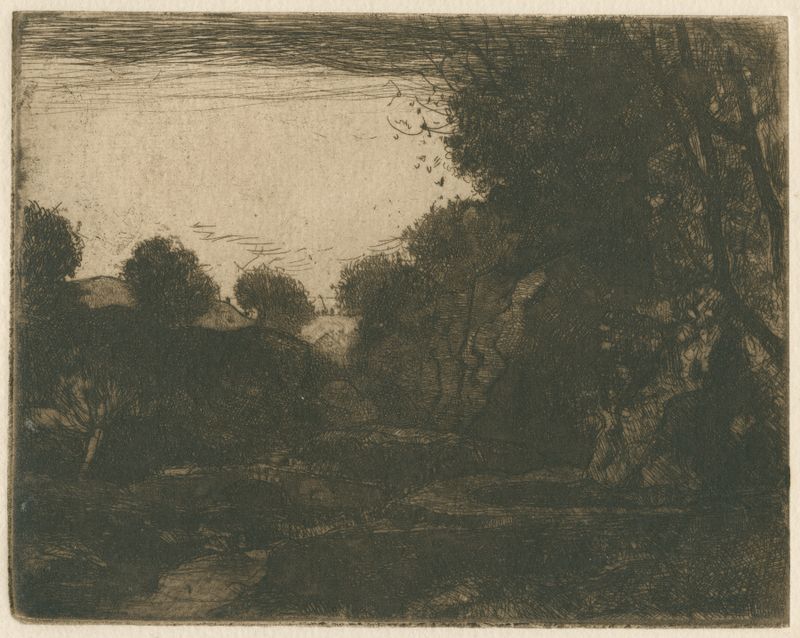
On the Bradford
David Young Cameron

The Smithy
David Young Cameron
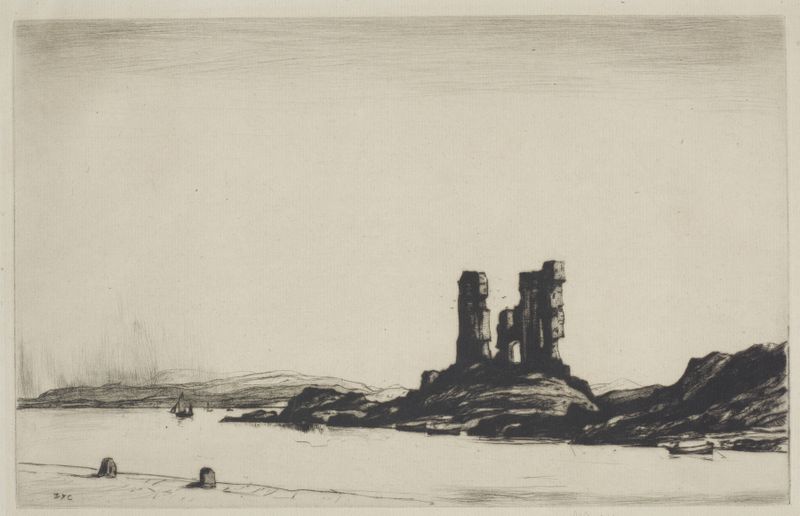
Castle Moyle
David Young Cameron
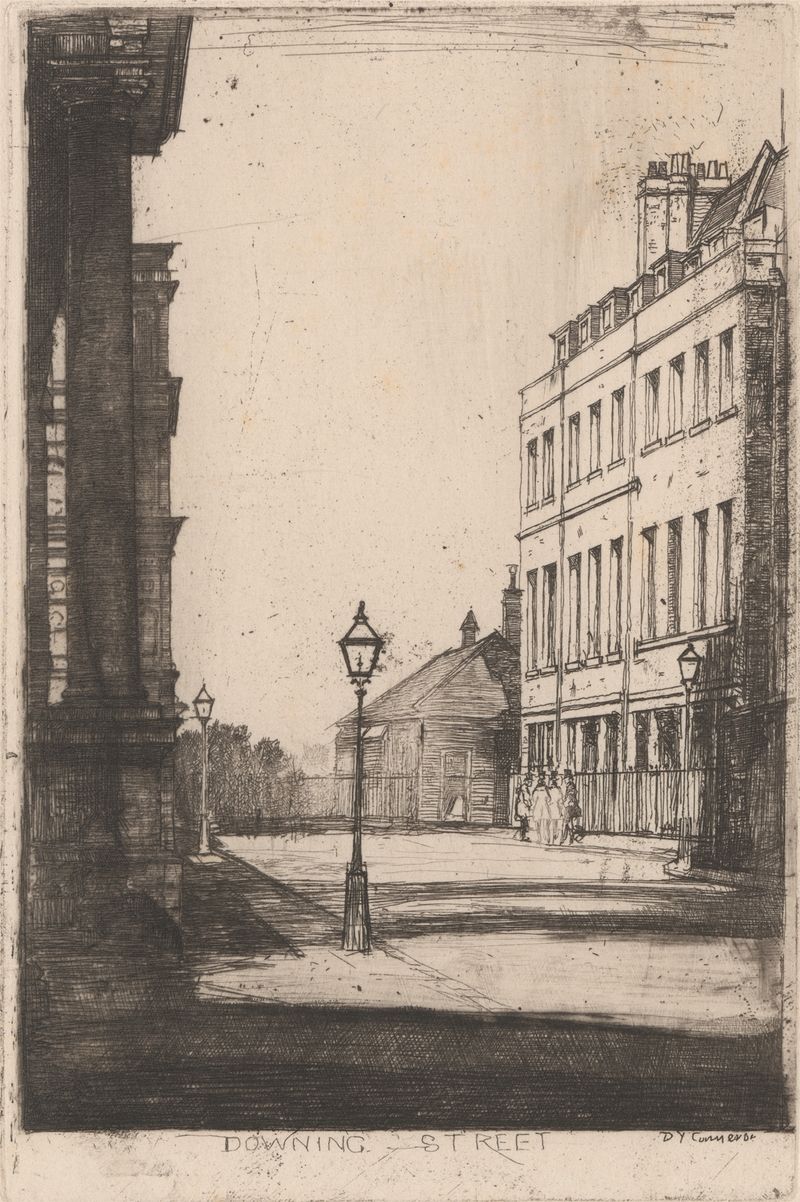
Downing Street
David Young Cameron

Glasgow Cathedral
David Young Cameron





