
Discover insights about this artwork
Locusts and Ants; A Memory of Martinique (Les cigales et les fourmis; Souvenir de la Martinique) — History & Facts
In Locusts and Ants; A Memory of Martinique, Paul Gauguin uses vibrant colors to depict a lush tropical landscape. The painting features a rich palette of greens, yellows, and browns, representing the natural beauty of Martinique. In the foreground, locusts and ants are illustrated, symbolizing the coexistence of different elements in nature.
The background showcases a serene view of the island, filled with tropical flora. This artwork is created using oil on canvas, a medium that allows for rich texture and depth. Gauguin's brushwork is expressive, with bold strokes that convey movement and life. The dimensions of the painting are approximately 80 x 100 cm, making it a sizable piece that draws the viewer in.
The composition balances the detailed foreground with the expansive background, creating a sense of harmony. Paul Gauguin painted Locusts and Ants during his time in Martinique, where he sought inspiration from the local culture and environment. This work reflects his interest in symbolism and the relationship between nature and humanity. An interesting fact about this painting is that it embodies Gauguin's transition towards a more abstract style, moving away from traditional representation.
It serves as a testament to his exploration of color and form in capturing the essence of his experiences.
More Artworks by Paul Gauguin
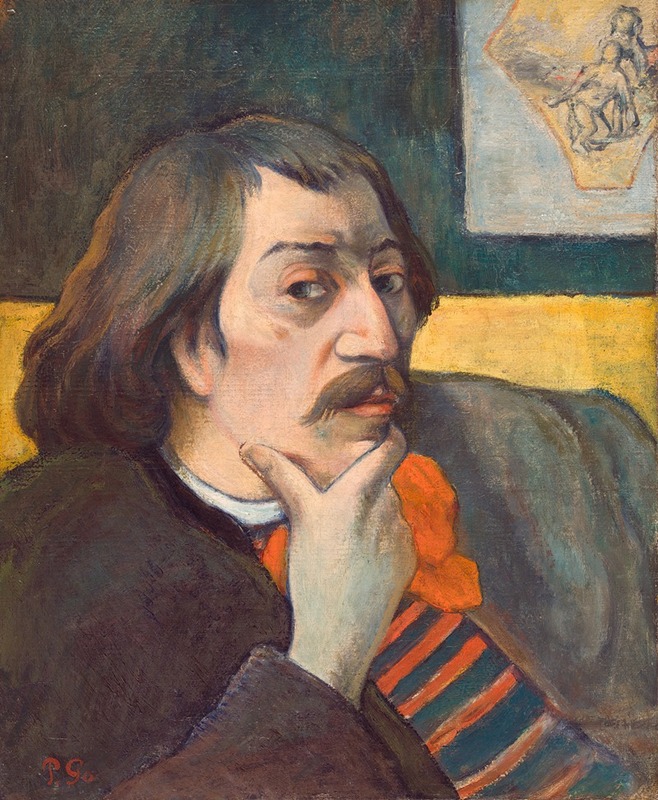
Self Portrait
Paul Gauguin
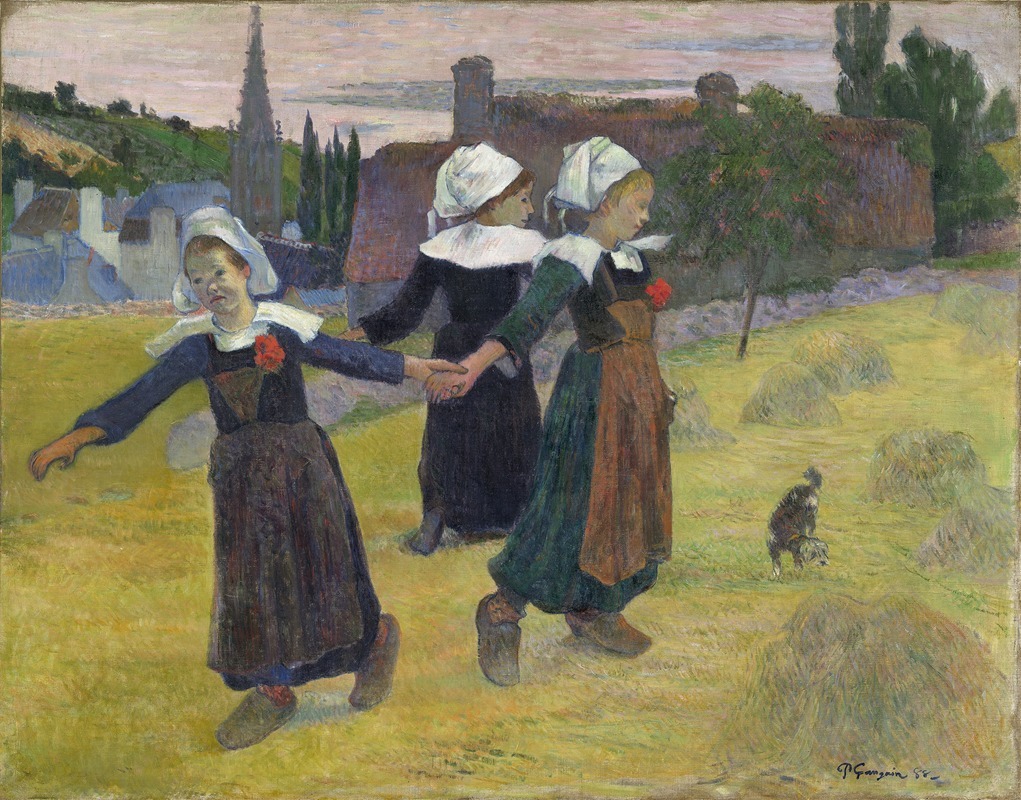
Breton Girls Dancing,Pont-Aven
Paul Gauguin
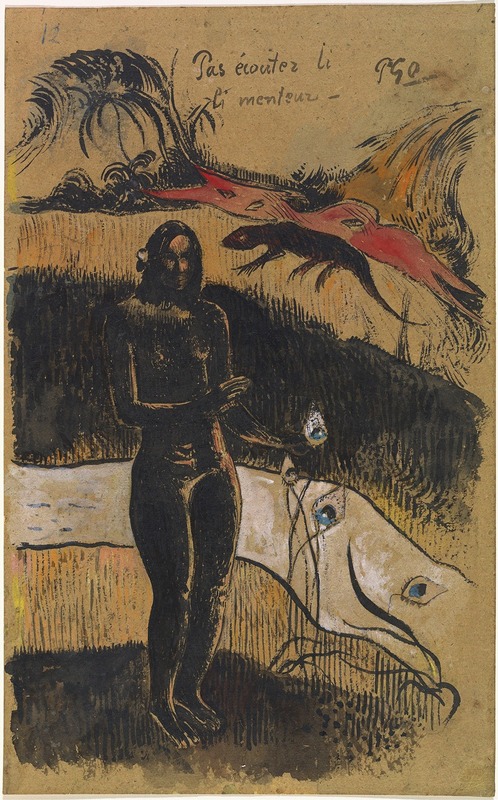
Nave Nave Fenua
Paul Gauguin
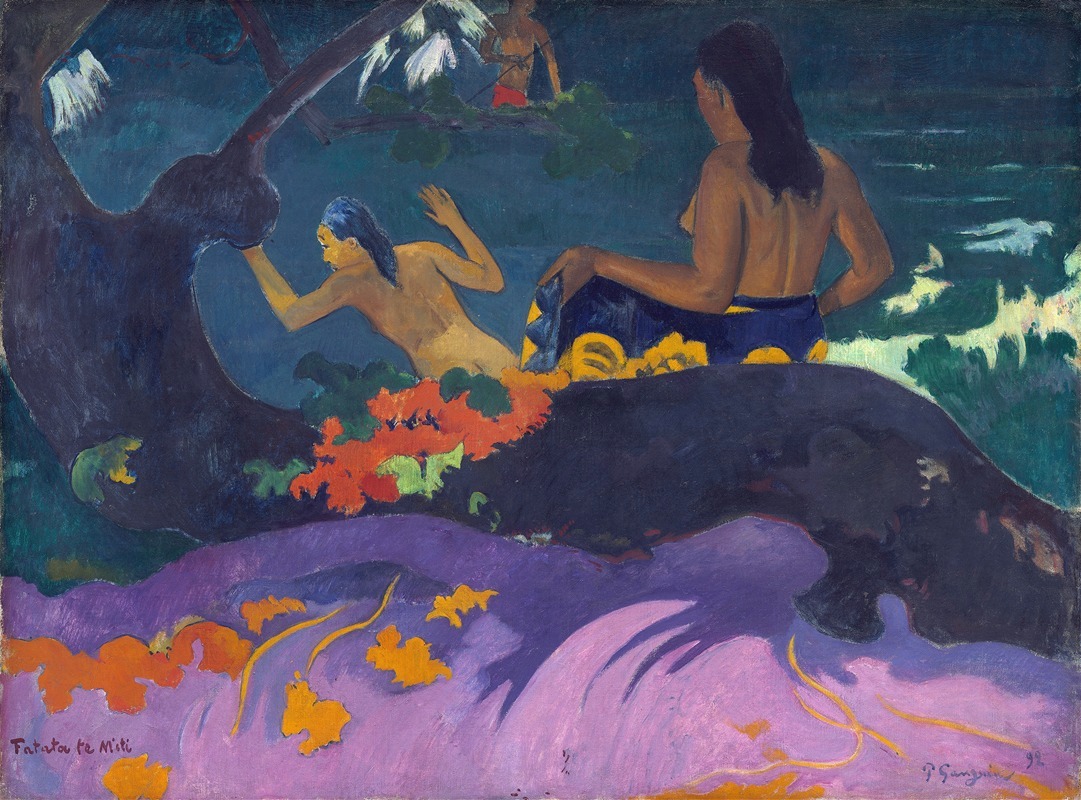
Fatata te Miti (By the Sea)
Paul Gauguin
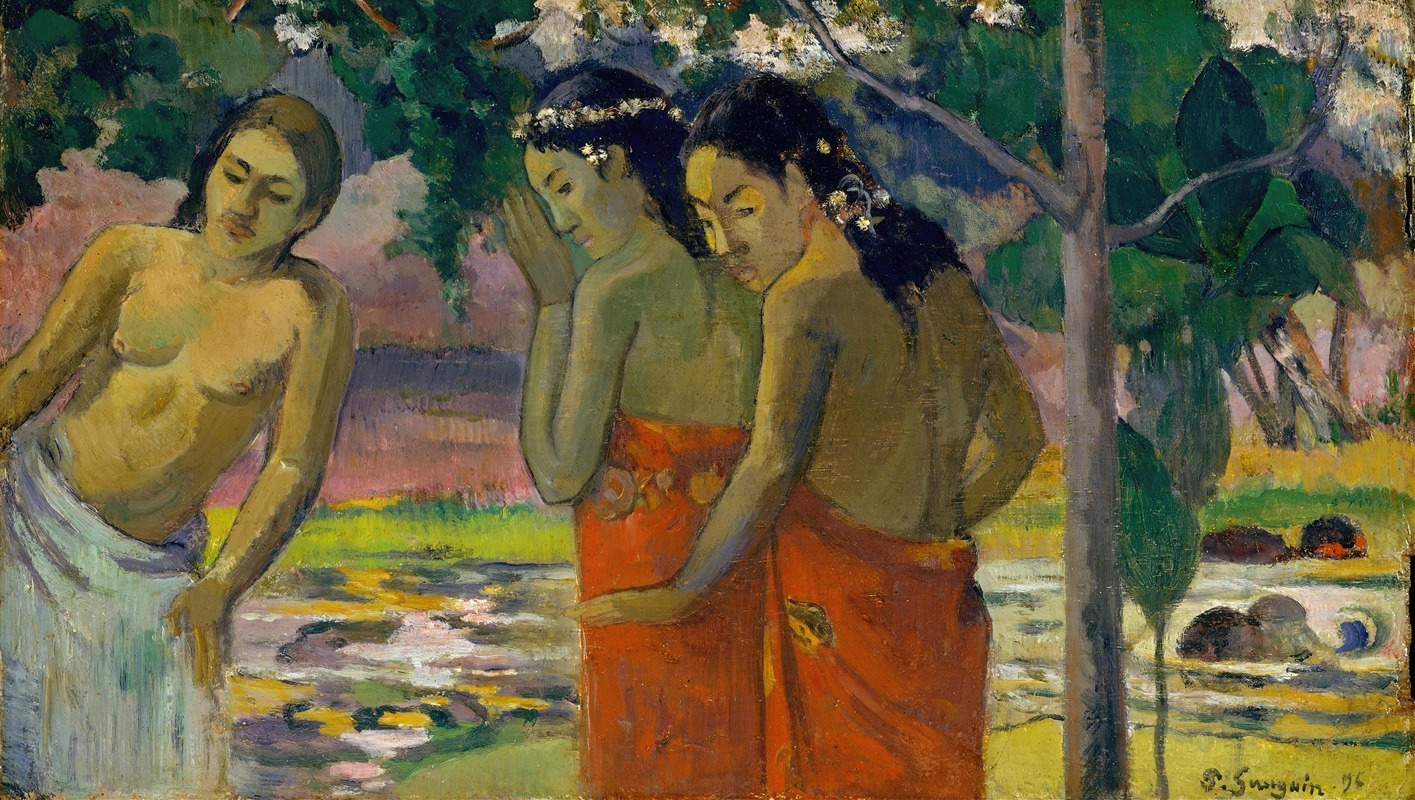
Three Tahitian Women
Paul Gauguin
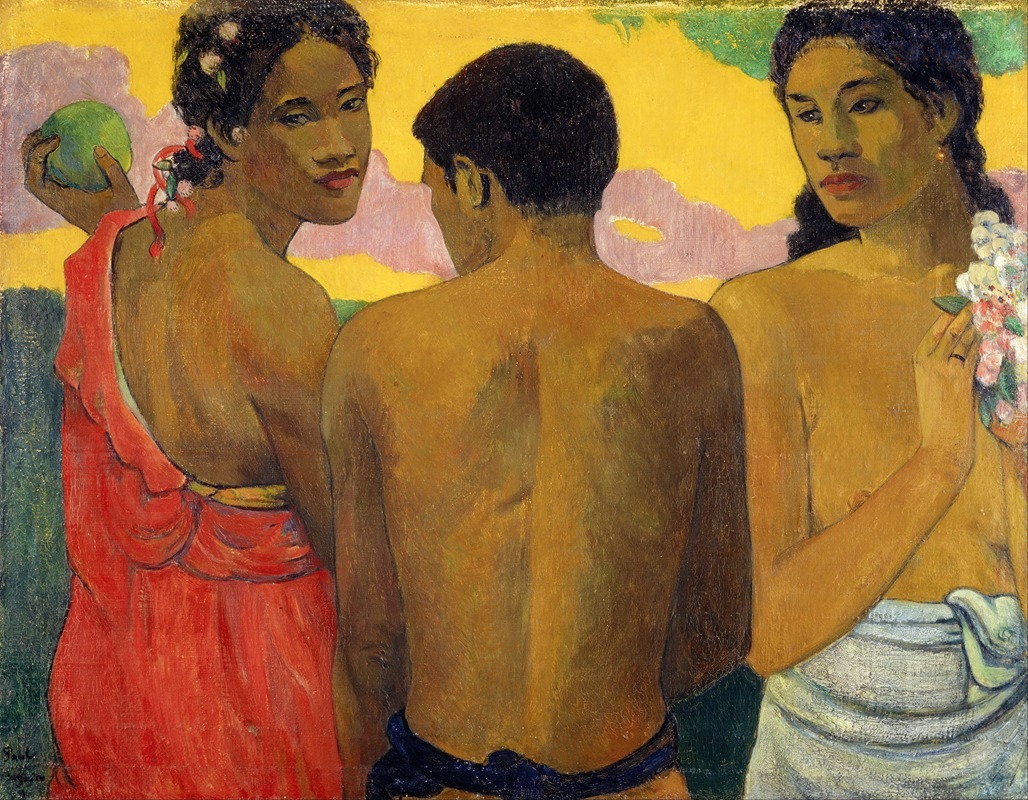
Three Tahitians
Paul Gauguin
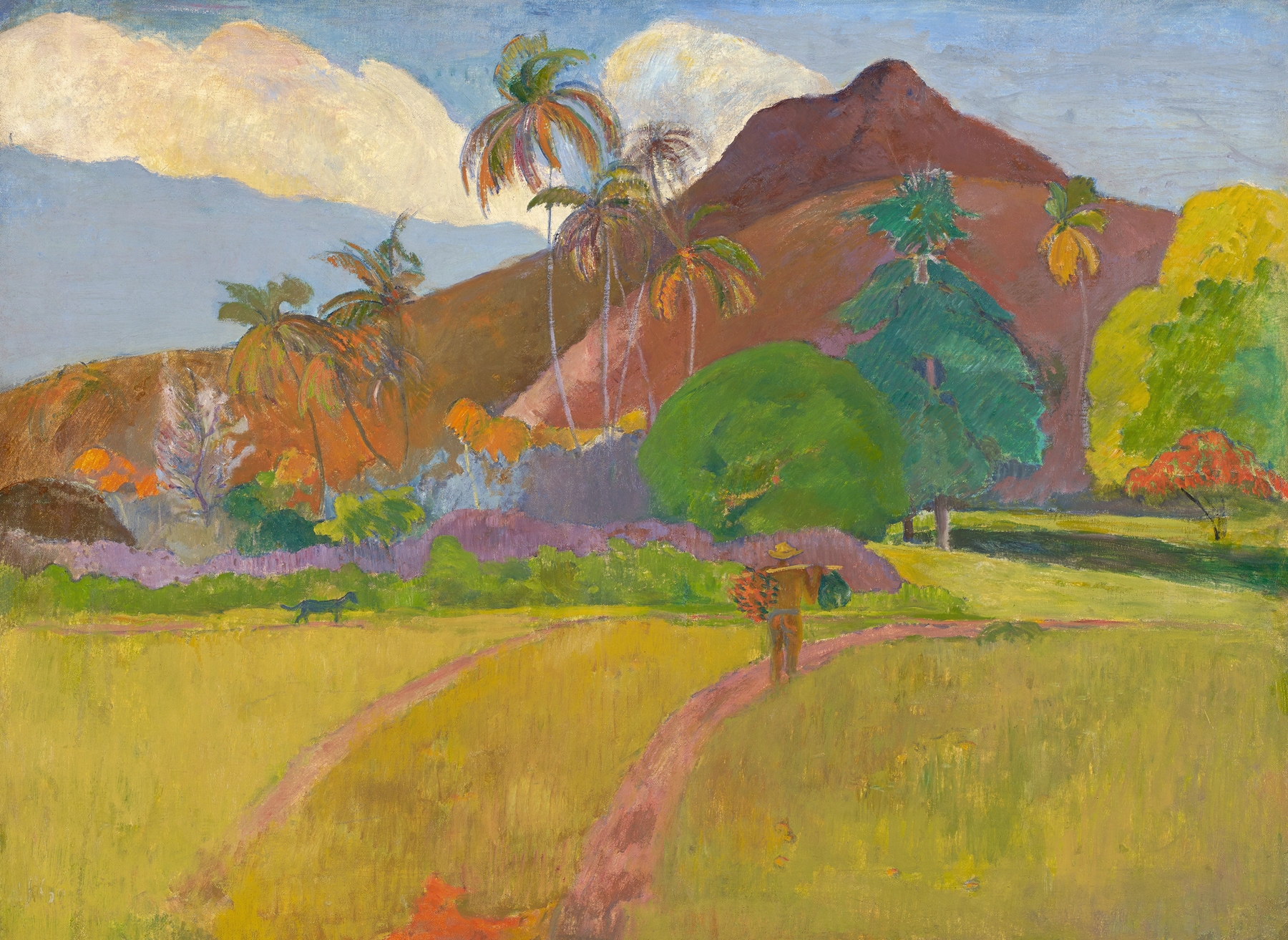
Tahitian Landscape
Paul Gauguin
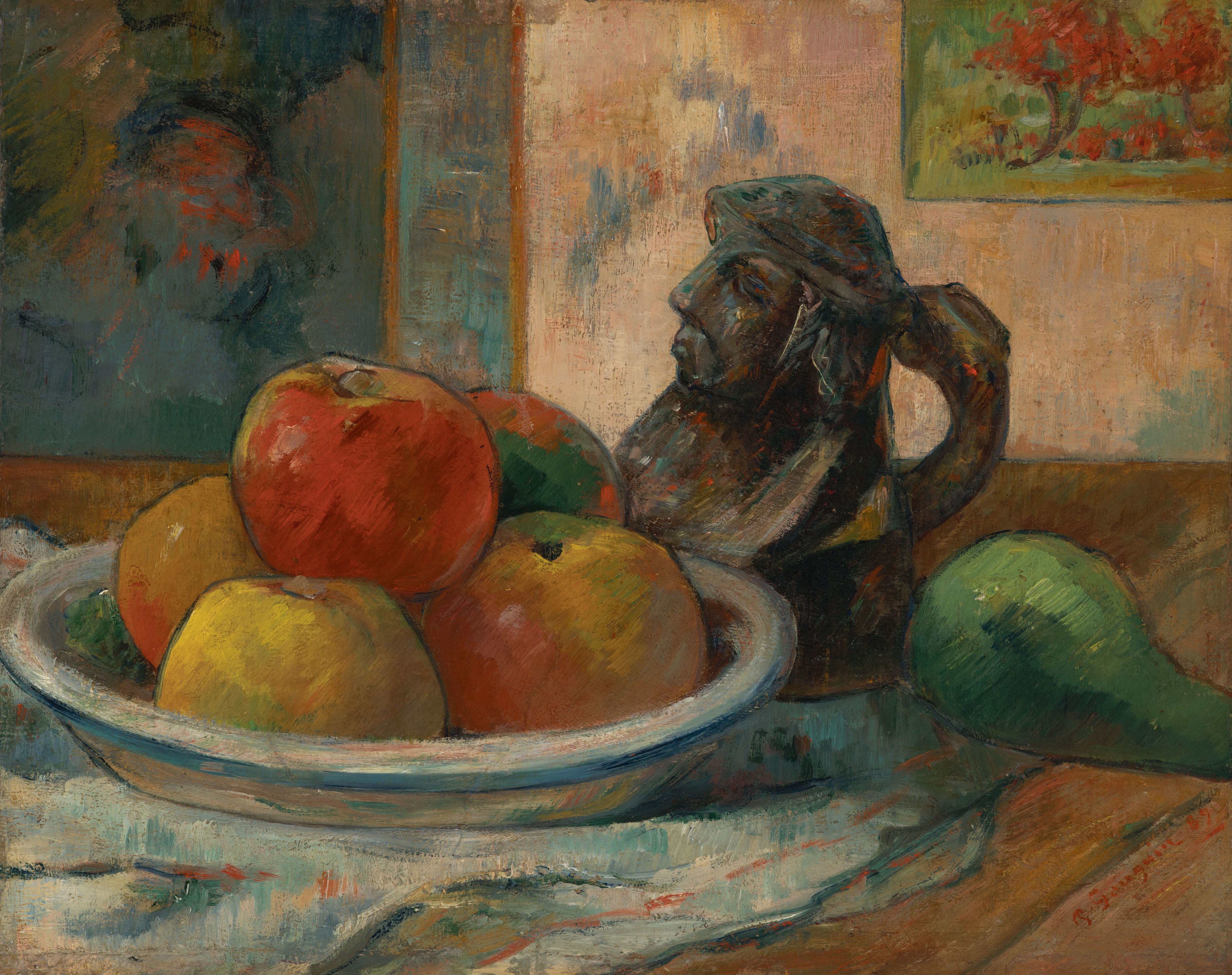
Still Life with Apples, a Pear, and a Ceramic Portrait Jug
Paul Gauguin
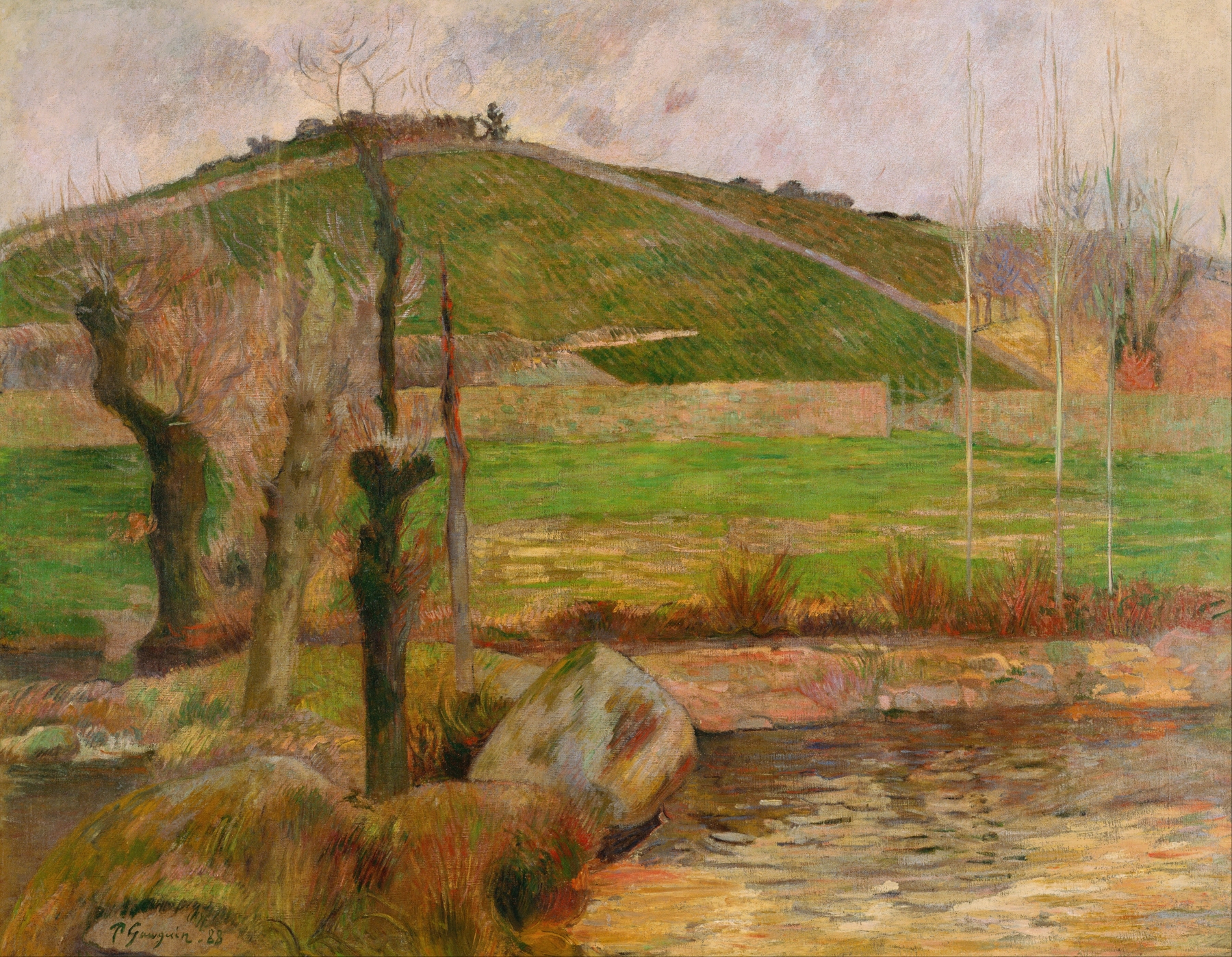
Landscape near Pont-Aven
Paul Gauguin

No te aha oe riri (Why Are You Angry?)
Paul Gauguin
More Allegory Art
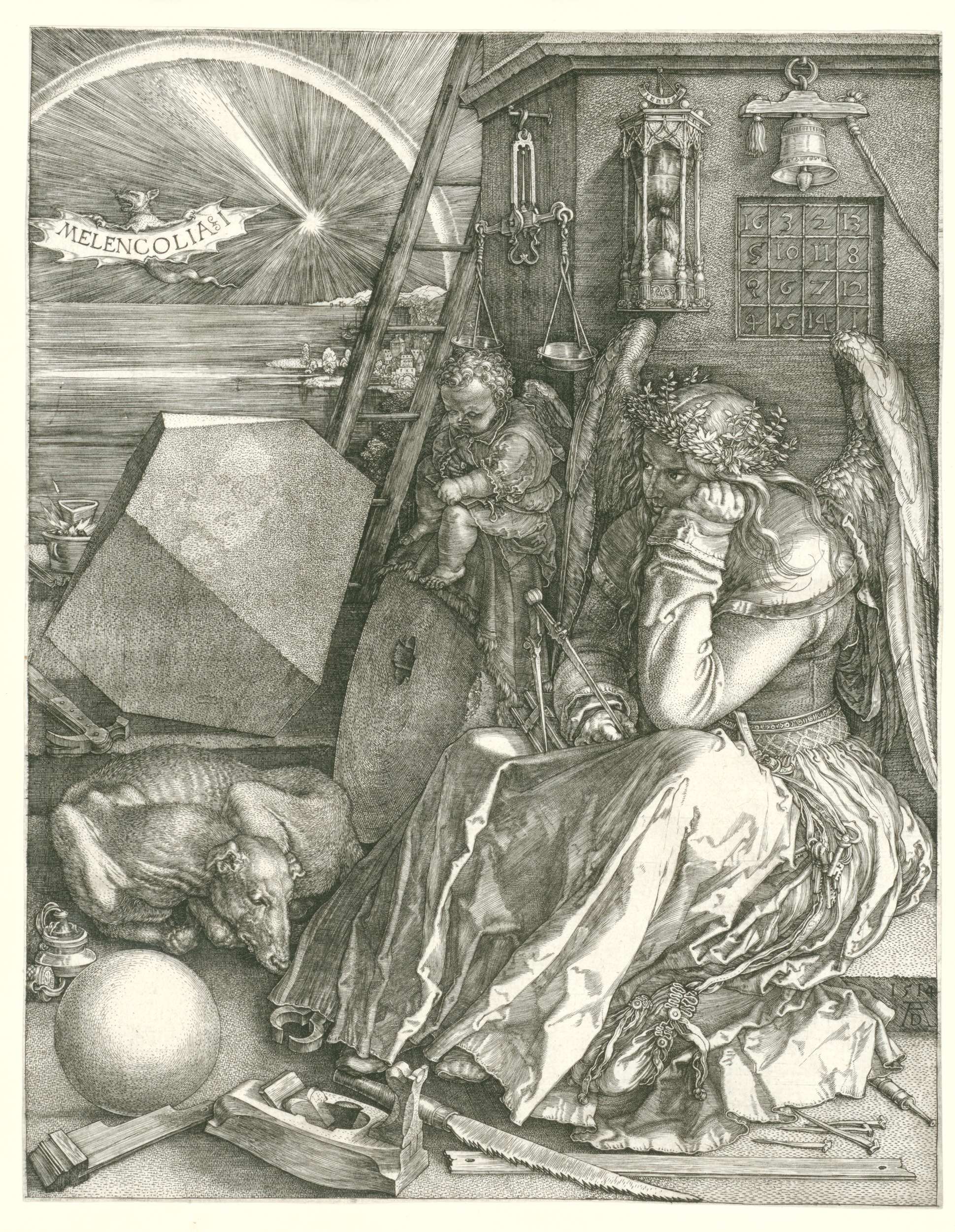
Melancholia
Albrecht Dürer
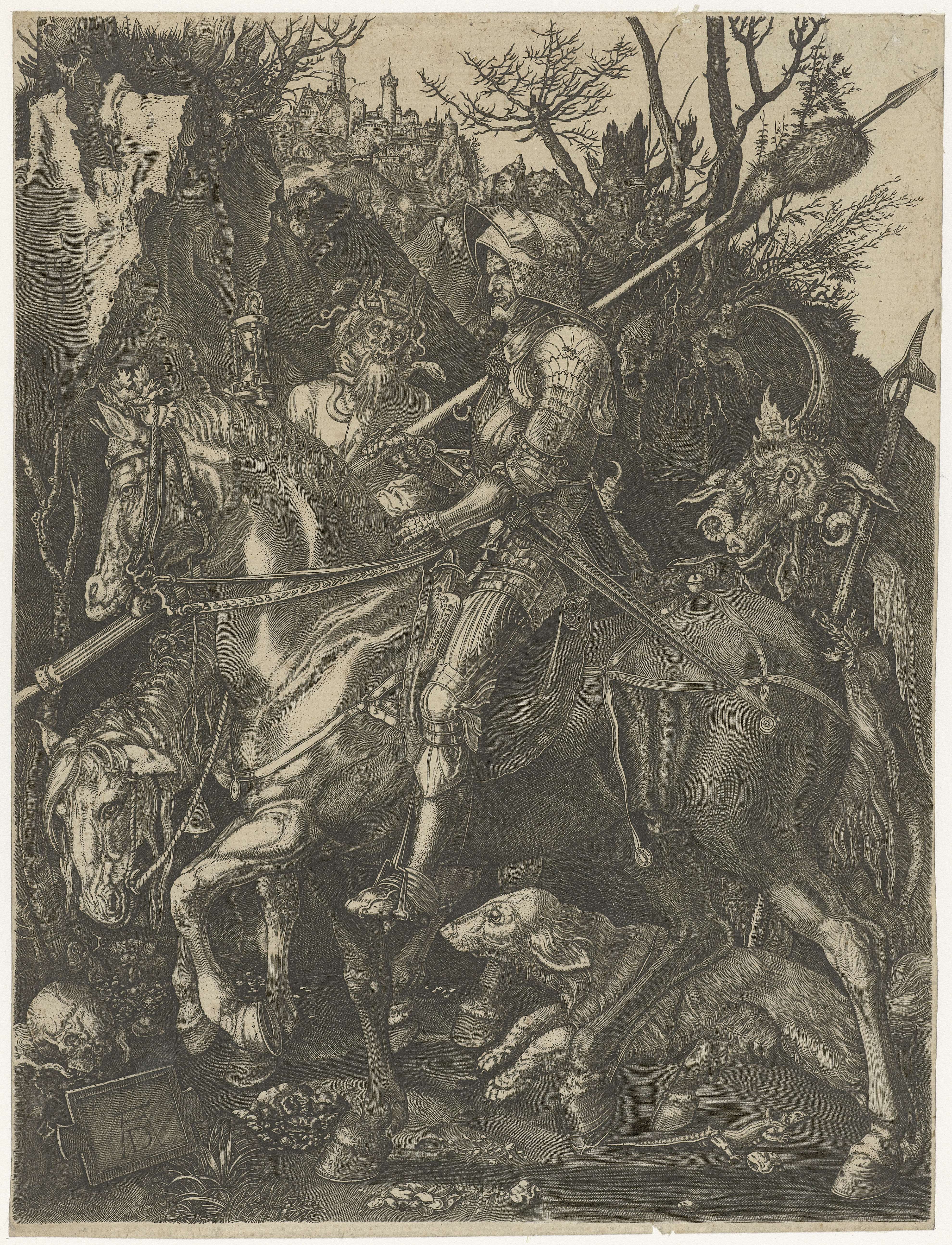
Ridder, Dood en Duivel
Unknown Artist
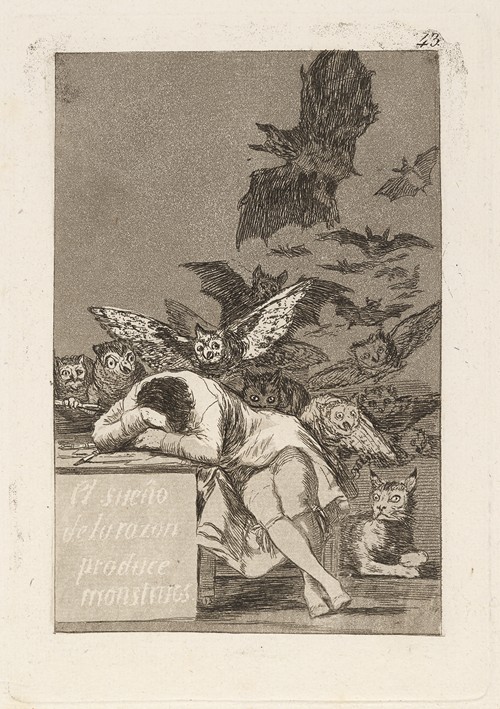
El sueño de la razon produce monstruos. (The sleep of reason produces monsters.)
Francisco de Goya
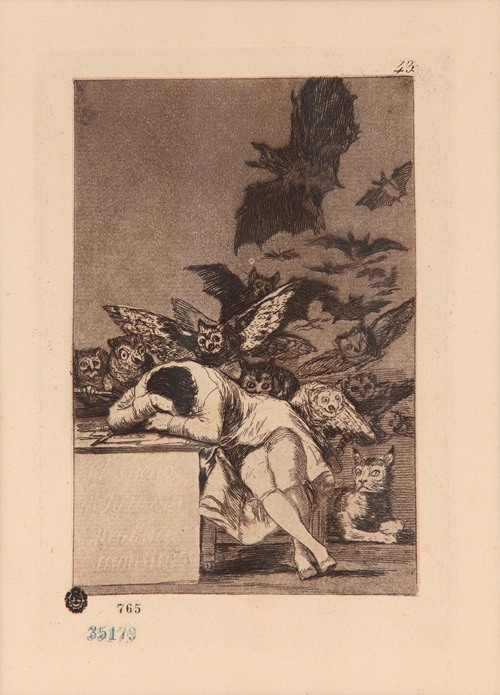
El sueño de la razon produce moustruos (Serie Caprichos)
Francisco de Goya
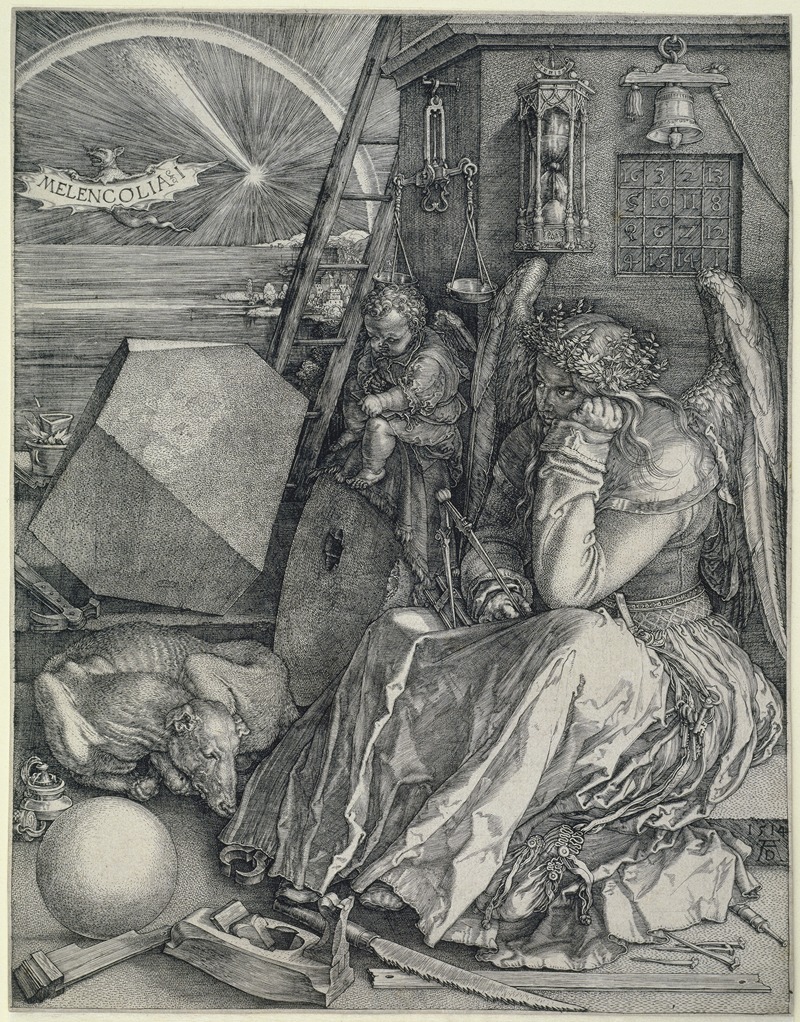
Melencolia I (The Melancholy)
Albrecht Dürer
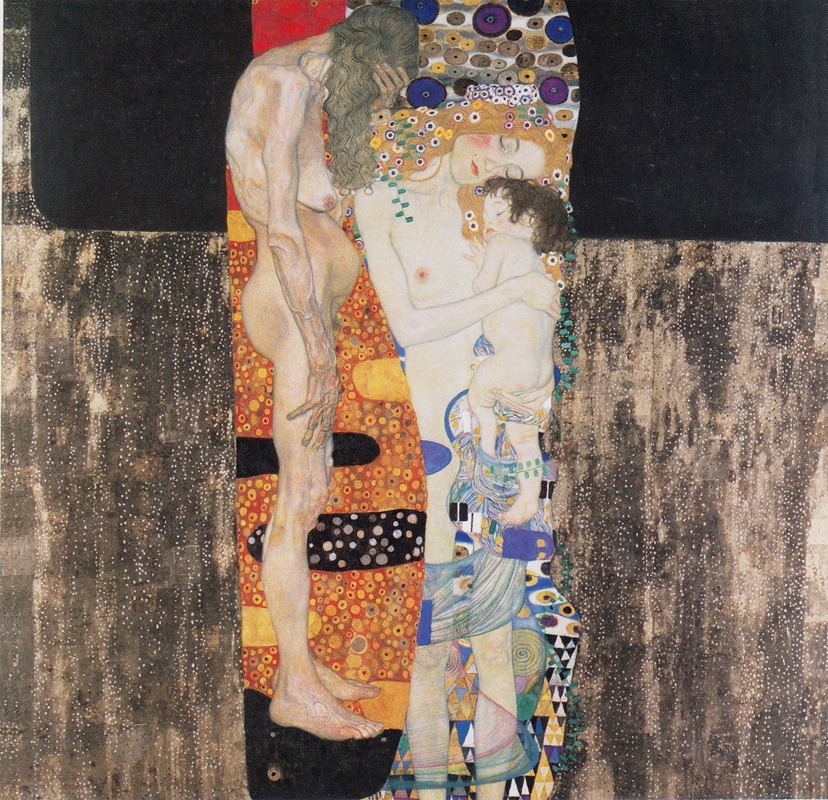
The Three Ages of the Woman
Gustav Klimt