
Lodovico Capponi — History & Facts
What first arrests the eye in Lodovico Capponi by Agnolo Bronzino is the almost theatrical confidence of the sitter, set against a vivid green backdrop that seems to pulse with the energy of courtly Florence. The young man’s gaze is steady, his lips pressed in an expression that is both cool and assured. Every fold of his black satin doublet and every gleam on his meticulously rendered white sleeve draws us into a world where clothing is not just protection but a language of power and identity.
His right hand, raised with fingers elegantly splayed, is a gesture that hints at self-possession and perhaps a coded message—this was an age when hands could speak as loudly as faces. The light, so carefully controlled, caresses his face and hands, separating him from the green drapery and lending him an air of almost sculptural presence. This portrait belongs to the mid-sixteenth century, a time when Florence was ruled by the Medici and the art of portraiture was a tool of both personal and political ambition. Painted between 1550 and 1555, and now housed in the Frick Collection, this work is a testament to the values of the Italian Renaissance elite: refinement, intellect, and lineage.
Portraits like this were not mere likenesses but declarations of status, often commissioned to mark a coming of age, a marriage, or entry into public life. Bronzino, celebrated for his cool precision and psychological depth, was the favored portraitist of the Florentine court, and his sitters are often caught in a moment of poised self-awareness. The world that produced this portrait was one of calculated display, where every detail—down to the rings and the book clasped in the sitter’s left hand—carried meaning.
Let your eyes linger on the textures and the gaze, and imagine the ambitions and anxieties behind that composed façade.
More Artworks by Agnolo Bronzino

Eleonora Of Toledo
Agnolo Bronzino
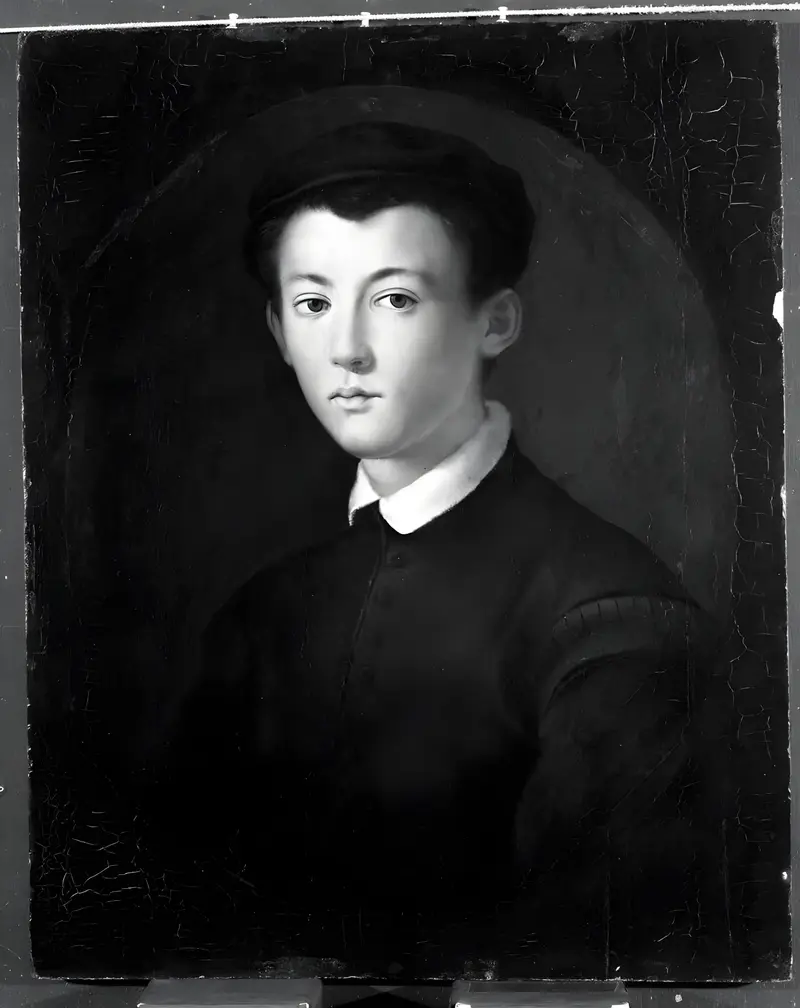
Portrait of a Young Man
Agnolo Bronzino
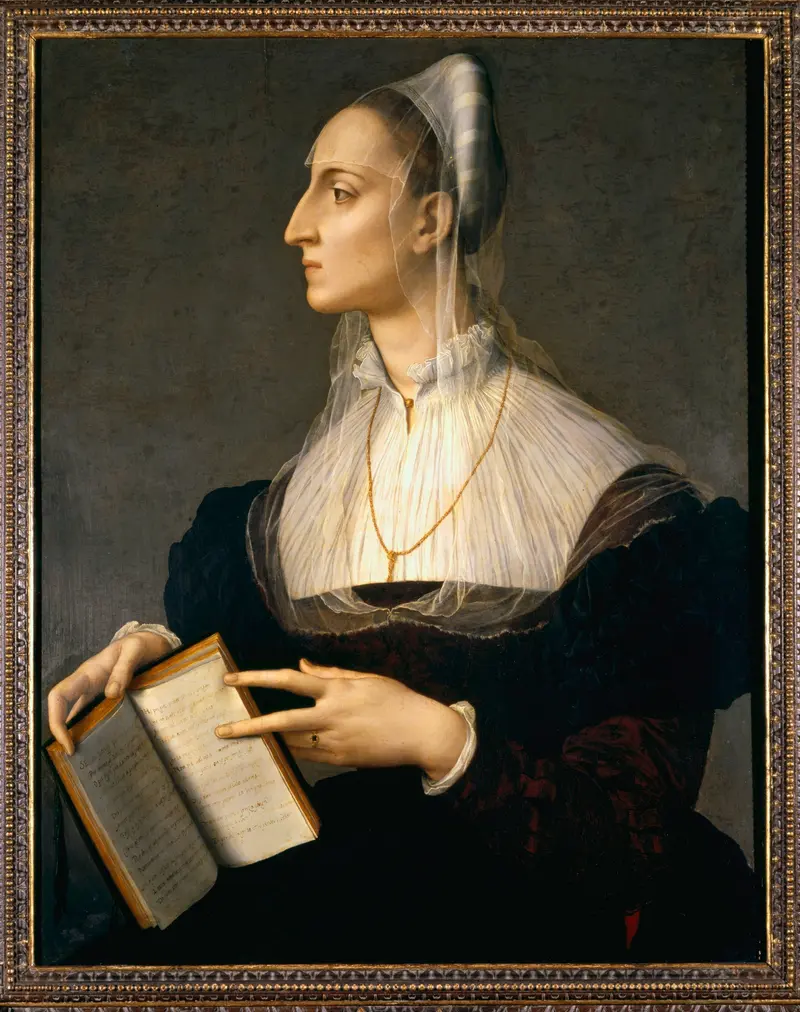
Portrait Of Laura Battiferri
Agnolo Bronzino

Venus, Cupid And Satyr
Agnolo Bronzino
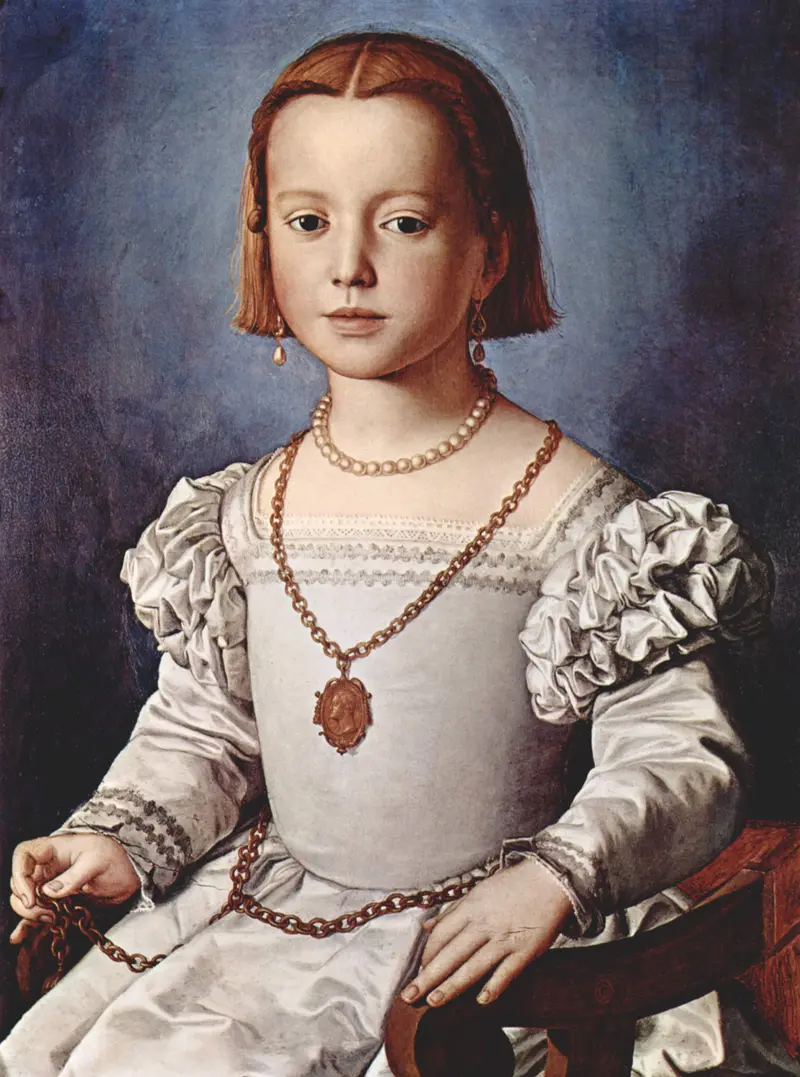
Bia Di Cosimo De‘ Medici
Agnolo Bronzino
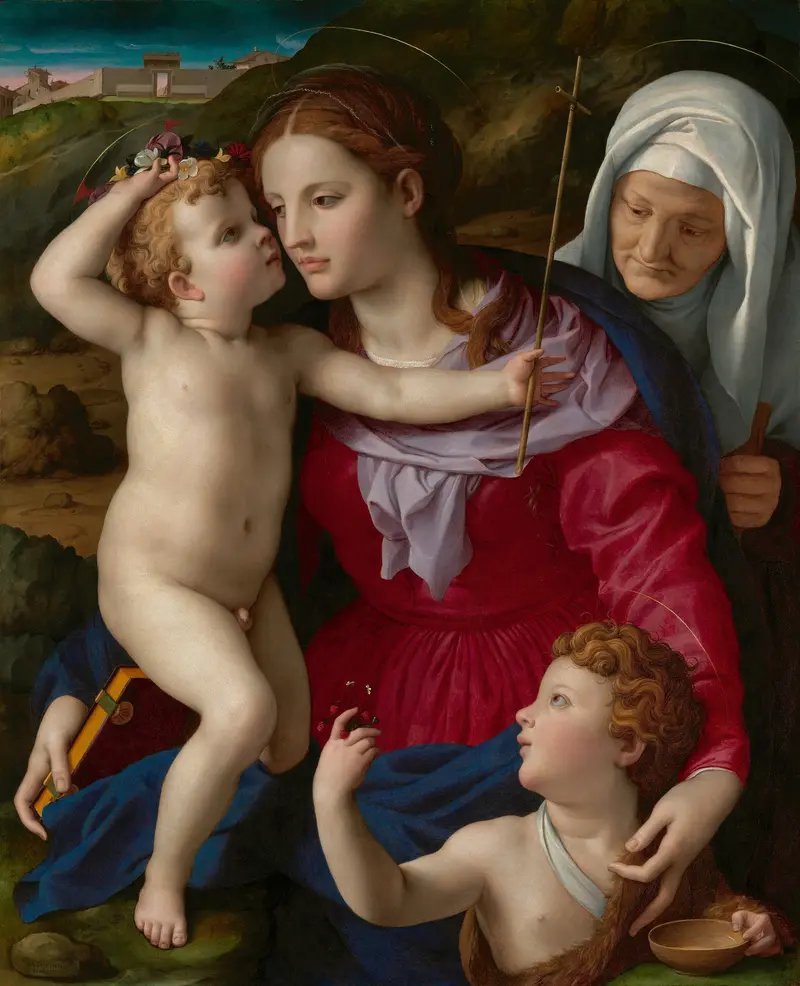
Virgin and Child with Saint Elizabeth and Saint John the Baptist
Agnolo Bronzino
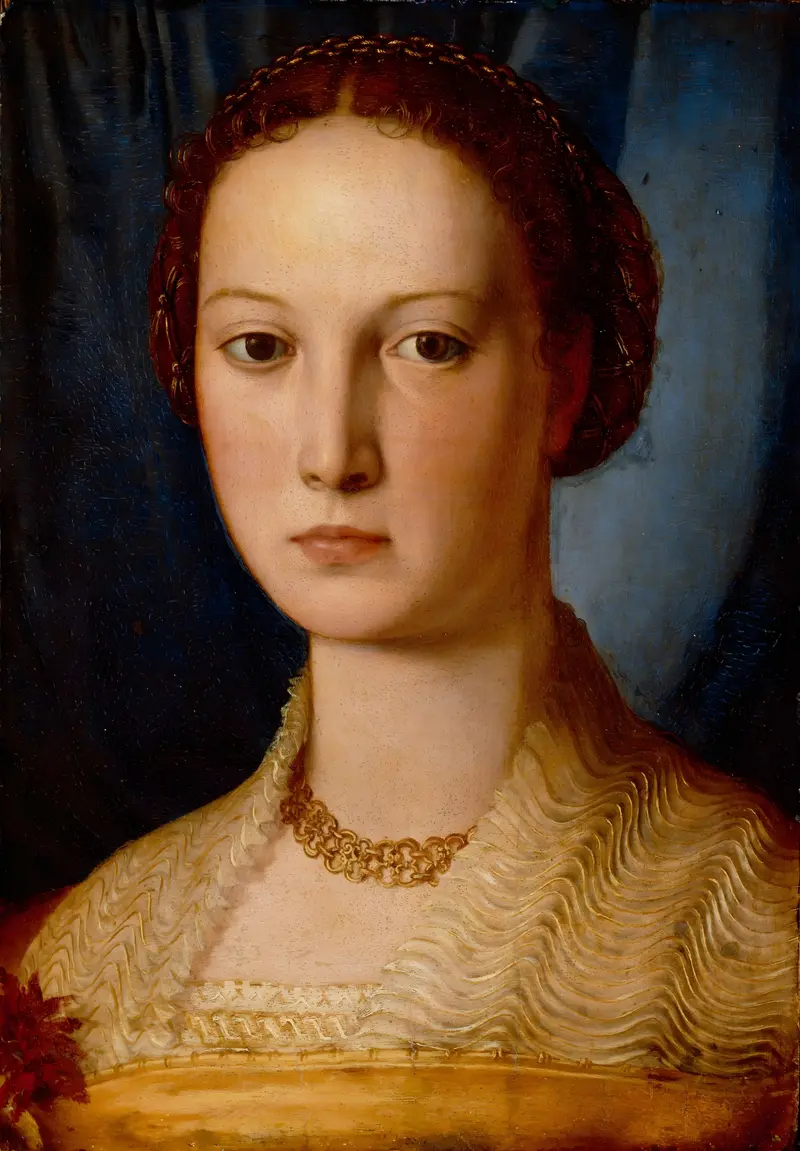
Costanza Da Sommaia
Agnolo Bronzino
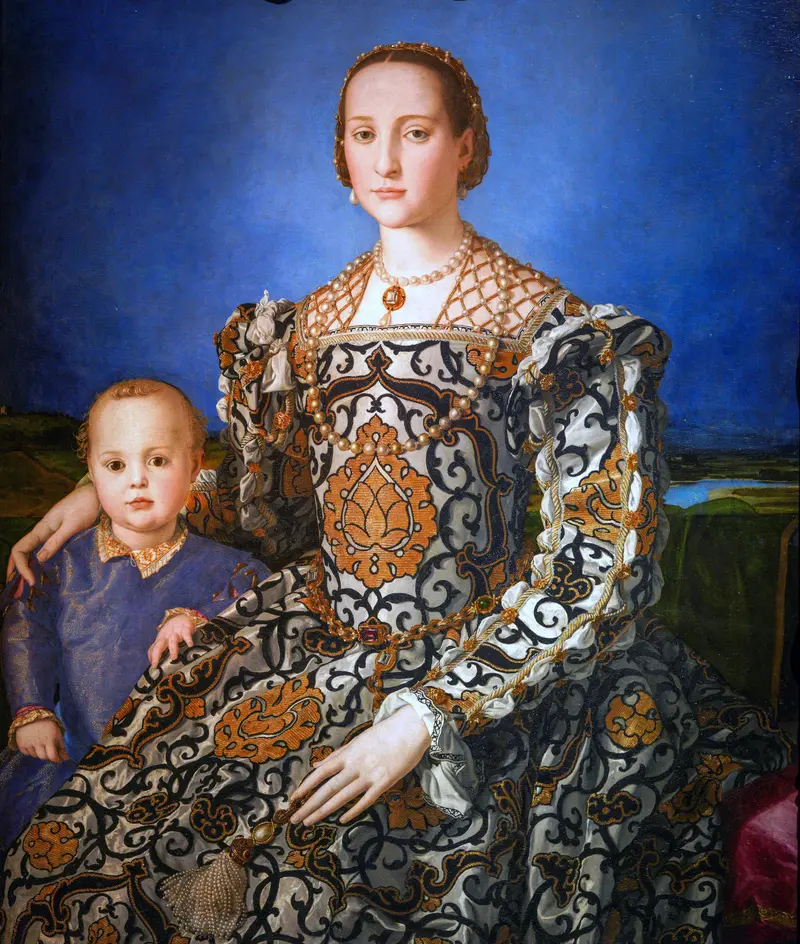
Portrait of Eleanor of Toledo with Her Son Giovanni de’ Medici
Agnolo Bronzino
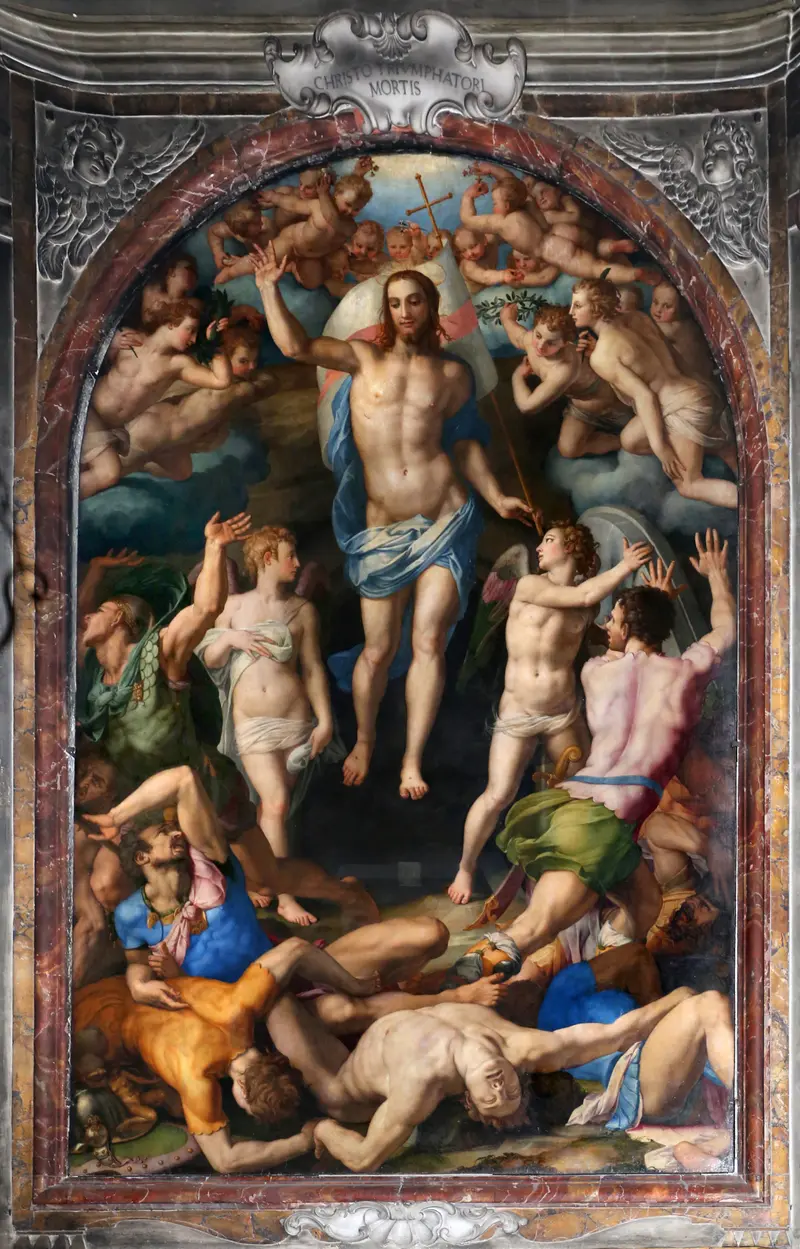
Resurrection Of Christ
Agnolo Bronzino
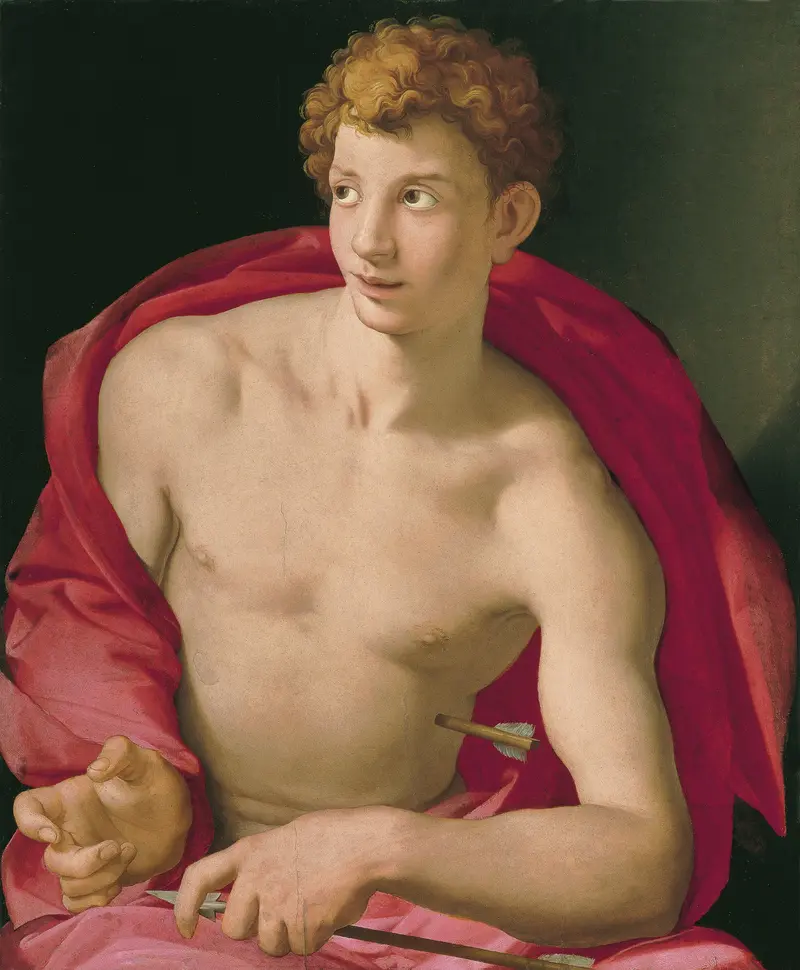
Saint Sebastian
Agnolo Bronzino





