Loguivy — History & Facts
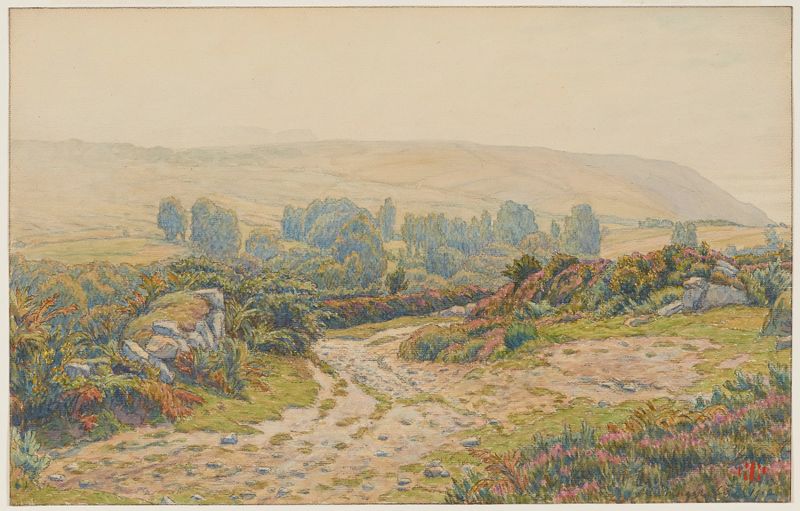
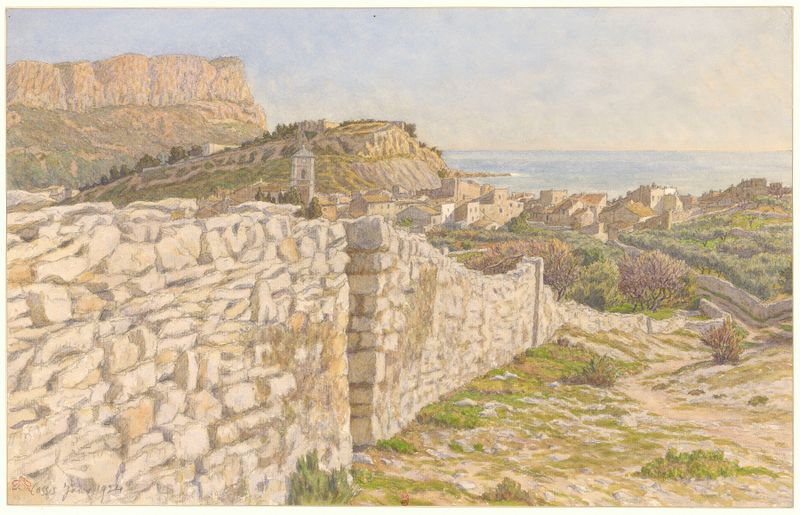
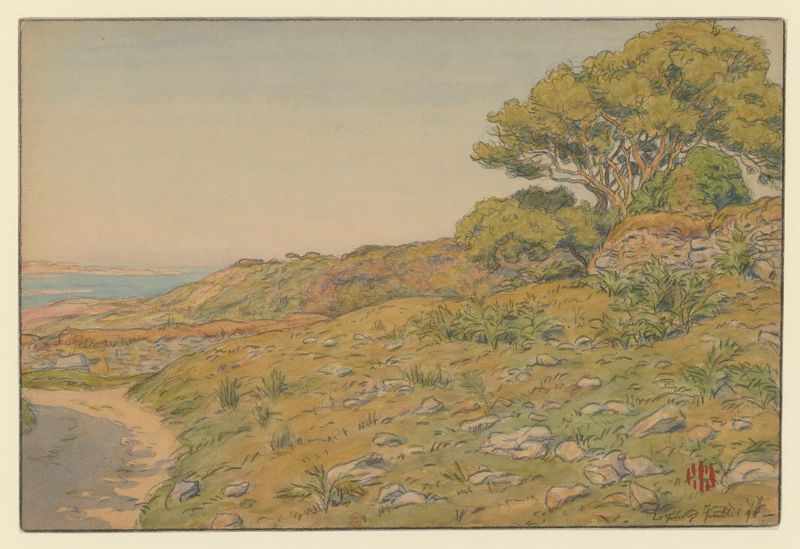
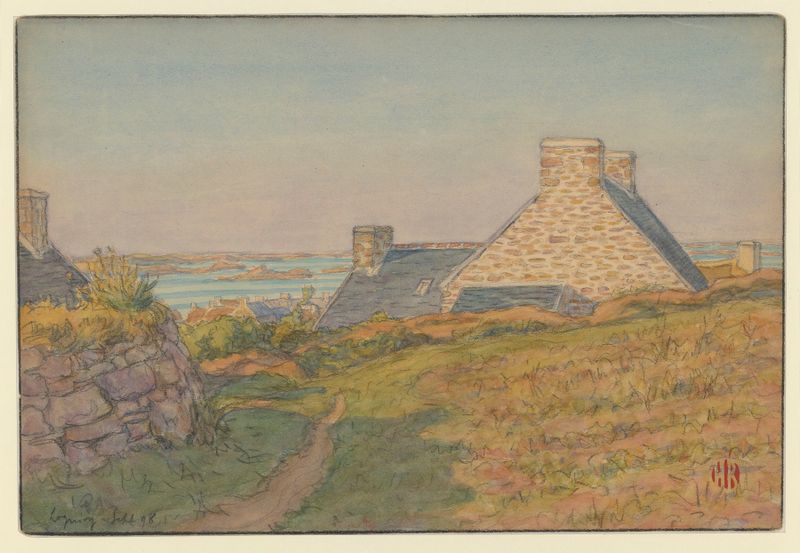
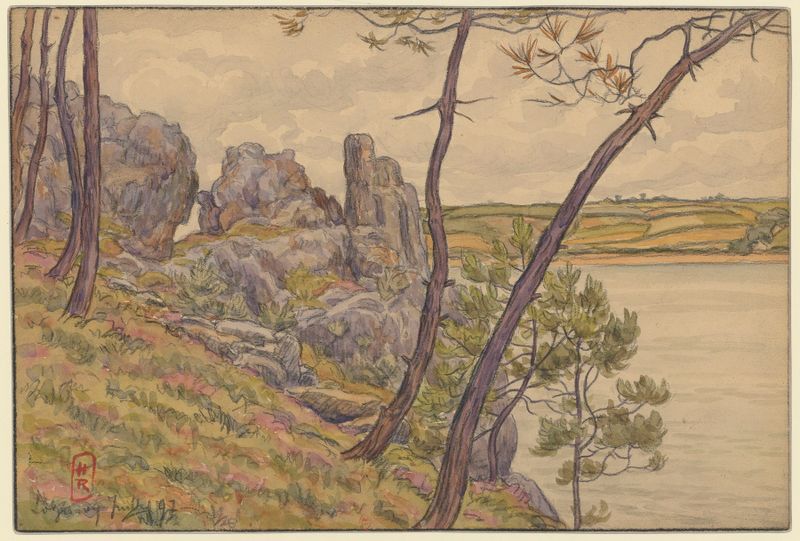
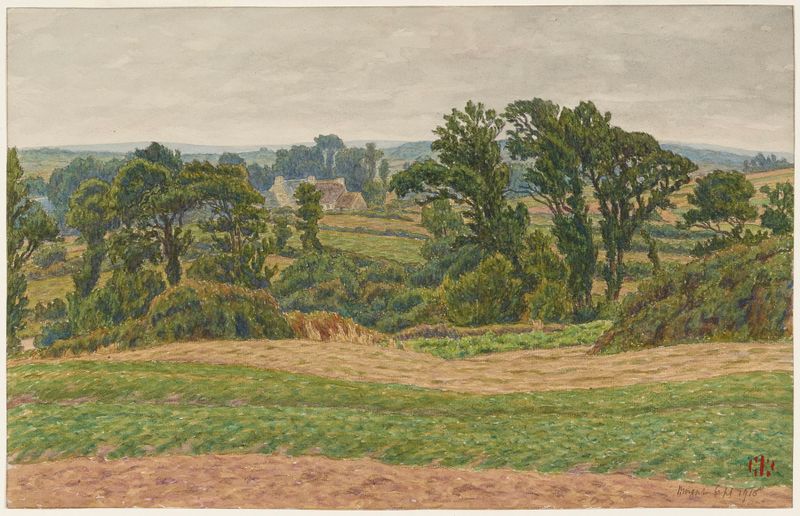
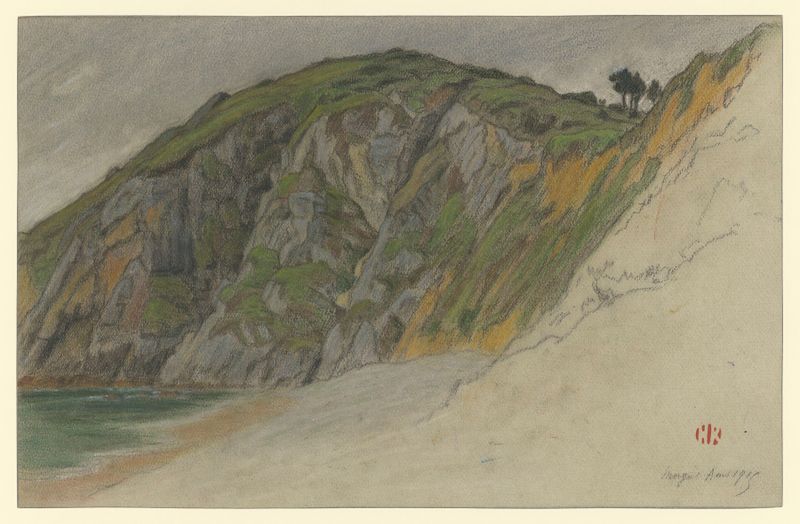
Can paint confess what words never could? The canvas whispers secrets of rebirth and renewal, inviting the viewer to delve into its depths where emotions long to emerge. Look to the right at the rich, vibrant blues that envelop the landscape, creating a serene backdrop for both reflection and contemplation. The lively strokes of green and gold weave through the foreground, suggesting life, movement, and the promise of growth. Notice how the light falls upon the water, capturing fleeting moments that dance across the surface, while the subtle tension between the elements hints at an unseen energy, a pulse of vitality threaded throughout the composition. At first glance, the tranquil scene exudes a sense of calm, yet deeper inspection reveals a harmonious interplay between stillness and dynamic life.
The juxtaposition of the dormant land and the shimmering water suggests an eternal cycle—where tranquility breeds creativity, and silence gives rise to the cacophony of renewal. Each brushstroke serves not just to depict a landscape, but to evoke a sense of yearning for what is yet to come, a promise that echoes in the heart of the viewer. In 1900, Rivière created this work amidst a vibrant Parisian art scene that was increasingly embracing Impressionism and the exploration of color and light. This was a time of personal transformation for the artist, as he sought to capture the ephemeral nature of beauty and the essence of life.
As the world outside burgeoned with change, Loguivy became a testament to Rivière’s quest to immortalize these fleeting moments, ultimately revealing the emotional depth that only art can convey.