Loguivy — History & Facts
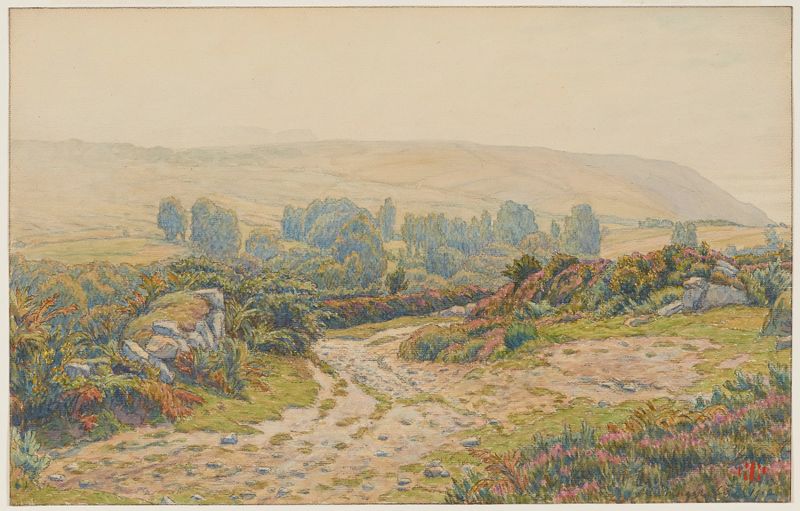
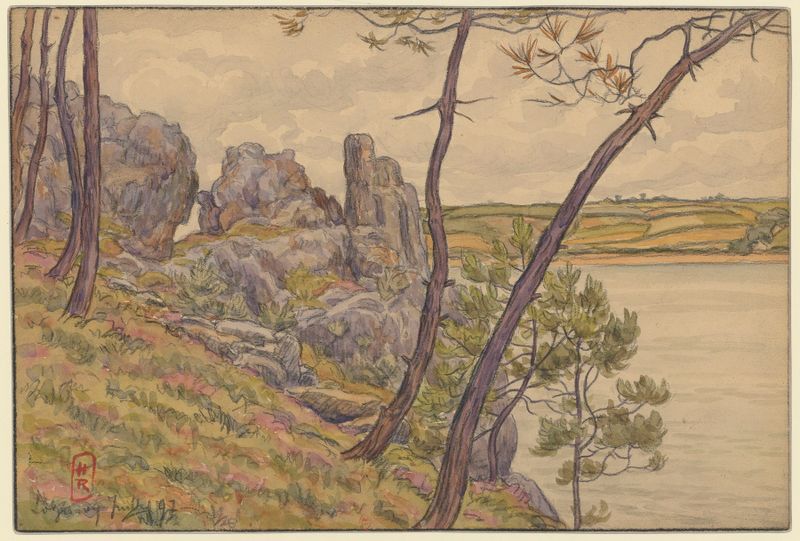
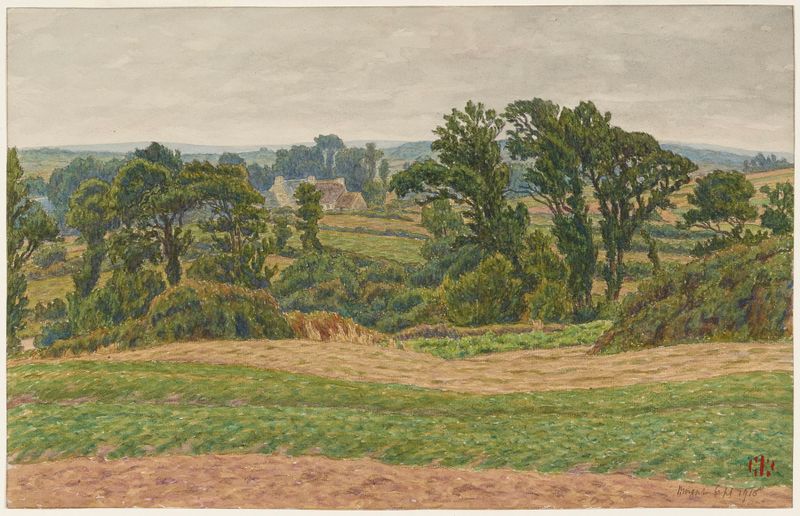
What if beauty was never meant to be finished? In the tender embrace of nature, we find a moment suspended between the ephemeral and the eternal, a vision that captures destiny in its most delicate form. Look to the center of the canvas, where a serene landscape unfolds, revealing rolling hills that seem to beckon the viewer into an enchanting world. Notice how the soft, muted colors blend seamlessly, with gentle blues and greens mingling like whispers on a breeze. Each stroke of paint suggests a harmony between earth and sky, while the subtle brushwork evokes a sense of tranquility that draws the eye deeper into the scene.
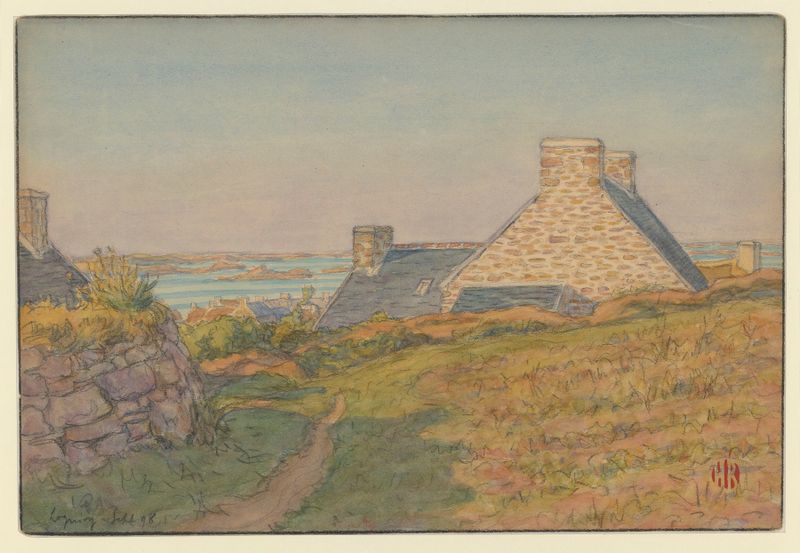
The delicate interplay of light and shadows creates a rhythmic pulse, inviting us to linger in this reverie. Beneath the surface, hidden meanings emerge—a tension between the idyllic beauty of the landscape and the fleeting nature of time. The distant horizon evokes a sense of longing, suggesting that this moment is both a destination and a journey, forever in flux. The trees, poised in stillness, seem to bear witness to the passage of time, reminding us that our experiences are fleeting yet profoundly impactful, echoing the idea that beauty may lie in its impermanence. Henri Rivière painted Loguivy in 1900, during a period of personal exploration and artistic evolution.
Living in France, he was deeply influenced by the Symbolist movement, which sought to convey feelings and ideas beyond the visible. This was a time of transition in the art world, marked by a shift towards impressionism and a desire to capture the essence of nature in a more intimate, emotional way. Rivière's work reflects this evolution, embodying a quest for truth and beauty amidst the changing tides of his era.