Loguivy — History & Facts
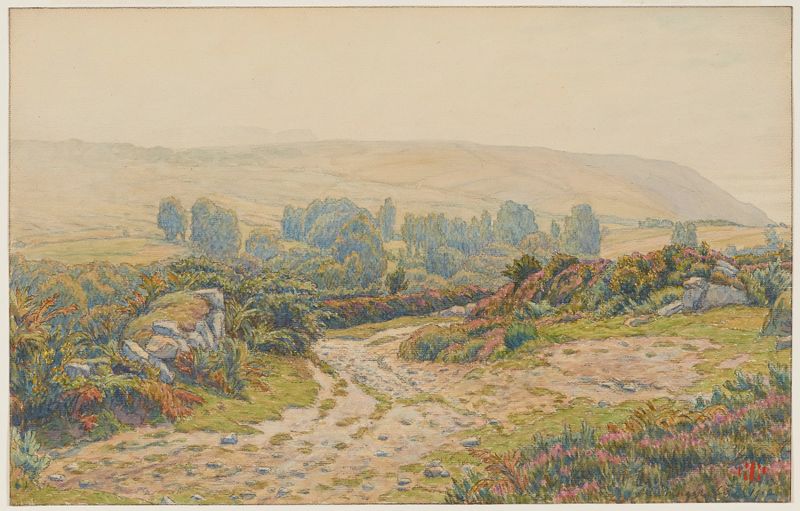
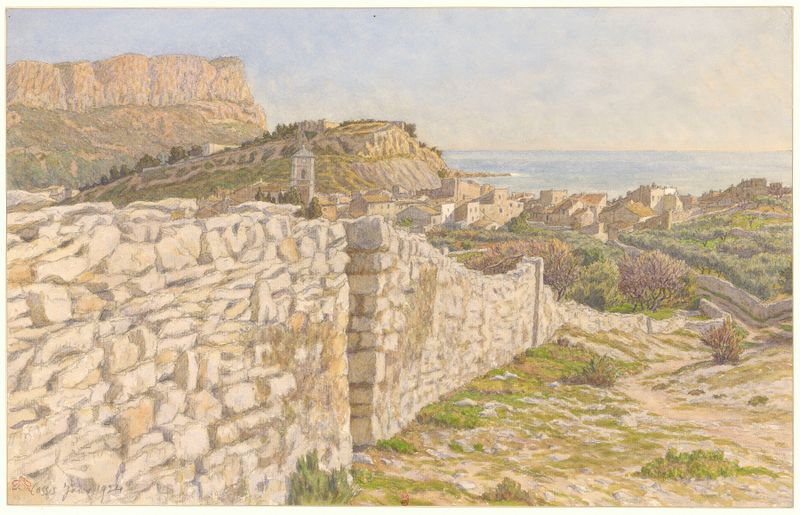
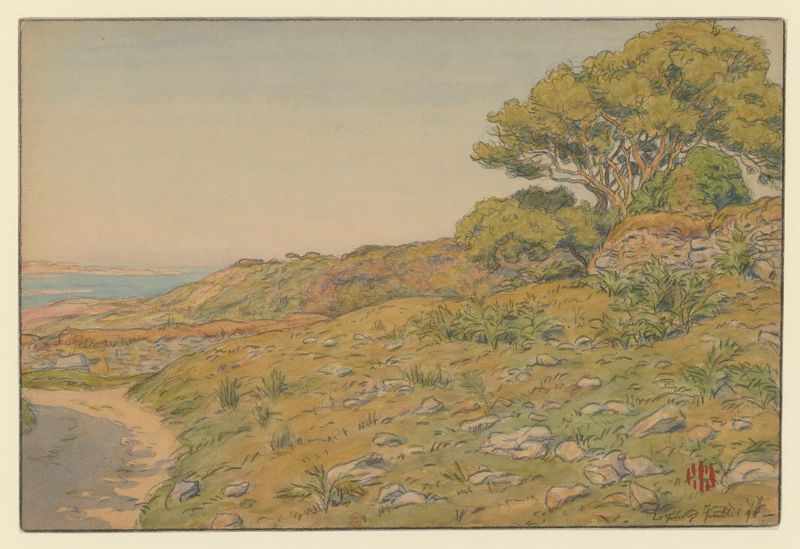
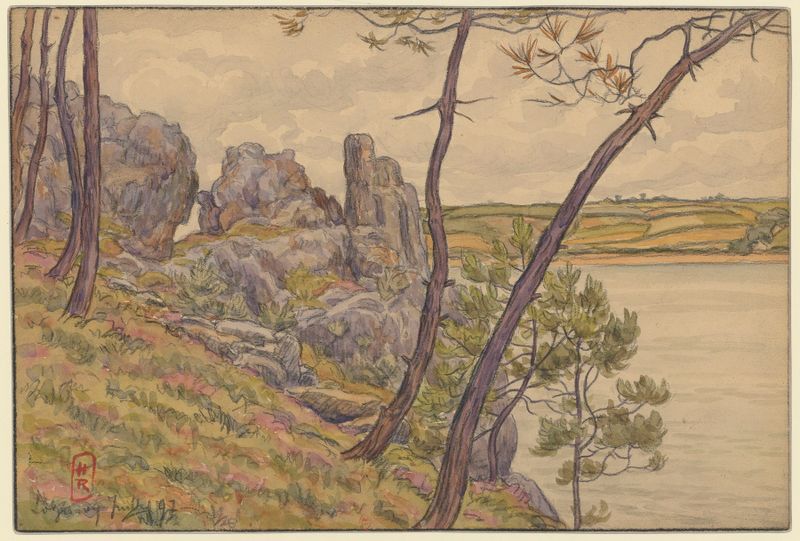
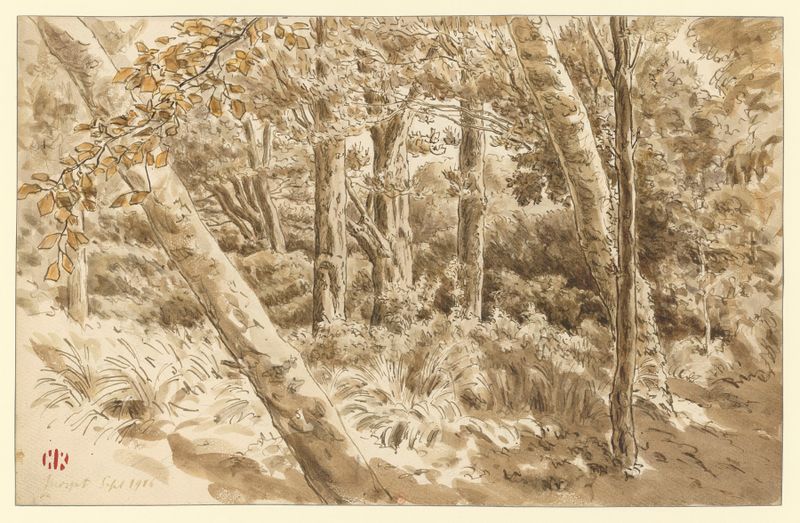
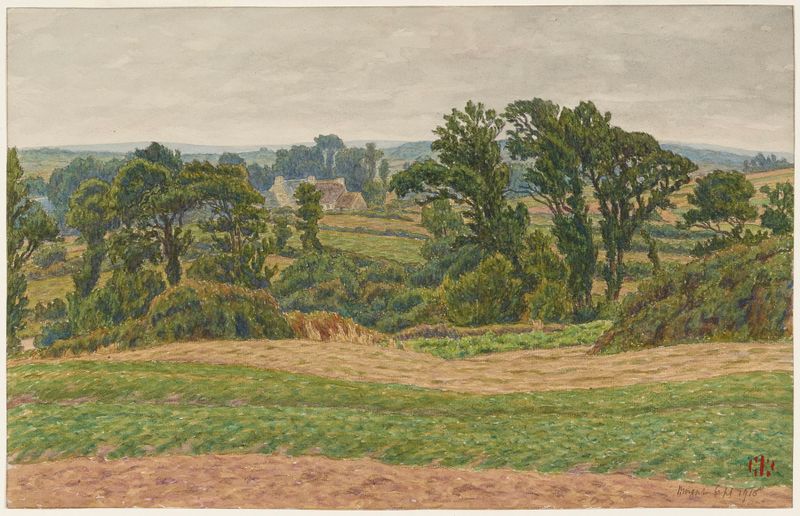
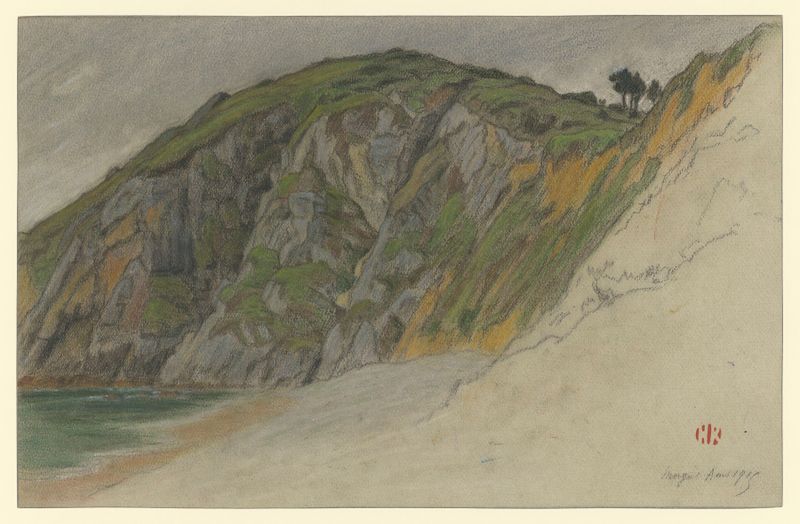
What if silence could speak through light? The delicate interplay of reflection and stillness invites contemplation, urging us to listen to the whispers of the world. Look to the gentle ripples across the water's surface, where muted hues of blue and green merge, reflecting the sky above. Notice how the light filters through the trees, casting dappled shadows that dance upon the ground, creating a serene tapestry of nature. Each brushstroke captures the essence of calm, using soft, blended colors to evoke a quiet moment in time, inviting the viewer to pause and appreciate the beauty of simplicity. Yet, beneath this tranquil exterior lies a subtle tension between reality and illusion.
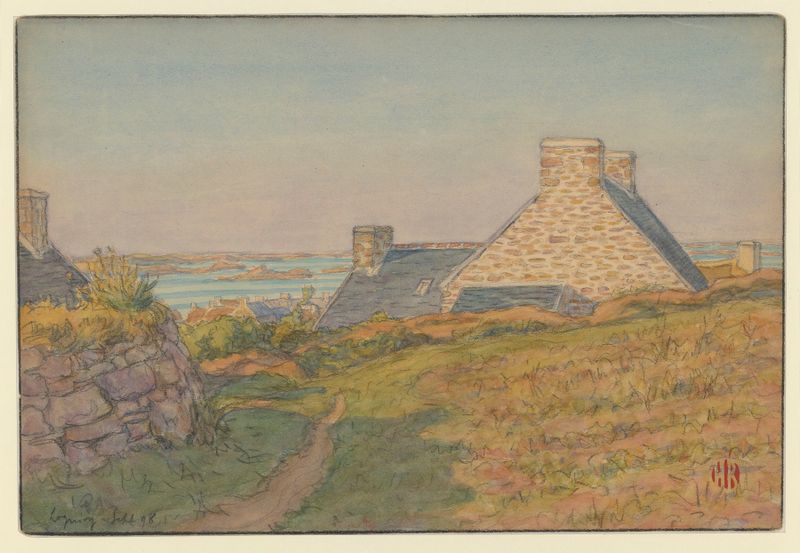
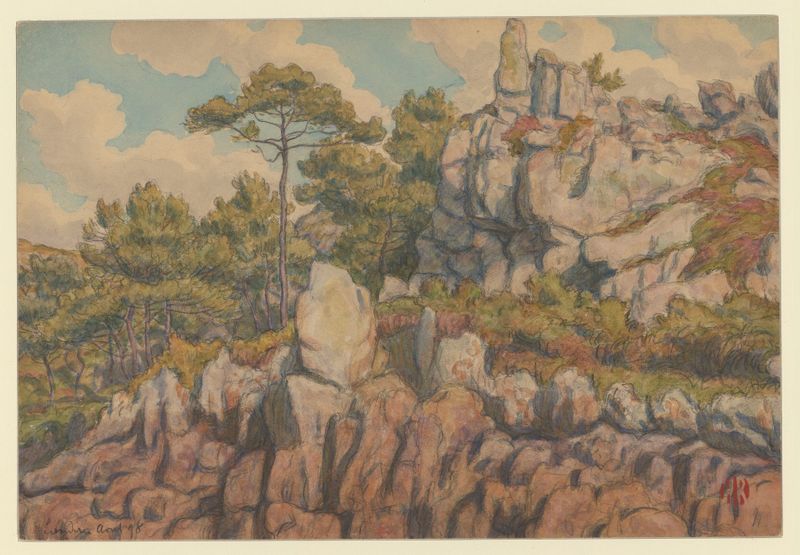
The reflections in the water hint at a world beyond, one that teeters between the tangible and the ephemeral. The interplay of light and shadow creates a dialogue about presence and absence, suggesting that even moments of stillness can resonate with unspoken narratives of longing and peace. Each detail, from the contours of the landscape to the rippling depths, contributes to an atmosphere that feels both intimate and expansive. In 1898, Rivière painted this piece during a period marked by the rise of Impressionism and a growing interest in capturing fleeting moments.
Nestled in France amidst the gentle rhythms of nature, he sought to convey the quiet beauty he encountered in the world around him. This work reflects not just his artistic evolution but also a broader cultural appreciation for the subtle nuances of light and color, solidifying his place in the transition from traditional to modern art.