
London Bridge — History & Facts
In the stillness of a dream, we find refuge; an escape that calls us to linger in its depths. The artistry of London Bridge captures this sentiment, inviting us to explore the intersection of reality and imagination, where a bustling city gently fades into a tranquil vision. Focus on the soft hues of the sky, a blend of warm yellows and delicate blues. The bridge itself arcs gracefully across the canvas, its sturdy structure juxtaposed against the ethereal backdrop.
Notice how the light dances upon the water’s surface, creating shimmering reflections that draw the eye. Each brushstroke reveals Daniell's meticulous attention to detail, from the intricate architecture of the bridge to the subtle ripples in the river below, embodying the harmony between man and nature. Within this scene lies a rich tapestry of contrasts: the solid permanence of the bridge against the ephemeral qualities of the water and sky. The robust presence of the bridge signifies stability amid the transient nature of life.
Yet, there is a quiet solitude in the absence of people — a moment frozen in time where the world feels suspended, encouraging viewers to ponder their own place within the ever-flowing currents of existence. In 1804, William Daniell created London Bridge during a period marked by rapid urban expansion and artistic exploration. Living in England, he was deeply influenced by the picturesque movement that celebrated nature and architecture. This painting reflects not only his deep appreciation for the cityscape but also his desire to capture fleeting moments of beauty amidst the industrial changes reshaping his surroundings.
More Artworks by William Daniell
Browse all →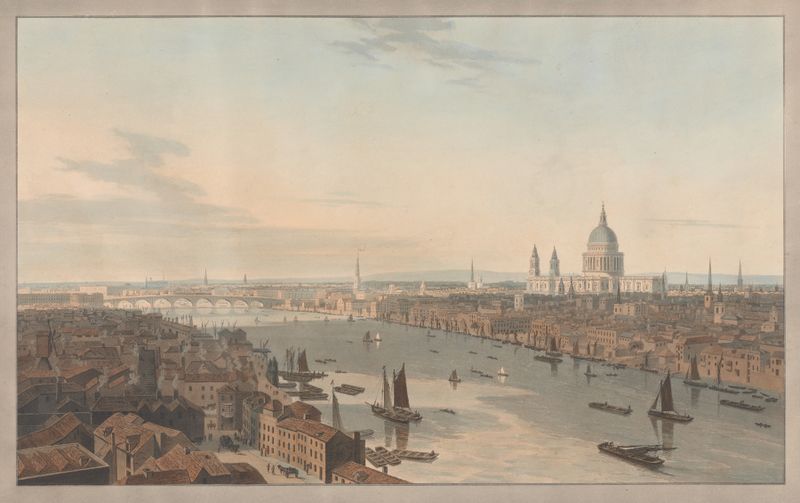
St. Paul’s and Blackfriars Bridge from Southwark
William Daniell
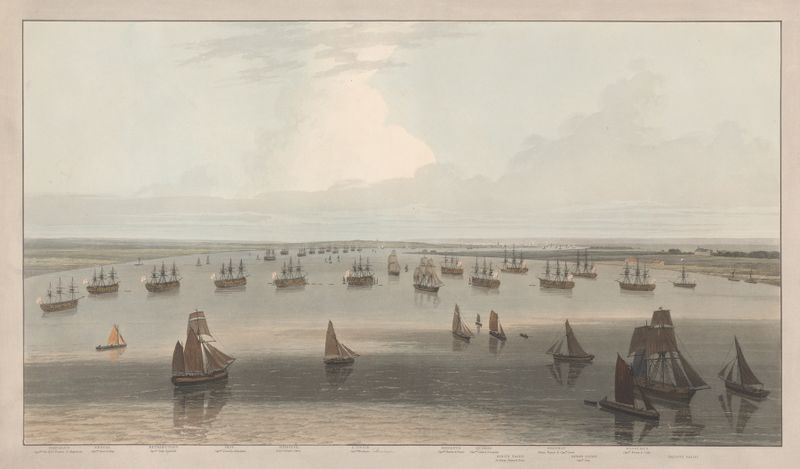
A View of the Frigates Stationed in the Hope under the Command of the Elder Brethen of the Trinity House, Thames Estuary
William Daniell

Main Entrance of the Jami Mosque, Jaunpur
William Daniell

London from Greenwich Park
William Daniell
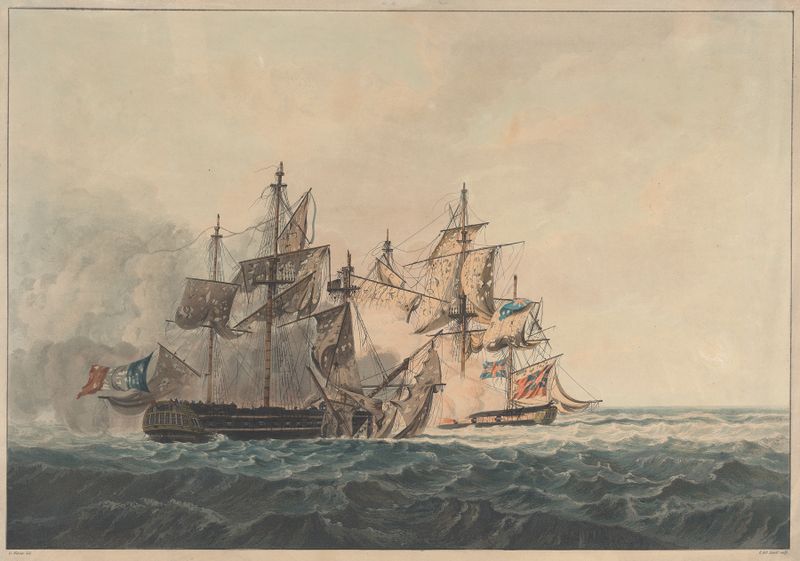
The Action between his Majesty’s Sloop ‘Bonne Citoyenne’ and the French Frigate ‘La Furieuse’
William Daniell
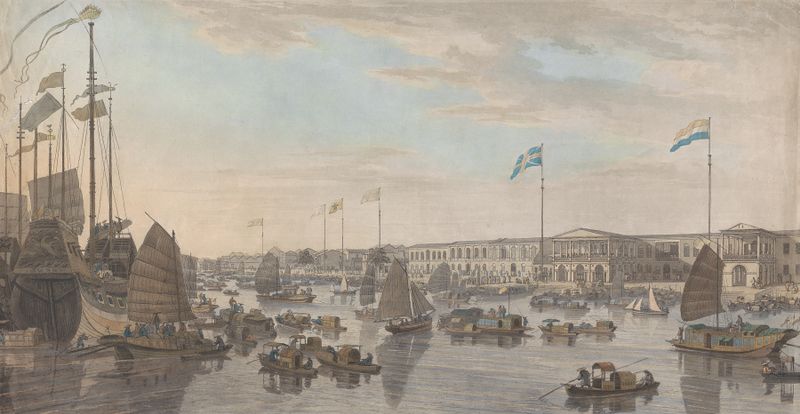
The European Factories at Canton in China
William Daniell

View of London Bridge and St. Paul’s Cathedral
William Daniell
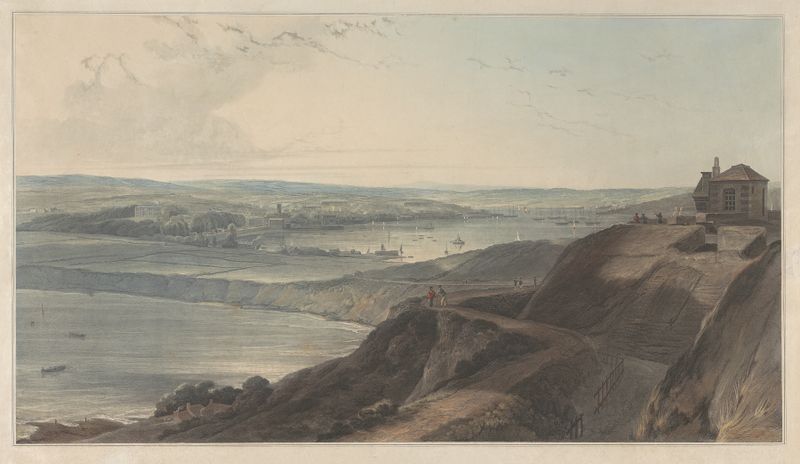
View of the Town and Part of the Harbour of Falmouth from Pendennis Castel, Cornwall
William Daniell

Madras, or Fort St. George, in the Bay of Bengal — A Squall Passing Off
William Daniell

The European Factories, Canton
William Daniell





