
Main Entrance of the Jami Mosque, Jaunpur — History & Facts
Could a single brushstroke hold eternity? In Main Entrance of the Jami Mosque, Jaunpur, the illusion of grandeur stretches across the canvas, inviting viewers to step into a realm where the sacred and the earthly intertwine. Look to the center, where the grand entrance stands proudly, framed by intricate archways that draw the eye inward. Notice how the light gently cascades over the ornate details, casting soft shadows that dance across the stone, enhancing the architectural magnificence. The rich, warm hues of ochre and deep umber create a sense of warmth and reverence, while the delicate blue accents hint at the sky's vastness above, suggesting an infinite connection to something greater. The juxtaposition of solid stone and ephemeral light underscores the thematic tension of permanence versus transience.
Each detailed pattern, meticulously rendered, embodies the timeless nature of faith, while the fleeting play of light reminds us of life’s impermanence. Further examination reveals small figures at the entrance, their presence a reminder of humanity’s ongoing dialogue with the divine. This interplay adds depth, emphasizing how architecture serves not only as a shelter but also as a conduit for spiritual experience. William Daniell painted this work between 1797 and 1807 during his extended travels in India, a time marked by his fascination with the subcontinent's rich cultural heritage.
The era was characterized by a growing interest in Orientalism among Western artists, as they sought to capture the exotic beauty of Eastern architecture and landscapes. Daniell's rendering reflects both a personal exploration of Indian art and the broader artistic trends of his time, which celebrated architectural wonders in a rapidly changing world.
More Artworks by William Daniell
Browse all →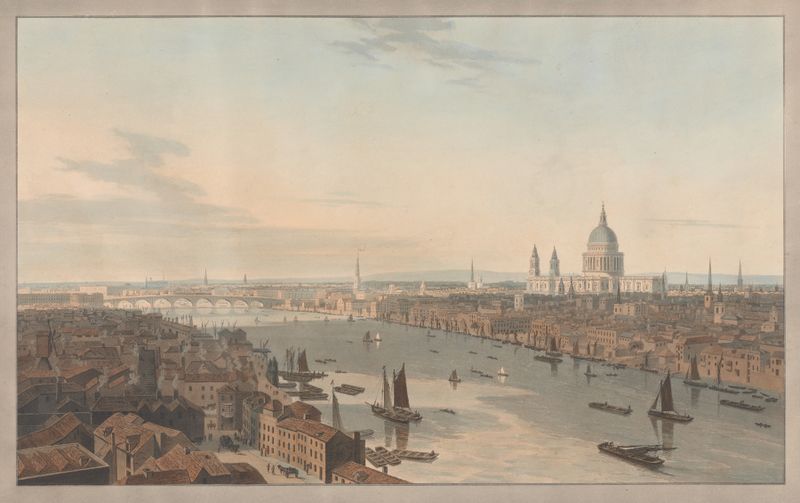
St. Paul’s and Blackfriars Bridge from Southwark
William Daniell
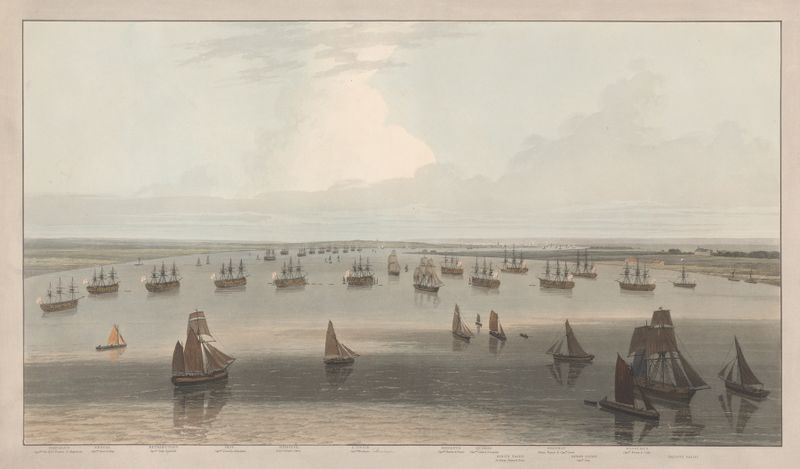
A View of the Frigates Stationed in the Hope under the Command of the Elder Brethen of the Trinity House, Thames Estuary
William Daniell

London Bridge
William Daniell

London from Greenwich Park
William Daniell
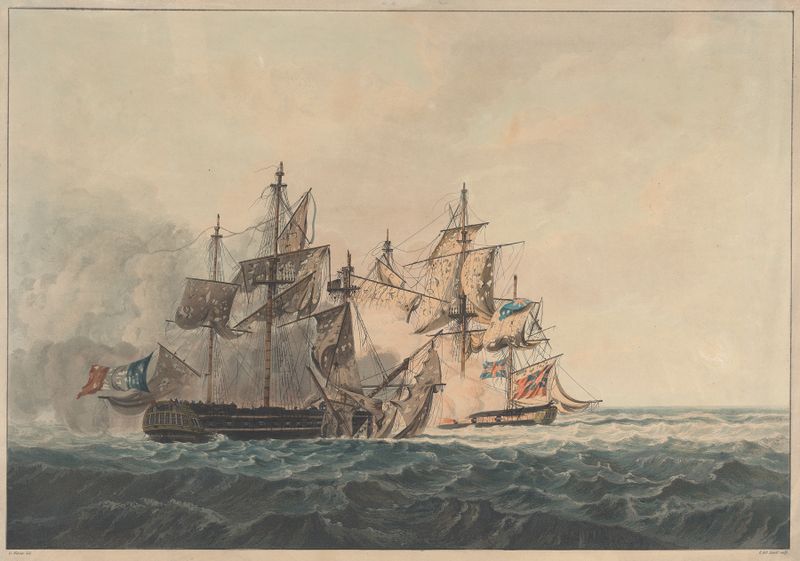
The Action between his Majesty’s Sloop ‘Bonne Citoyenne’ and the French Frigate ‘La Furieuse’
William Daniell
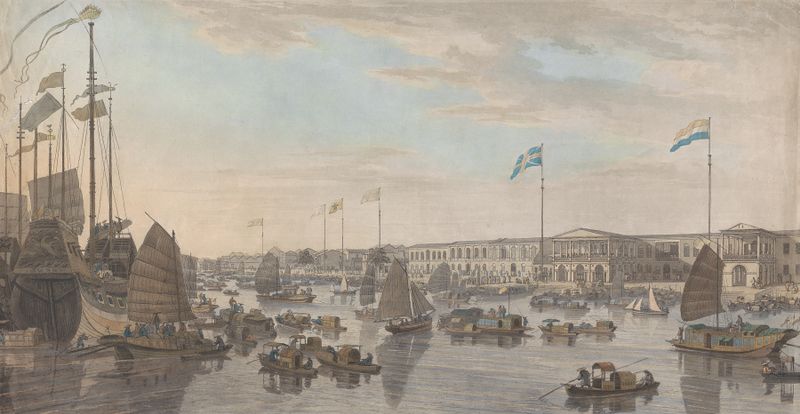
The European Factories at Canton in China
William Daniell

View of London Bridge and St. Paul’s Cathedral
William Daniell
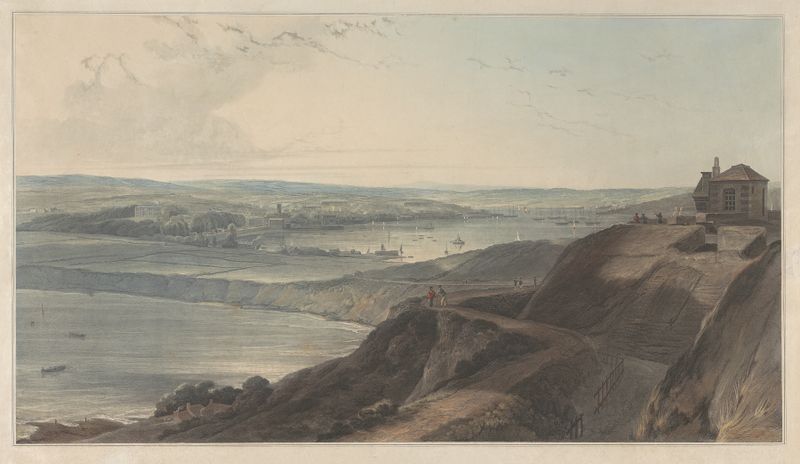
View of the Town and Part of the Harbour of Falmouth from Pendennis Castel, Cornwall
William Daniell

Madras, or Fort St. George, in the Bay of Bengal — A Squall Passing Off
William Daniell

The European Factories, Canton
William Daniell
More Architecture Art
Browse all →
The statue of Liberty
Frédéric Auguste Bartholdi

View of Houses in Delft, Known as ‘The Little Street’
Johannes Vermeer

View of Houses in Delft, Known as ‘The Little Street’
Johannes Vermeer

The Cathedral in Rouen. The portal, Grey Weather
Claude Monet

The yellow house
Vincent van Gogh

The Church in Auvers-sur-Oise, View from the Chevet
Vincent van Gogh