
Long-beaked Echidna — History & Facts
In Long-beaked Echidna, the viewer is greeted with a lifelike representation of the echidna. The colors are earthy, with browns and greens dominating the palette. The setting appears to be a natural habitat, showcasing the animal in its environment.
The attention to detail in the fur and surroundings brings the scene to life. The painting is executed in watercolor on paper, allowing for a delicate and intricate portrayal of the echidna. The artist employs fine brushwork to capture the texture of the animal's spines and the subtle variations in color. The dimensions are approximately 30 x 40 cm, making it a modest-sized work.
This size allows for an intimate viewing experience. Charles Hamilton Smith was known for his detailed studies of animals, particularly those from Australia. This work reflects his interest in natural history and his ability to observe and depict wildlife accurately. An interesting fact about this piece is that it contributes to the understanding of the echidna, a unique mammal that lays eggs.
Smith's work has influenced both scientific illustration and the art of wildlife representation.
More Artworks by Charles Hamilton Smith

Marengo, Bonaparte’s Arab
Charles Hamilton Smith
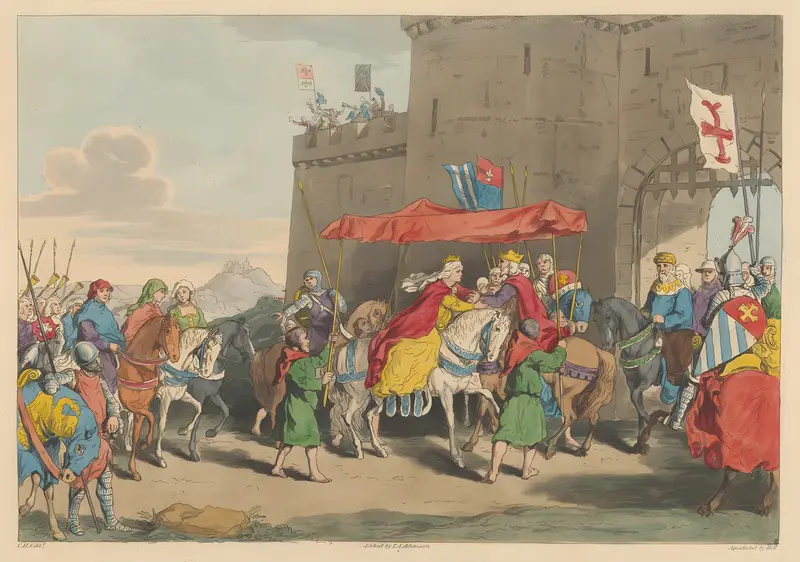
Costume of the Reign of King Henry III
Charles Hamilton Smith
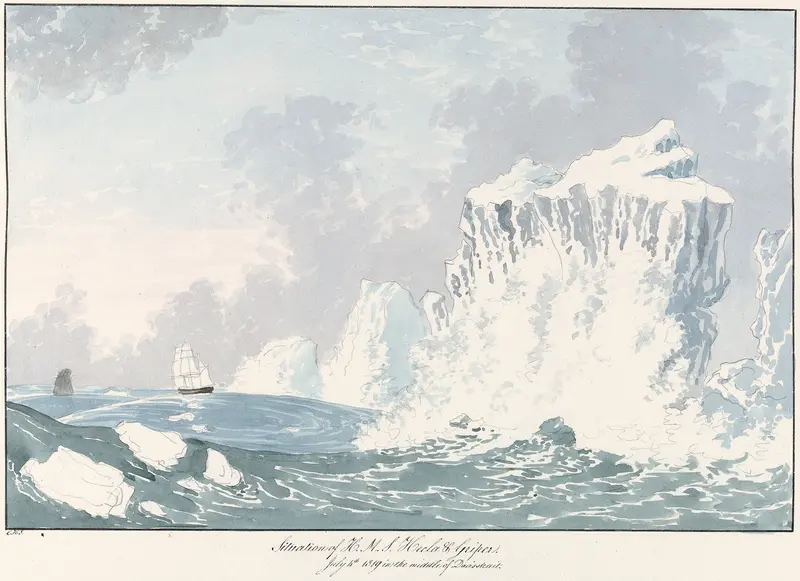
Situation of H.M.S. Hecla & Griper
Charles Hamilton Smith
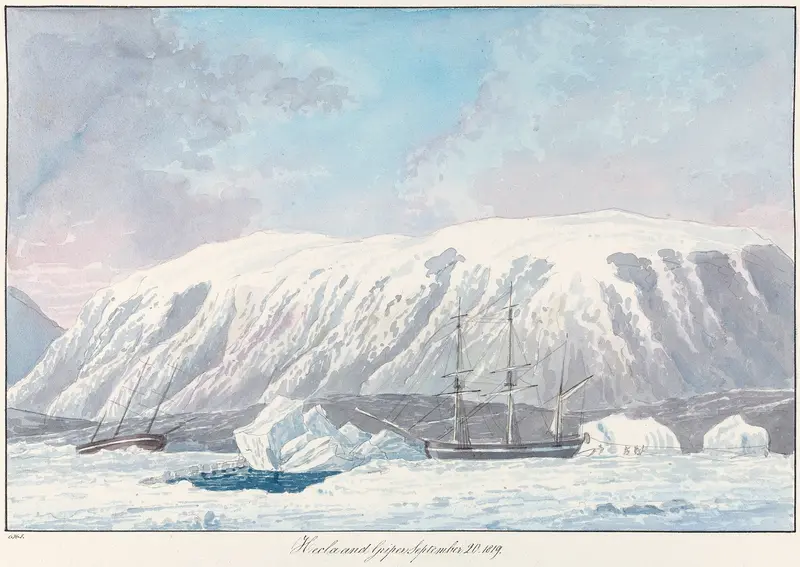
Hecla and Griper
Charles Hamilton Smith
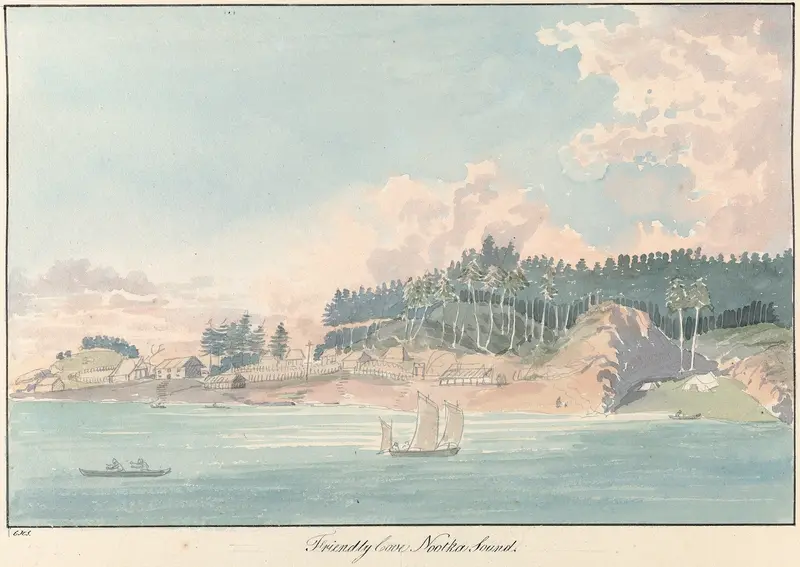
Friendly Cove, Nootka Sound
Charles Hamilton Smith
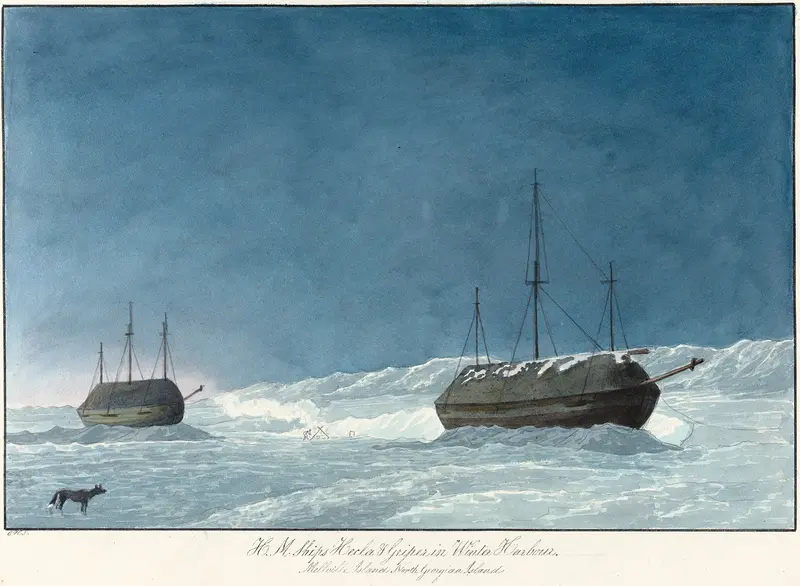
H. M. Ships Hecla and Griper in Winter Harbour
Charles Hamilton Smith
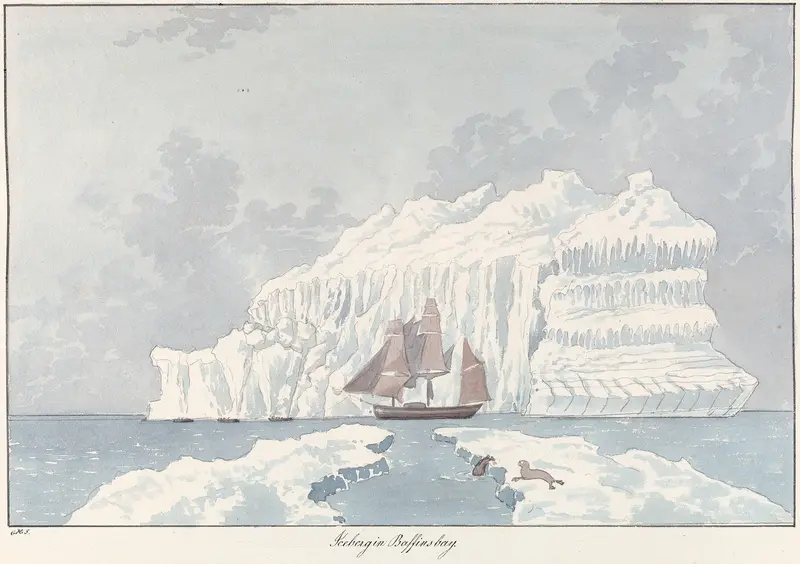
Iceberg in Baffin’s Bay
Charles Hamilton Smith
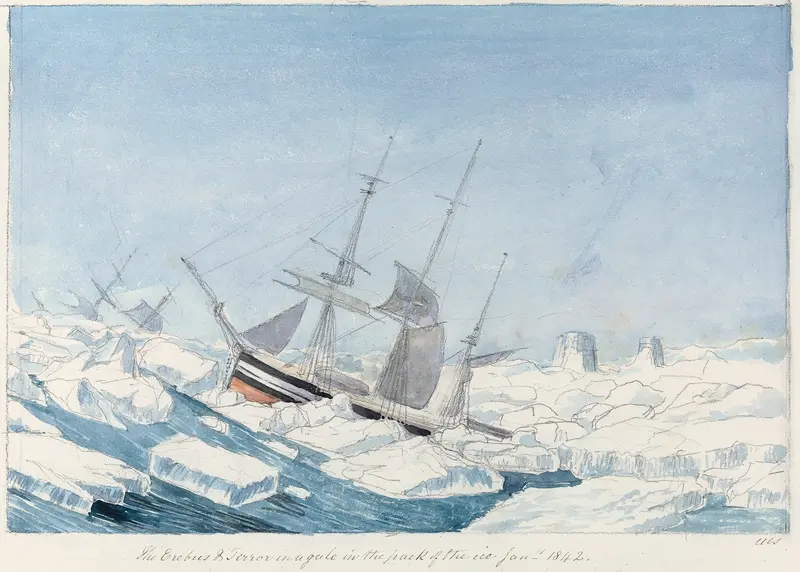
The Erebus & Terror in a Gale in the Pack of the Ice
Charles Hamilton Smith
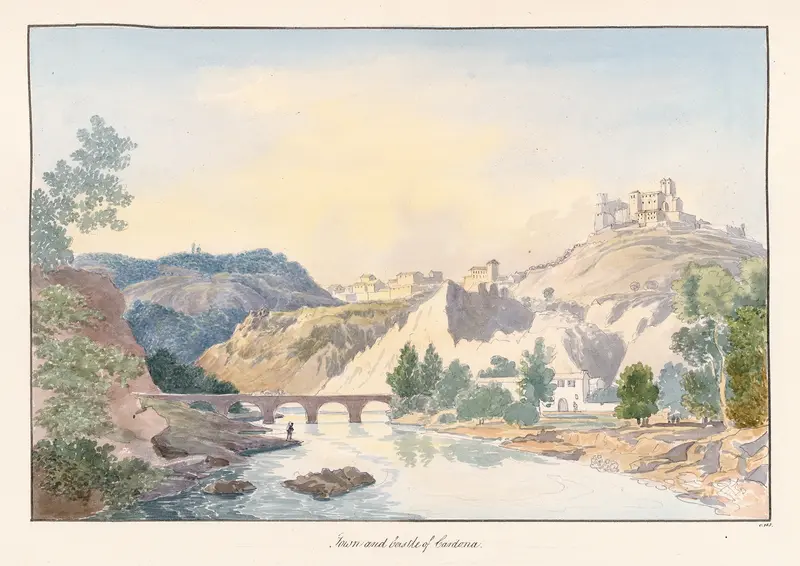
Town and Castle of Cardona
Charles Hamilton Smith
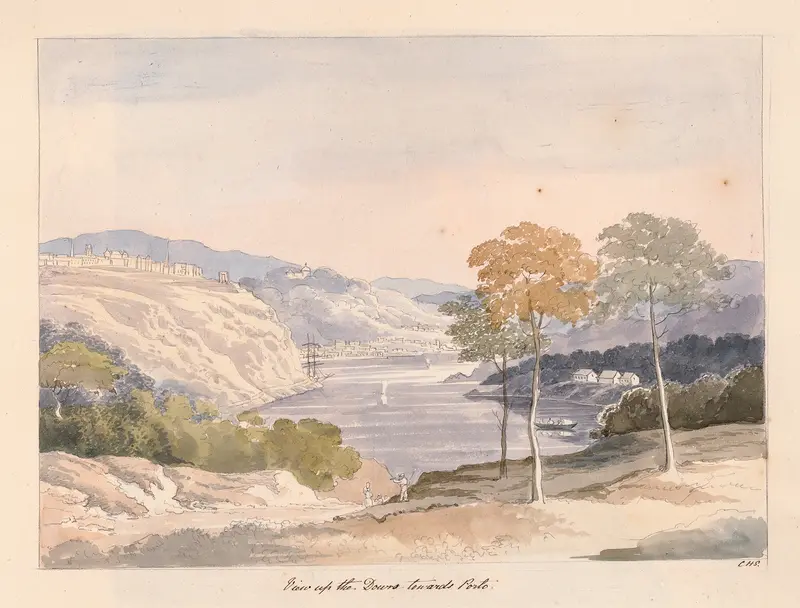
View of the Douro towards Porto
Charles Hamilton Smith





