L’orée du village — History & Facts
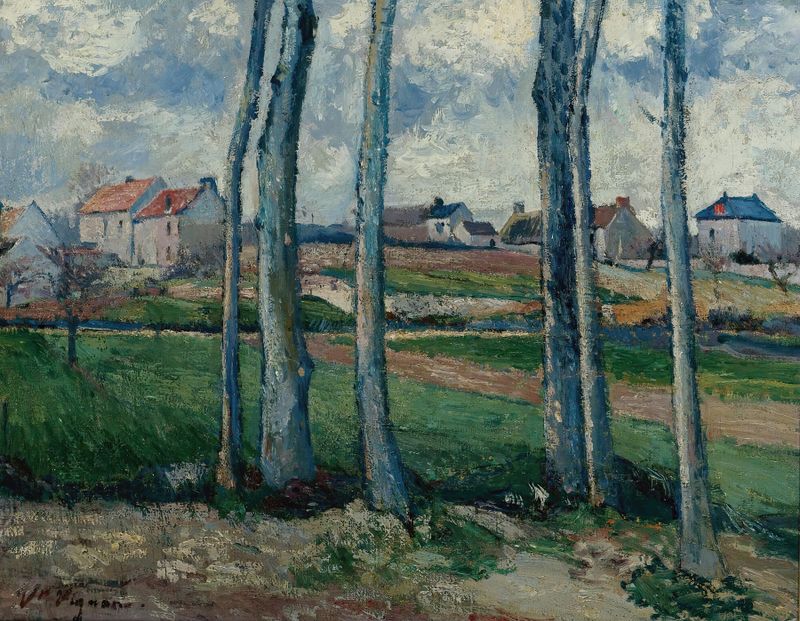
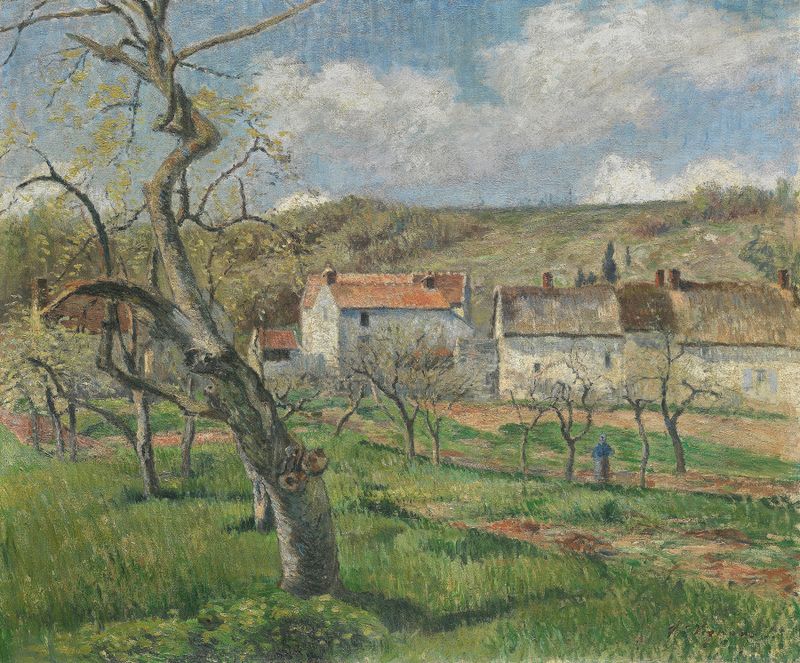
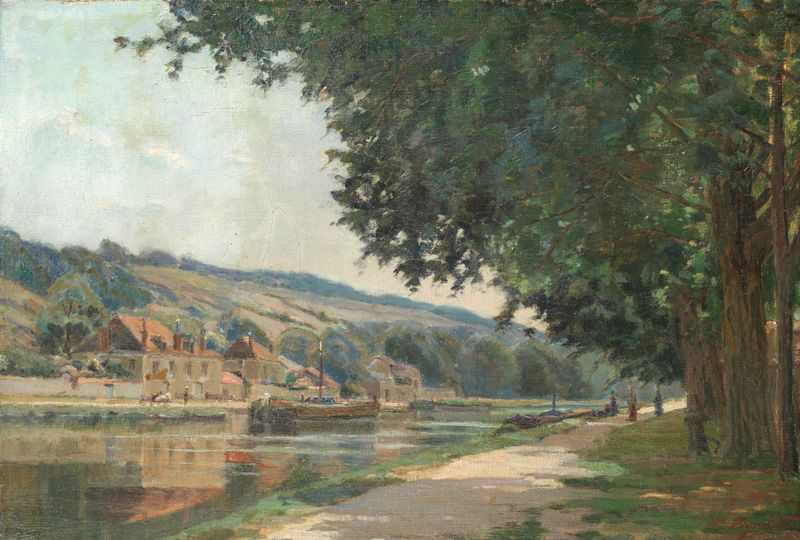
In an era defined by fleeting moments and relentless change, some works capture a permanence that transcends time. L’orée du village embodies this essence, inviting viewers to pause and reflect on the quiet beauty of existence. Begin your exploration by directing your gaze to the lush greenery that envelops the village, where deep greens and soft pastels blend harmoniously. Notice how the light filters through the trees, illuminating the quaint structures nestled within.
Vignon’s brushwork is both delicate and expressive, capturing the gentle sway of leaves and the stillness of the air, inviting a serene contemplation of nature’s embrace. As you immerse yourself further, consider the juxtaposition of the bustling life within the village against the tranquil landscape. The subtle play of light and shadow hints at an underlying tension — the encroaching modernity of the world beyond the village versus the enduring simplicity of its pastoral life. The almost ethereal quality of the scene suggests a longing for connection, both with nature and one another, evoking a sense of nostalgia for simpler times. In the years between 1880 and 1885, Vignon was deeply influenced by the Impressionist movement, creating works that explored light and color in innovative ways.
Living in France during a period of artistic experimentation, Vignon sought to capture not just a scene but the essence of life itself, reflecting the changing landscape of both art and society. His work resonates with a timeless quality, urging viewers to embrace the transcendent moments found in everyday life.