
Losskøyte — History & Facts
In Losskøyte, Amaldus Nielsen captures the tumultuous beauty of a fleeting moment, where the tension of violence and tranquility collide. Look to the center of the canvas, where the vibrant strokes of blue and white swirl together, evoking the crash of waves against a solid hull. Notice how the light dances on the surface of the water, creating a dynamic interplay between chaos and calm. The artist employs a palette dominated by cool colors, with splashes of warm tones that hint at a distant, unseen sun.
This juxtaposition not only highlights the turbulent sea but also imbues the scene with an emotional undercurrent, drawing the viewer deeper into the experience. Beneath the surface of the chaotic brushwork lies a poignant commentary on struggle and resilience. The jagged edges of the water seem to mimic the ferocity of nature, while the boat, though small, stands firm against the elements — a symbol of human defiance. Each stroke carries an implicit narrative of survival, evoking the violence of the sea juxtaposed with the fragile strength of the vessel.
This tension between the peaceful pursuit of sailing and the potential for destruction resonates powerfully, inviting reflection on the nature of human endeavor. Nielsen painted Losskøyte in 1898 while residing in Norway, a country rich in maritime tradition and rugged landscapes. At that time, the artist was grappling with the modern shifts in art, moving away from Romanticism towards a more expressive form that embraced the rawness of nature. This period also marked a growing fascination with capturing the essence of the environment, mirroring the battle between the forces of nature and the human spirit.
More Artworks by Amaldus Nielsen
Browse all →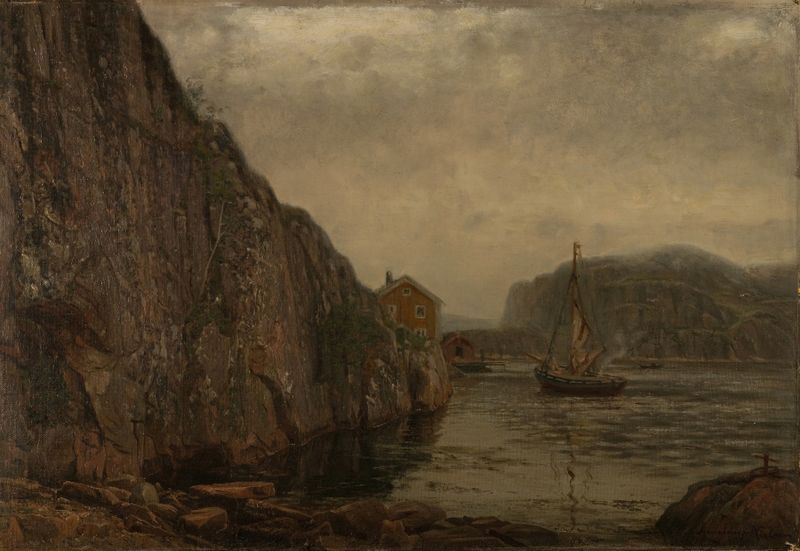
Skjærgård, Ny-Hellesund
Amaldus Nielsen
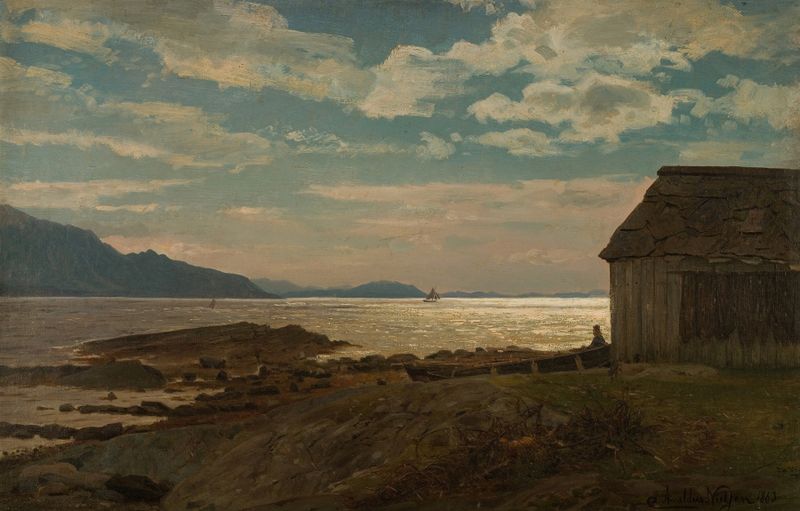
Fra Ølvestranden, Hardanger
Amaldus Nielsen
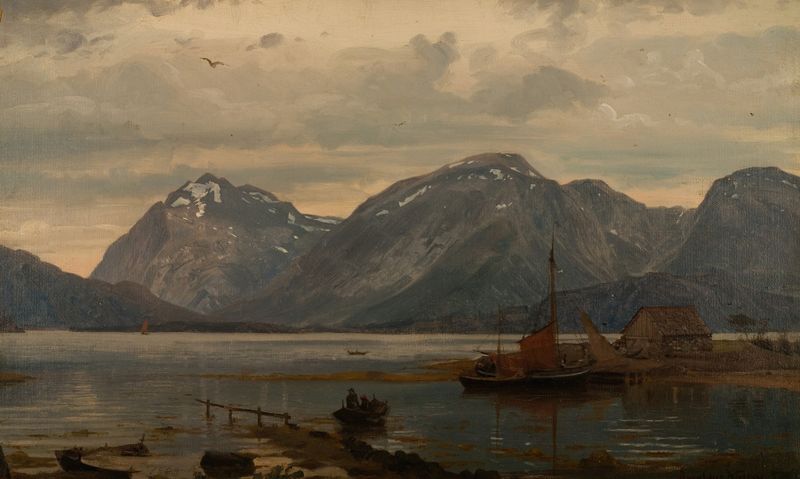
Fra Englafjellene, Hardanger
Amaldus Nielsen
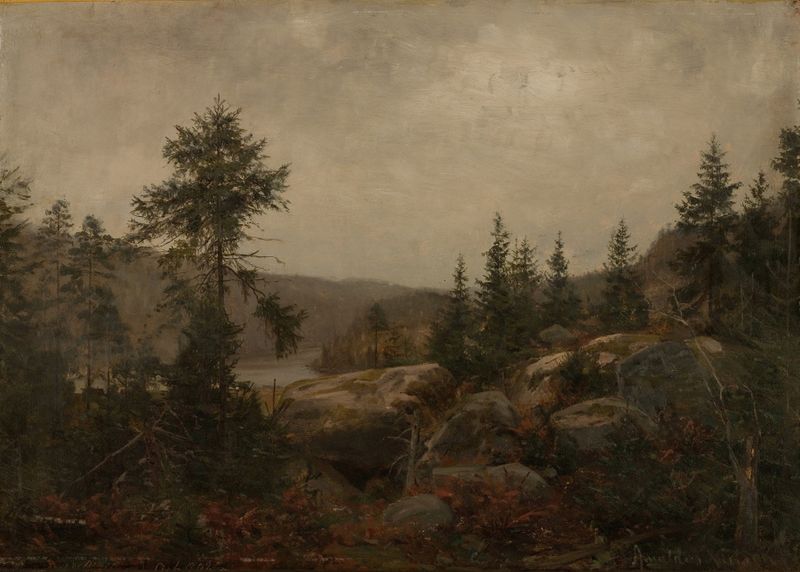
Duskregn . Gården Foss, Mandalselven
Amaldus Nielsen
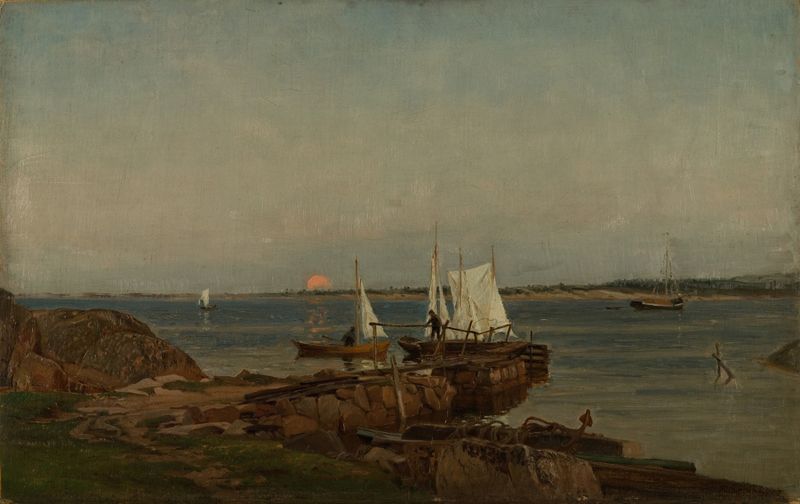
Sommernatt, Hvaler
Amaldus Nielsen
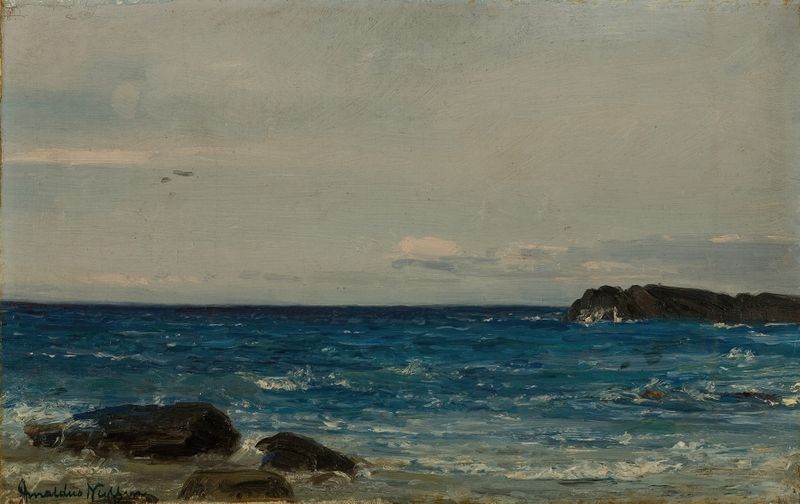
Fra Jæren
Amaldus Nielsen
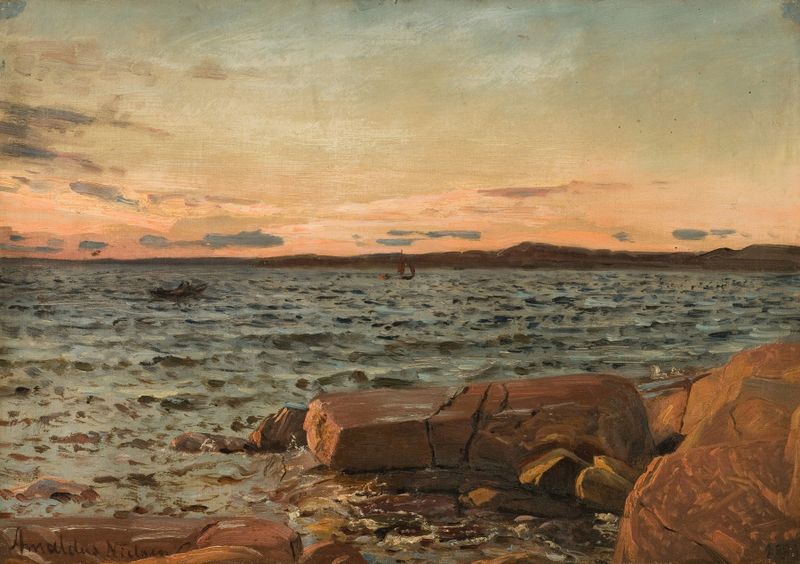
Solgangsvind, Hvaløene
Amaldus Nielsen
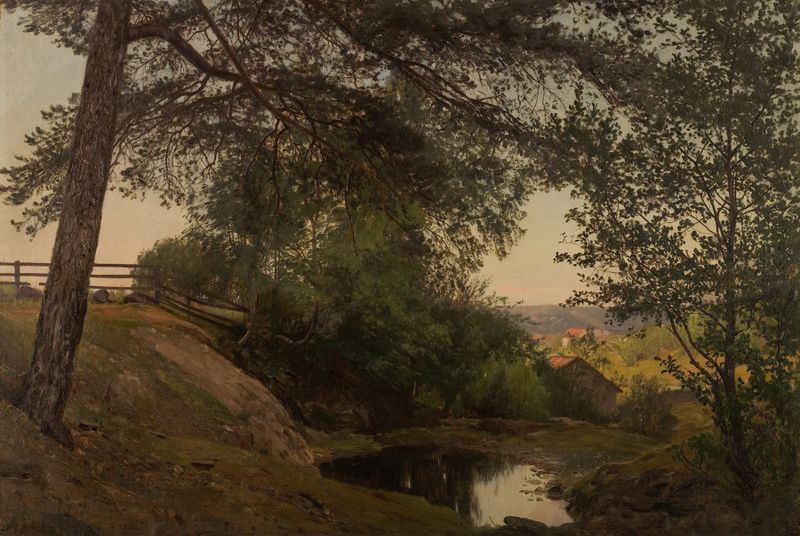
Mellom trærne. Lervik, Stord
Amaldus Nielsen

Båtbyggeri, Lillesand
Amaldus Nielsen
Regnstemning, Gudvangen
Amaldus Nielsen





