Lotus Repentance Rite in the Imperial Palace — History & Facts
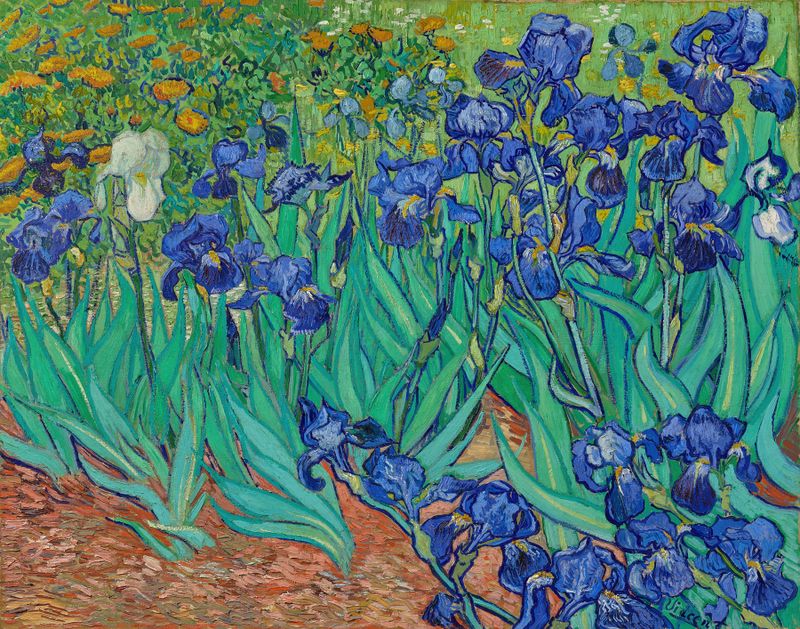
When did color learn to lie? In this world of aesthetic balance, the eyes dance between illusion and truth, revealing emotions hidden beneath the surface. Look to the center where the vibrant lotus blossoms burst forth, their hues masterfully crafted to draw the viewer's gaze. Notice the delicate balance of reds and pinks, contrasted against the muted greens of the leaves and the serene blues of the water beneath. The intricate brushstrokes reveal the artist's meticulous technique, capturing not only the beauty of the flowers but the calmness of the surrounding environment.
Each layer of paint whispers secrets of harmony and discord, inviting viewers to delve deeper into the narrative hidden within. In the juxtaposition of the vivid blossoms against the tranquil backdrop, one can sense the tension between the ephemeral nature of beauty and the permanence of the setting. The lotus, a symbol of purity and rebirth, stands in contrast to the impermanence of life, while the stillness of the imperial palace bespeaks a history laden with ritual and significance. This painting beckons us to reflect upon our own moments of balance—between joy and sorrow, chaos and peace—and to recognize the elegance that often lies in the tension. Tosa Mitsufumi painted this work in 1850, a time when Japan was undergoing significant cultural change during the late Edo period.
The artist was immersed in the traditional Japanese painting techniques that flourished in this era, blending them with the nuances of his contemporary world. As the West began to influence various aspects of Japanese life, Mitsufumi's work serves as a poignant reminder of the enduring power of heritage and balance amid transformation.