Lourmarin — History & Facts
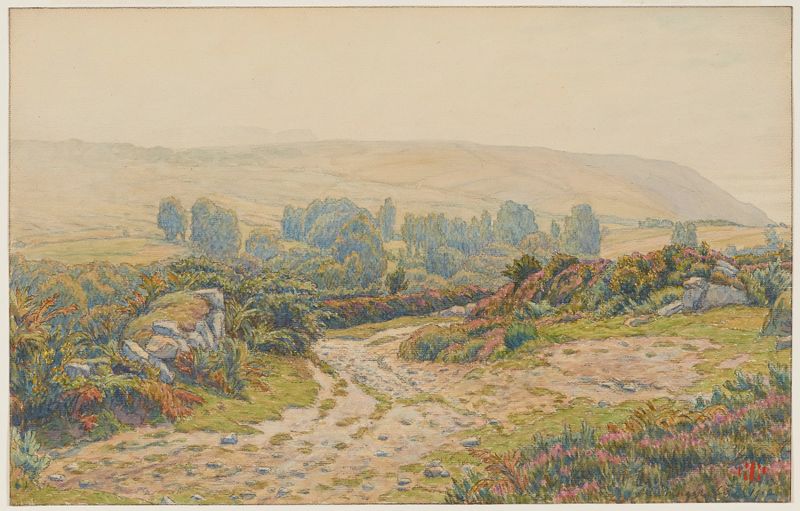
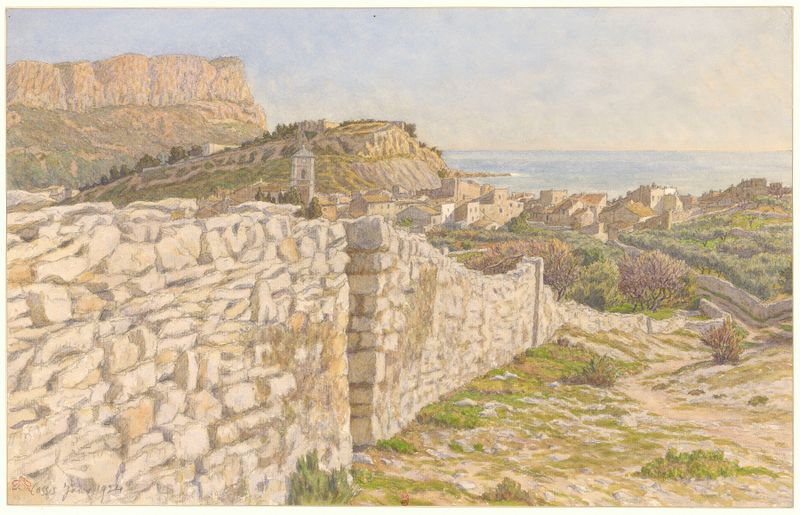
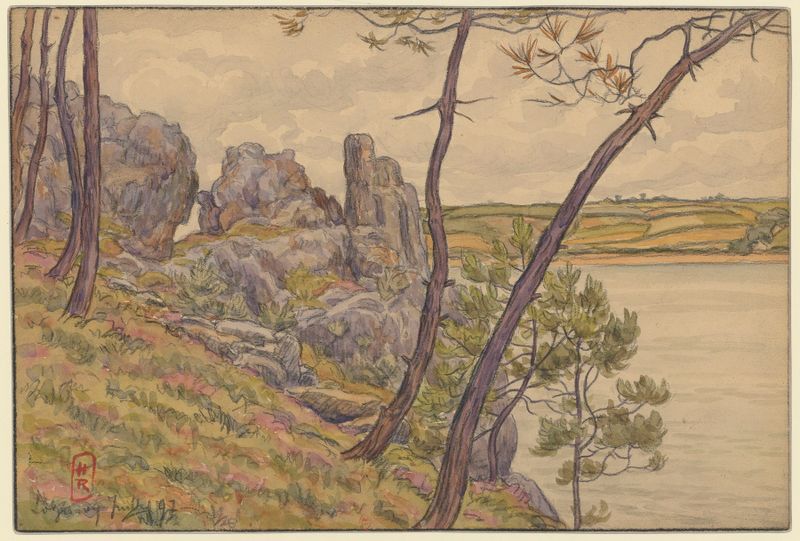
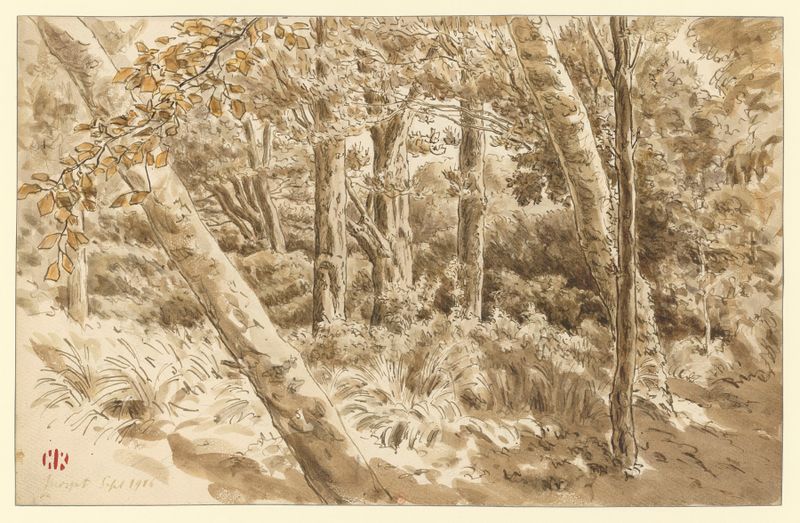
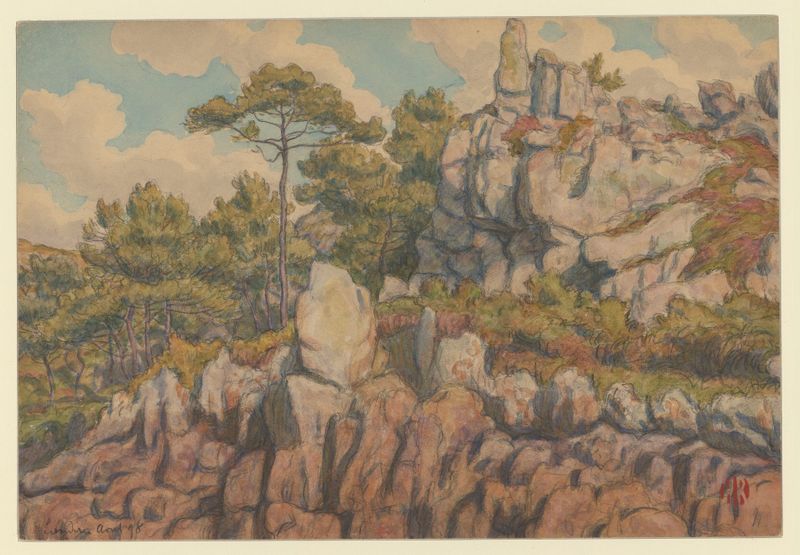
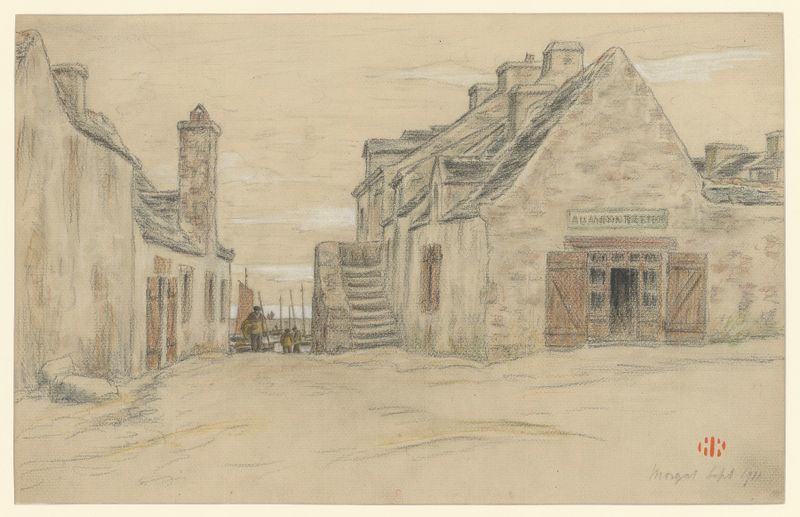
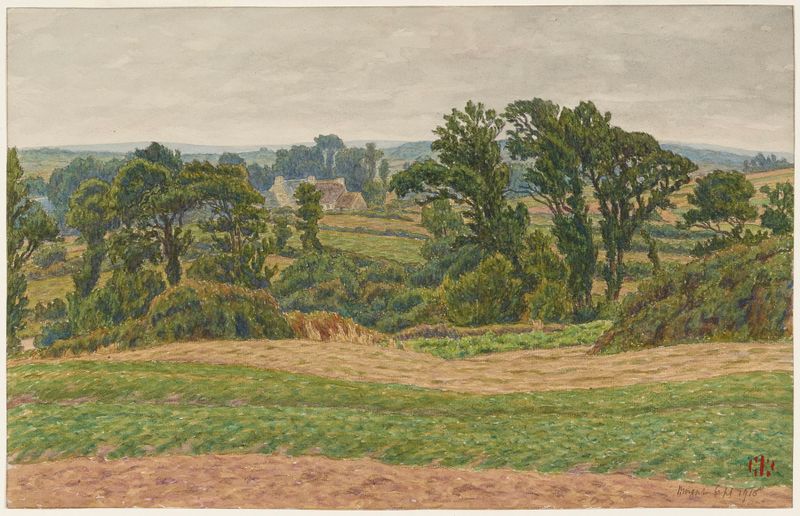
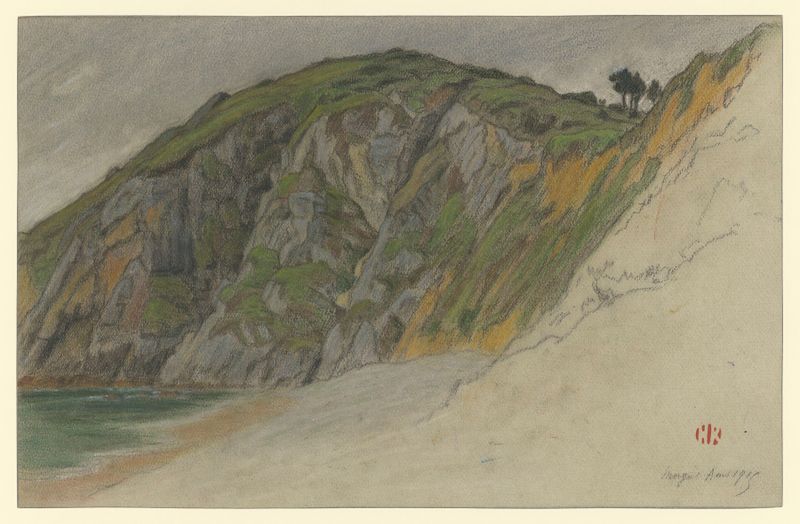
In those fleeting moments of creation, we grasp at the delicate threads of existence, longing to capture life’s inherent fragility. Look to the left where the gentle contours of the landscape unfold, cradling the village of Lourmarin like a cherished memory. The soft, muted palette of greens and ochres blends seamlessly, evoking a sense of nostalgia. Notice how the brushstrokes ripple across the canvas, each layer whispering tales of light and shadow, revealing the textured fabric of the town nestled against the hills.
The sky, an ethereal glow of lavender and peach, casts a warm embrace over the scene, inviting the viewer to linger. As you delve deeper, consider the contrast between the stillness of the village and the vibrant energy of nature that surrounds it. The delicate balance between the rigid structures of the buildings and the fluidity of the landscape speaks to the transient nature of life. Here, in the heart of Lourmarin, lies the poignant reminder of time's passage, and the fragility of our human endeavors in the face of nature's vastness. In 1933, the artist crafted this piece during a period marked by personal reflection and the contemplation of memory.
Living in Paris amidst a world grappling with change, Rivière sought solace in the serene landscapes of Provence. This painting reflects not only his artistic journey but also an era where the ephemeral beauty of life became increasingly significant in the realm of art.