
Lunar Crater — History & Facts
Where does light end, and longing begin? This question resonates deeply within the confines of Lunar Crater, where the ethereal dance of shadow and light reveals a truth that transcends the mere surface of the moon's rugged terrain. Focus on the crater's edge, where the interplay of light creates dramatic contrasts between the illuminated slopes and the dark recesses below. The meticulous detail of the lunar surface draws the viewer's gaze, inviting exploration into its crevices and shadows. The palette is dominated by muted grays and silvery whites, evoking a sense of otherworldliness.
Each brushstroke maps the uncharted landscape, merging the tangible with the vast unknown, while the craters stand as silent witnesses to the cosmos. Beneath its serene surface lies a tension between the known and the enigmatic. The crater is not just a geological feature; it symbolizes humanity's curiosity and the desire to uncover hidden truths. The starkness of the lunar landscape evokes feelings of isolation, encouraging contemplation of our place in the universe.
One cannot help but reflect on the fleeting nature of existence when faced with such timeless beauty and desolation. Charles Hamilton Smith created this work during a period of fascination with the natural world, likely in the early 19th century, when the Romantic movement was in full bloom. His explorations were driven by a desire to document the intersections of science and art, coinciding with advancements in astronomy and the burgeoning interest in celestial bodies. As he painted, the world was on the brink of new discoveries, a moment ripe for interpreting the cosmos through the lens of human experience.
More Artworks by Charles Hamilton Smith
Browse all →
Situation of H.M.S. Hecla & Griper
Charles Hamilton Smith
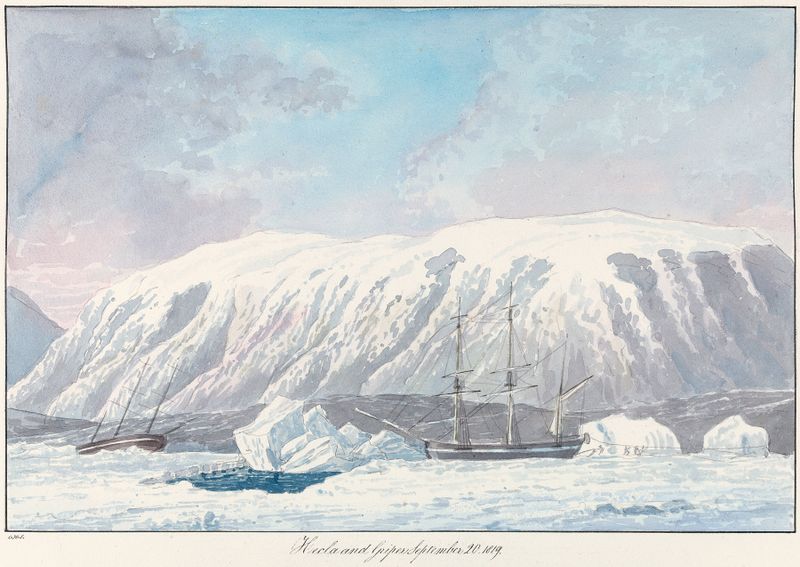
Hecla and Griper
Charles Hamilton Smith

Friendly Cove, Nootka Sound
Charles Hamilton Smith

Iceberg in Baffin’s Bay
Charles Hamilton Smith
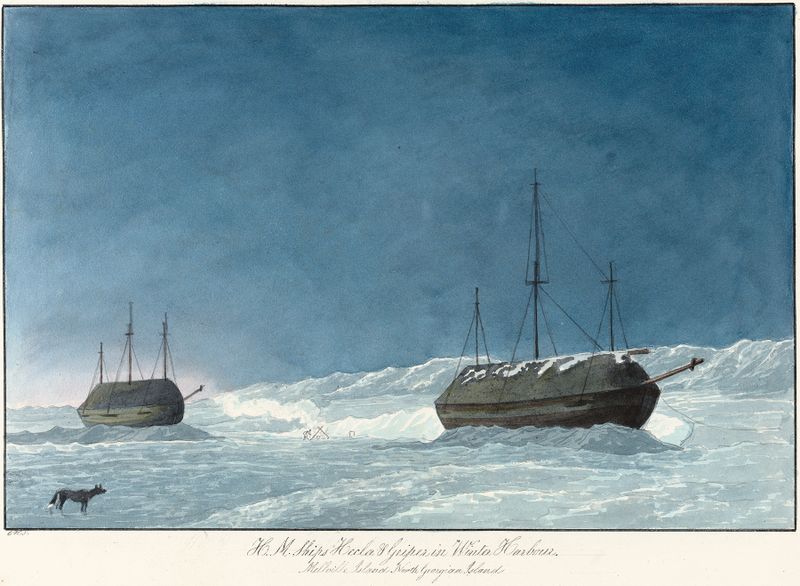
H. M. Ships Hecla and Griper in Winter Harbour
Charles Hamilton Smith

The Erebus & Terror in a Gale in the Pack of the Ice
Charles Hamilton Smith
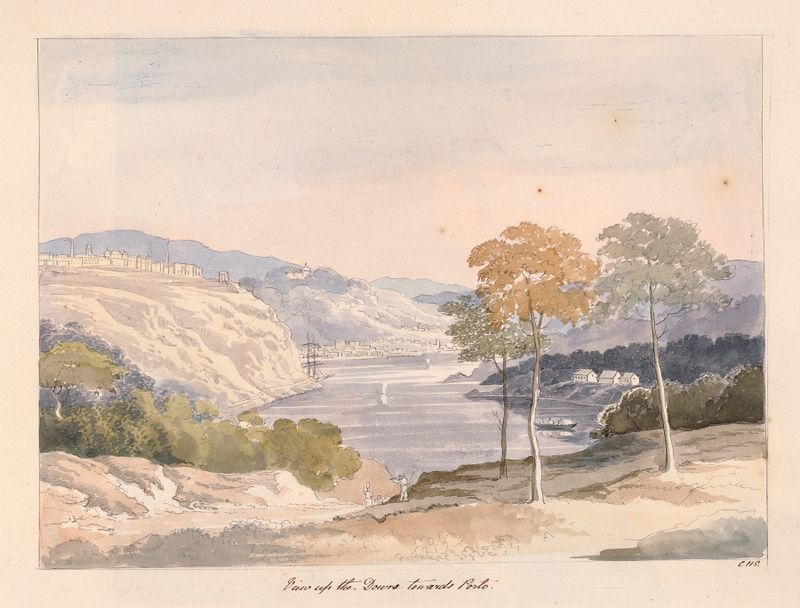
View of the Douro towards Porto
Charles Hamilton Smith
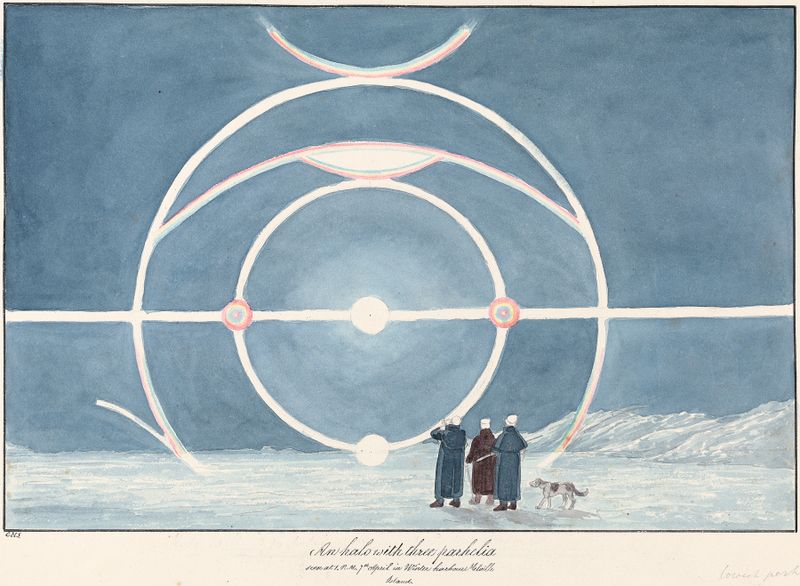
Halo with Three Parhelia, Winter Harbour Melville Island
Charles Hamilton Smith
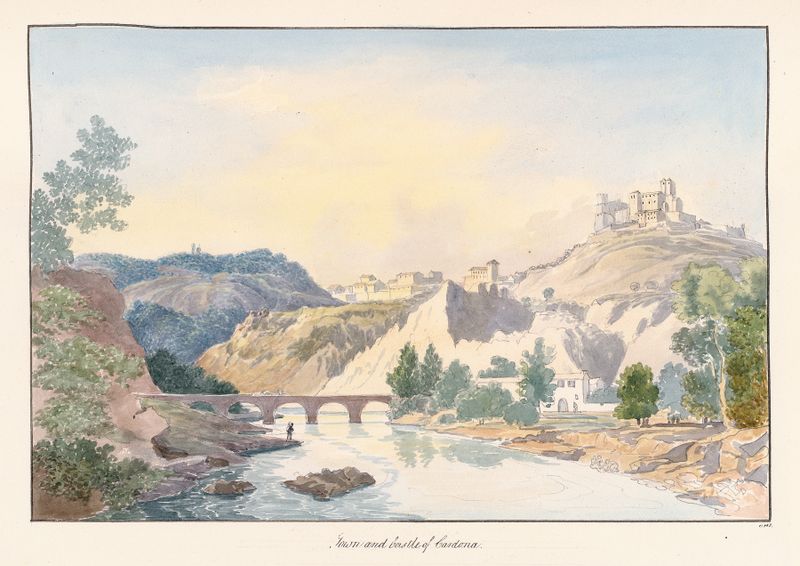
Town and Castle of Cardona
Charles Hamilton Smith
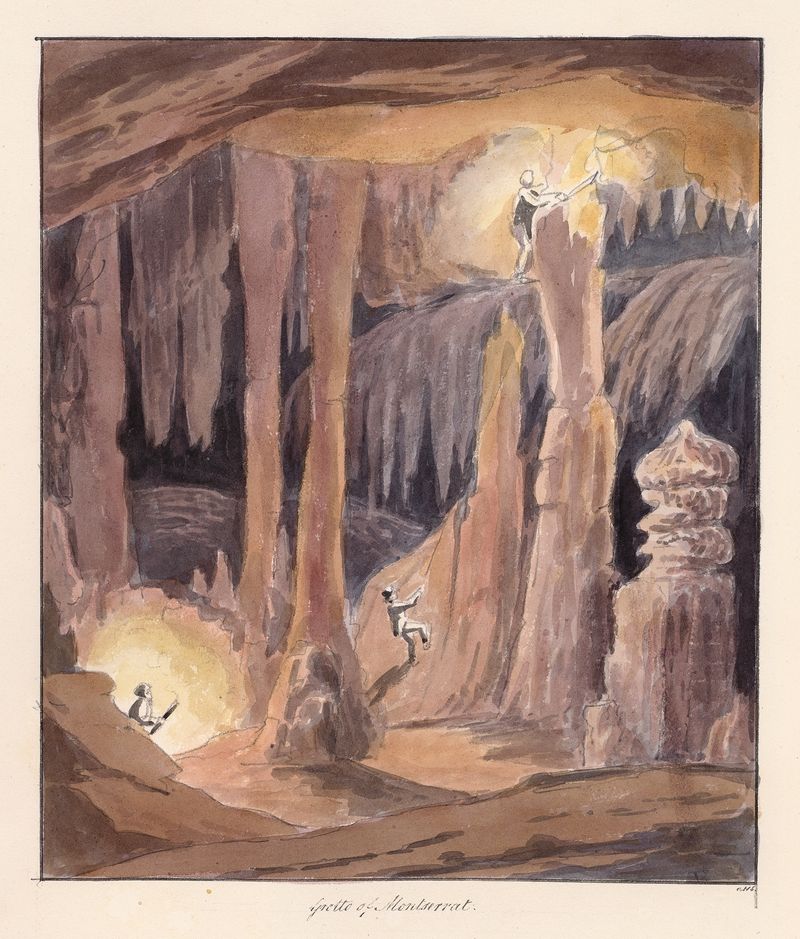
Grotto of Montserrat
Charles Hamilton Smith





