
Lustheim — History & Facts
Can paint confess what words never could? The depths of emotion often linger beyond the constraints of language, whispering stories that only color and form can articulate. Look to the center of the canvas, where a serene figure stands poised beneath a lavish canopy of foliage. The interplay of light and shadow creates a harmonious dance, suggesting the solemnity of a sacred moment. Notice how the lush greens and warm earth tones envelop the figure, grounding them in a world that feels both intimate and expansive.
The intricate brushwork captures the delicate textures of fabric and nature, inviting the viewer to explore the serenity and contemplation embodied within the scene. Hidden beneath the surface lies a rich tapestry of faith and longing. The figure’s gaze, directed upwards, hints at a connection to something greater, an aspiration that transcends the earthly realm. The soft radiance illuminating their features can be seen as a metaphor for spiritual enlightenment, while the surrounding foliage evokes a sense of protection and sanctity.
Each detail, from the soft curves of the fabric to the gentle swaying of the branches, amplifies the emotional resonance, urging us to ponder the complexity of belief and hope. Created in 1879, this work emerged during a time when Otto Henry Bacher was deeply engaged with the themes of nature and spirituality. Living in the artistically vibrant milieu of Paris, he was influenced by the Impressionist movement yet sought to infuse deeper philosophical inquiries into his creations. In Lustheim, we witness the artist's exploration of faith, intertwining the beauty of the natural world with the quest for transcendence.
More Artworks by Otto Henry Bacher
Browse all →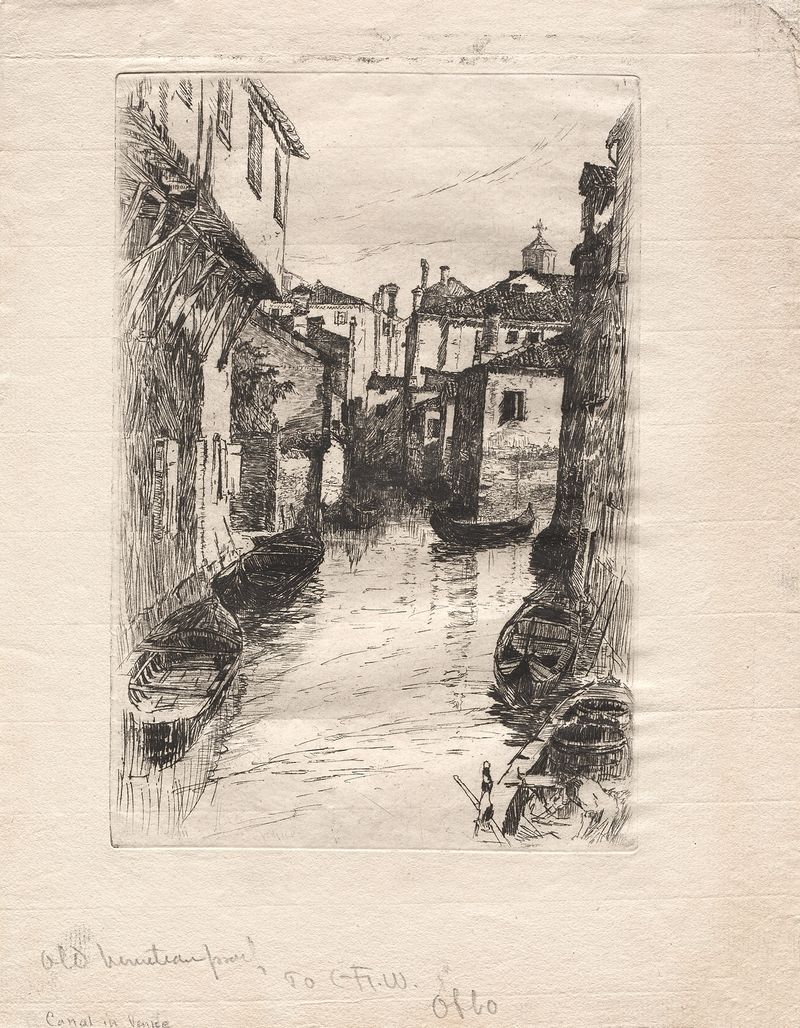
Canal in Venice
Otto Henry Bacher
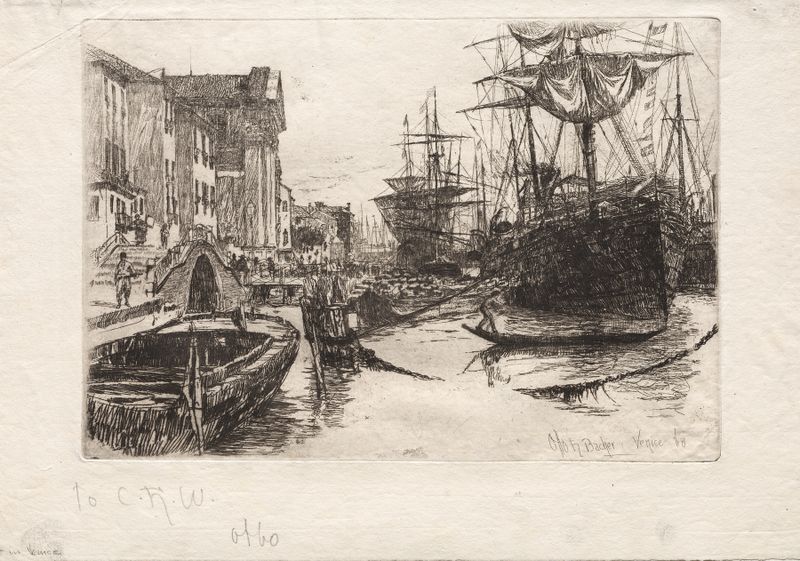
View in Venice
Otto Henry Bacher
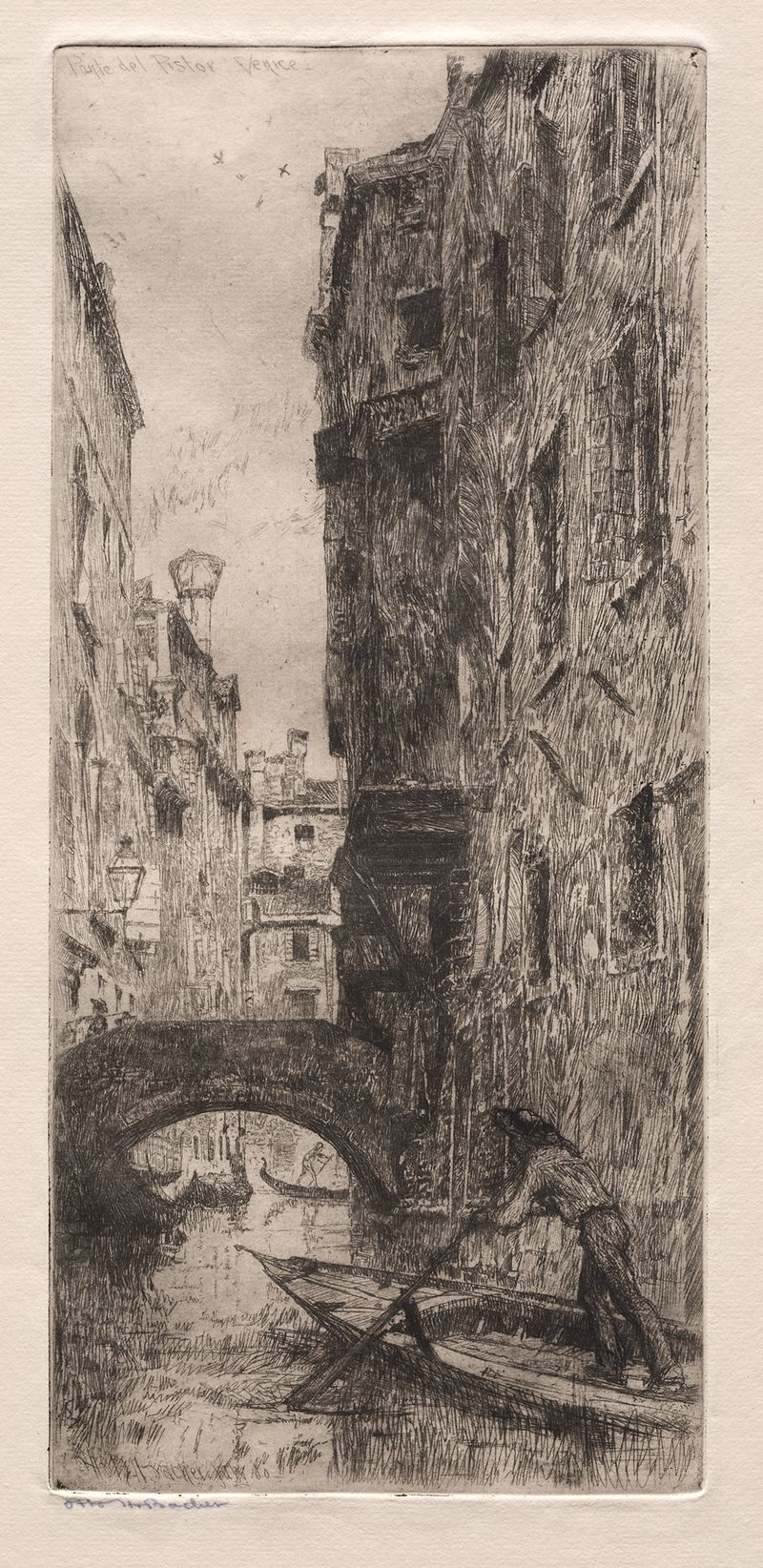
Ponte del Pistor, Venice
Otto Henry Bacher
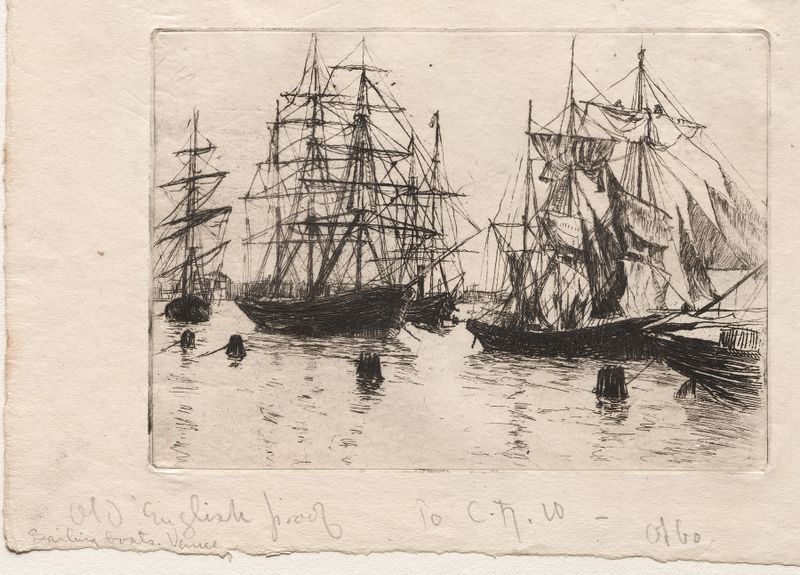
Sailing Boats, Venice
Otto Henry Bacher
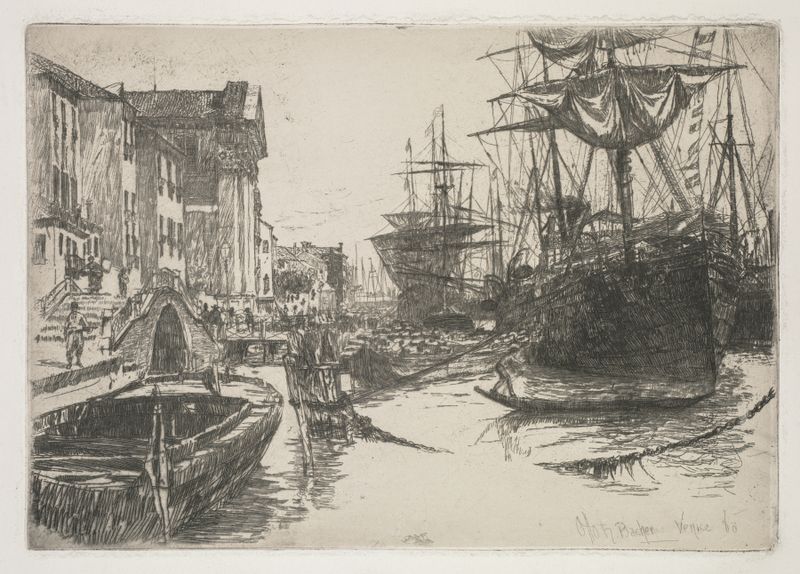
Fondamenta della Zattere
Otto Henry Bacher
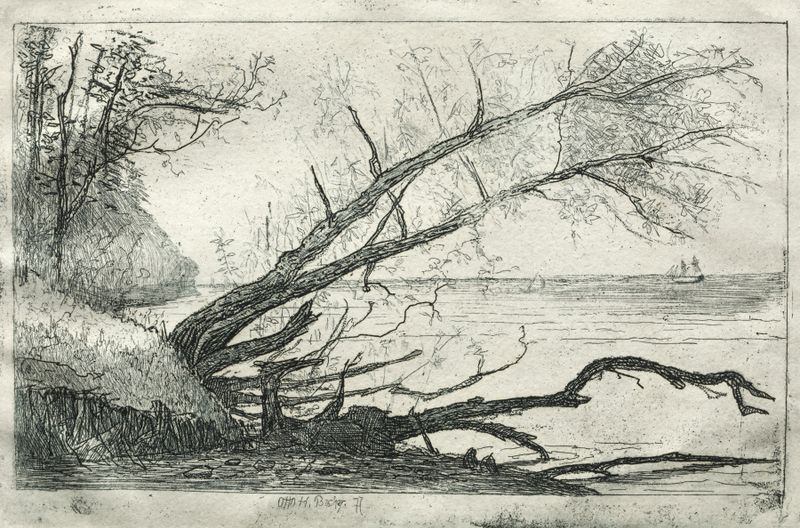
Old Sycamore
Otto Henry Bacher
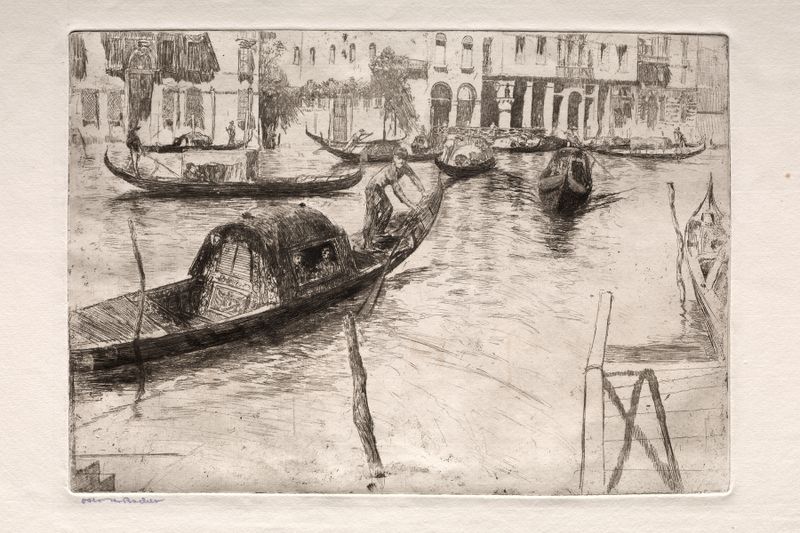
Traghetto San Felice
Otto Henry Bacher
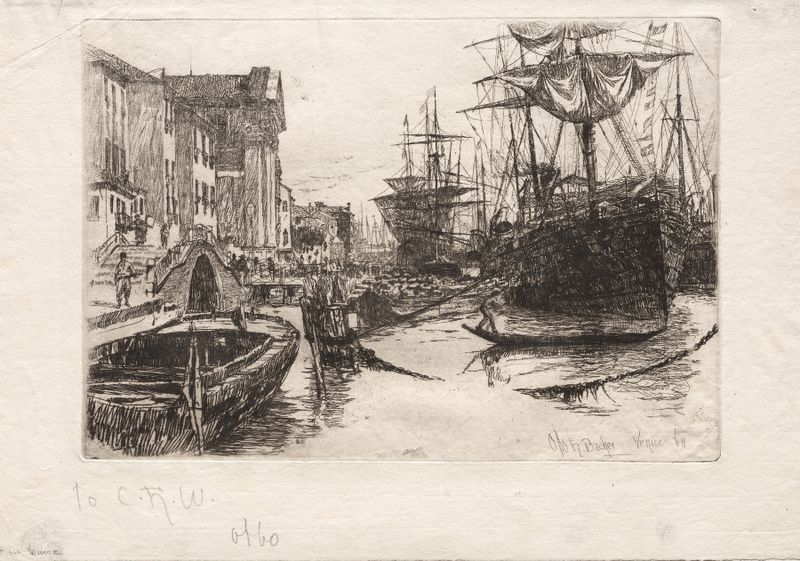
View in Venice
Otto Henry Bacher
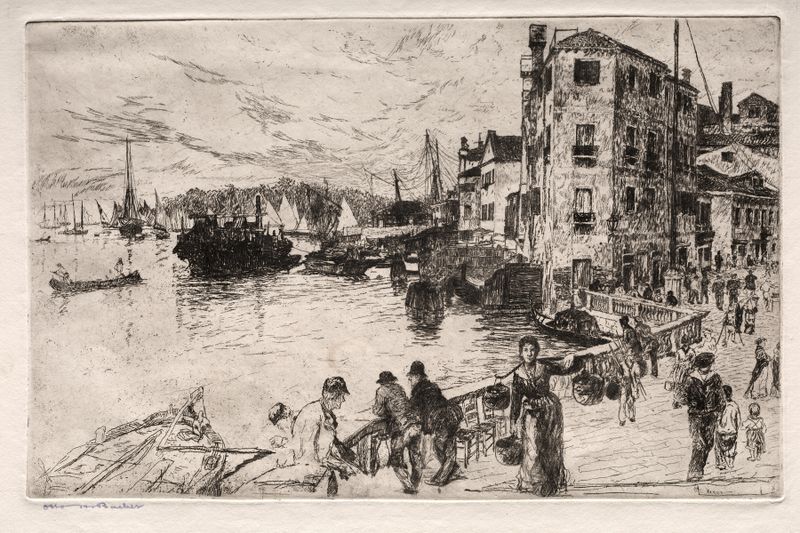
Castello Quarters, Riva
Otto Henry Bacher
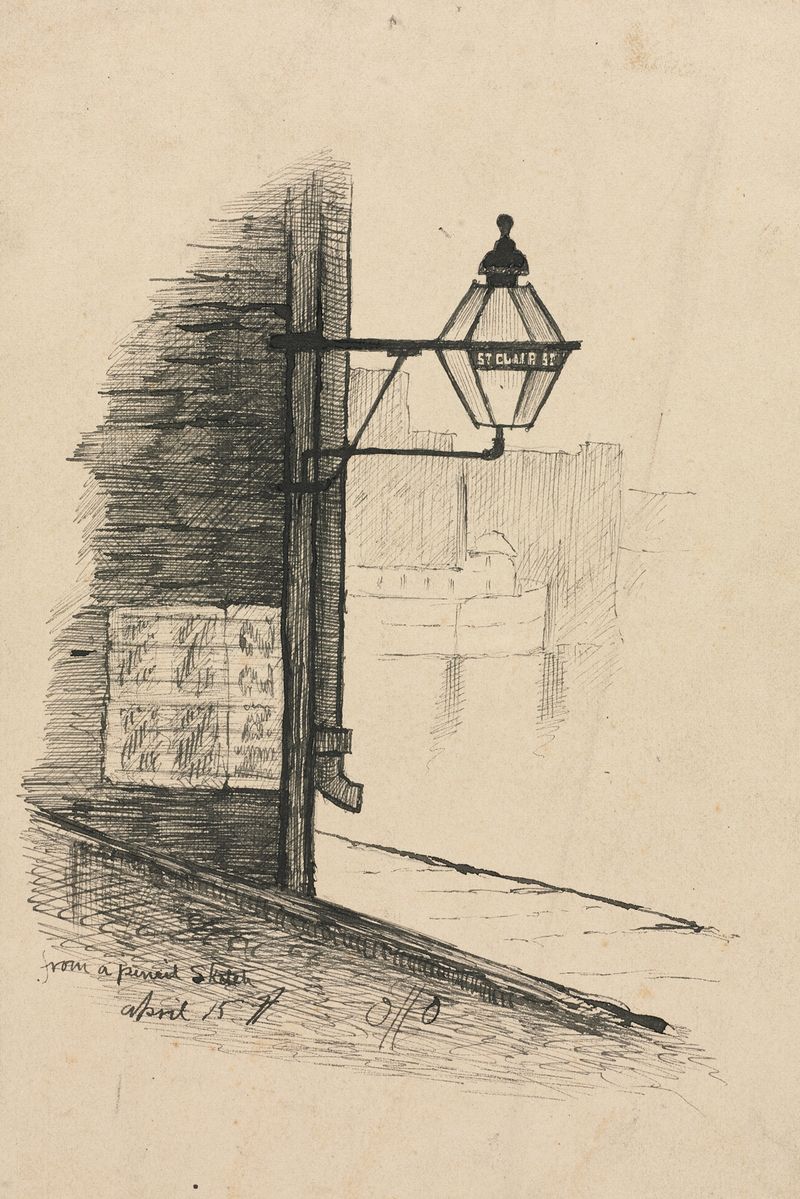
St. Clair Street, Cleveland
Otto Henry Bacher





