
Lustheim — History & Facts
What secret hides in the quiet of the canvas? As time unfurls, beauty whispers its enigmas, inviting us to listen closely. Focus on the delicate interplay of light and shadow throughout the work, where soft hues of green and blue coalesce with warmer touches of gold. The gentle brushwork invites the eye to trace the contours of the landscape, leading you from the vibrant foreground to the serene horizon. Notice how the trees sway with an almost ethereal grace, their leaves dappled in sunlight, creating a sense of tranquility that permeates the scene. Beneath the surface, tensions emerge in the contrast between the lush earth and the open sky, symbolizing the balance of freedom and restraint.
Hidden details, such as the almost imperceptible path winding through the foliage, suggest an invitation to explore, yet the stillness beckons one to pause and reflect. The work encapsulates a fleeting moment, where the vibrancy of nature intertwines with the silence of contemplation, evoking a sense of nostalgia for beauty that slips away too swiftly. In Lustheim, Otto Henry Bacher painted during a period of artistic exploration, likely inspired by the tranquil landscapes of his time. Created between 1870 and 1909, this work reflects the artist's dedication to capturing the essence of nature amidst the shifts of the Impressionist movement.
As he navigated changes in the art world, Bacher's approach remained rooted in his love for the serene beauty of the natural world, leaving an indelible mark on the canvas of history.
More Artworks by Otto Henry Bacher
Browse all →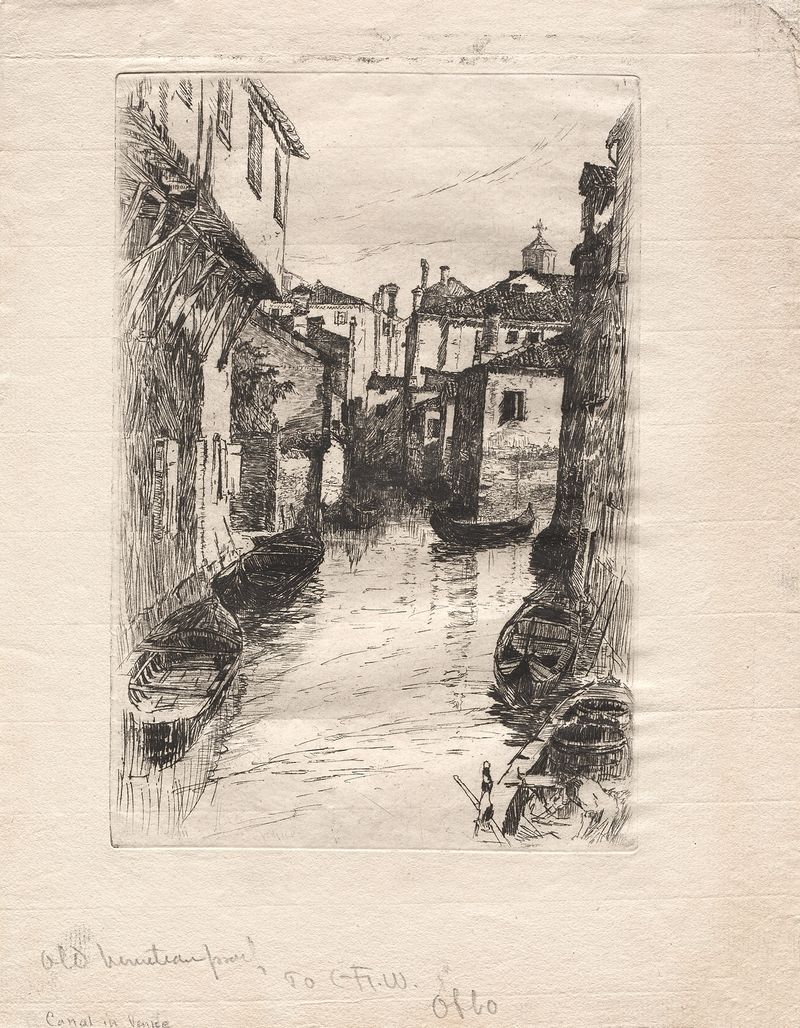
Canal in Venice
Otto Henry Bacher
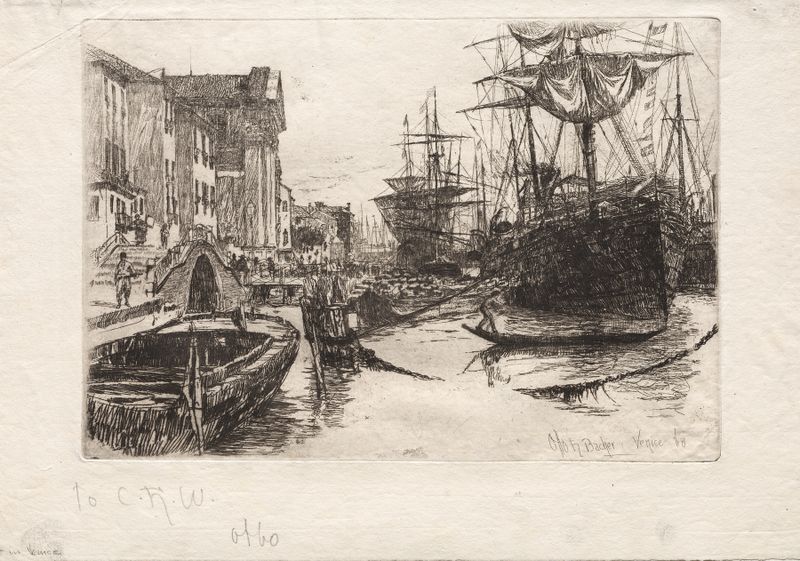
View in Venice
Otto Henry Bacher
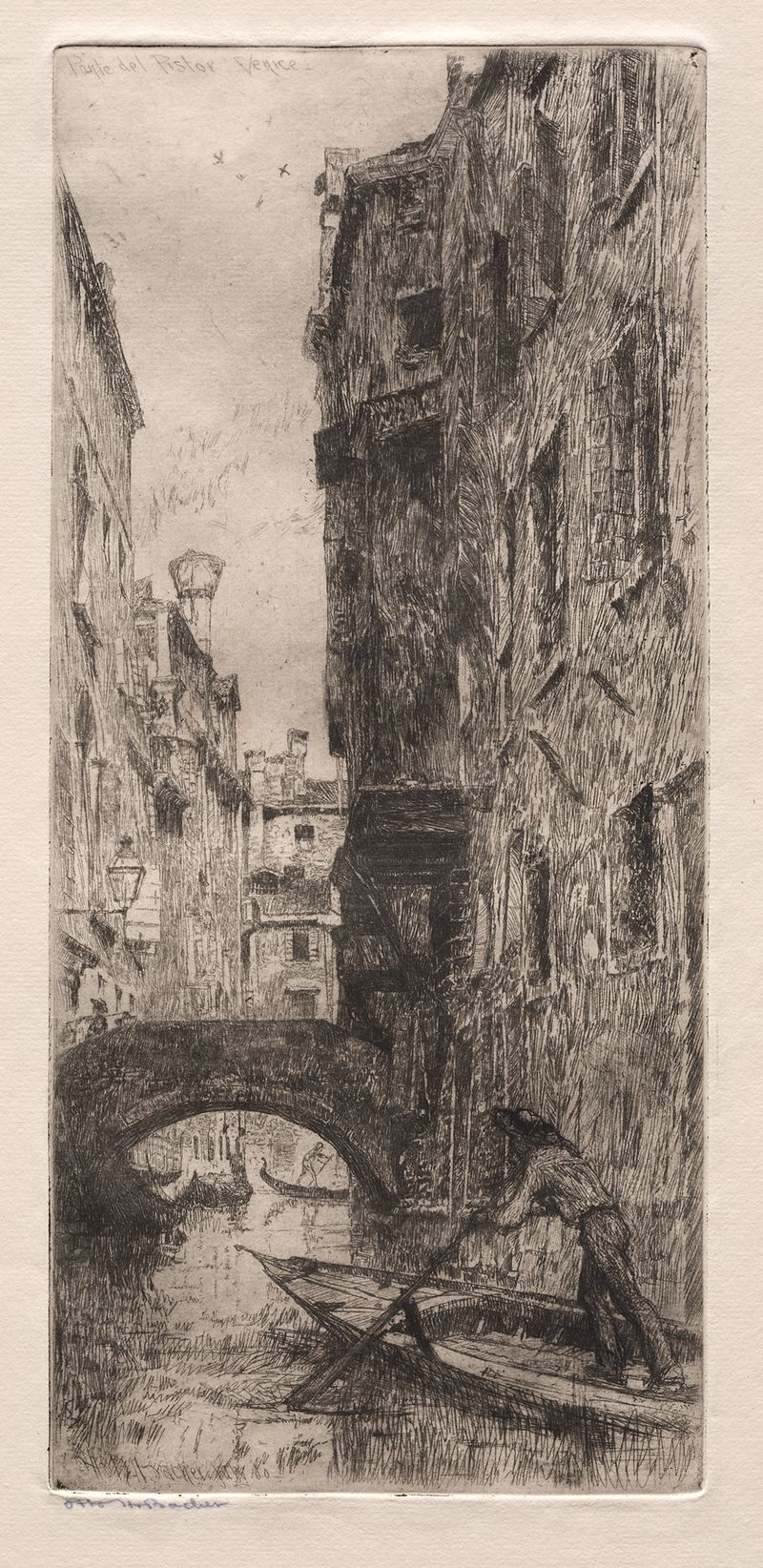
Ponte del Pistor, Venice
Otto Henry Bacher
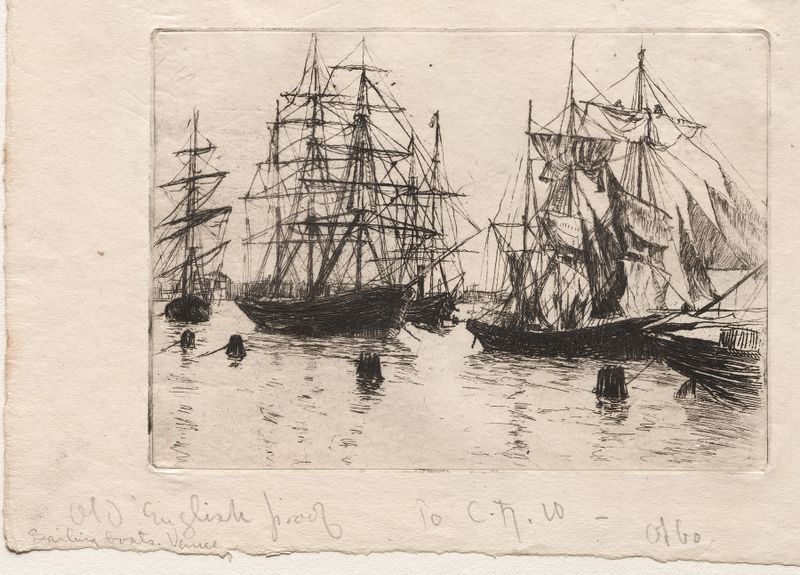
Sailing Boats, Venice
Otto Henry Bacher
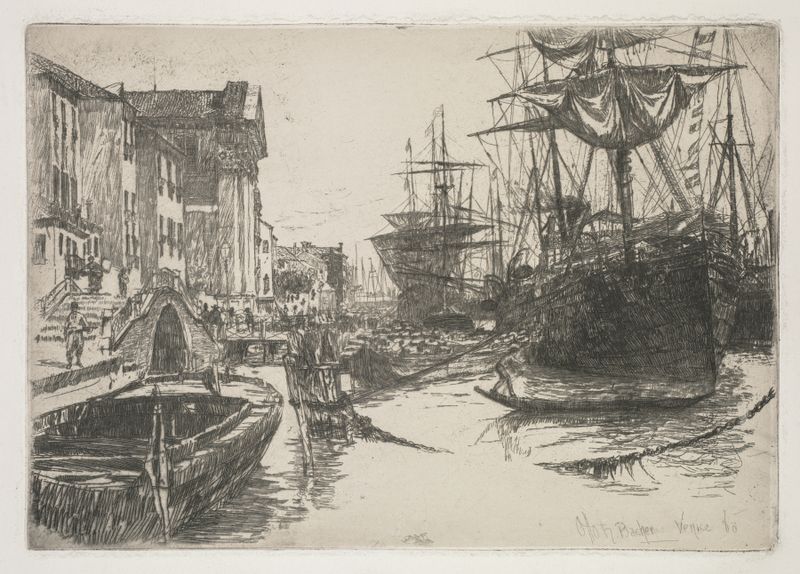
Fondamenta della Zattere
Otto Henry Bacher
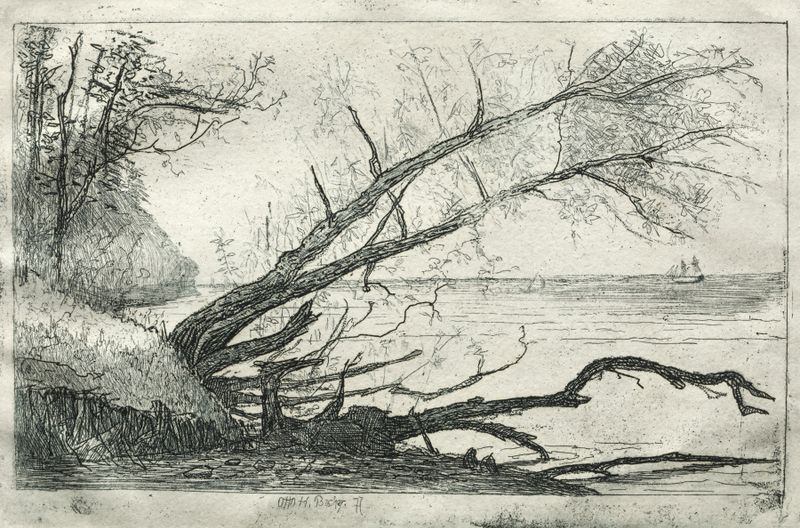
Old Sycamore
Otto Henry Bacher
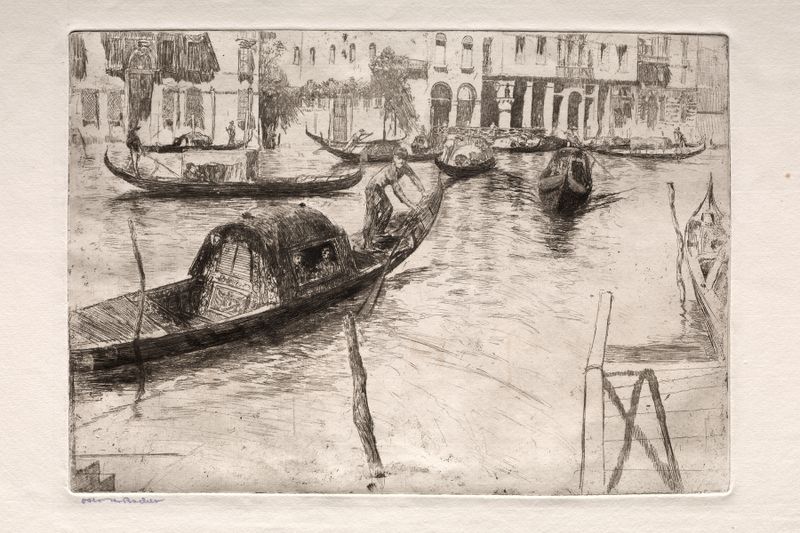
Traghetto San Felice
Otto Henry Bacher
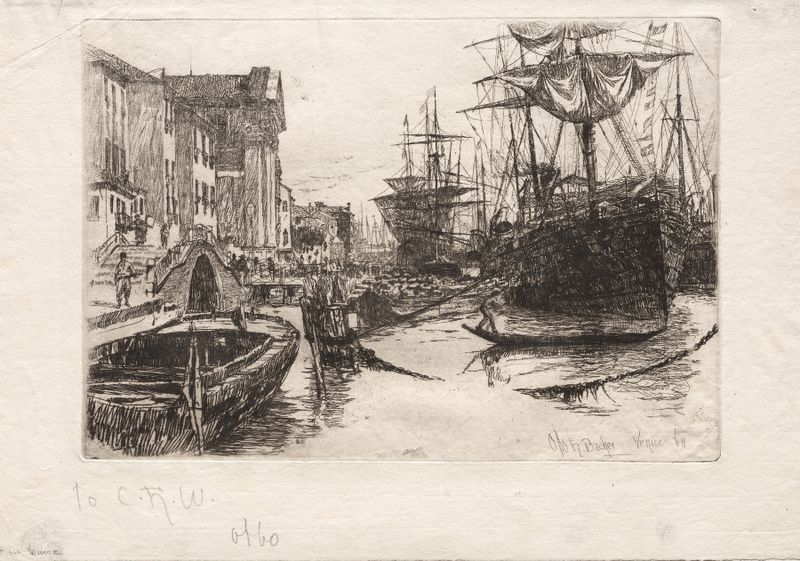
View in Venice
Otto Henry Bacher
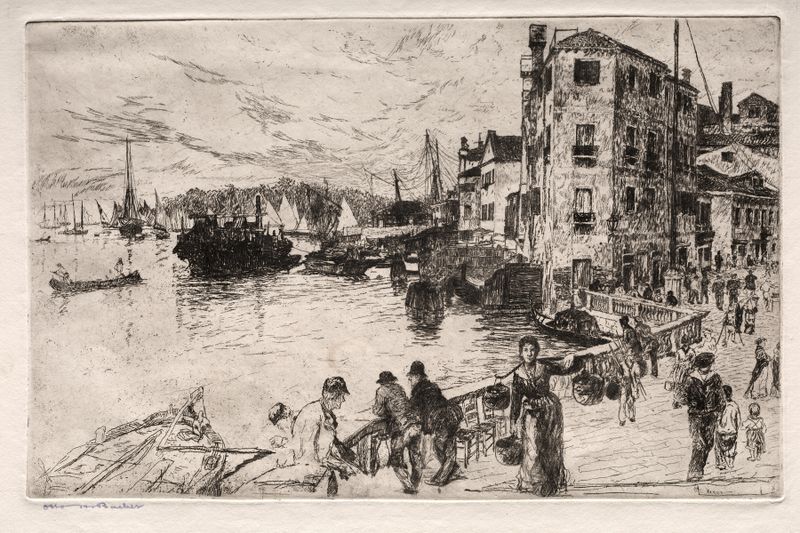
Castello Quarters, Riva
Otto Henry Bacher
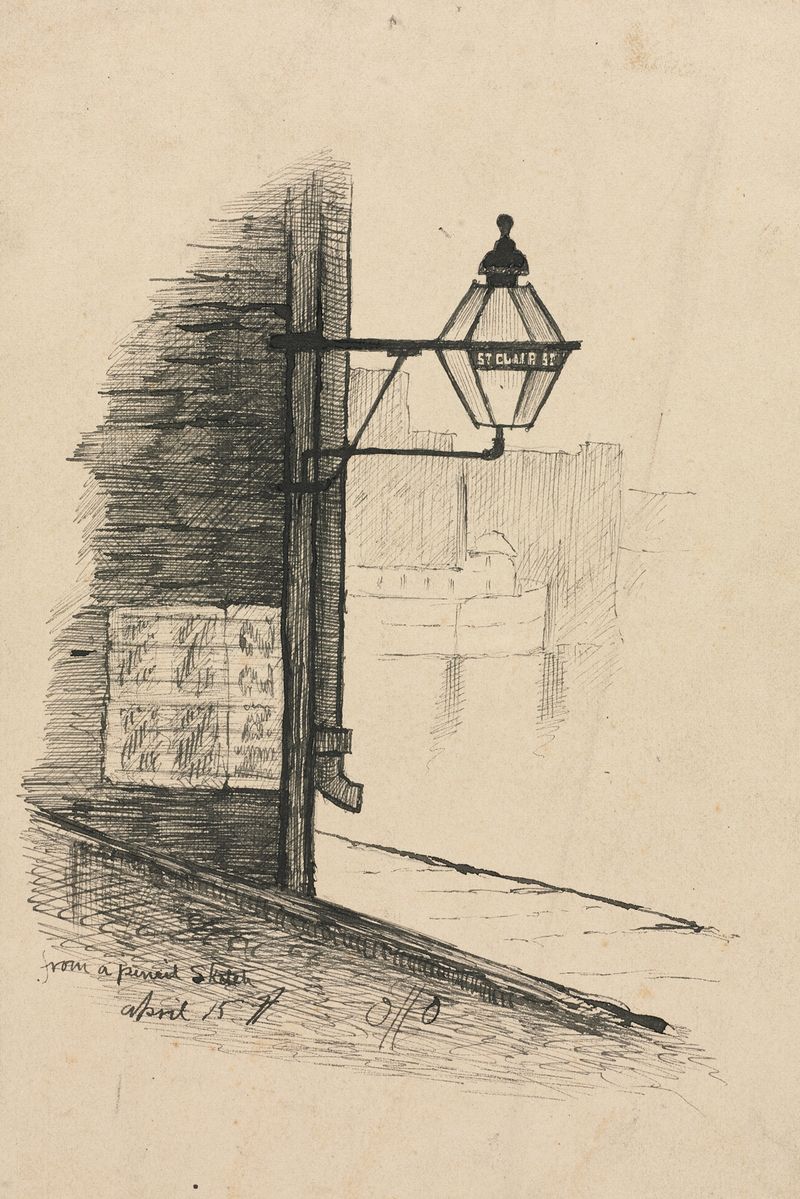
St. Clair Street, Cleveland
Otto Henry Bacher





