
Luzern, l’intérieur de Lucerne avec l’eglise des Jésuites — History & Facts
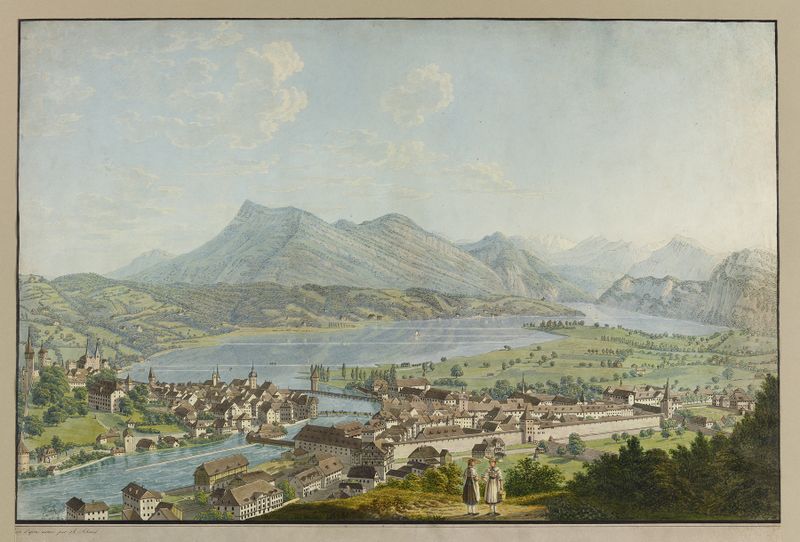
Did the painter know this moment would outlive them? An awakening captured in time, the spirit of a city breathes through hues and strokes, inviting us into a world both familiar and ethereal. Focus on the luminous interplay of light and shadow that dances across the church’s façade, drawing your eye to the delicate, intricate details of the Jesuit architecture. Notice how the warm tones of ochre and gold blend seamlessly with the cool blues of the surrounding landscape, creating a harmonious balance that envelops the viewer. The careful composition, with its sweeping lines leading toward the church steeple, evokes a sense of reverence and tranquility, as if inviting one to pause and reflect. The emotional tension in this piece lies in the juxtaposition of solidity and fluidity.
While the church stands as a steadfast symbol of tradition and faith, the gentle hills and shimmering waters surrounding it suggest an ever-changing world. Subtle elements, like the ripples in the lake or the wisps of clouds, whisper of transience—a contrast to the enduring faith embodied in the structure. This duality invites contemplation about the interplay between permanence and change, evoking a sense of nostalgia for what remains and what fades. In the years between 1915 and 1945, Schmid painted Luzern, l’intérieur de Lucerne avec l’église des Jésuites in Switzerland, a period marked by profound upheaval across Europe.
As the world grappled with the consequences of war and change, his work captured the essence of a serene moment, reflecting both the personal and collective yearning for peace and solace amidst chaos. Schmid's artistry during this tumultuous time reveals a commitment to beauty and continuity.
More Artworks by David Alois Schmid
Browse all →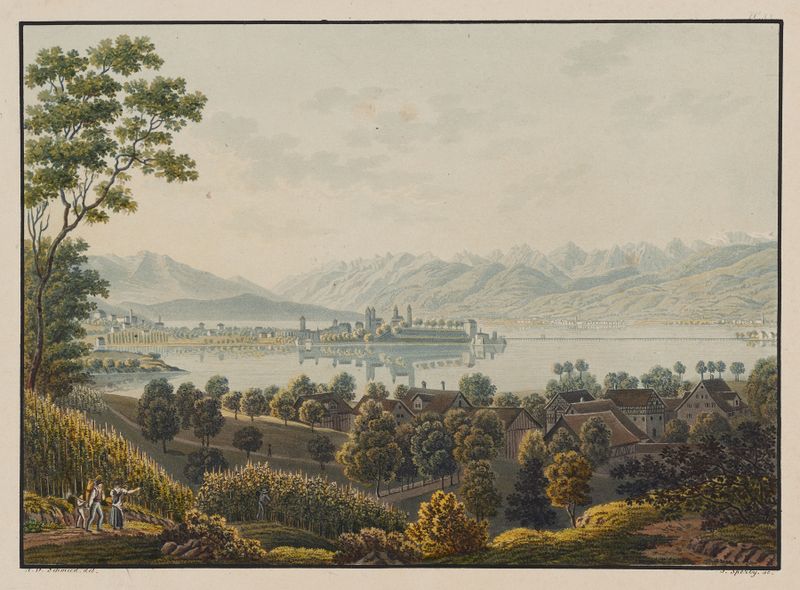
Vue de Rapperschwyl vers Lachen lac de Zurich
David Alois Schmid
Luzern, von Westen
David Alois Schmid
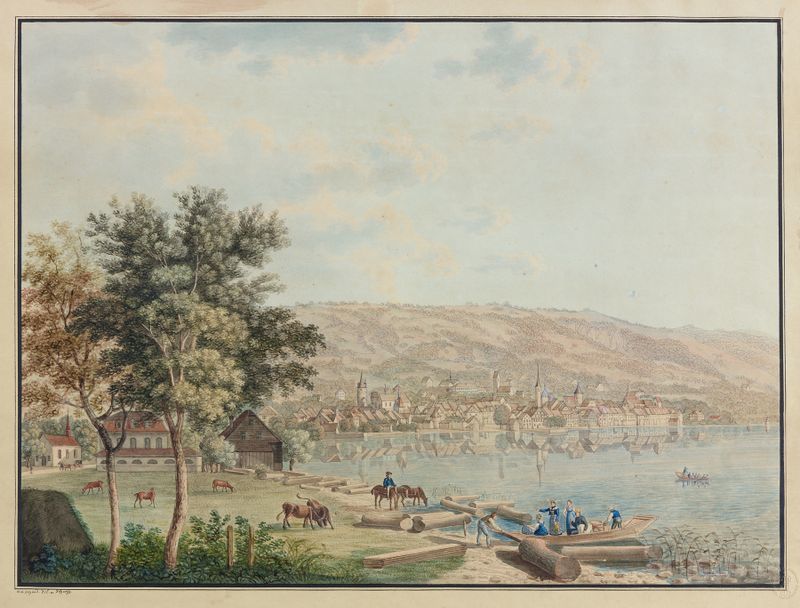
Ansicht der Stadt Zug und des Zugersees
David Alois Schmid
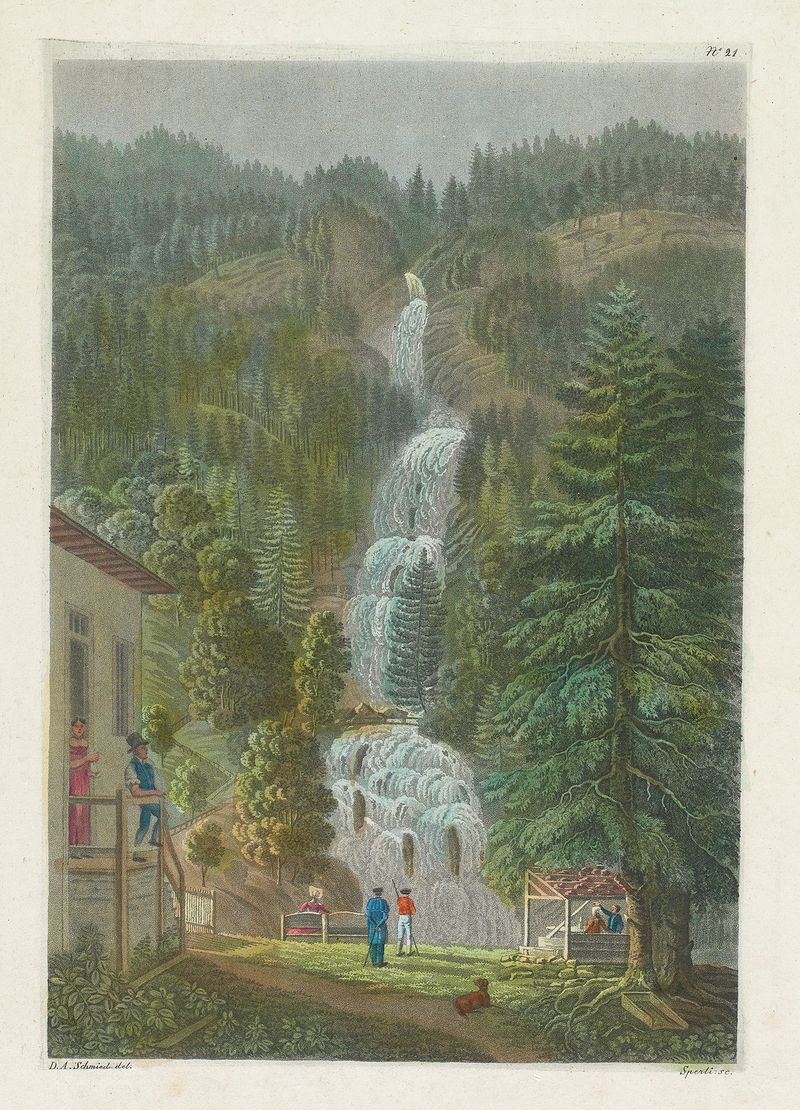
La Cascade du Giessbach
David Alois Schmid
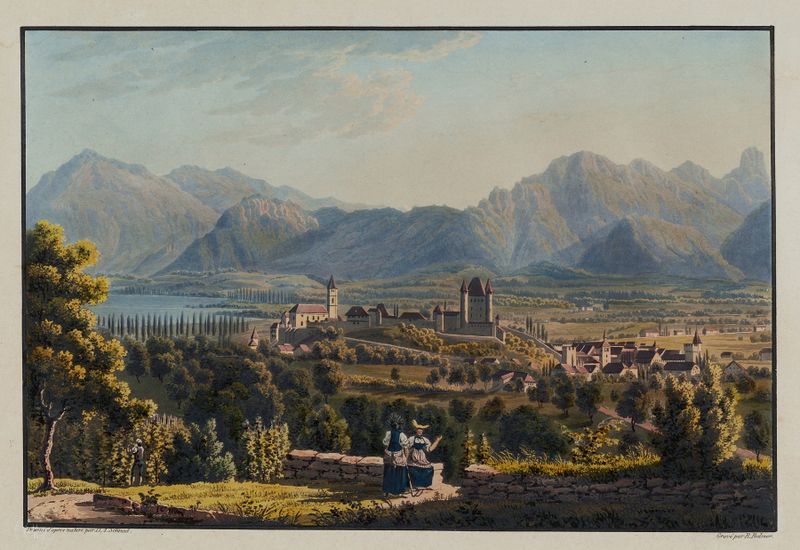
Thoun vers le Niesen et le Stokhorn
David Alois Schmid
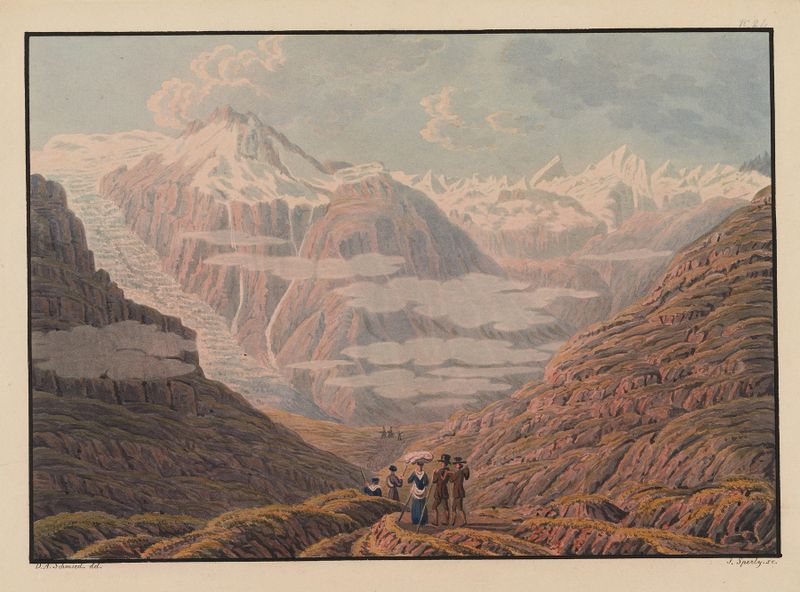
Vue prise au passage de la Furka Cant. d’Ury
David Alois Schmid
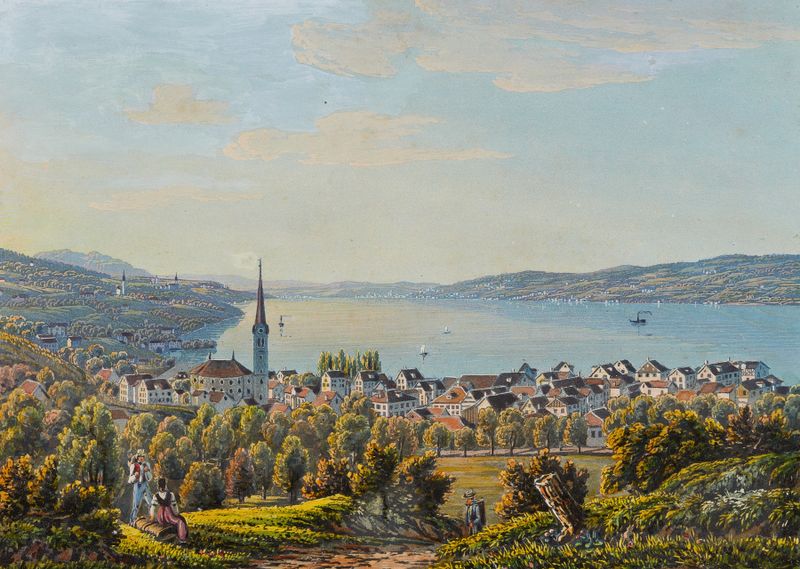
Vue de Horgen lac de Zurich
David Alois Schmid
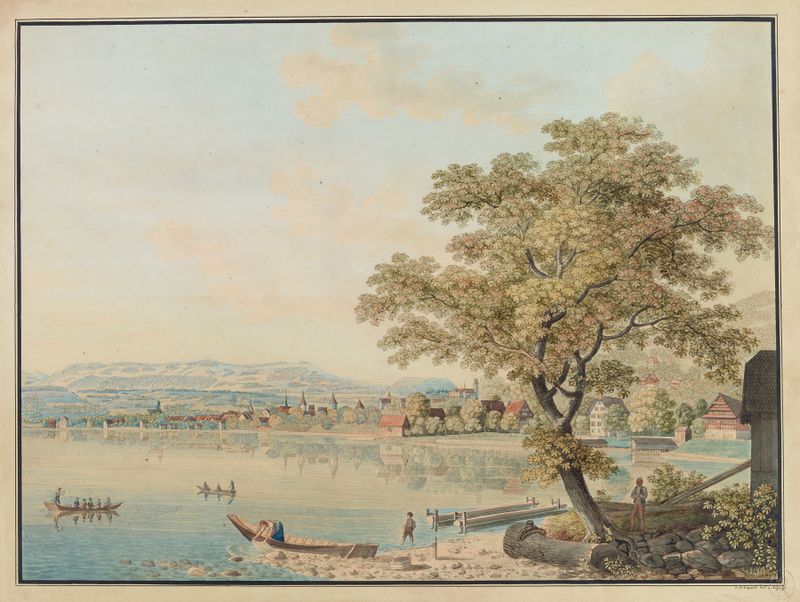
Zug, Ortsteilansicht
David Alois Schmid
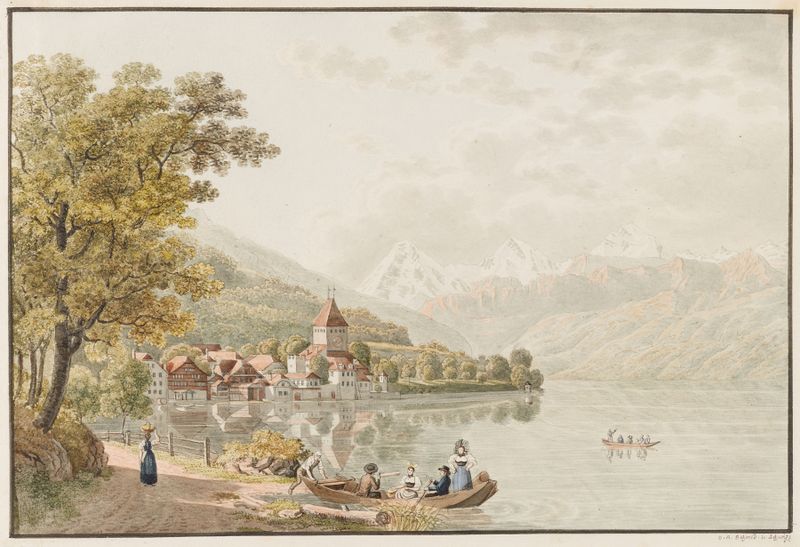
Ansicht Oberhofens am Thunersee
David Alois Schmid
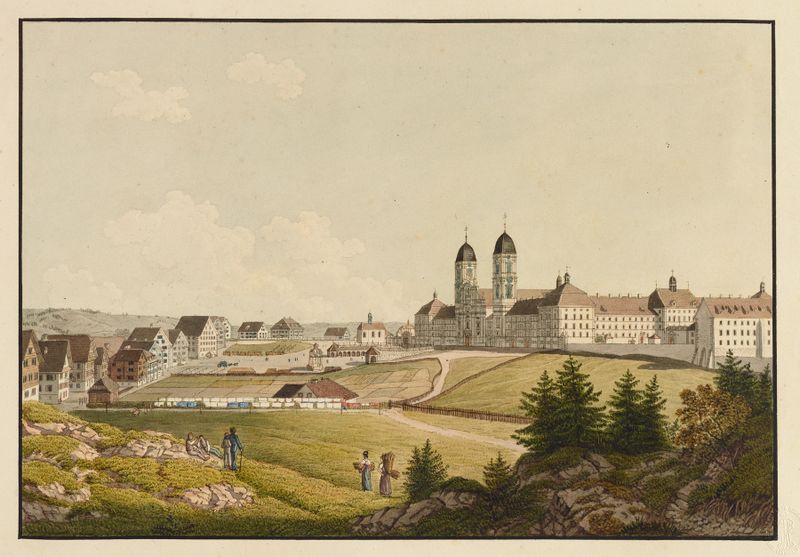
Das Kloster Einsiedeln im Canton Schwyz
David Alois Schmid
More Architecture Art
Browse all →
The statue of Liberty
Frédéric Auguste Bartholdi

View of Houses in Delft, Known as ‘The Little Street’
Johannes Vermeer

View of Houses in Delft, Known as ‘The Little Street’
Johannes Vermeer

The Cathedral in Rouen. The portal, Grey Weather
Claude Monet

The yellow house
Vincent van Gogh

The Church in Auvers-sur-Oise, View from the Chevet
Vincent van Gogh