
Madonna and Child — History & Facts
Could beauty survive in a century of chaos? The tender embrace of a mother and child suggests that perhaps it can, even amid sorrow’s shadow. Look to the center of the canvas where the Madonna cradles her son, their figures softly illuminated by a divine light that contrasts starkly with the muted tones surrounding them. The delicate brushwork captures the subtle textures of their drapery, inviting the eye to linger on the intricate details of the fabric and the serene expressions that hint at both love and impending loss. The background recedes into darkness, providing a poignant frame for this intimate moment, emphasizing the significance of their bond. Dig deeper, and you’ll notice the faint traces of grief etched in the Madonna’s gaze, a premonition of the trials that await her child.
The flowers in her lap symbolize both beauty and mortality; they bloom vibrantly yet imply fragility. The subtle contrasts between light and shadow evoke a sense of tension, suggesting that joy and sorrow coexist in this sacred relationship, reminding us that love and loss often walk hand in hand. This piece was crafted in the 18th century by an unidentified artist during a time when Europe was grappling with the aftermath of wars and social upheaval. Art began to reflect the complexities of human experience, and the devotional nature of this work served both as a personal solace and a communal reflection of faith in troubled times.
The painter, though nameless, channeled the collective grief and hope of an era into this timeless depiction of maternal love.
More Artworks by Unidentified artist
Browse all →
Self-portrait with a Bandaged Ear and Pipe
Unidentified artist

Feast in the House of Levi
Unidentified artist
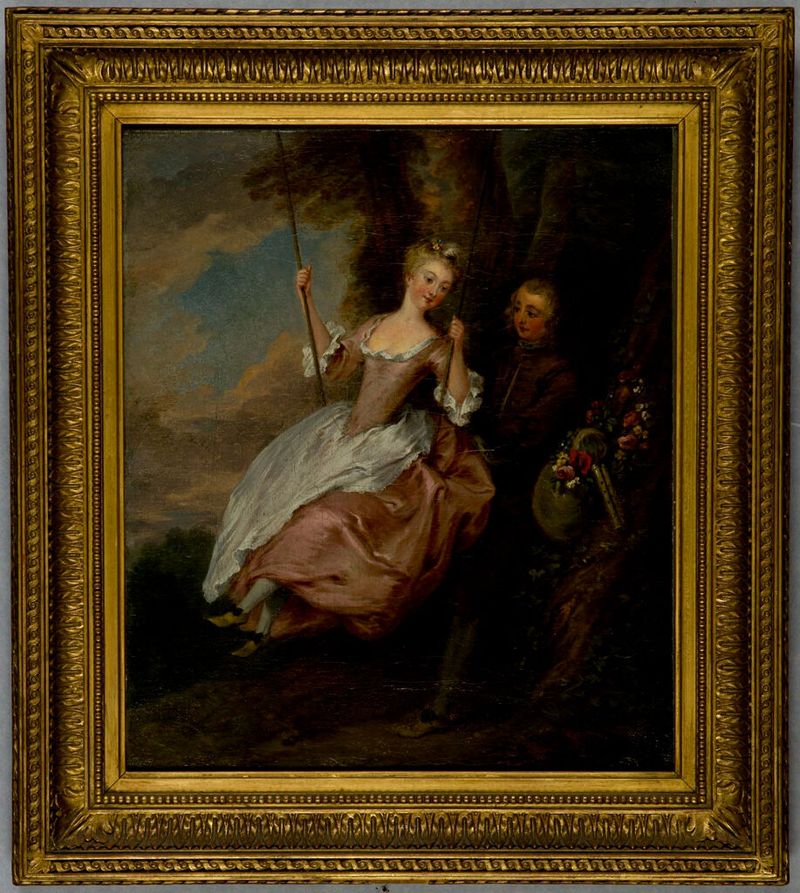
The Swing
Unidentified artist

Geoffrey Chaucer (1340?-1400)
Unidentified artist

Portrait of Michelangelo after the "Strozzi" original in the Uffizi Gallery
Unidentified artist
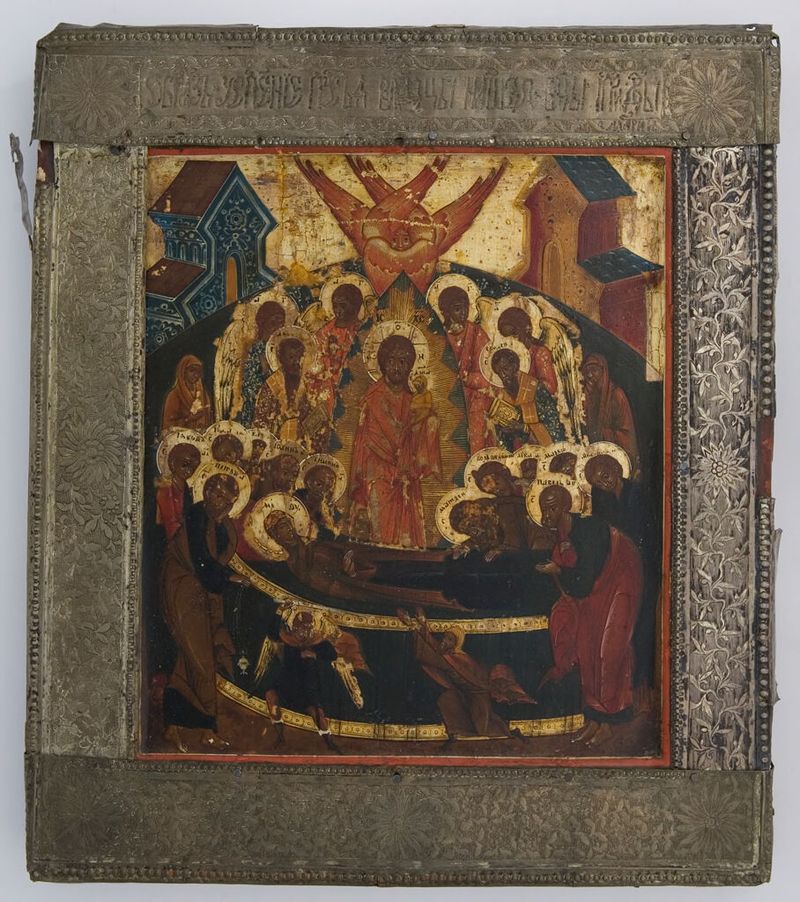
Dormition of the Virgin
Unidentified artist

Charles I (after a van Dyck painting in the Staatliche Museen, Gemaldegalerie, Dresden)
Unidentified artist

Madonna and Child
Unidentified artist

John Winthrop, the Younger (1606-1676)
Unidentified artist

Crucifix with the Virgin and Saint John the Evangelist, Christ the Redeemer, and a Praying Woman
Unidentified artist
More Religious Art
Browse all →
The Return of the Prodigal Son
Rembrandt van Rijn

The Garden of Earthly Delights
El Bosco

Count Orgaz’ funeral
El Greco

The Hundred Guilder Print: the central piece with Christ preaching, the plate arched
Rembrandt van Rijn

The Descent from the Cross
Rogier van der Weyden

The return of the prodigal son
Rembrandt van Rijn