
Madonna and Child in Glory — History & Facts
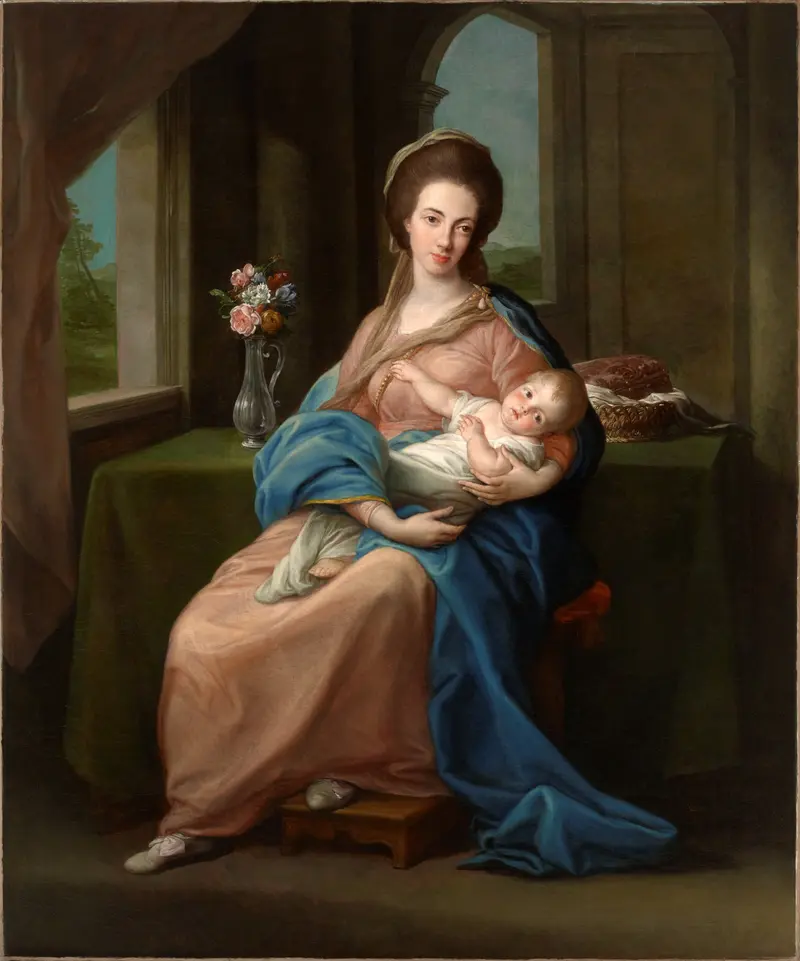
In Madonna and Child in Glory, we see the Virgin Mary and the infant Jesus depicted in a celestial setting. The painting features vibrant colors, with rich blues and golds dominating the background. Mary is often shown with a serene expression, holding the Child close to her.
The use of light creates a heavenly atmosphere, enhancing the divine nature of the figures. The painting is executed in oil on canvas, a common medium for the Rococo style. Batoni's technique showcases delicate brushwork and a keen attention to detail, particularly in the facial expressions of the figures. The composition is balanced, with the figures centrally placed against a luminous background.
The overall effect is one of harmony and grace. Pompeo Batoni was an influential Italian painter of the 18th century, known for his portraits and religious works. Madonna and Child in Glory reflects the Rococo style, characterized by ornate details and a light-hearted approach to religious themes. An interesting fact about this work is its ability to blend traditional religious iconography with the playful elegance typical of Rococo art.
More Artworks by Pompeo Batoni
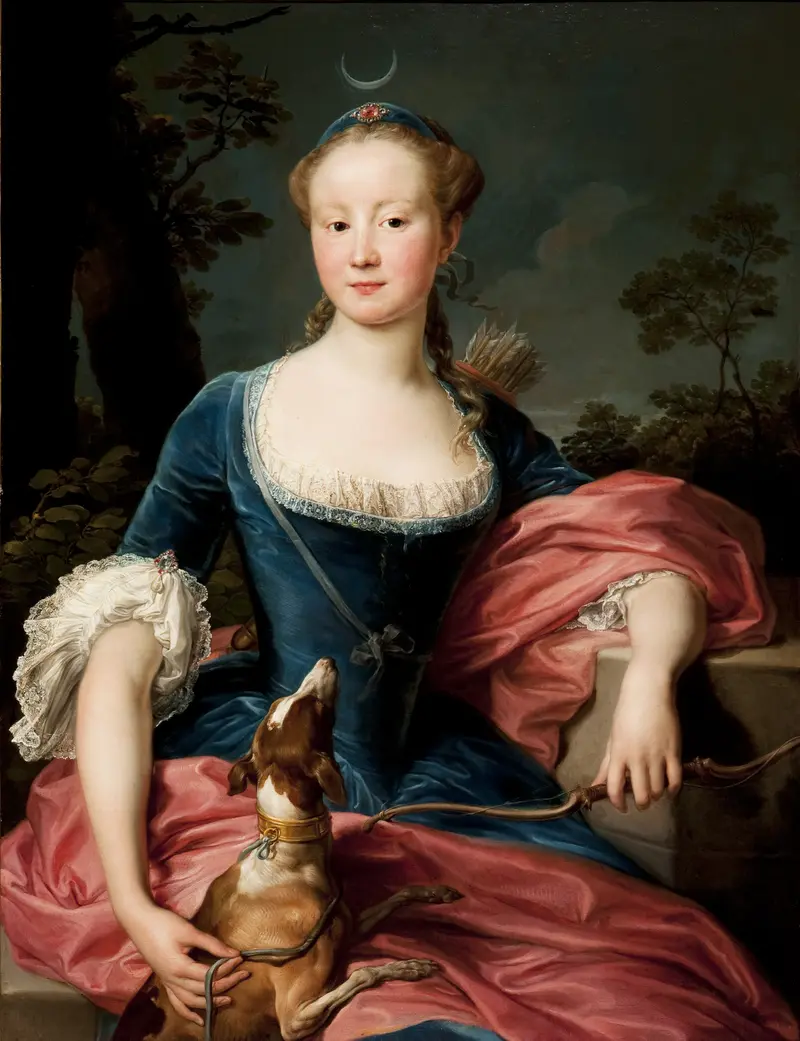
Portrait of a Lady as Diana the Huntress
Pompeo Batoni
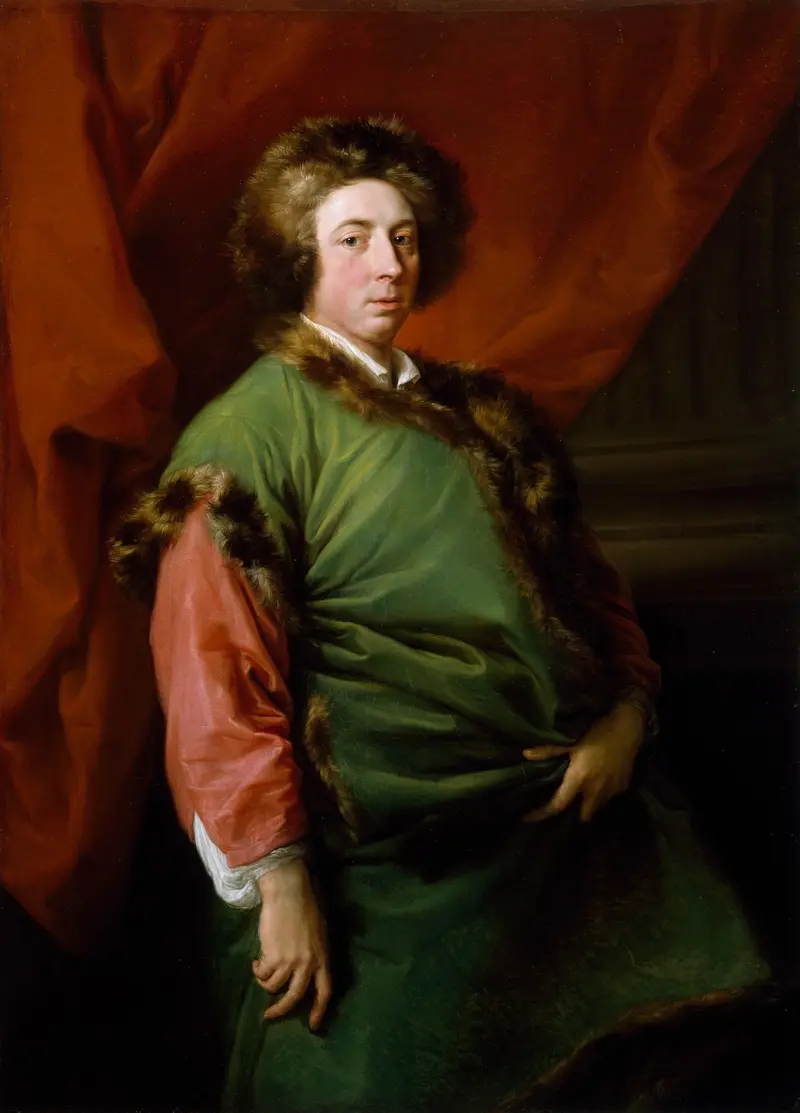
Portrait of Joseph Leeson, later 1st Earl of Milltown (1711-1783)
Pompeo Batoni
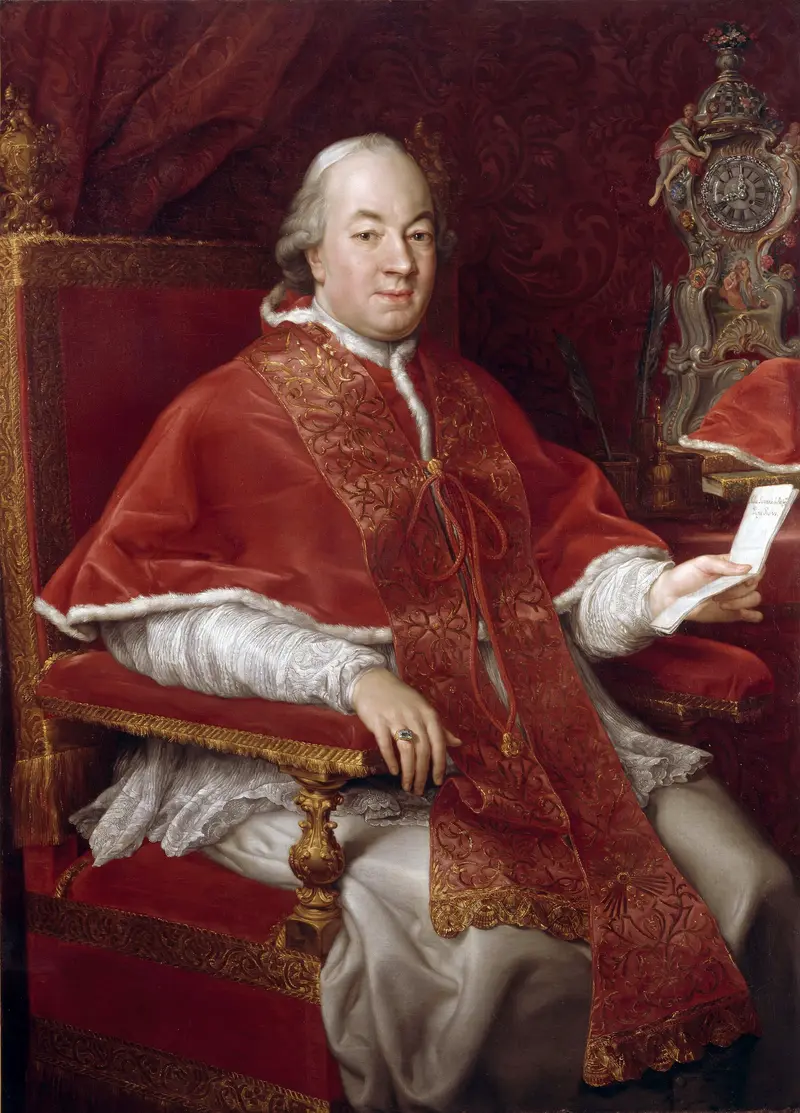
Portrait of Pope Pius VI, Giovanni Angelo Braschi (1717-1799)
Pompeo Batoni
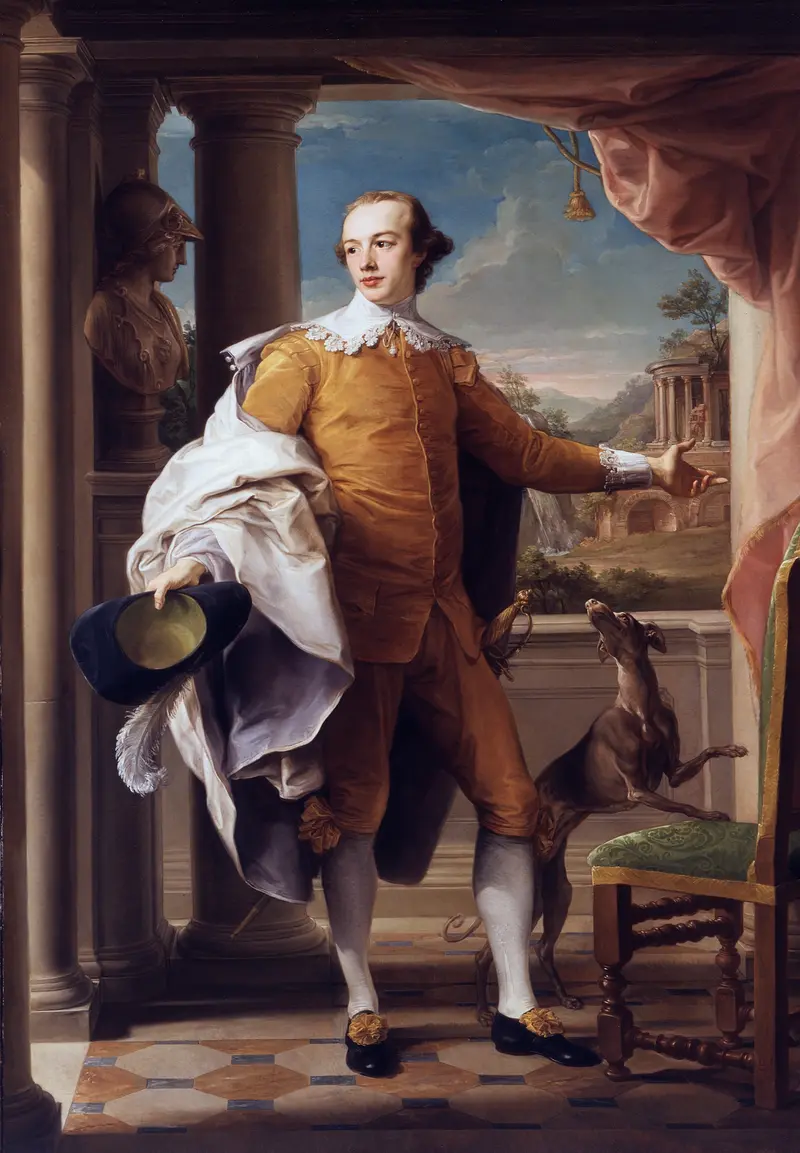
Portrait of Sir Wyndham Knatchbull-Wyndham
Pompeo Batoni
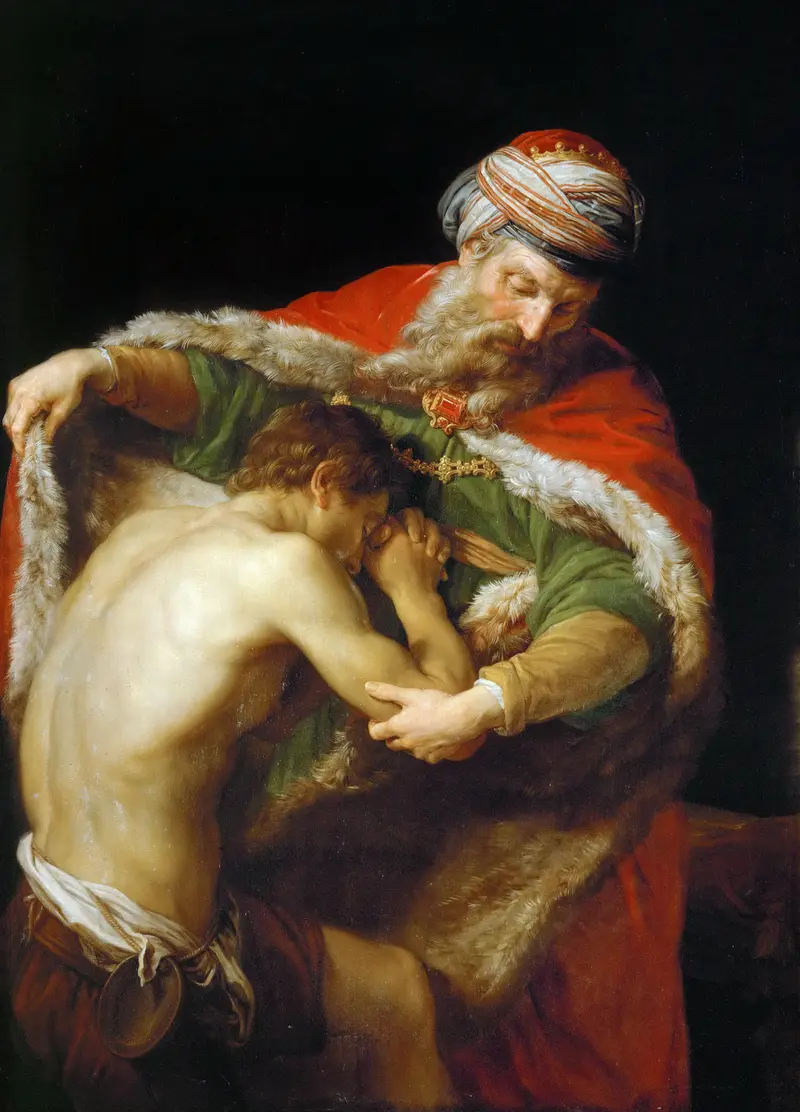
The Return Of The Prodigal Son
Pompeo Batoni
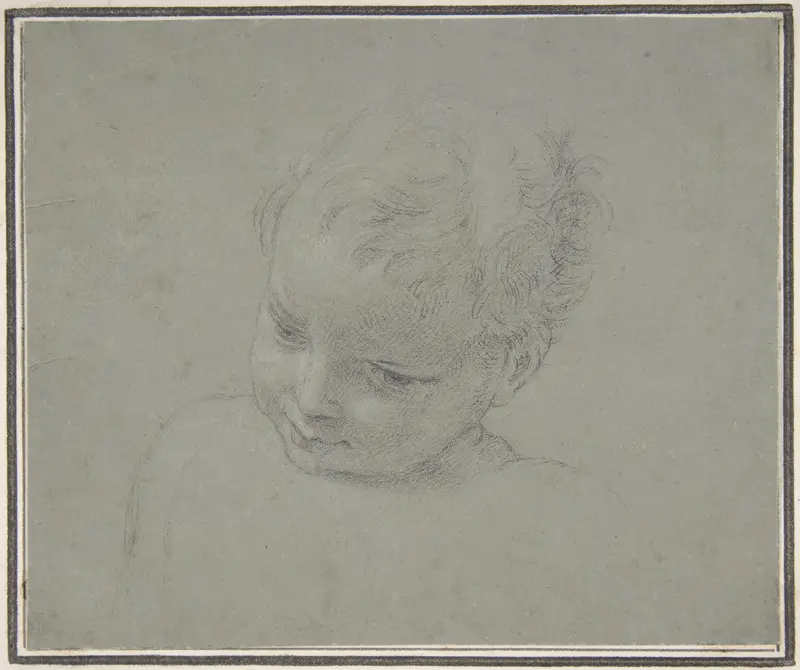
Bust-Length Study of a Child
Pompeo Batoni
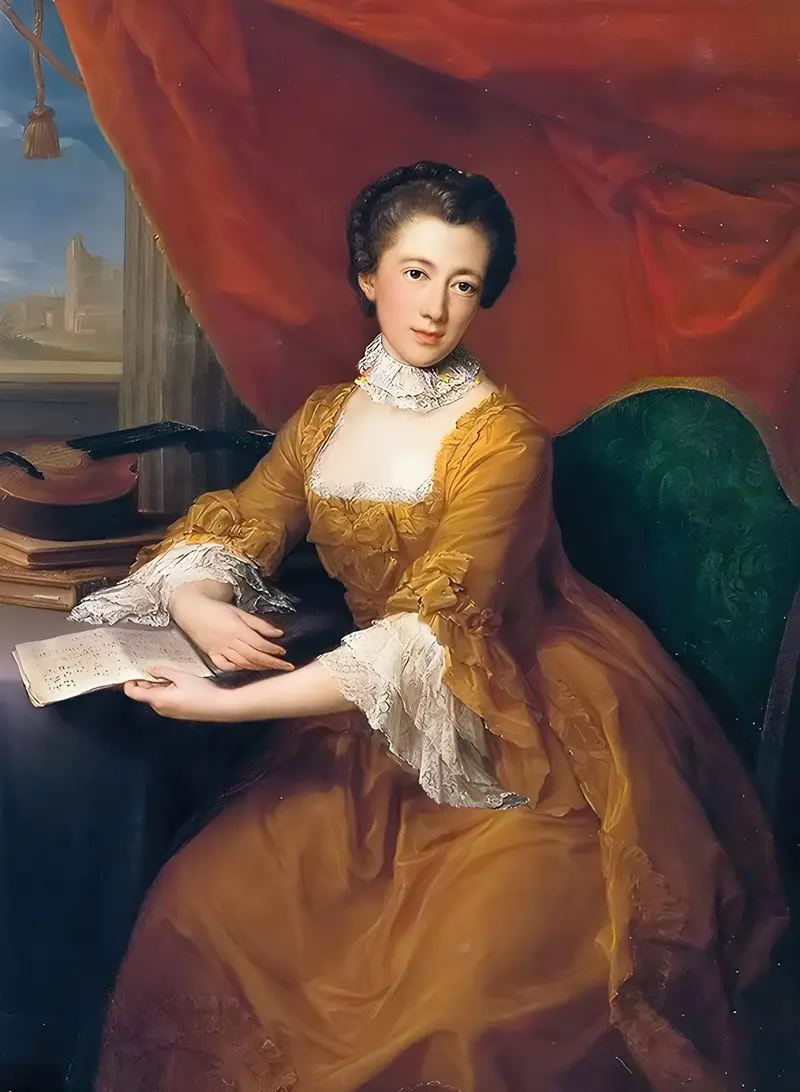
Portrait of Lady Margaret Georgiana Poyntz
Pompeo Batoni
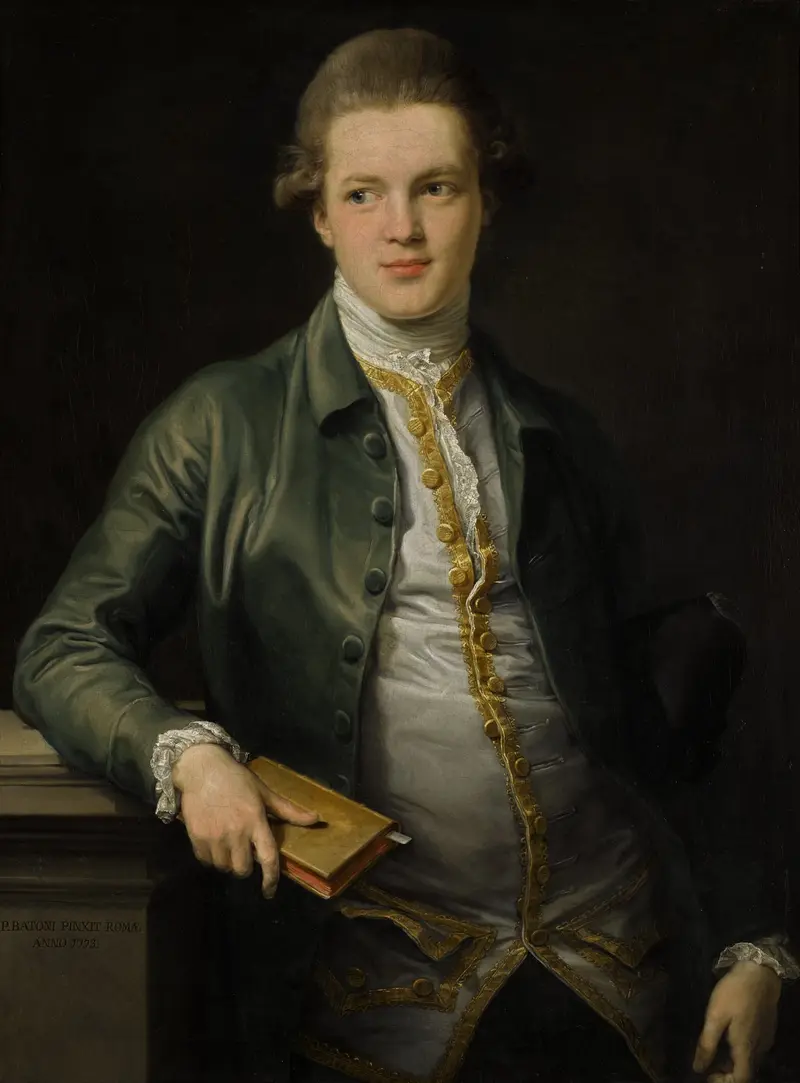
Portrait of Thomas Orde, later Orde-Powlett and 1st Baron Bolton
Pompeo Batoni

Male Nude Reclining on a Bed
Pompeo Batoni
Mary Taylour, Viscountess of Headfort, later Countess of Bective and Marchioness of Headfort
Pompeo Batoni





