Main landscape — History & Facts
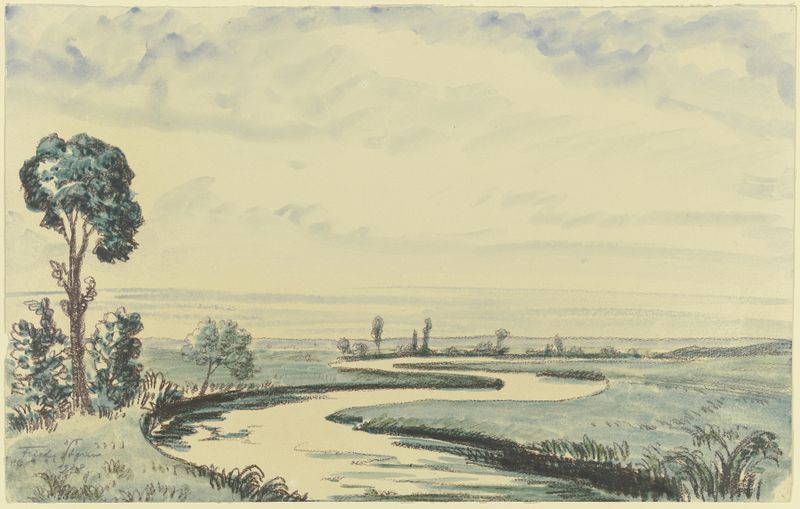
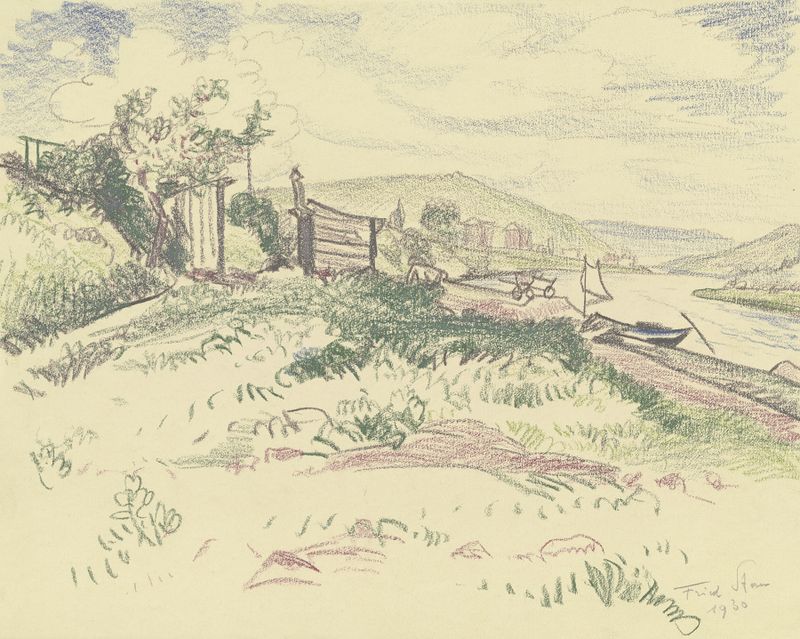
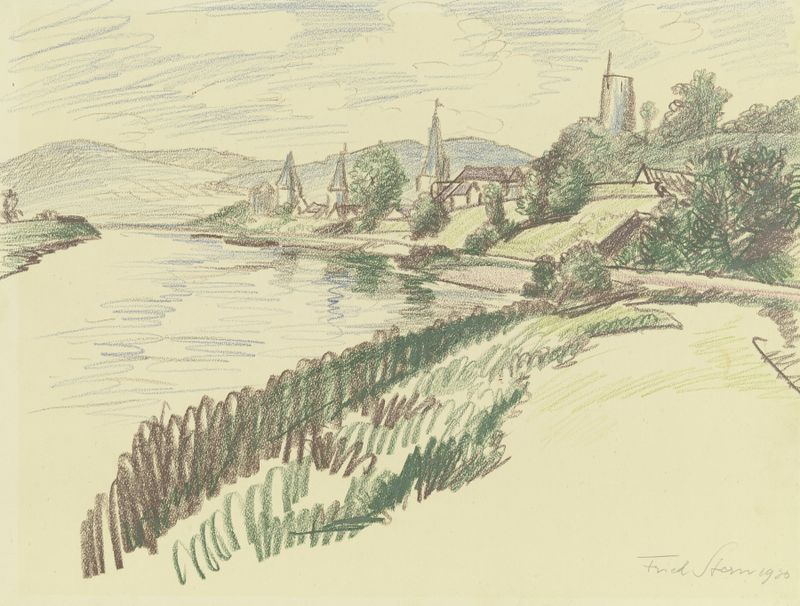
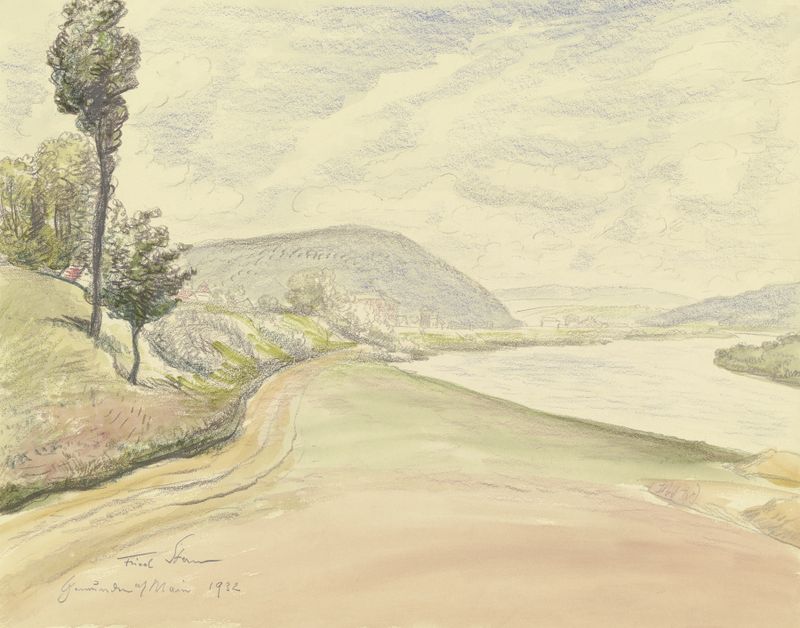
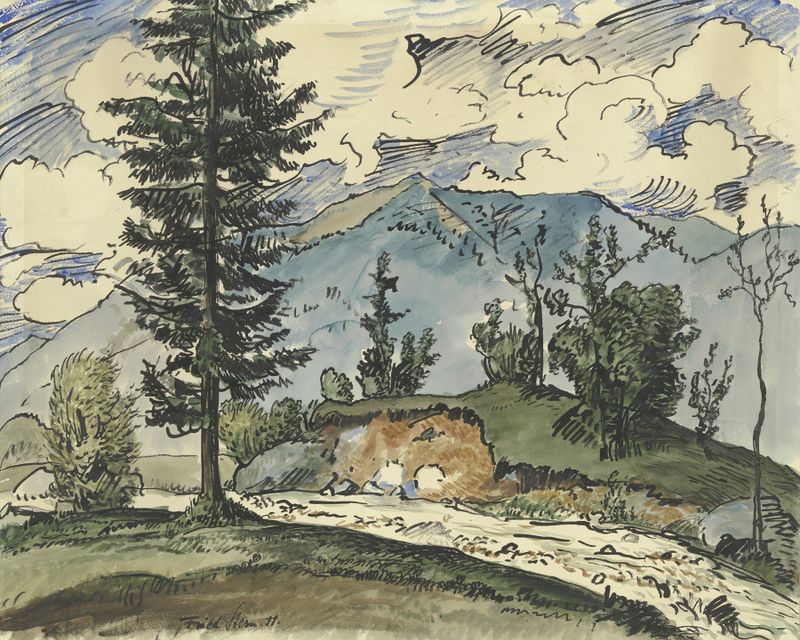
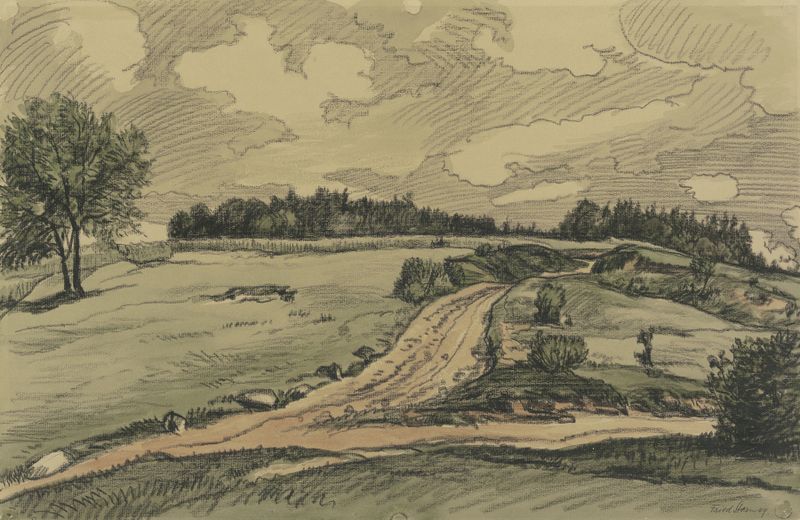
This sentiment encircles a sense of innocence lost, a haunting reminder that even the most serene landscapes may harbor deeper truths beneath their surface. Focus first on the verdant hills, their lush greens stretching toward an expansive sky that beckons with gentle whispers of azure and white. Notice how the brushstrokes dance lightly across the canvas, creating a texture that invites you to explore each blade of grass and glimmering sunbeam. The composition draws the eye toward the horizon, where earth and sky converge, suggesting an eternal cycle of beauty and melancholy. Amidst the idyllic scenery lies a sense of contrast; the vibrant colors juxtapose with an underlying stillness that hints at forgotten stories.
The delicate play of light suggests a fleeting moment, capturing innocence in its most fragile state. Yet, the viewer can sense an unspoken narrative, perhaps of loss or longing, woven into the very fabric of the landscape—a reminder that beauty often masks complexity. Fried Stern painted this work during a time marked by significant artistic upheaval, exploring the intricate relationship between innocence and experience. Working in the early 20th century, he was influenced by a wave of modernism that sought to redefine art’s purpose.
Though the exact date of this piece remains unknown, it reflects his deep engagement with nature and emotion, revealing the complexities that dwell within seemingly simple scenes.