
Man en twee knechten of dragers — History & Facts
In the realm of dreams, fleeting moments coalesce into vivid imagery, unveiling truths that lie beneath the surface of the ordinary. Each element in this artwork invites contemplation, transporting us to a realm where the familiar blurs with the fantastic. Begin your exploration by focusing on the central figure, a dignified man whose posture is imbued with a blend of authority and vulnerability. His gaze, penetrating yet contemplative, offers a window into a world of unspoken narratives.
Notice how the intricate detailing of his attire contrasts sharply with the more muted forms of the two attendants beside him, emphasizing their roles as both support and shadow in his life. The interplay of light and shadow across their forms defines the scene, drawing your eye to the subtle tension present in their arrangement. Digging deeper, we find a rich tapestry of emotions within the gestures and expressions depicted. The man's slightly clenched fists suggest an internal struggle, a yearning for freedom or recognition amidst the weight of obligation.
Meanwhile, the attendants, while seemingly subservient, exude a quiet strength that hints at their own complex roles in his life. This juxtaposition creates a narrative that resonates with the universal themes of power, dependency, and the intricate dance between dreams and reality. Created between 1510 and 1550, this work emerged during a period of significant change in Europe, marked by the rise of humanism and the complexities of societal roles. During this time, Hans Sebald Beham was establishing himself within the Northern Renaissance, crafting pieces that reflected both individual and collective human experience.
His ability to weave intricate stories through his art speaks to the cultural shifts occurring around him, inviting viewers to reflect on their own dreams and societal positions.
More Artworks by Hans Sebald Beham
Browse all →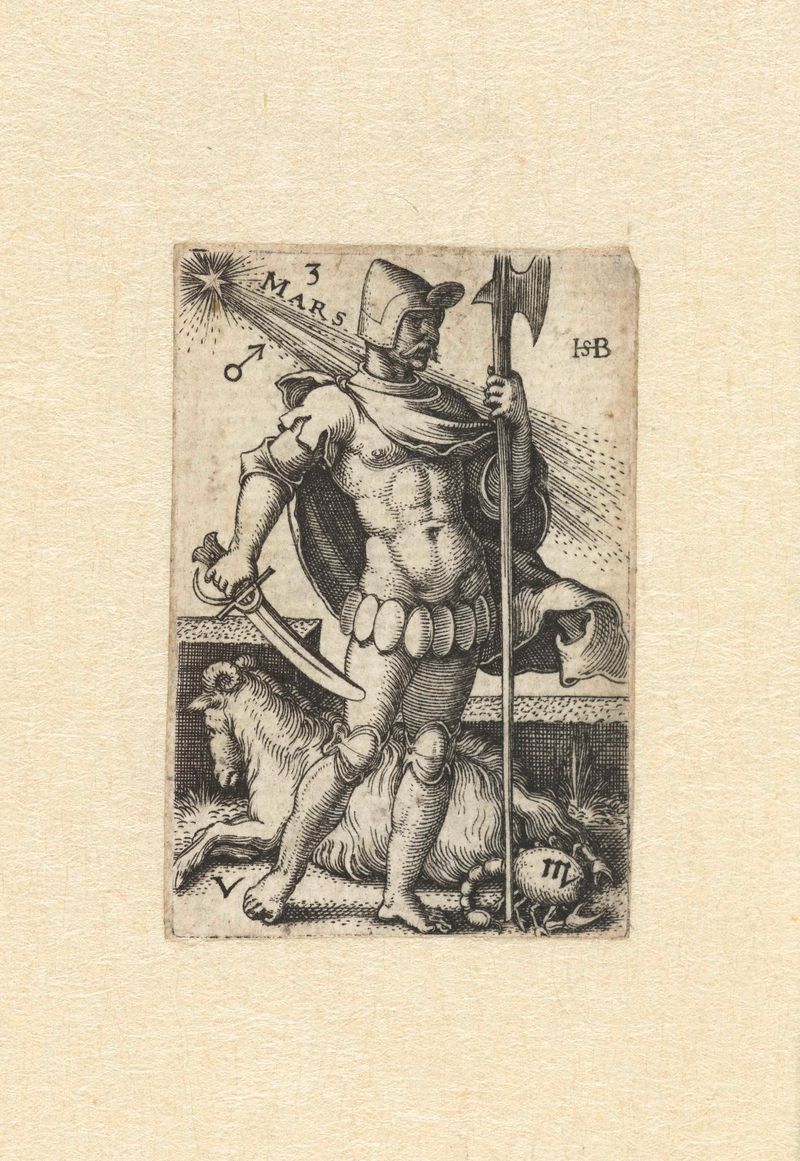
Mars met sterrenbeelden Ram en Schorpioen
Hans Sebald Beham

Achilles in gevecht met Hector
Hans Sebald Beham
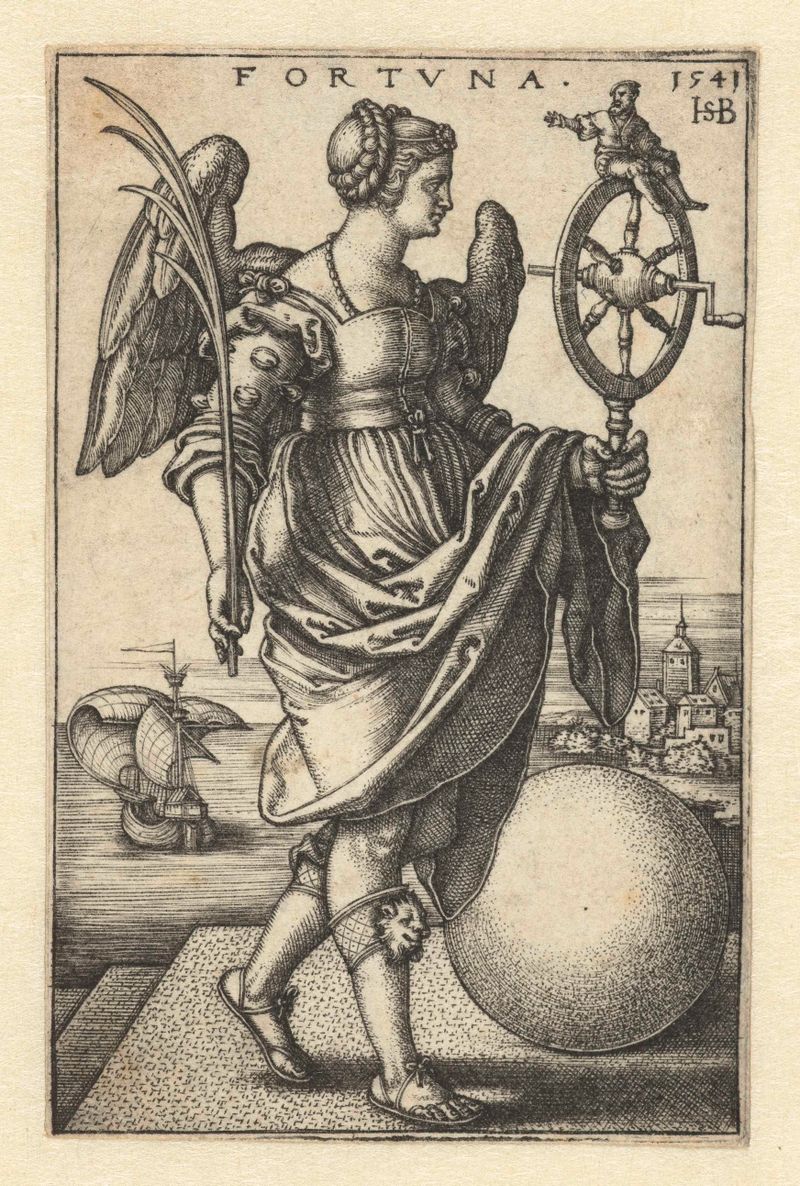
Fortuna
Hans Sebald Beham

Hercules worstelt met Antaeus
Hans Sebald Beham

Twee muzikanten met schalmey en doedelzak
Hans Sebald Beham

Voorzichtigheid (Prudentia)
Hans Sebald Beham

Hercules in gevecht met de Trojanen
Hans Sebald Beham
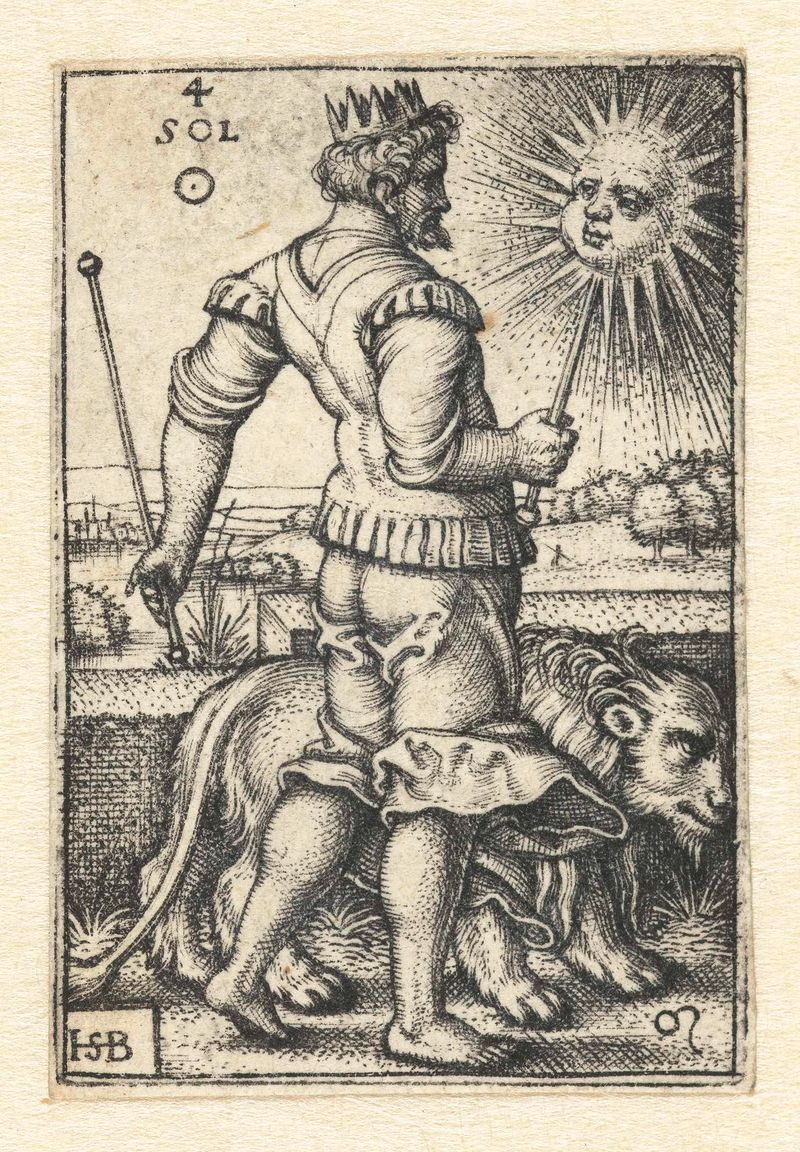
Apollo (Sol) met sterrenbeeld Leeuw
Hans Sebald Beham
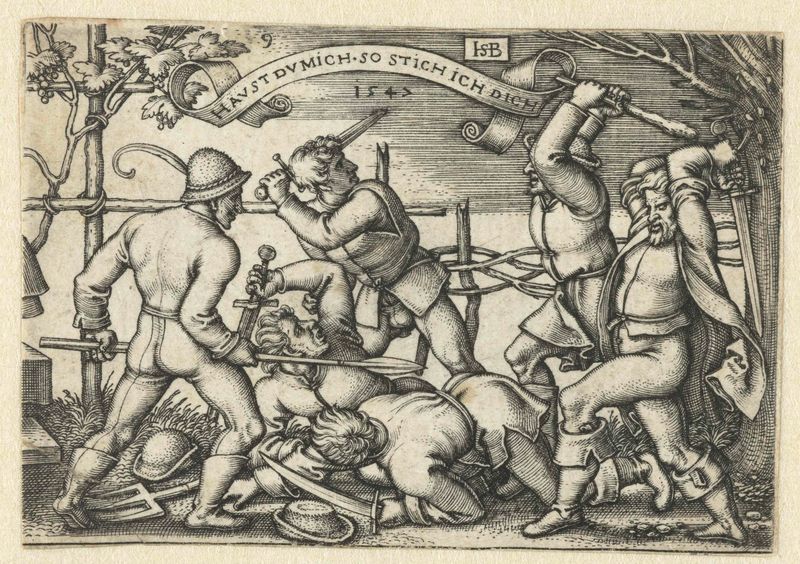
Vechtende boeren met zwaarden
Hans Sebald Beham
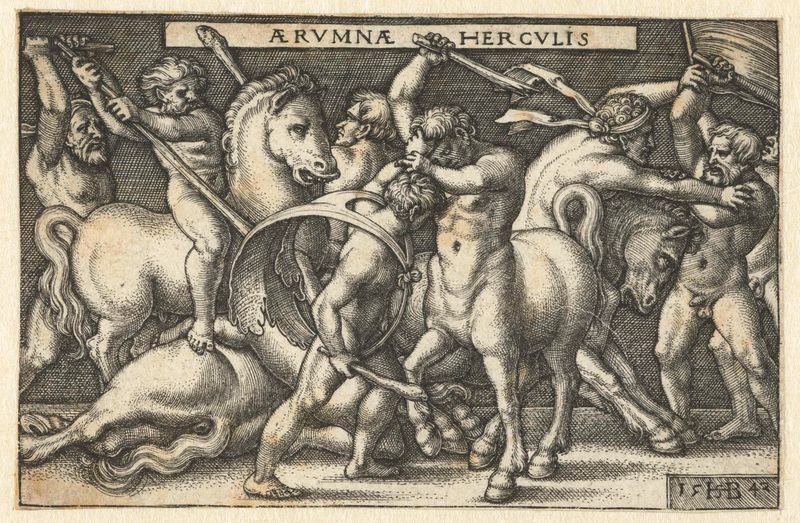
Hercules in gevecht met centaurs
Hans Sebald Beham
More Portrait Art
Browse all →
Las meninas
Diego Velázquez

Self-portrait with a Bandaged Ear and Pipe
Unidentified artist

Girl with a Pearl Earring
Johannes Vermeer

The Sampling Officials of the Amsterdam Drapers’ Guild, Known as ‘The Syndics’
Rembrandt van Rijn

The Hundred Guilder Print: the man seen on the back in the lower left corner
Rembrandt van Rijn

Portrait of Dr Gachet
Vincent van Gogh