
Man en vrouw bij resten van hun verbrande huis — History & Facts
Did the painter know this moment would outlive them? A scene of loss and resilience unfolds in haunting stillness, leaving us to ponder the nature of existence and memory. Look at the couple at the center of the composition. Their figures, draped in dark clothing, stand in stark contrast to the charred remnants of their home, a somber reminder of what once was. Notice how the light subtly illuminates their faces, reflecting a blend of despair and determination, while the darkened landscape looms in the background.
The muted palette of browns and blacks emphasizes the heaviness of their reality, yet hints at an underlying warmth in their connection. In the depths of this painting lies a tension between destruction and hope. The couple's stance conveys a sense of solidarity; their bodies, close yet distinct, suggest that they draw strength from one another amid chaos. Meanwhile, the ruins around them serve as a metaphor for the fragility of life, illustrating the aftermath of tragedy that resonates with the viewer.
The movement within their poses hints at the potential for rebuilding, evoking emotions that balance sorrow with a flicker of potential renewal. Friedrich painted this work in 1802 during a time of personal and artistic exploration. He was in his early thirties, grappling with the themes of nature, loss, and the human spirit. The early 19th century was also marked by the rise of Romanticism, where art began to reflect profound emotional experiences and the sublime.
It was a period that saw the artist forging his distinctive style, one that would echo through generations.
More Artworks by Caspar David Friedrich
Browse all →
Wanderer above the Sea of Fog
Caspar David Friedrich
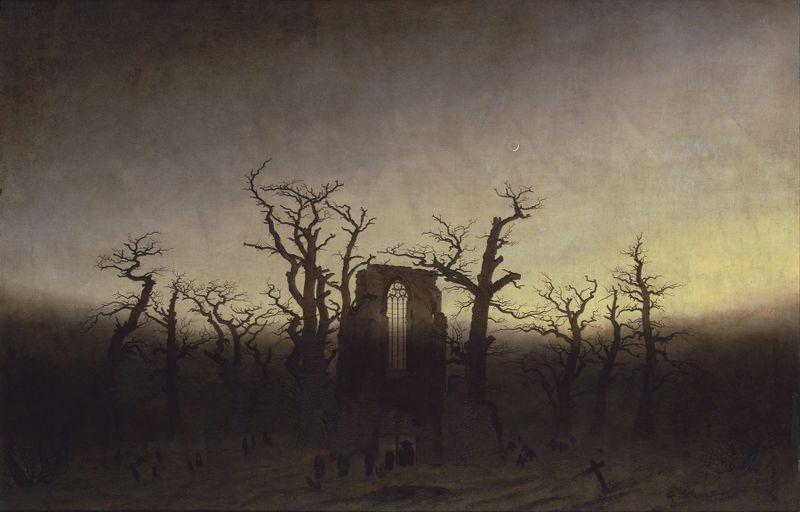
The Abbey in the Oakwood
Caspar David Friedrich
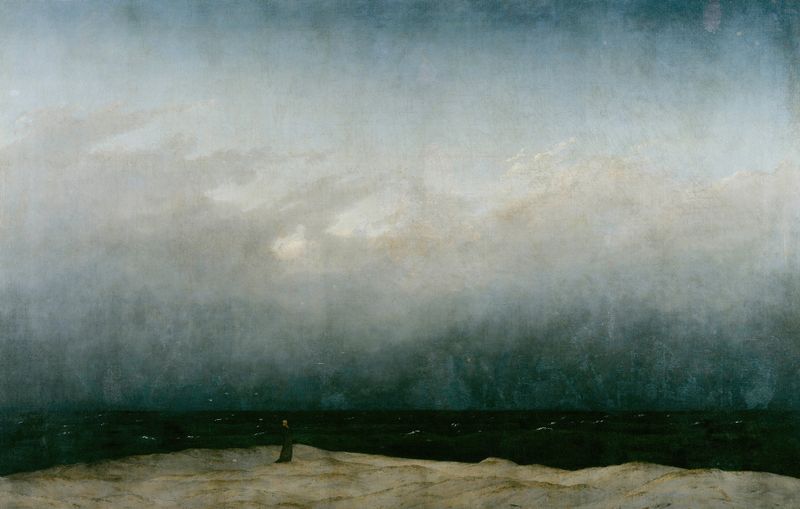
The Monk by the Sea
Caspar David Friedrich
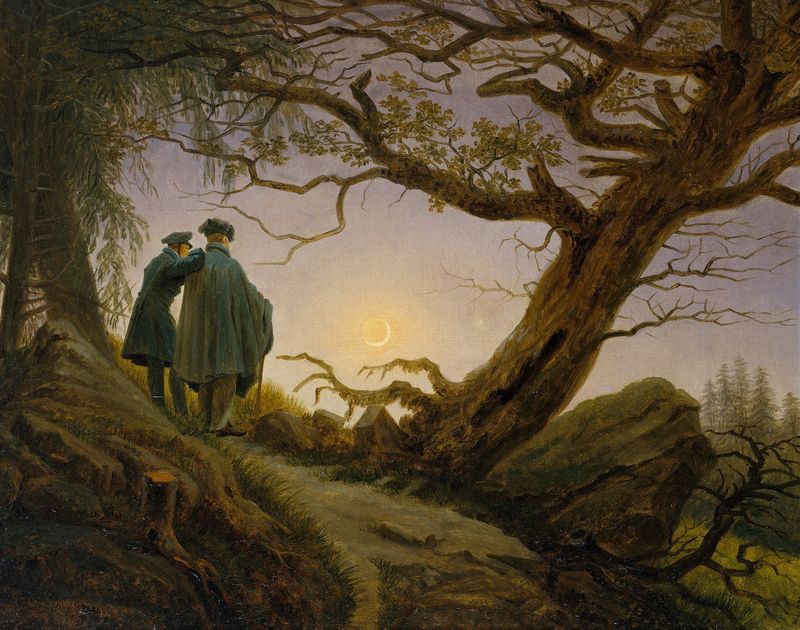
Two Men Contemplating the Moon
Caspar David Friedrich
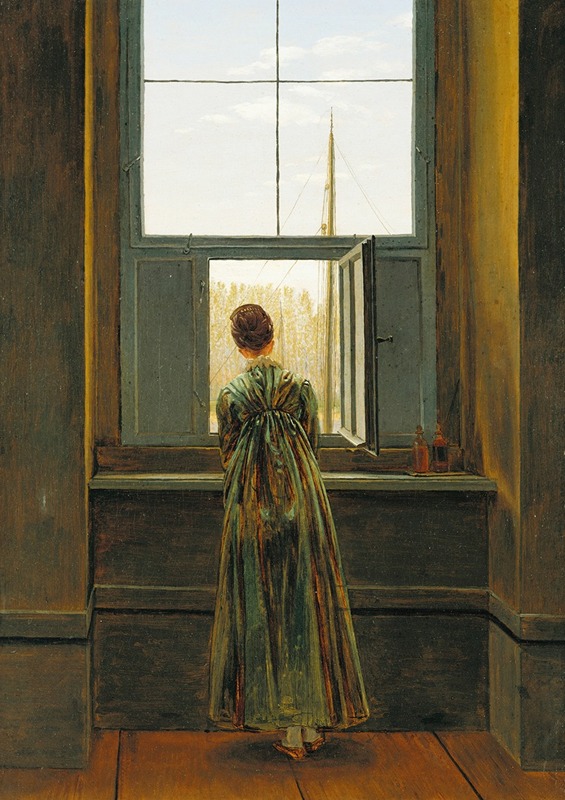
Woman at a Window
Caspar David Friedrich
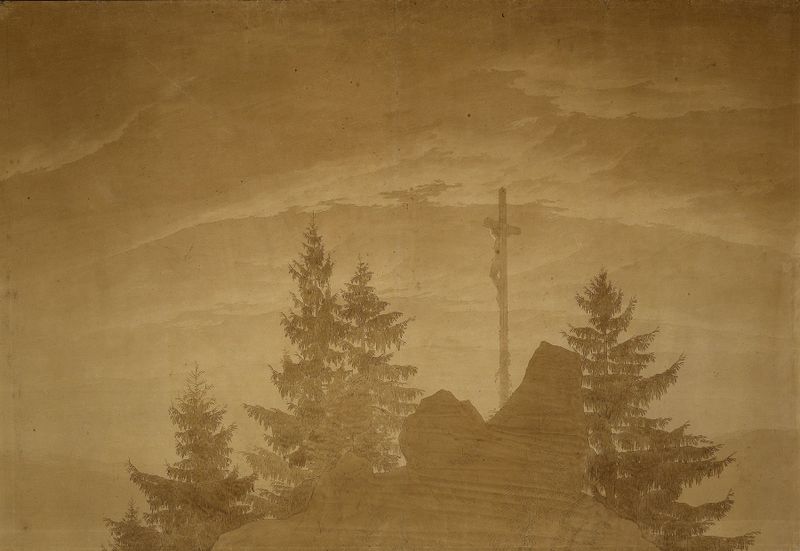
Cross in the Mountains
Caspar David Friedrich
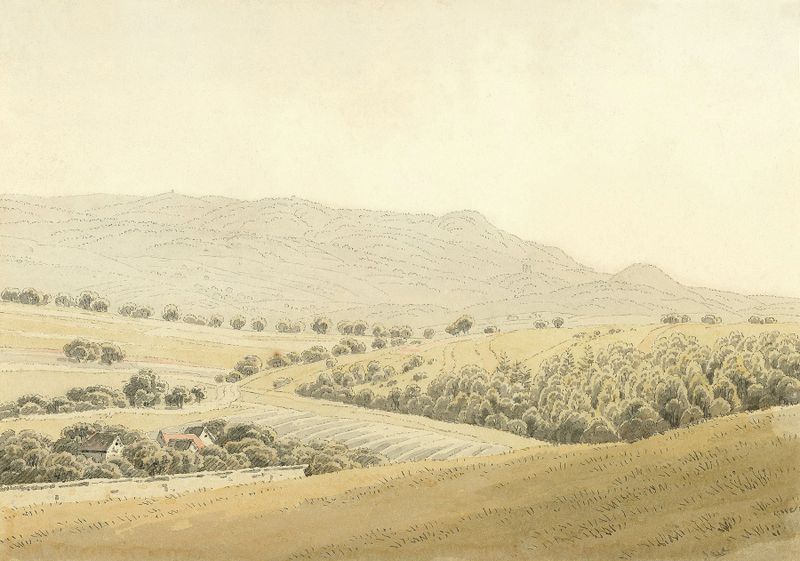
Mittelgebirgslandschaft
Caspar David Friedrich
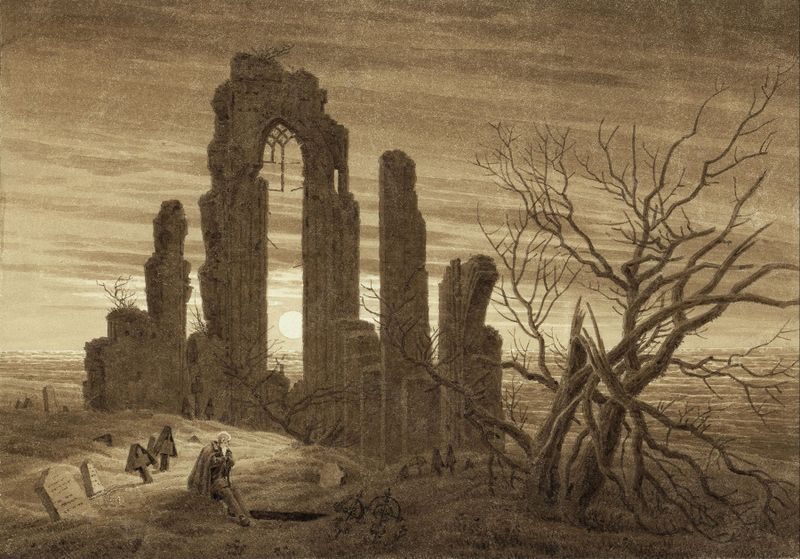
Winter – Night – Old Age and Death (from the times of day and ages of man cycle of 1803)
Caspar David Friedrich
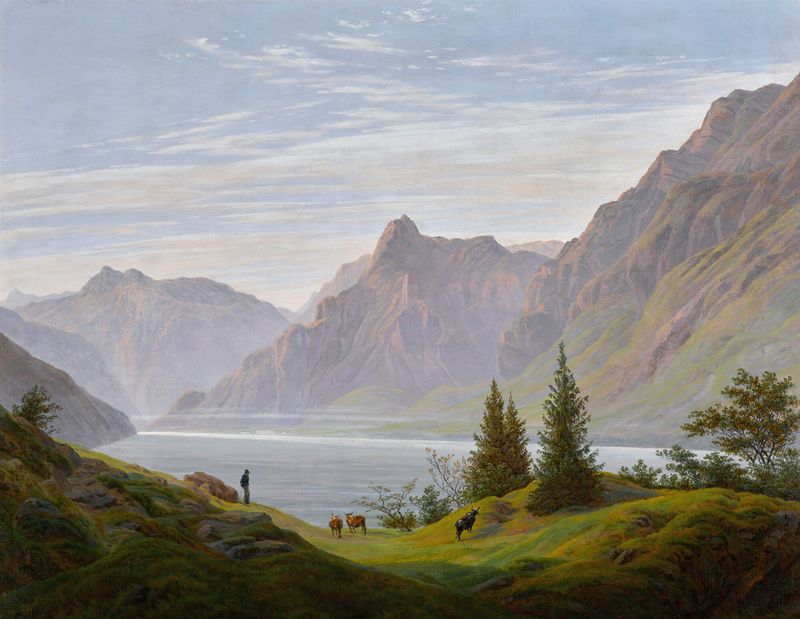
Landschaft mit gebirgsee, morgen
Caspar David Friedrich
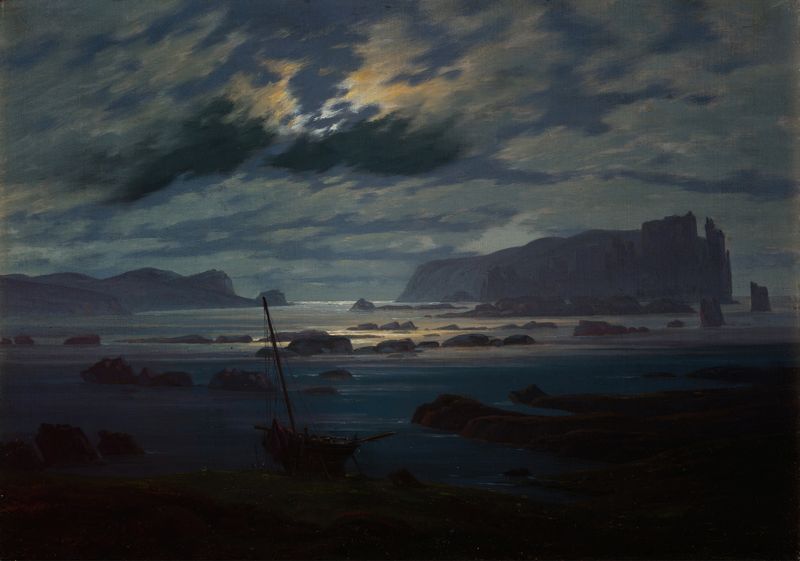
Northern Sea in the Moonlight
Caspar David Friedrich





