Discover insights about this artwork
Manaò tupapaú — History & Facts
In Manaò tupapaú, vibrant colors dominate the canvas, showcasing a dreamlike landscape. The figures depicted are stylized and convey a sense of movement and spirituality. Gauguin uses bold brushstrokes to create a lush environment filled with tropical flora.
The overall atmosphere suggests a connection to the mystical and the unknown. This painting is characterized by its use of oil on canvas, a common medium for Gauguin. The dimensions are approximately 100 x 75 cm, making it a notable size for a work of this period. The composition features a blend of human figures and natural elements, typical of Gauguin's style.
The vibrant palette enhances the emotional impact of the scene. Paul Gauguin created Manaò tupapaú during his time in Tahiti, where he sought to escape European society. This work reflects his fascination with Polynesian culture and spirituality. An interesting fact is that the title translates to 'The Spirit of the Dead Watching', hinting at themes of life, death, and the afterlife.
Gauguin's exploration of these themes would influence many artists in the years to come.
More Artworks by Paul Gauguin
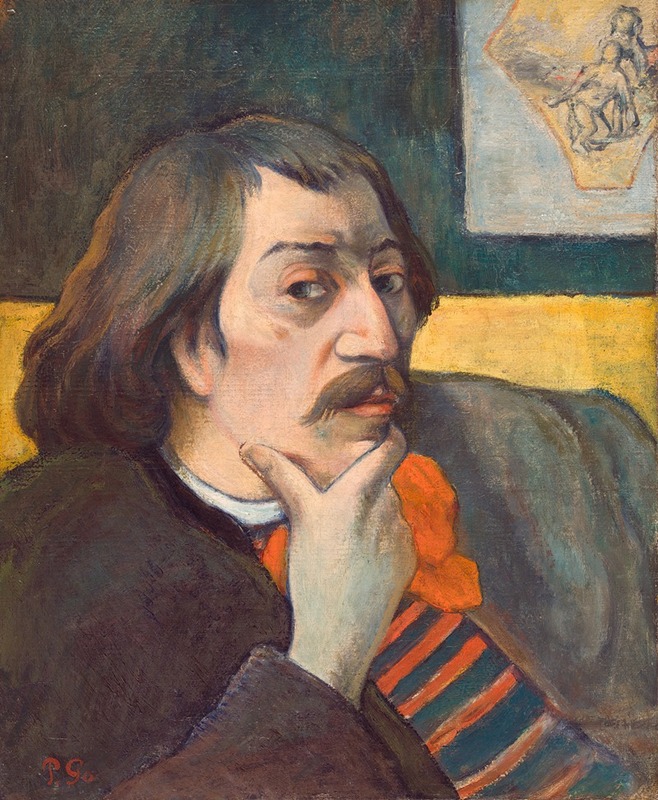
Self Portrait
Paul Gauguin
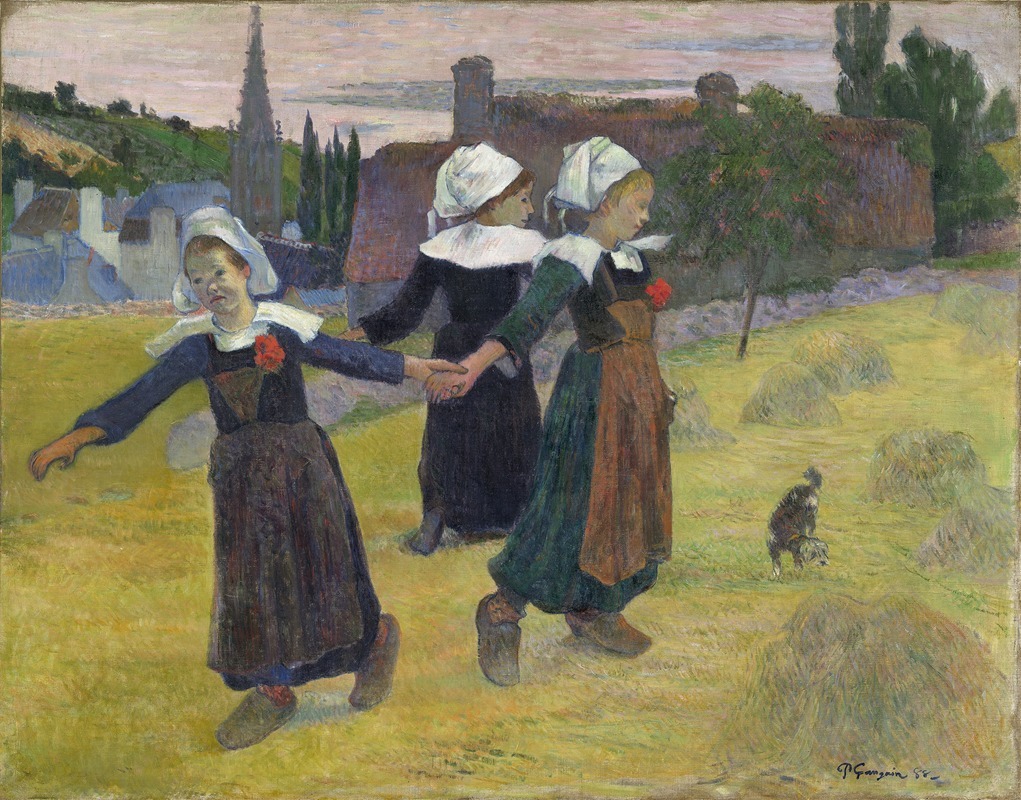
Breton Girls Dancing,Pont-Aven
Paul Gauguin
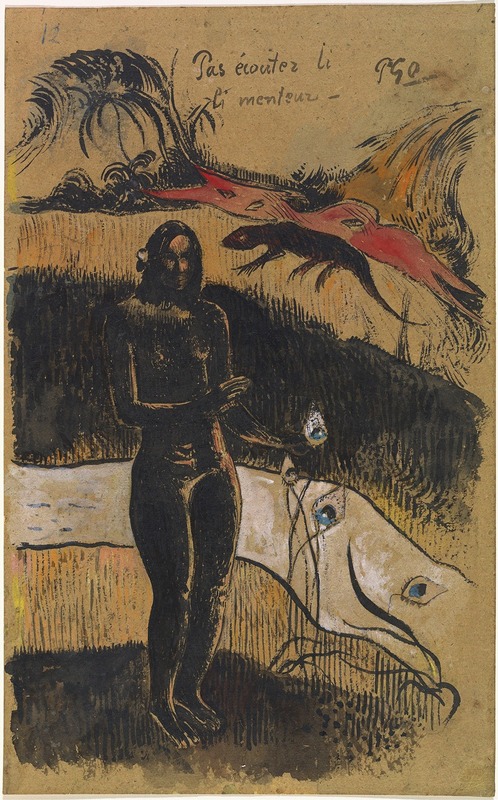
Nave Nave Fenua
Paul Gauguin
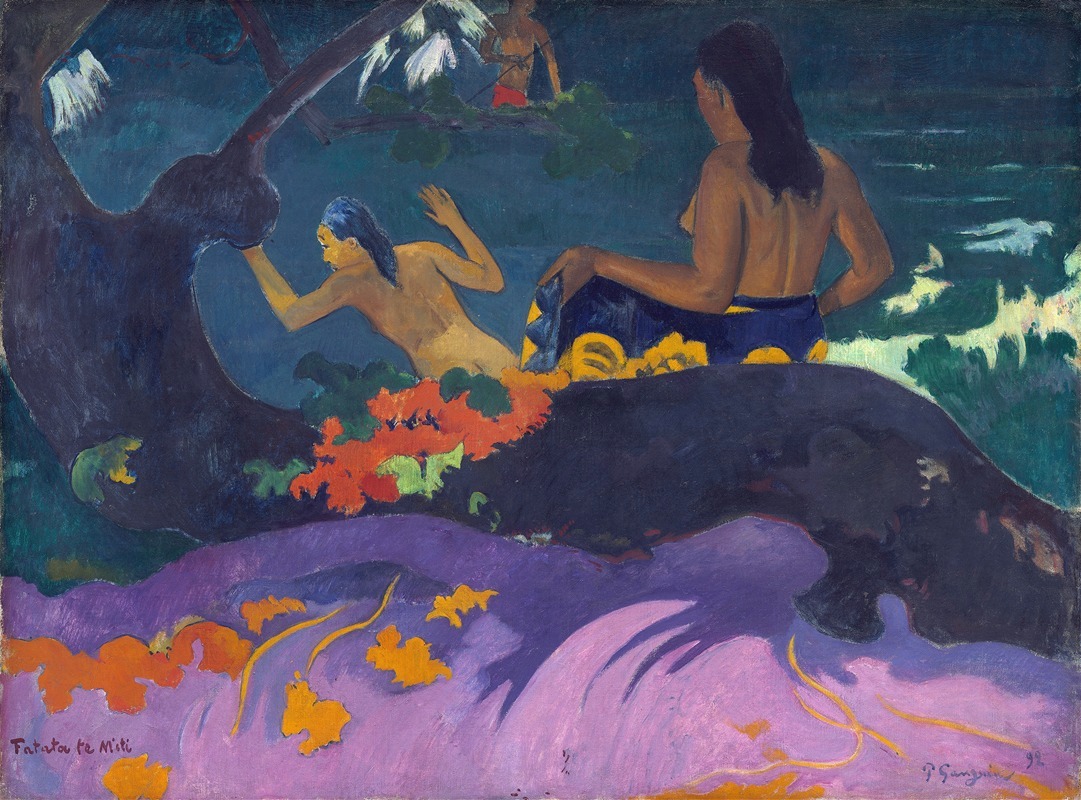
Fatata te Miti (By the Sea)
Paul Gauguin
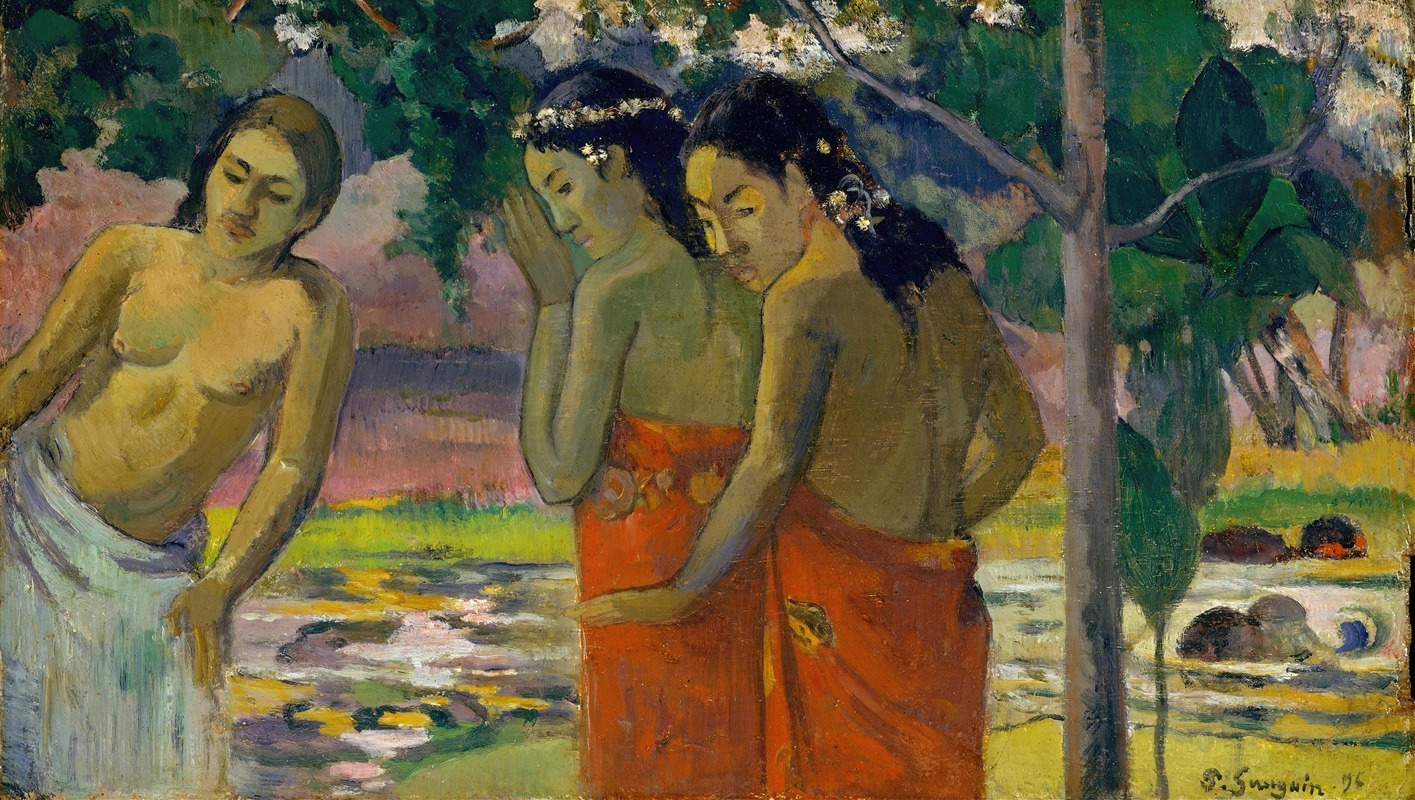
Three Tahitian Women
Paul Gauguin
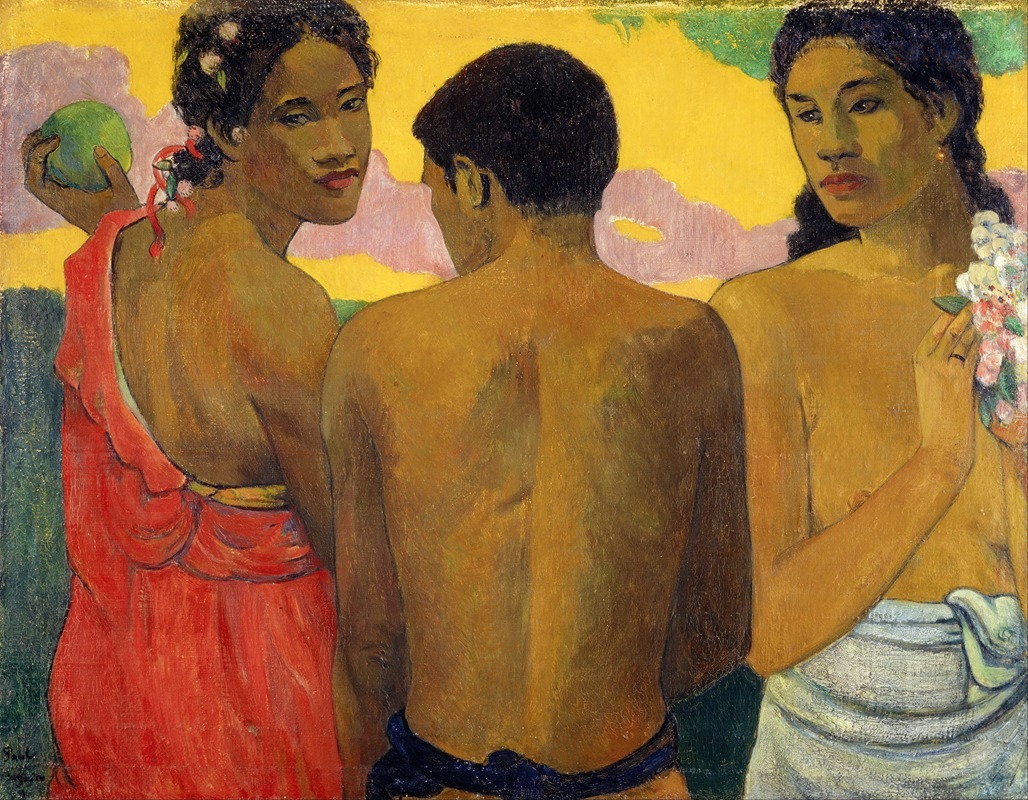
Three Tahitians
Paul Gauguin
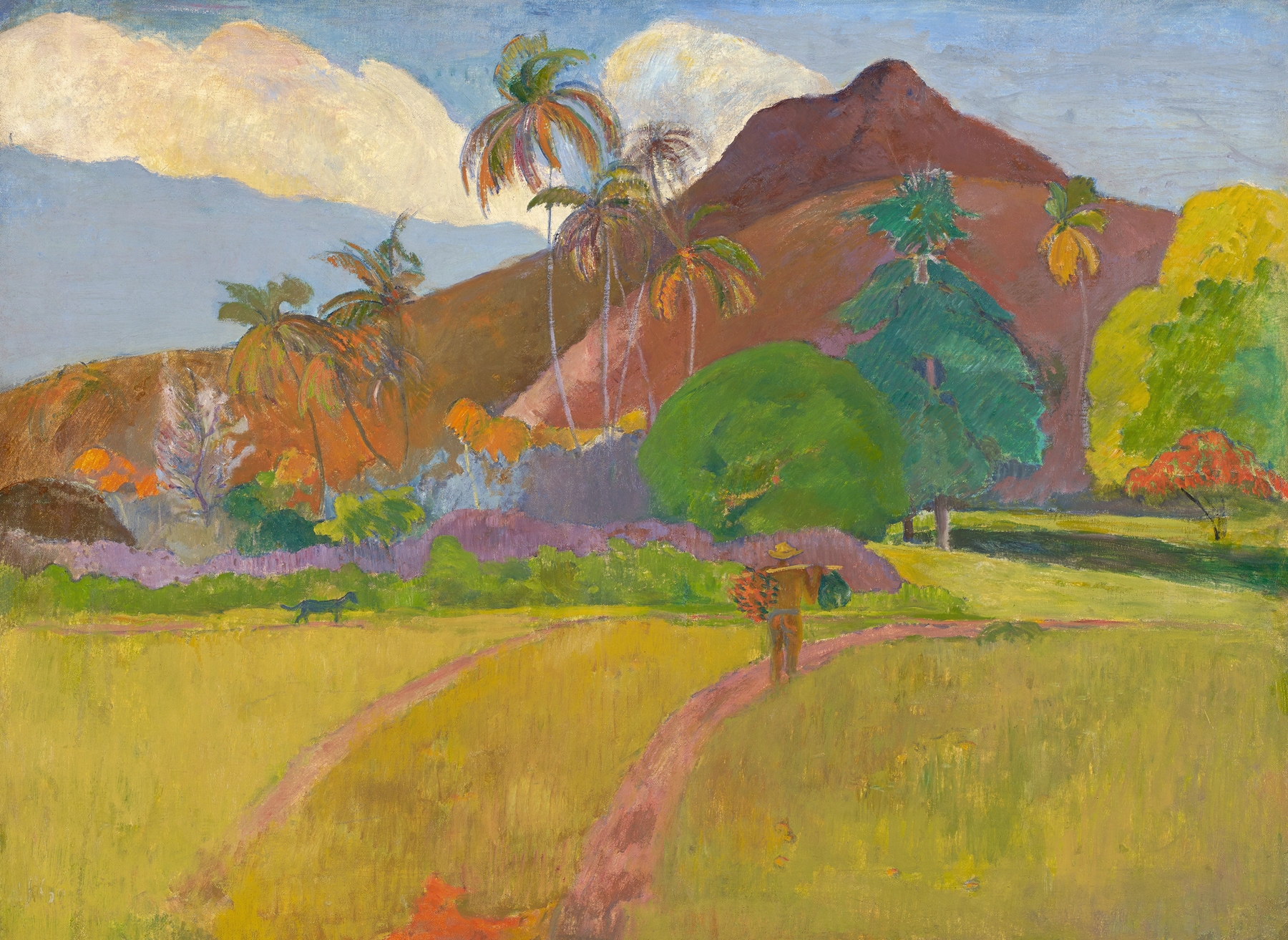
Tahitian Landscape
Paul Gauguin
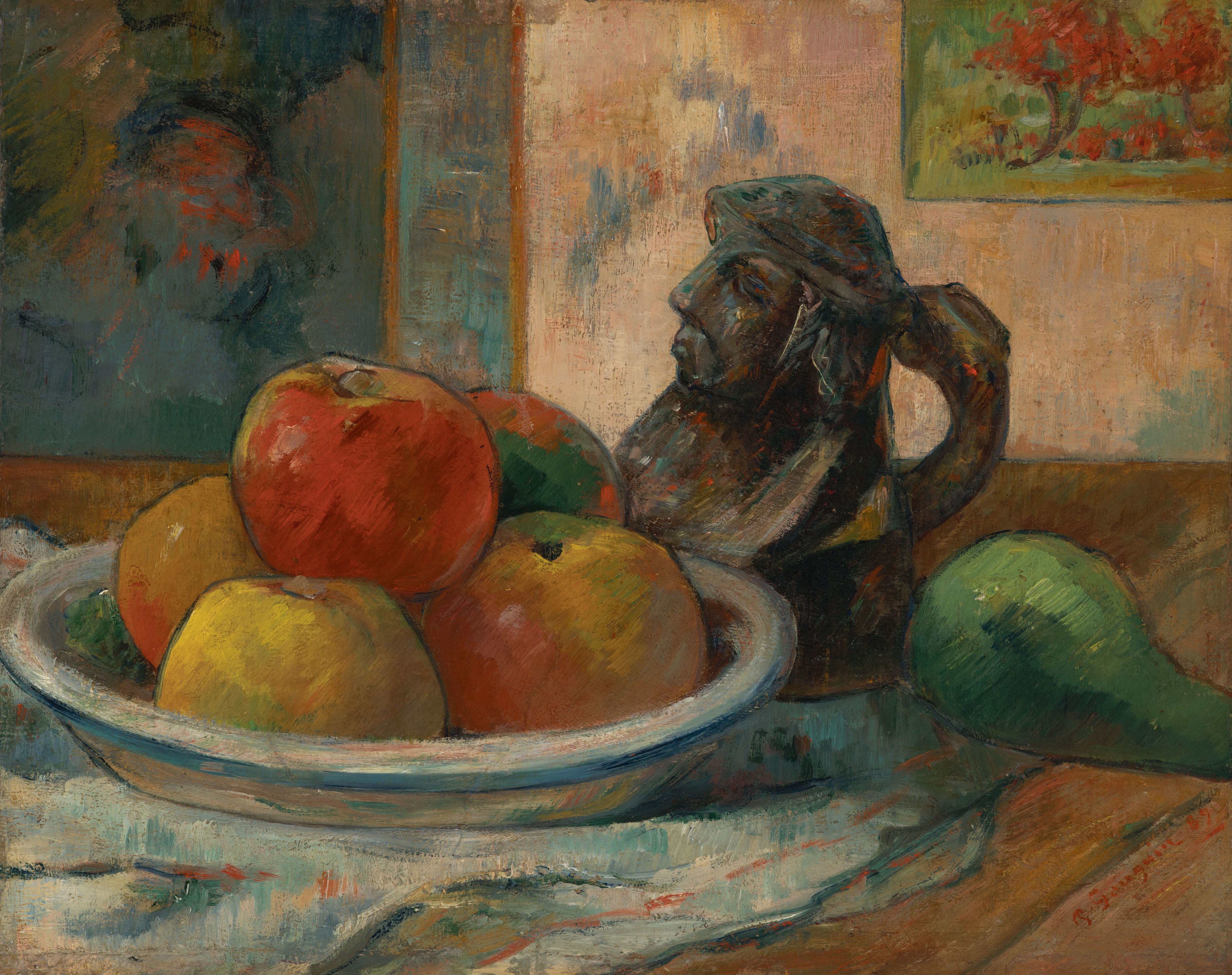
Still Life with Apples, a Pear, and a Ceramic Portrait Jug
Paul Gauguin
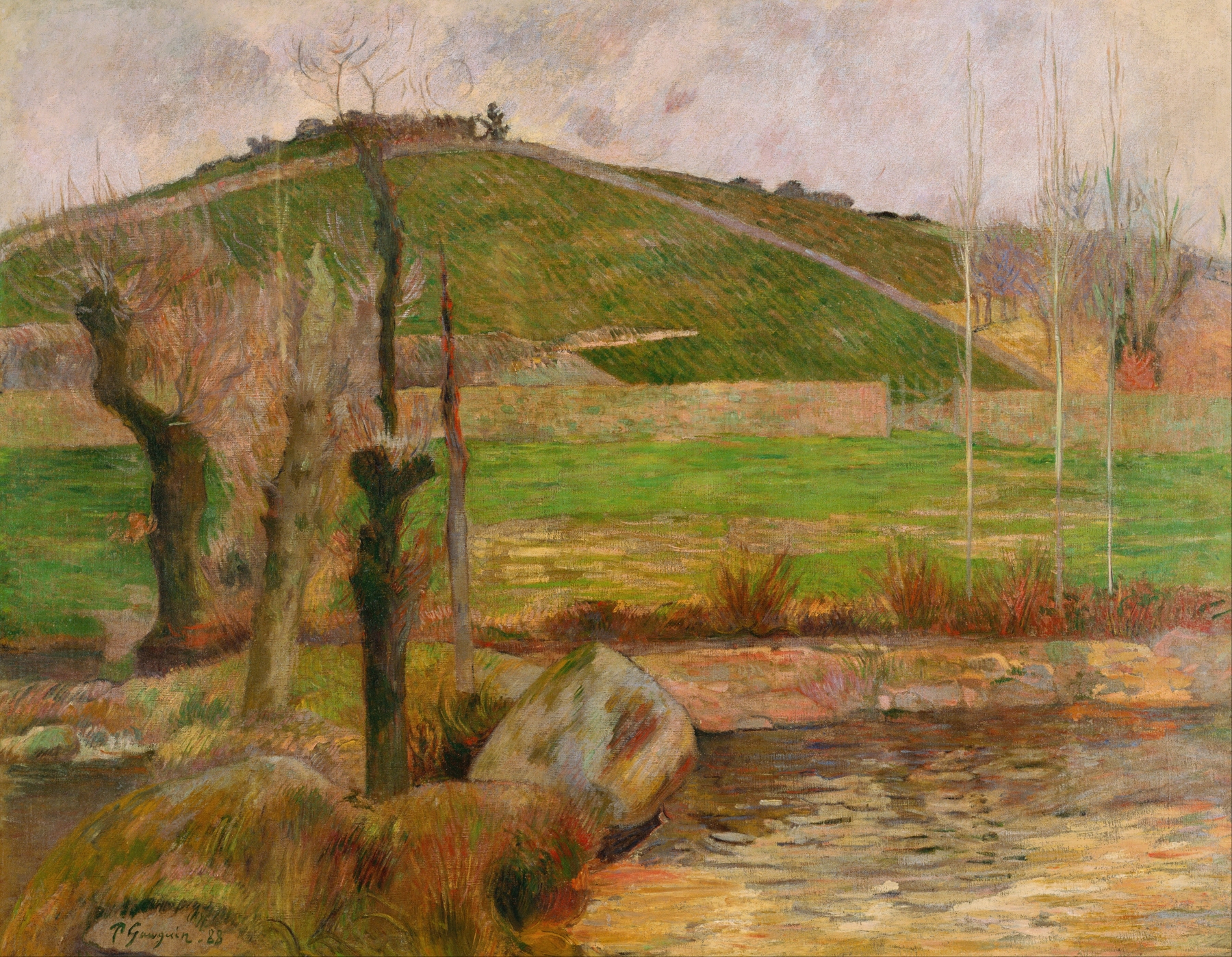
Landscape near Pont-Aven
Paul Gauguin

No te aha oe riri (Why Are You Angry?)
Paul Gauguin