
Manoir de Belvau (Corrèze) — History & Facts
In the quiet embrace of this painting, the fleeting nature of existence is elegantly captured, urging us to confront the inevitable passage of time. Focus on the left side of the canvas, where the manor stands, its stately structure both inviting and foreboding. Rich greens envelop the grounds, contrasting sharply with the muted, somber hues of the building. The brushwork conveys a delicate balance; soft strokes suggest the warmth of sunlight filtering through leaves while darker shadows hint at the encroaching twilight.
Here, Petit masterfully layers details—each leaf and brick whispering stories of the life once lived within those walls. Beneath the surface, there is a profound tension between permanence and decay. The vibrant foliage breathes life into the scene, yet it simultaneously points to the inexorable march of time as it encircles the manor, a reminder of both beauty and mortality. The inclusion of wildflowers brings a hint of spontaneity and resilience, contrasting with the rigid structure of the home, suggesting that life persists even amidst desolation. Victor Petit created this work in 1860, a time marked by a burgeoning interest in realism and a shift away from romantic idealism.
Working in France, he sought to document the landscapes of his homeland, while the world around him grappled with profound changes—industrialization, political upheaval, and a redefined relationship with nature. This piece stands as a testament to a moment when art began to reflect the fragility of life, inviting contemplation in a rapidly changing world.
More Artworks by Victor Petit
Browse all →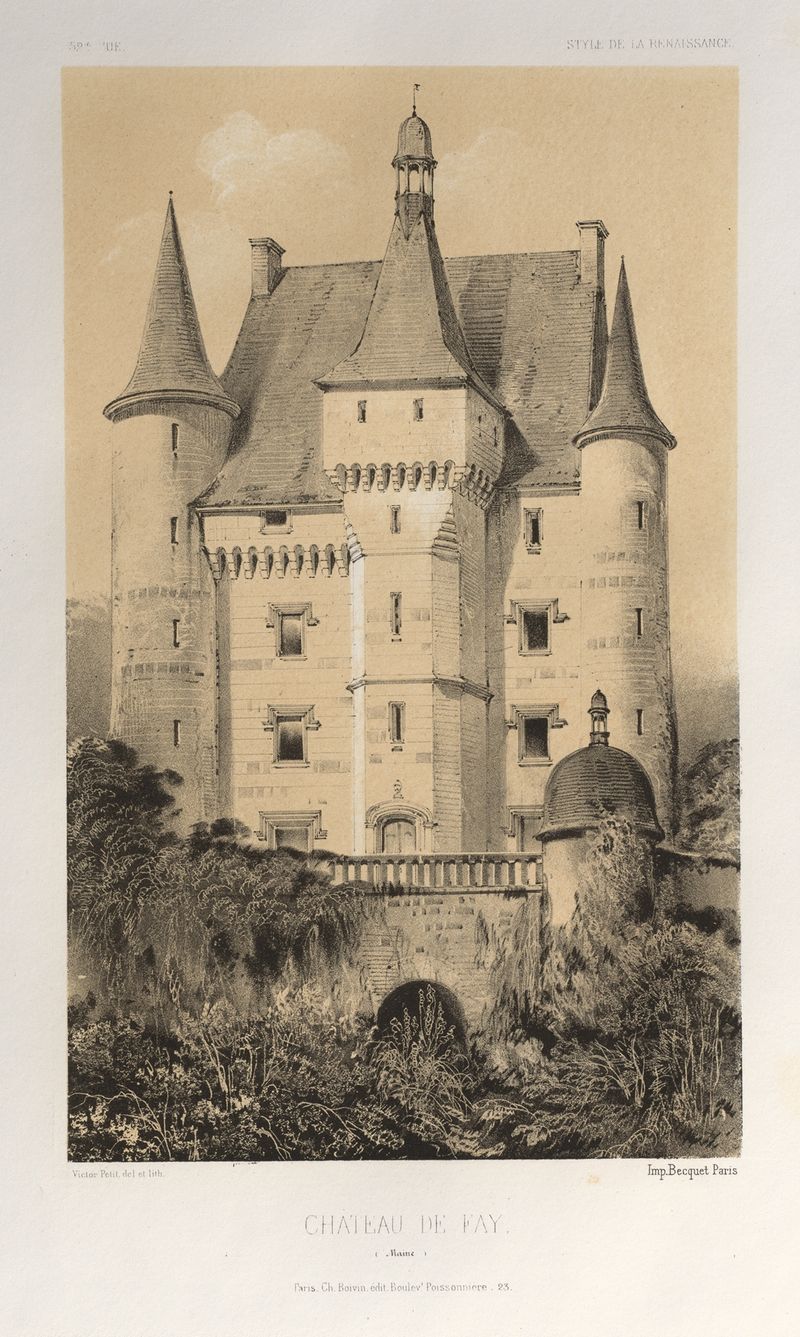
Château De Fay (Maine)
Victor Petit
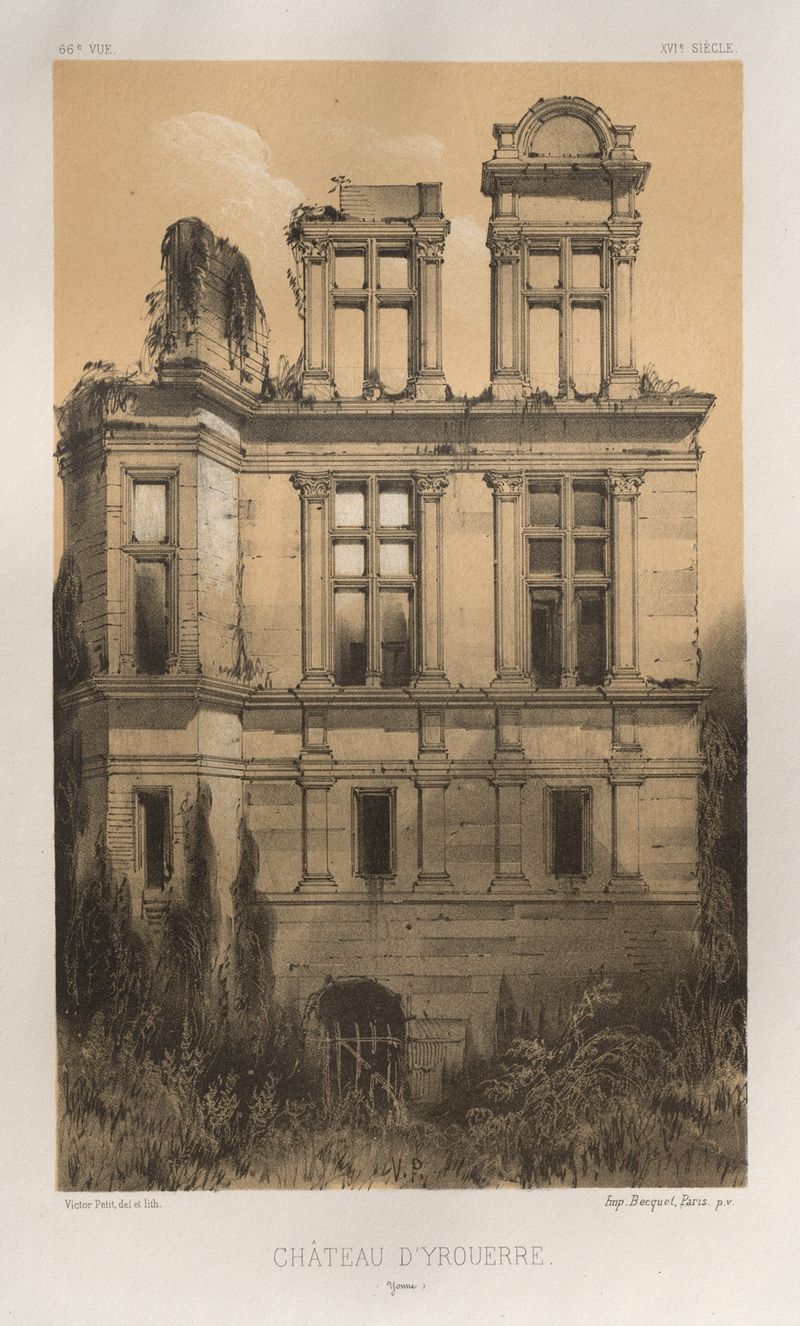
Château D’Yrouerre (Yonne)
Victor Petit
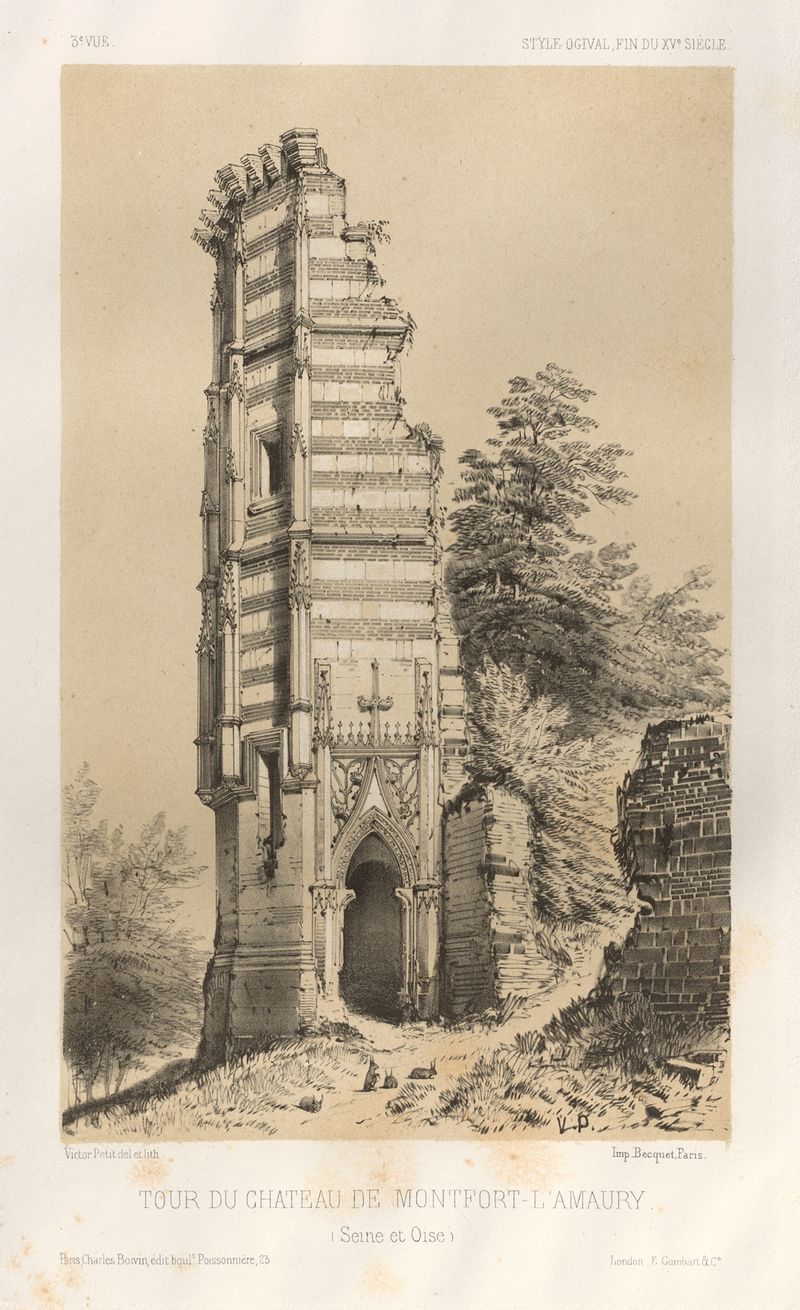
Tour du chateau de Montfort-l’Amaury (Seine-et-Oise)
Victor Petit

Tour Du Port De Marseille (Bouches Du Rhône)
Victor Petit
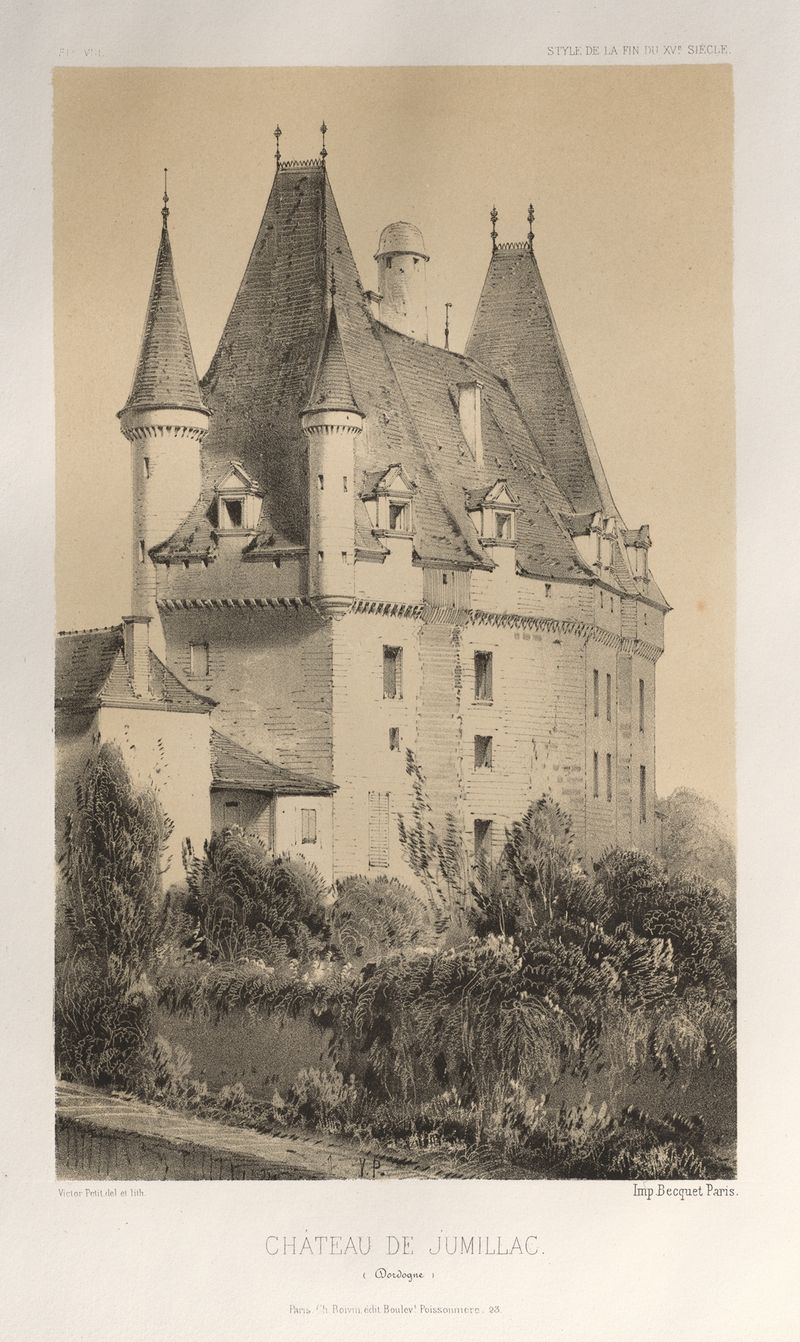
Château De Jumillac (Dordogne)
Victor Petit

Château de Tévray (Eure)
Victor Petit

Galerie Du Château De Jouancy (Saone et Loire)
Victor Petit

Château De Mello (Oise)
Victor Petit
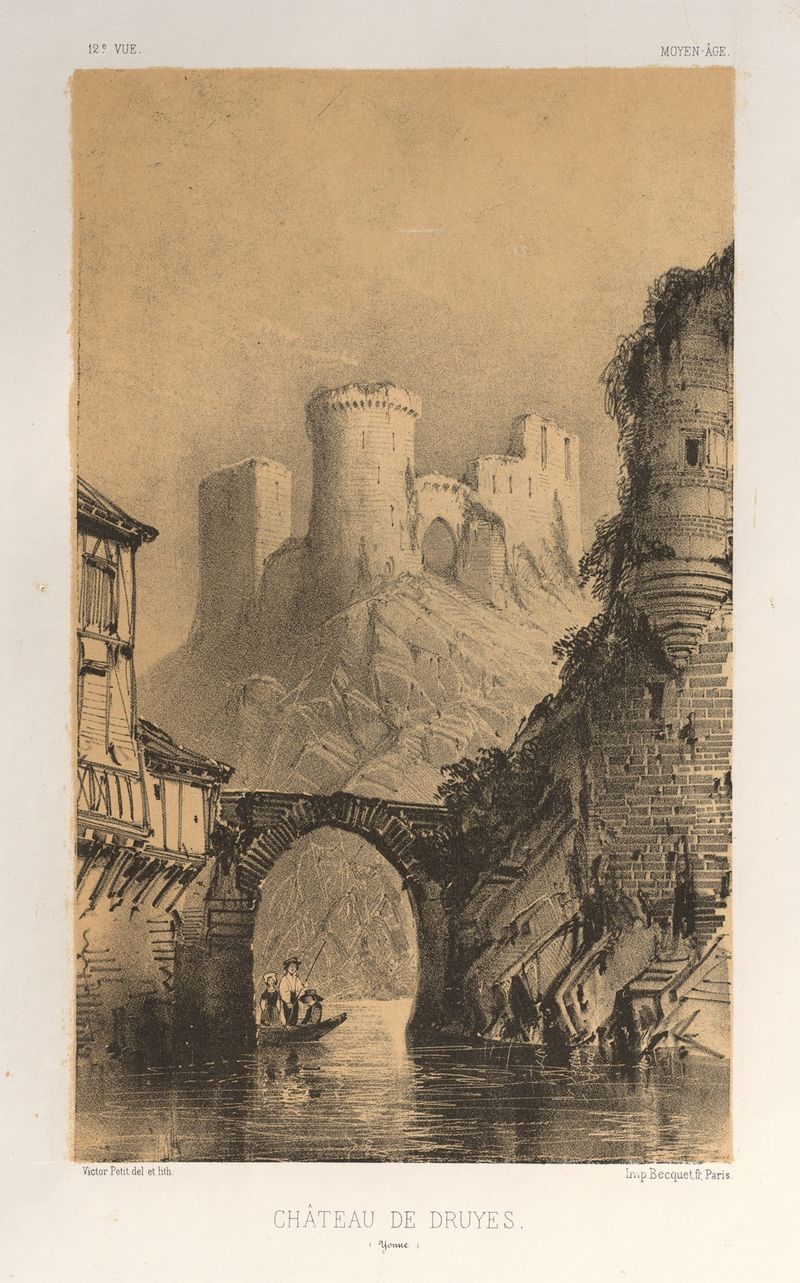
Chateau De Druyes (Yonne)
Victor Petit

Le ChasteLet-Neuf (Corrèze)
Victor Petit





