
Manoir De Chastenay (Sarthe) — History & Facts
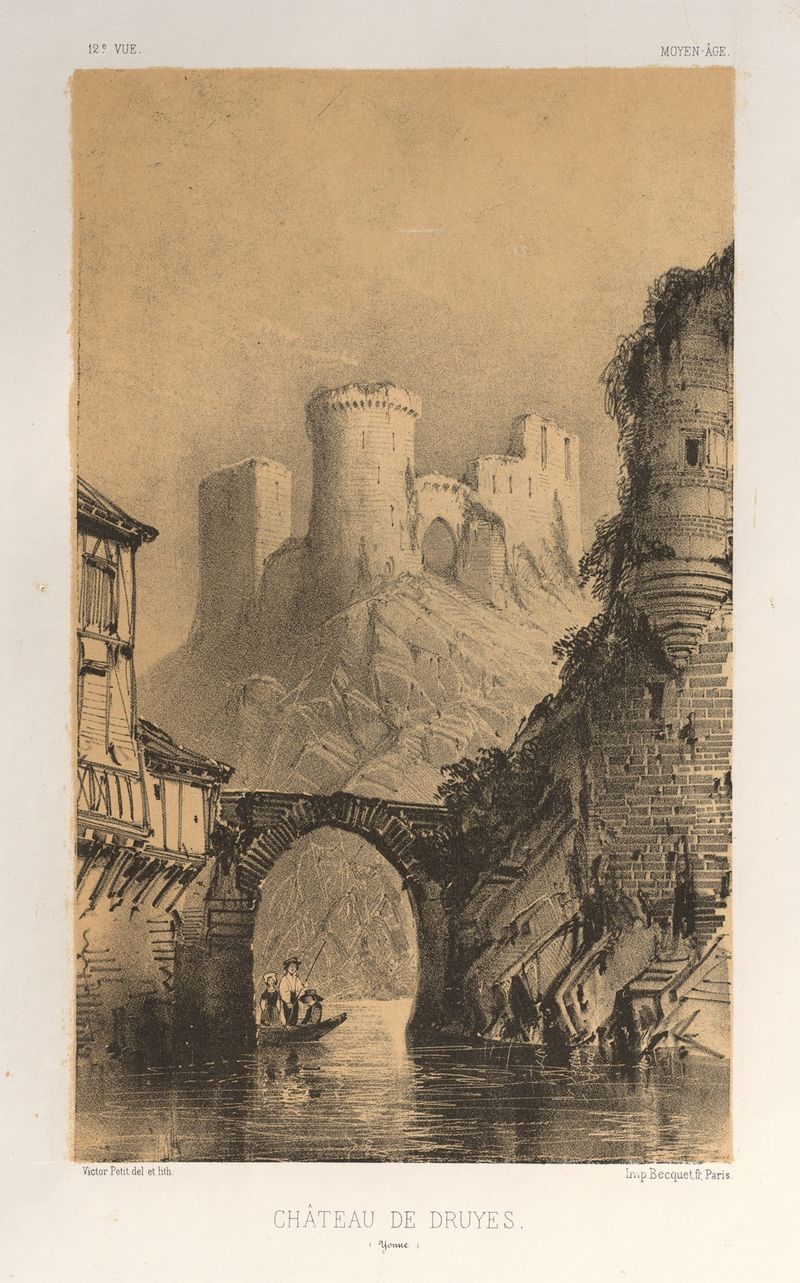
Can beauty exist without sorrow? The stillness of a forgotten manor invites an exploration of the poignant interplay between joy and grief, as if the very walls whisper tales of both grandeur and loss. Look to the left at the crumbling facade, where ivy clings desperately to the stone, a vibrant green against the muted earth tones of decay. Notice how the light spills across the weathered surface, revealing textures that speak of time’s relentless march. The meticulous brushwork captures not only the decay but also the remnants of elegance, the melancholic beauty of a once-grand estate. Deep within this composition lies a tension between the vibrant life of nature and the desolation of human absence.
The ivy, flourishing in its wildness, contrasts sharply with the lifeless windows that seem to gaze out with sorrowful eyes. Each shadow cast by the setting sun hints at the stories long forgotten, echoing laughter and heartache alike, inviting viewers to ponder the lives that once inhabited this space. Victor Petit created this work in 1860 during a period of significant change in French art, marked by the rise of realism. Living in a time when traditional subjects were giving way to more intimate, everyday scenes, he focused on landscapes that reflected both beauty and decay.
This particular painting serves as a testament to the intricate relationship between history and emotion, capturing a moment that resonates with the weight of memory and loss.
More Artworks by Victor Petit
Browse all →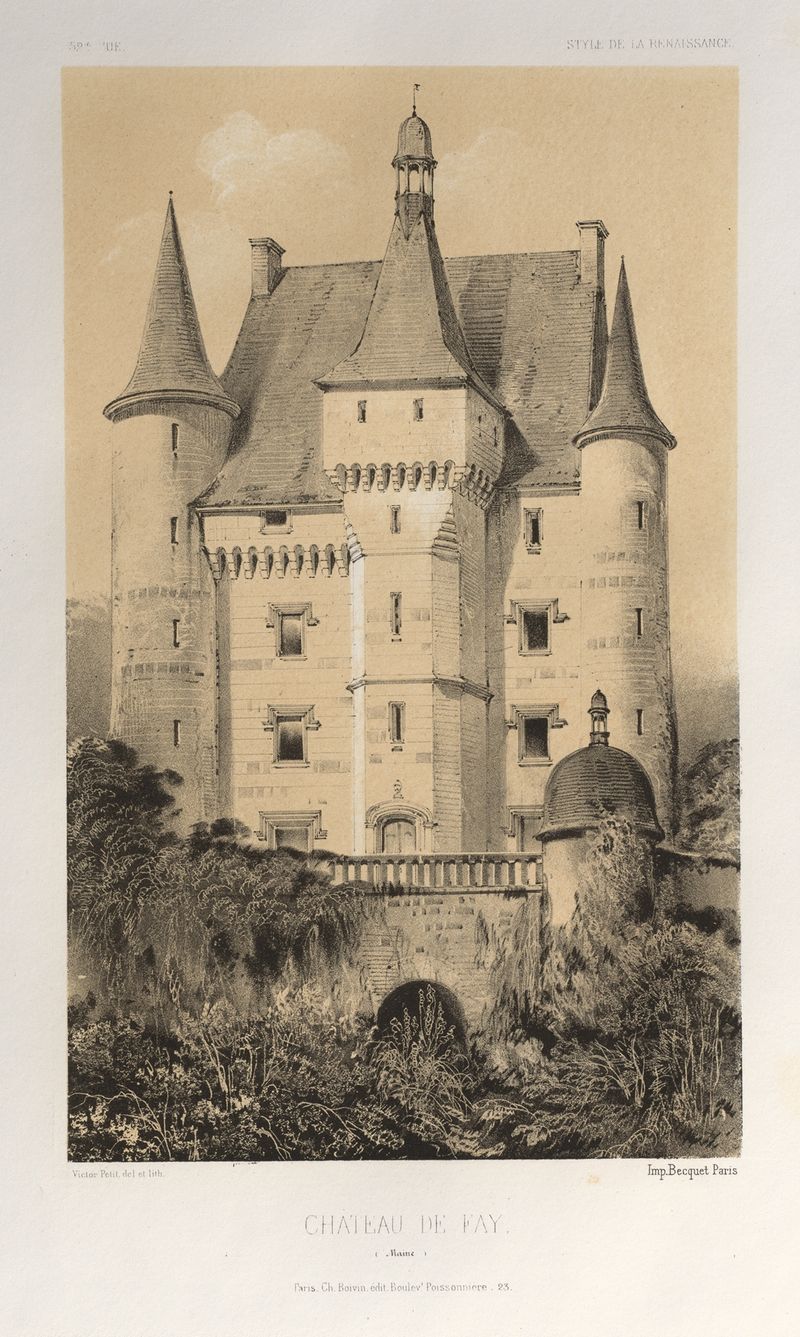
Château De Fay (Maine)
Victor Petit
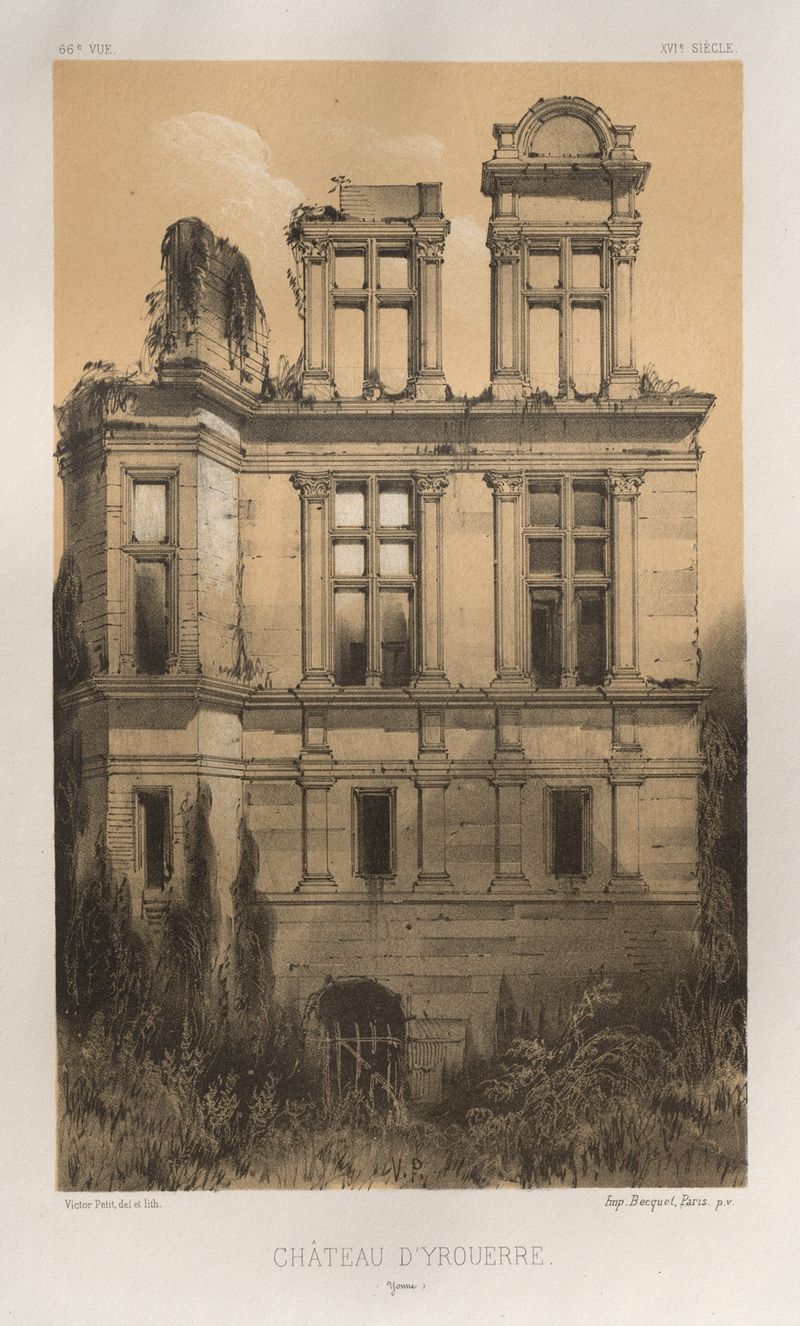
Château D’Yrouerre (Yonne)
Victor Petit
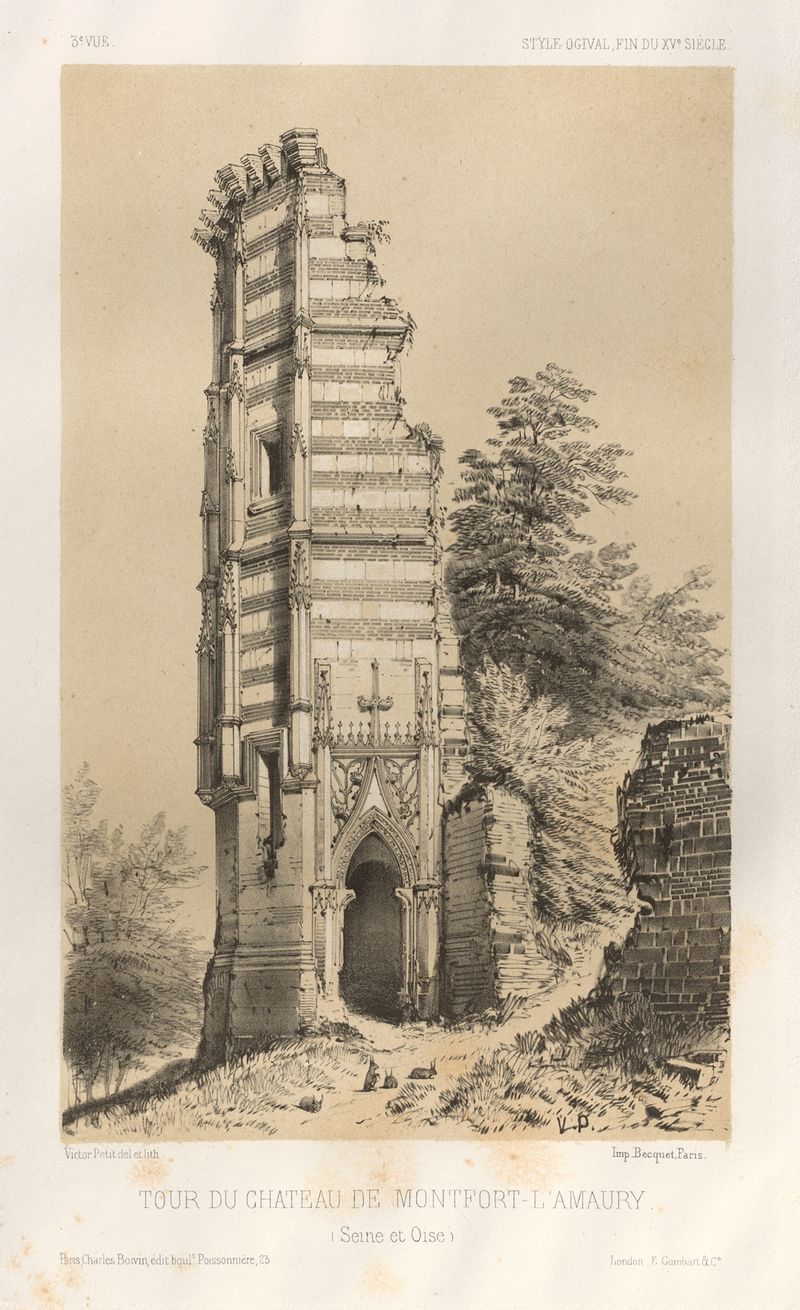
Tour du chateau de Montfort-l’Amaury (Seine-et-Oise)
Victor Petit

Tour Du Port De Marseille (Bouches Du Rhône)
Victor Petit
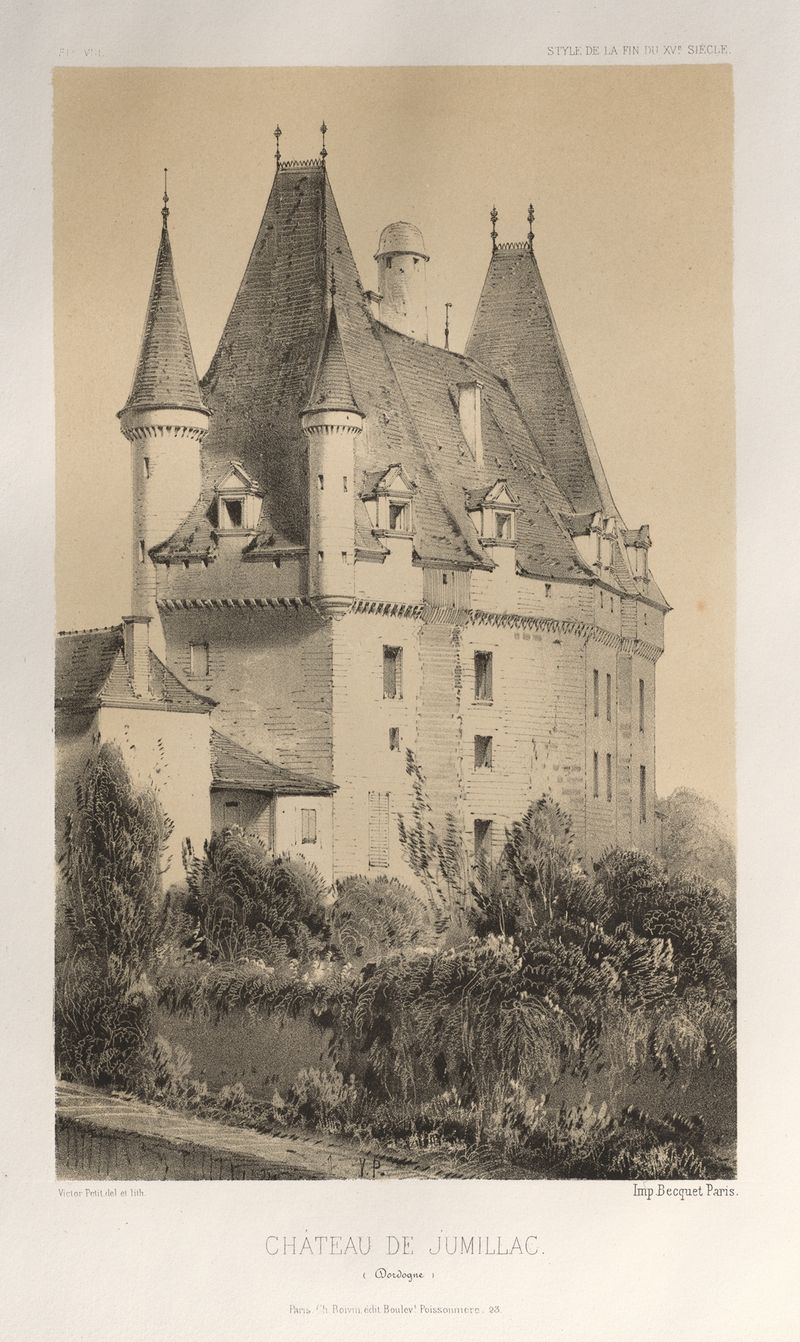
Château De Jumillac (Dordogne)
Victor Petit

Château de Tévray (Eure)
Victor Petit

Galerie Du Château De Jouancy (Saone et Loire)
Victor Petit

Château De Mello (Oise)
Victor Petit
Chateau De Druyes (Yonne)
Victor Petit

Le ChasteLet-Neuf (Corrèze)
Victor Petit





