
Manoir De Sousmont (Calvados) — History & Facts
In a world that crumbles and shifts, the act of capturing moments becomes an act of defiance against fragility. Look to the left at the delicate contours of the mansion's façade, where the pale hues whisper of history. Notice how the soft light plays against the walls, illuminating the intricate details of the architecture while casting gentle shadows that hint at both age and beauty. The surrounding landscape, lush and verdant, embraces the structure, with dappled greens and browns that create a harmonious balance between man-made and natural.
This is not merely a portrait of a building; it is a meditation on its enduring presence against the passage of time. As you delve deeper, consider the poignant contrast between the solidity of the manoir and the ephemeral quality of the surrounding foliage. The trees sway with a subtle grace, suggesting movement and change, while the house stands resolute, a testament to a bygone era. This interplay evokes a palpable tension between permanence and impermanence, inviting reflections on memory and legacy.
Each brushstroke seems to grapple with the essence of fragility, as nature delicately encroaches upon human creation. In 1860, Victor Petit painted this work during a period marked by transitions in the art world, as the Romantic movement began to intersect with emerging Realist ideals. Living in France, Petit found himself amidst a landscape of innovation and nostalgia, where artists sought to capture not just the visual but the emotional weight of their subjects. The creation of this piece reflected his response to the beauty and vulnerability of life, capturing a moment in time that echoes the fragility of existence itself.
More Artworks by Victor Petit
Browse all →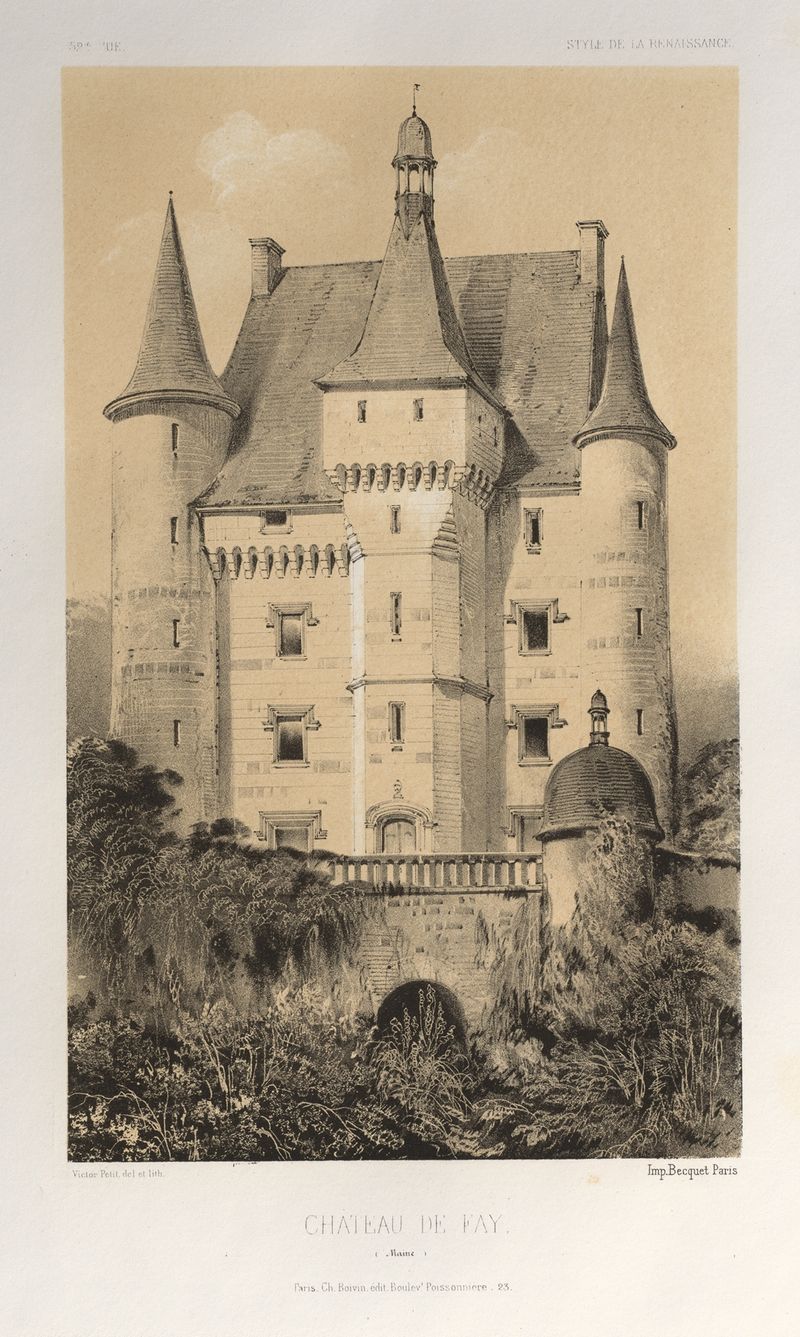
Château De Fay (Maine)
Victor Petit
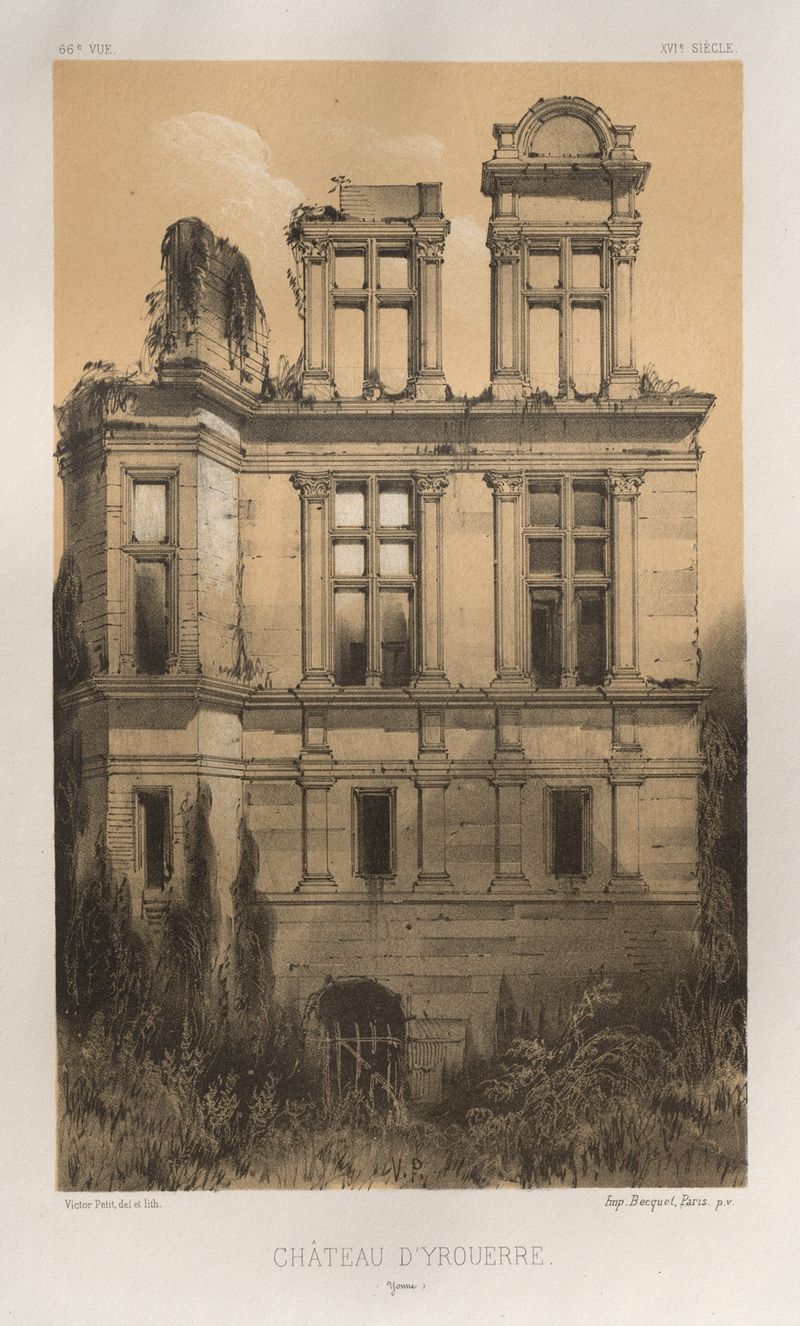
Château D’Yrouerre (Yonne)
Victor Petit
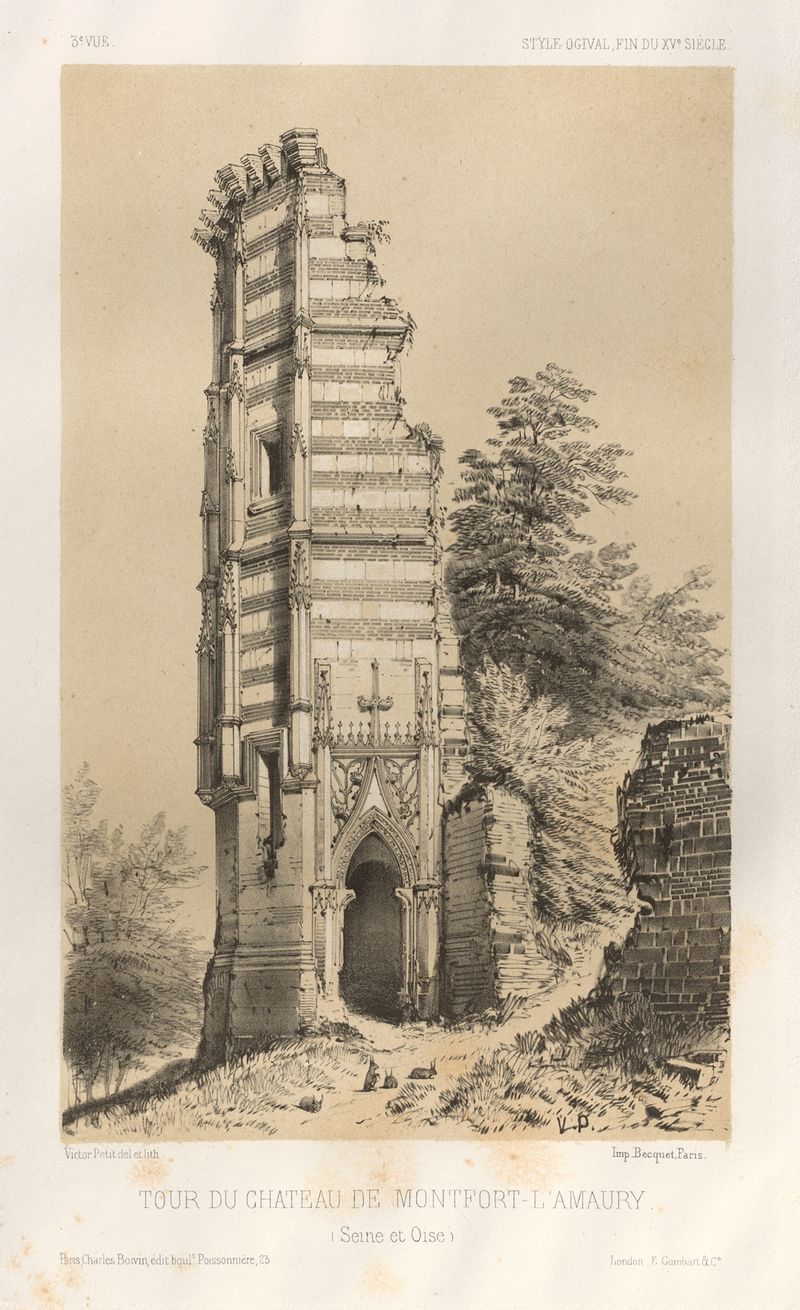
Tour du chateau de Montfort-l’Amaury (Seine-et-Oise)
Victor Petit

Tour Du Port De Marseille (Bouches Du Rhône)
Victor Petit
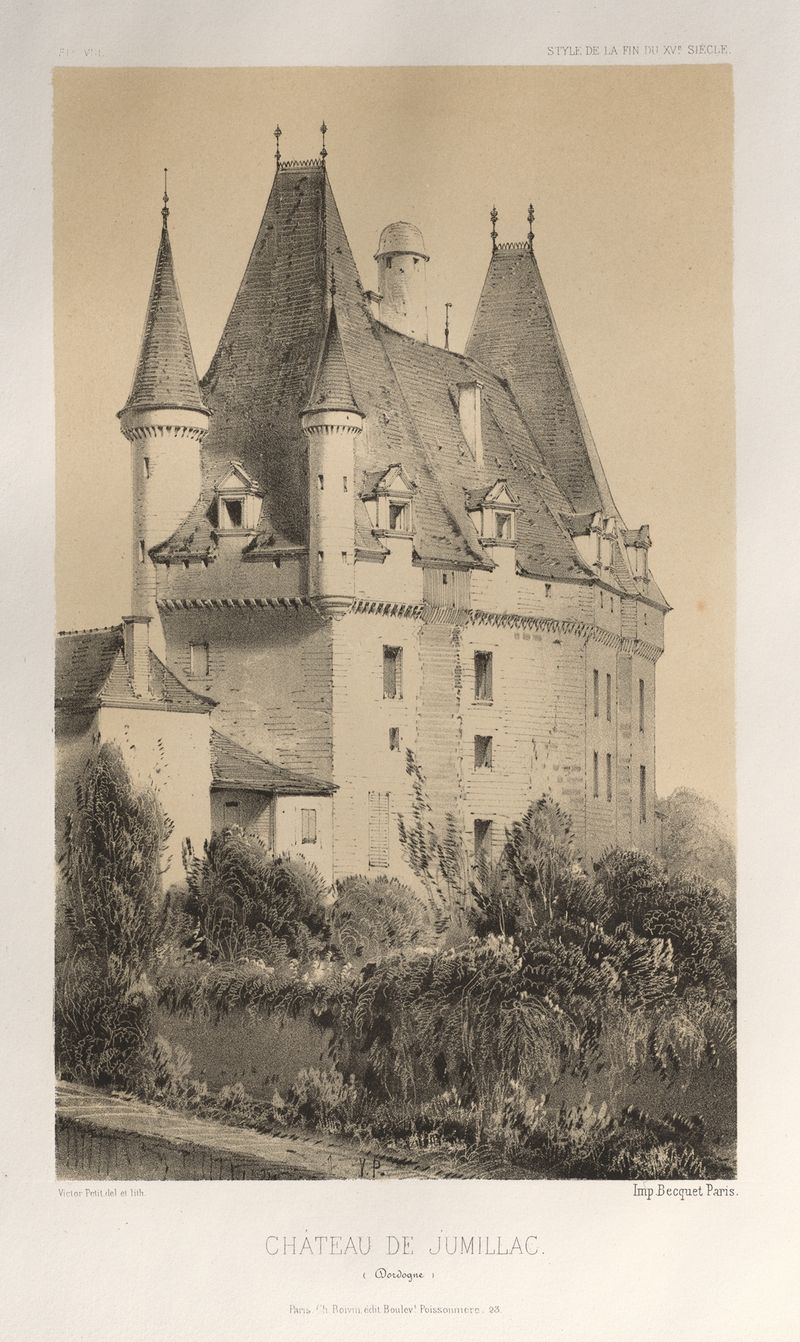
Château De Jumillac (Dordogne)
Victor Petit

Château de Tévray (Eure)
Victor Petit

Galerie Du Château De Jouancy (Saone et Loire)
Victor Petit

Château De Mello (Oise)
Victor Petit
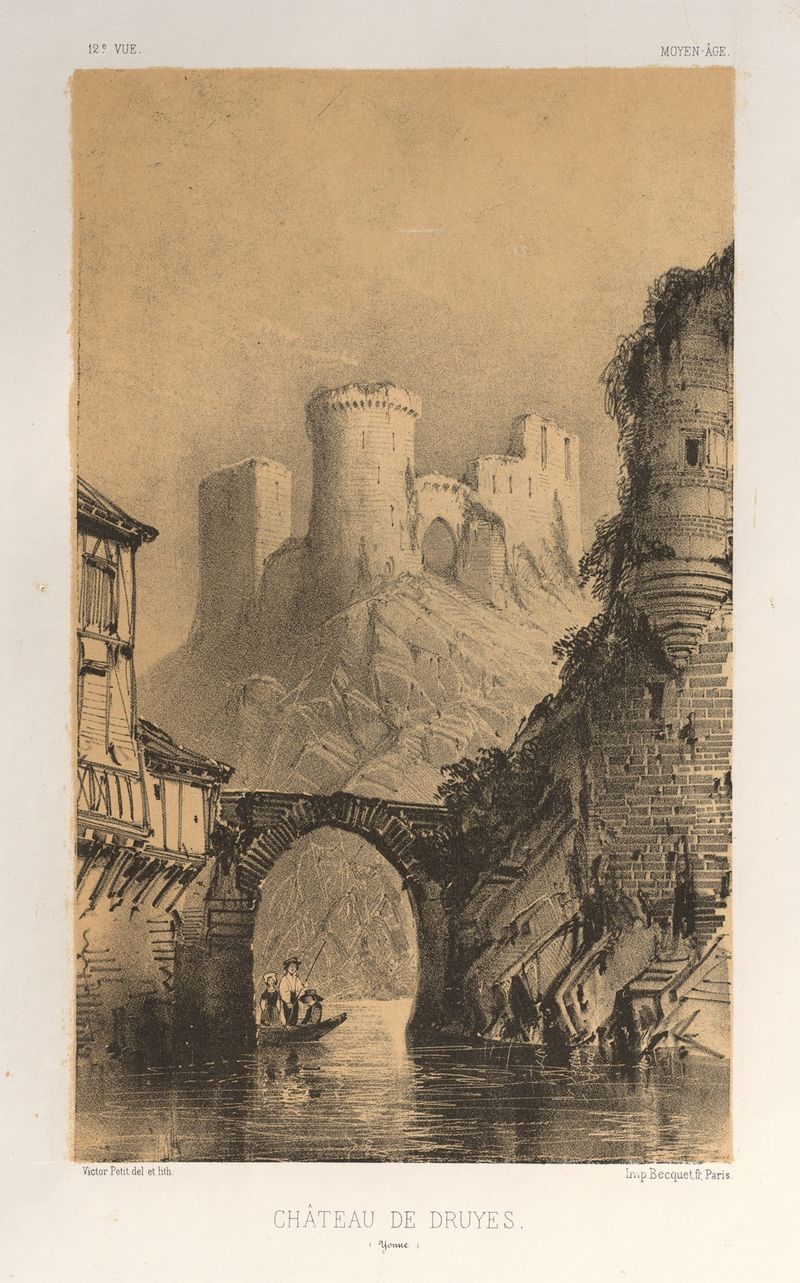
Chateau De Druyes (Yonne)
Victor Petit

Le ChasteLet-Neuf (Corrèze)
Victor Petit
More Architecture Art
Browse all →
The statue of Liberty
Frédéric Auguste Bartholdi

View of Houses in Delft, Known as ‘The Little Street’
Johannes Vermeer

View of Houses in Delft, Known as ‘The Little Street’
Johannes Vermeer

The Cathedral in Rouen. The portal, Grey Weather
Claude Monet

The yellow house
Vincent van Gogh

The Church in Auvers-sur-Oise, View from the Chevet
Vincent van Gogh