
Manor House in a Spiš Village — History & Facts
In this delicate balance, grief lingers, echoing through the spectral hues of a forgotten village. It invites contemplation, urging the viewer to uncover the stories entwined with loss. Look to the foreground, where the serene manor house stands resolute against a backdrop of rolling hills. Notice how the muted earth tones convey a sense of nostalgia, while streaks of faded light filter through the trees, drawing attention to the weathered façade.
The careful brushwork reveals the passage of time, each stroke a testament to both decay and endurance, as shadows dance along the edges, creating a palpable tension between presence and absence. In the composition, the stillness of the manor contrasts sharply with the empty expanse around it, evoking a haunting sense of solitude. The overgrown vegetation clings to the building, symbolizing nature’s slow reclaiming of space once inhabited by life and laughter. Delve deeper into the details—the crumbling walls hint at forgotten memories, while the slight tilt of the roof suggests an imbalance, a quiet reminder of the fragility of human endeavors against the relentless passage of time. Ferdinand Katona painted this piece between 1890 and 1900 in the quaint Spiš region, a time when he was exploring the intersection of light and shadow in rural landscapes.
The world around him was shifting, caught between tradition and the modernizing forces of the 20th century. His work during this period reflects not only a personal connection to the land and its heritage but also the growing awareness of impermanence and loss within an evolving societal backdrop.
More Artworks by Ferdinand Katona
Browse all →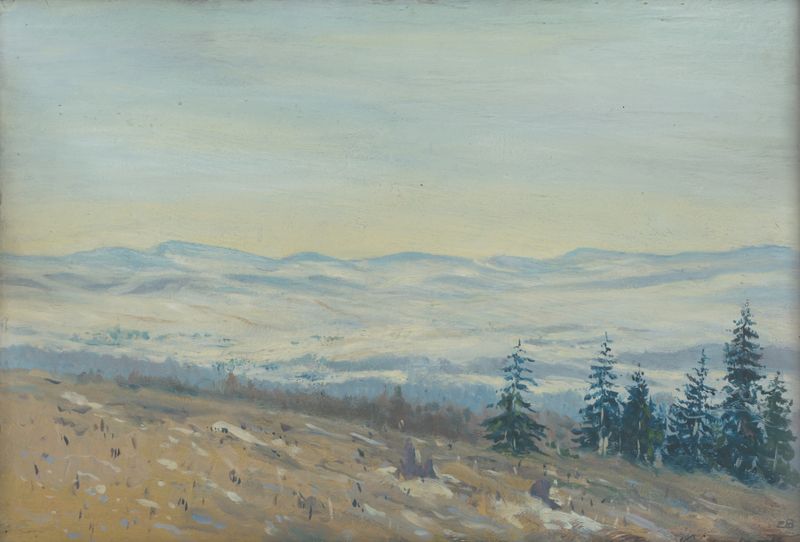
High Tatras
Ferdinand Katona
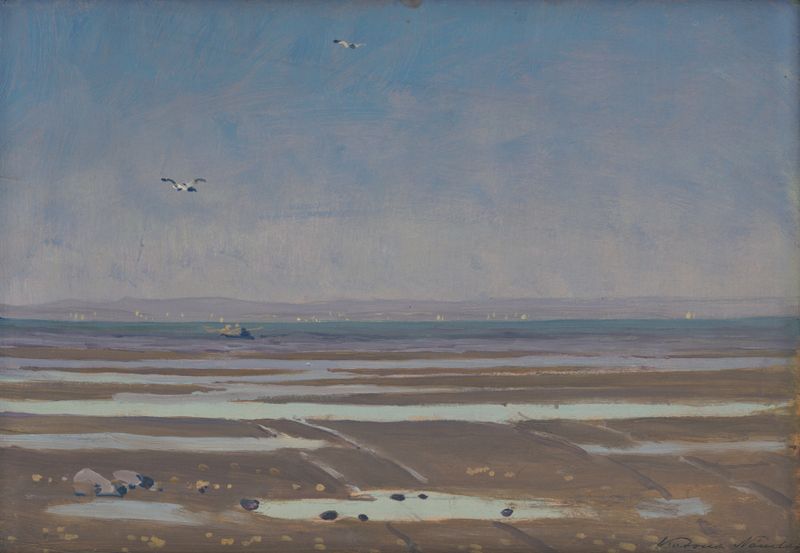
Early spring
Ferdinand Katona
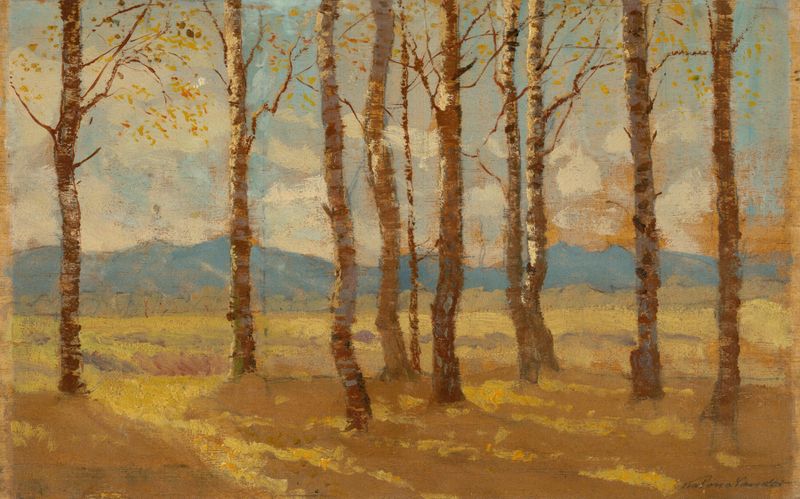
Birches in Autumn
Ferdinand Katona
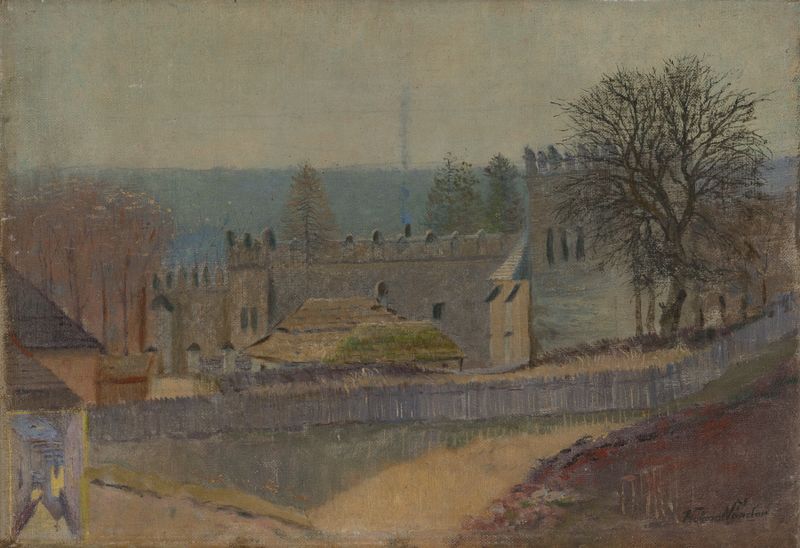
View of Strážky
Ferdinand Katona
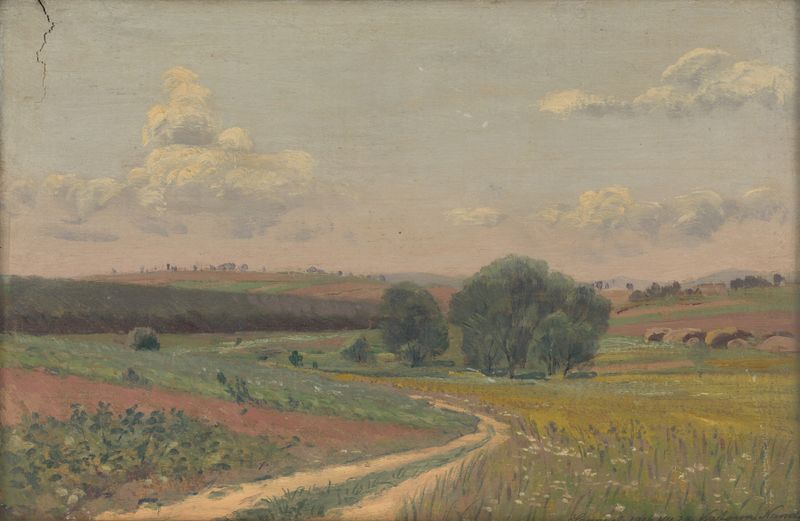
Landscape with a dirt road
Ferdinand Katona
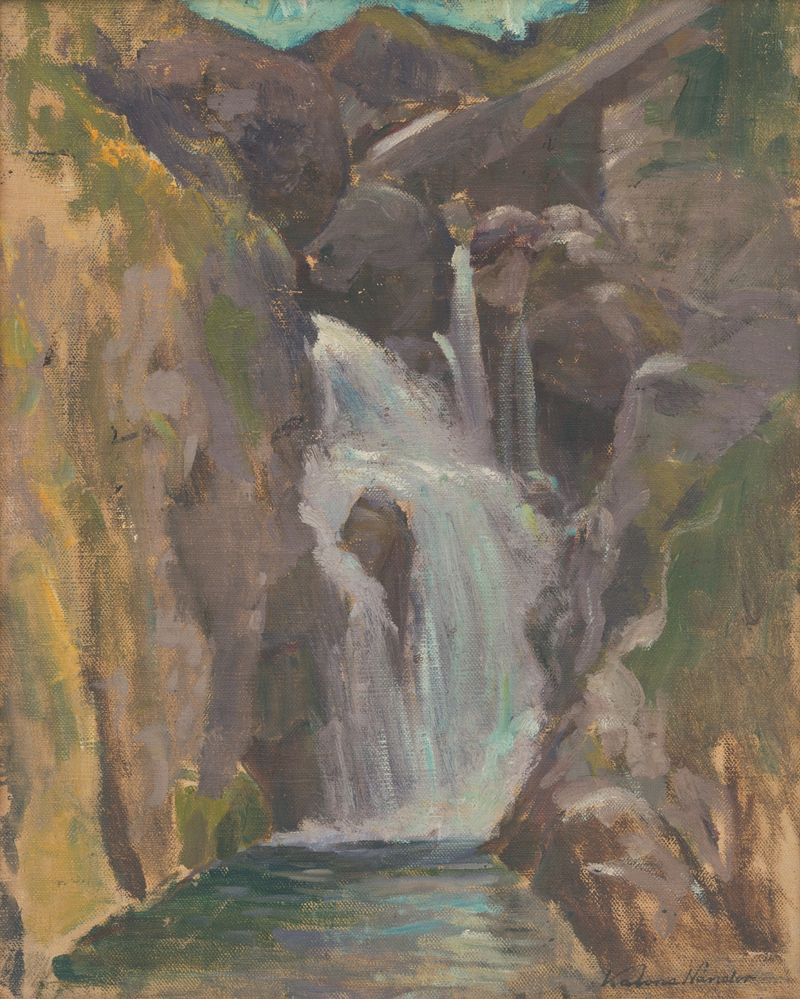
Waterfall
Ferdinand Katona
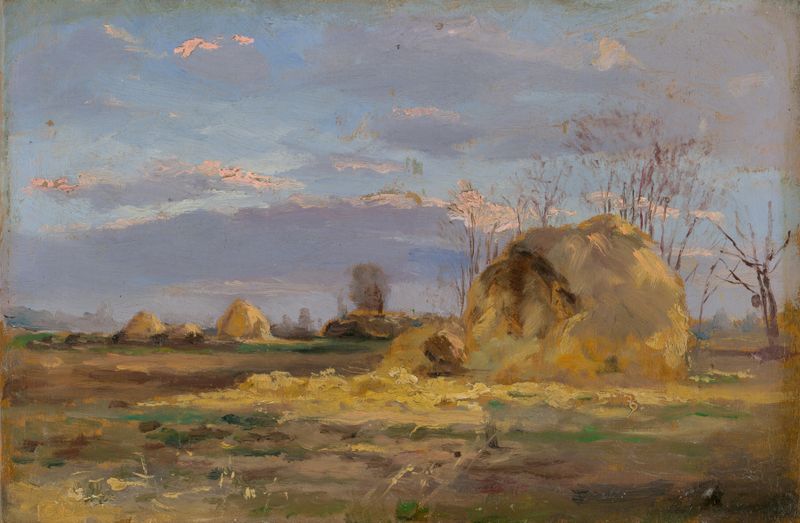
Autumn Landscape with Trees
Ferdinand Katona
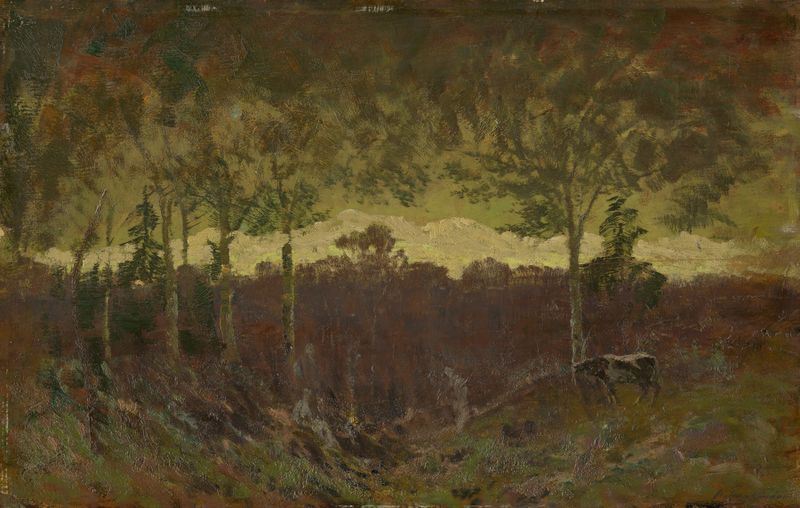
Early Evening Tatras Landscape
Ferdinand Katona
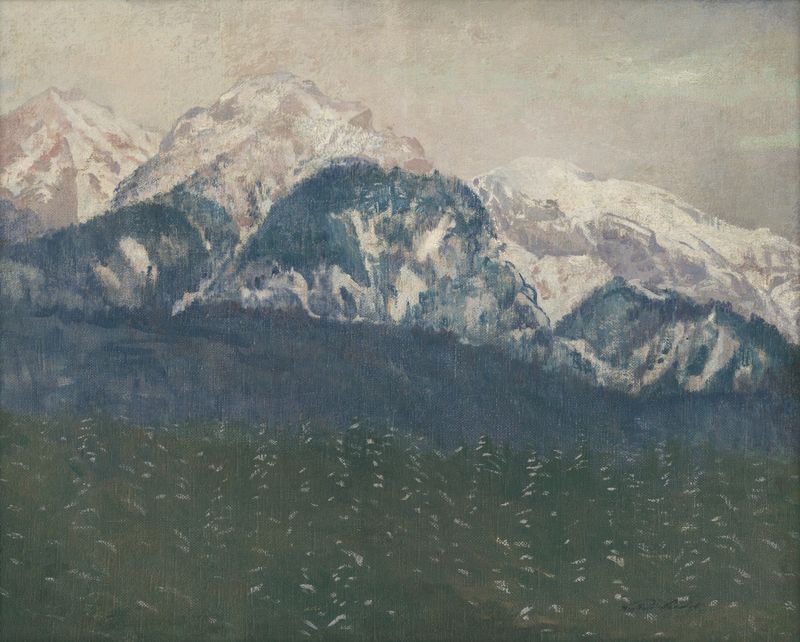
View of the High Tatras
Ferdinand Katona
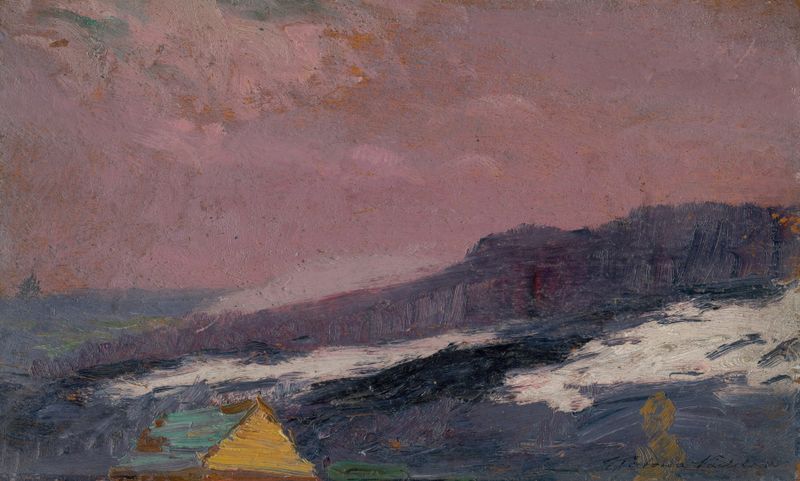
Early Spring
Ferdinand Katona
More Architecture Art
Browse all →
The statue of Liberty
Frédéric Auguste Bartholdi

View of Houses in Delft, Known as ‘The Little Street’
Johannes Vermeer

View of Houses in Delft, Known as ‘The Little Street’
Johannes Vermeer

The Cathedral in Rouen. The portal, Grey Weather
Claude Monet

The yellow house
Vincent van Gogh

The Church in Auvers-sur-Oise, View from the Chevet
Vincent van Gogh