
Manuel de Roda y Arrieta — History & Facts
In Manuel de Roda y Arrieta, Pompeo Batoni presents a striking portrait of a distinguished gentleman. The painting features rich colors, with deep reds and golds dominating the attire of the subject. The background is softly rendered, allowing the figure to stand out prominently.
The expression of the subject conveys confidence and poise, typical of the Rococo style. The painting is executed in oil on canvas, a common medium for portraits during the 18th century. Batoni's technique showcases his skill in capturing light and texture, especially in the fabric of the clothing. The dimensions are approximately 80 x 100 cm, making it a substantial work that draws the viewer's attention.
The careful detailing in the face and hands highlights Batoni's commitment to realism. Pompeo Batoni was a prominent Italian painter known for his portraits and historical scenes during the 18th century. This work, painted around the 1760s, reflects the Rococo style's emphasis on elegance and decorative elements. An interesting fact about this painting is that it was commissioned by Manuel de Roda y Arrieta, a notable figure in Spanish history, which adds historical significance to the artwork.
More Artworks by Pompeo Batoni
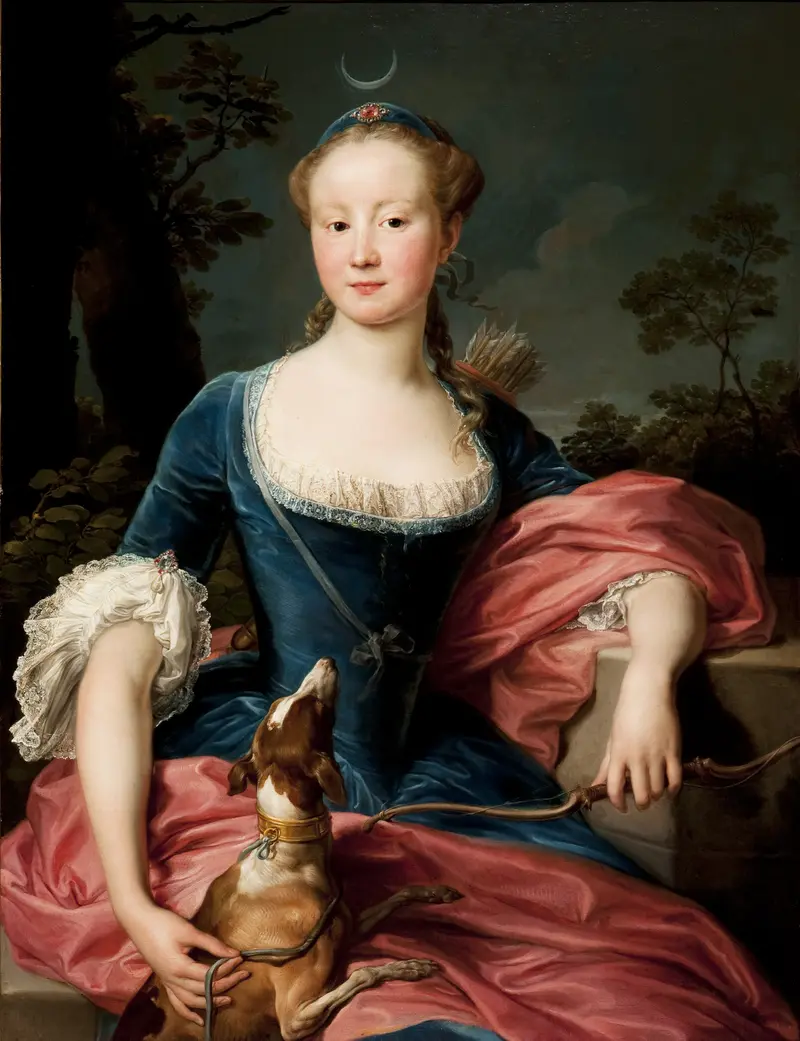
Portrait of a Lady as Diana the Huntress
Pompeo Batoni
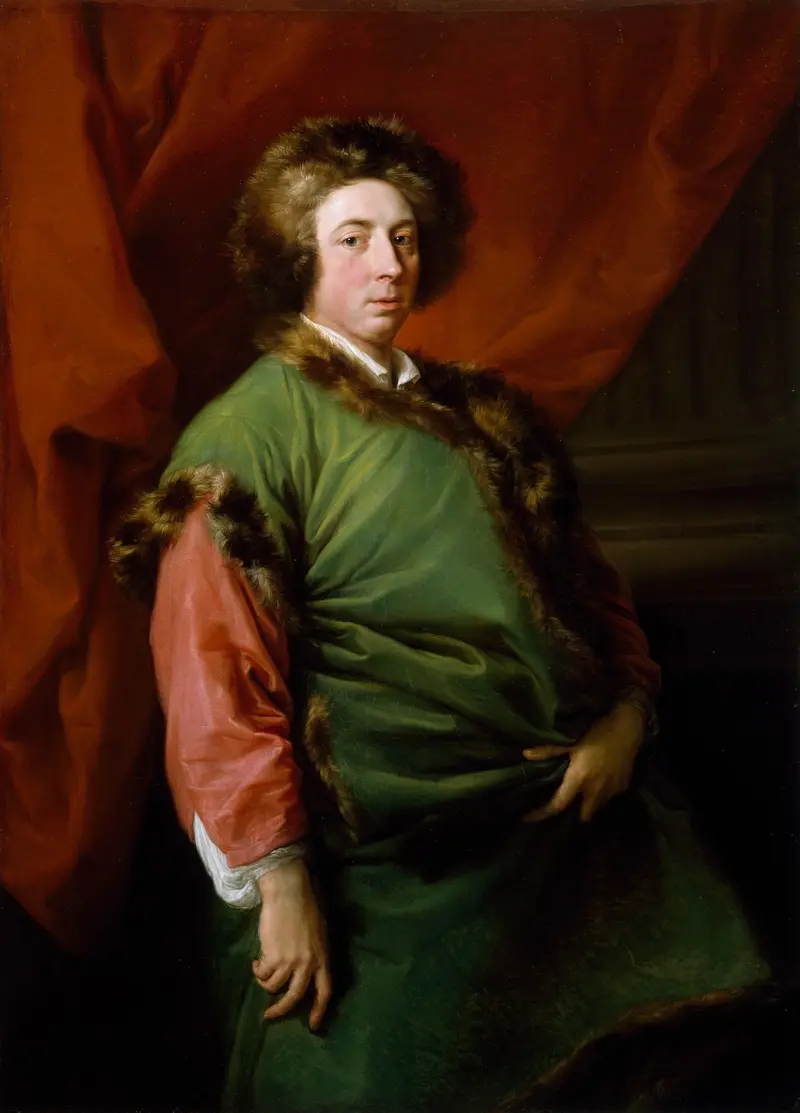
Portrait of Joseph Leeson, later 1st Earl of Milltown (1711-1783)
Pompeo Batoni
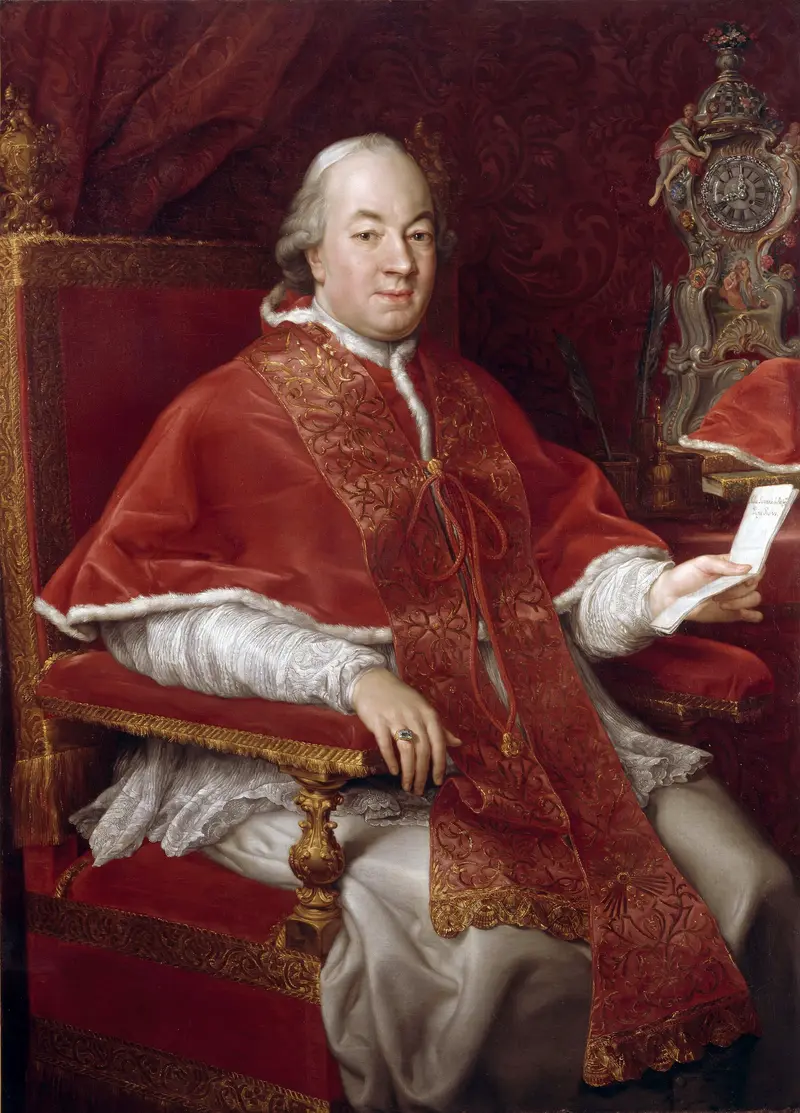
Portrait of Pope Pius VI, Giovanni Angelo Braschi (1717-1799)
Pompeo Batoni
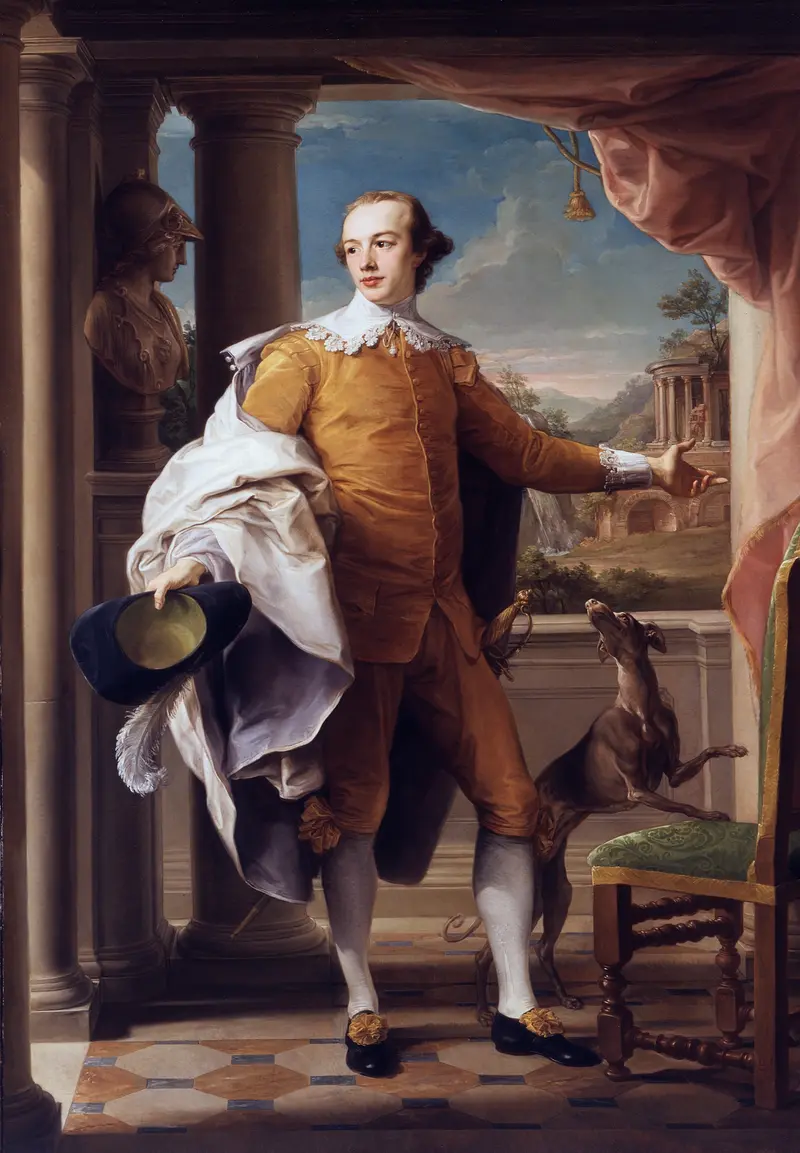
Portrait of Sir Wyndham Knatchbull-Wyndham
Pompeo Batoni
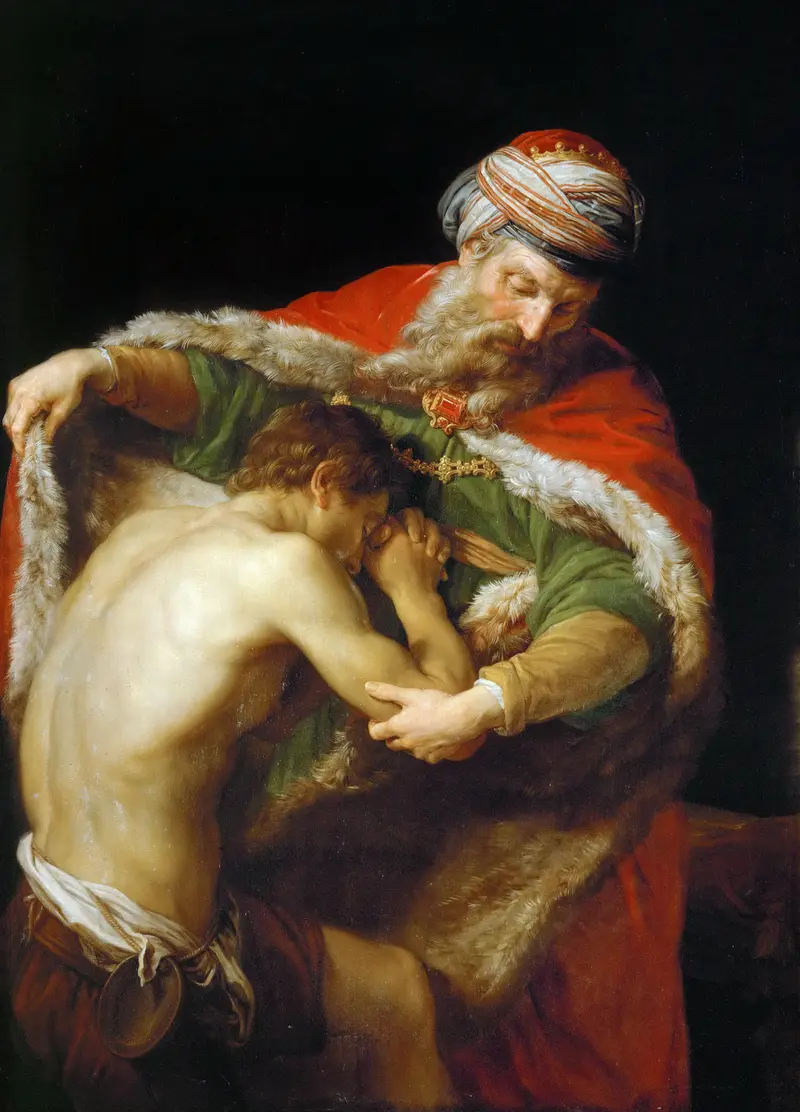
The Return Of The Prodigal Son
Pompeo Batoni
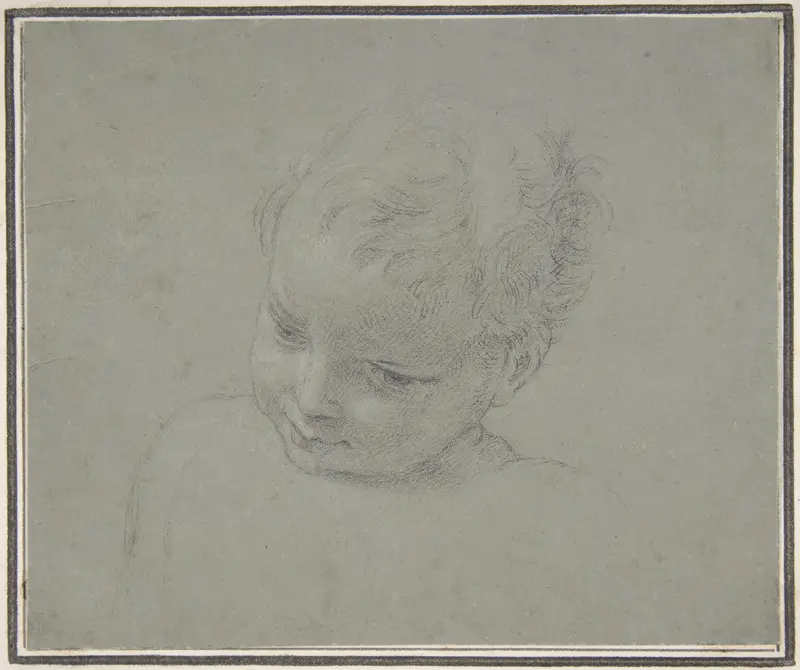
Bust-Length Study of a Child
Pompeo Batoni
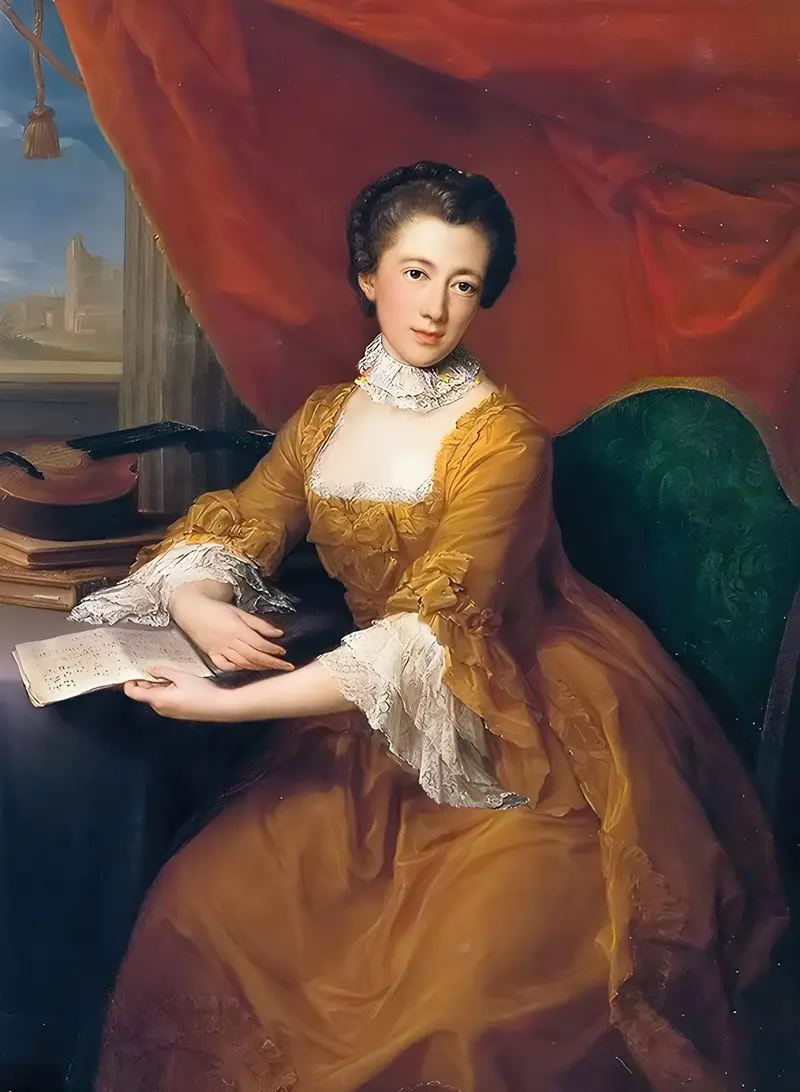
Portrait of Lady Margaret Georgiana Poyntz
Pompeo Batoni
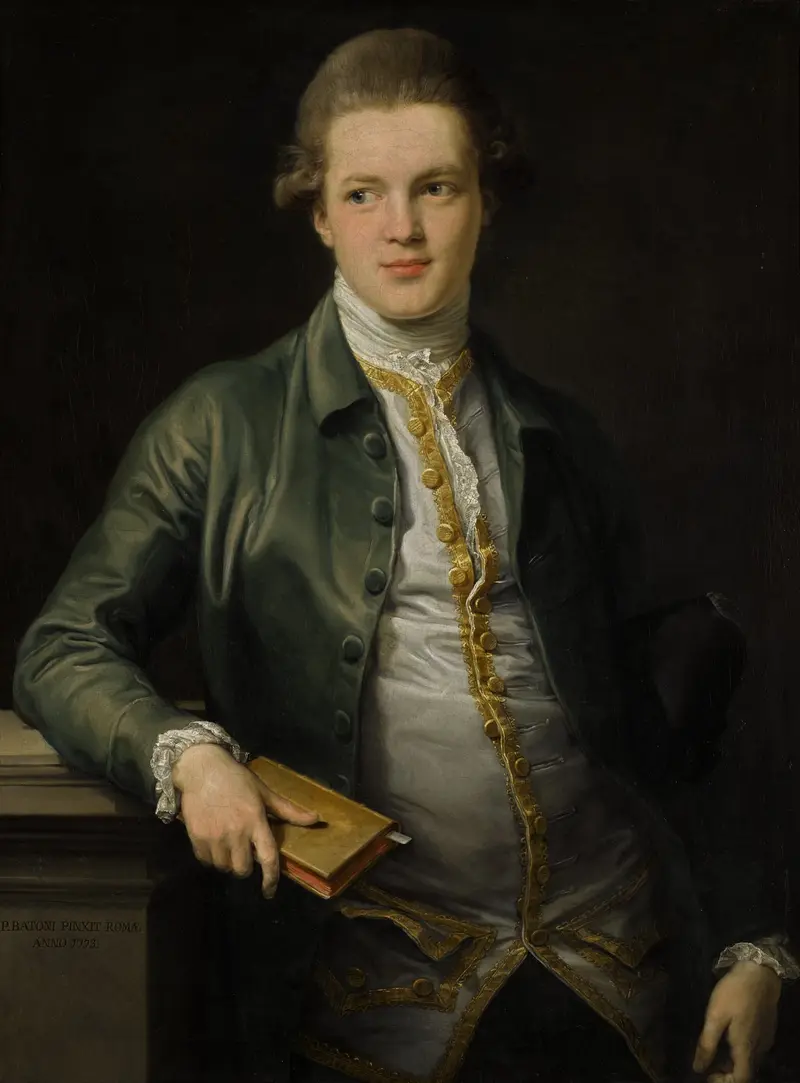
Portrait of Thomas Orde, later Orde-Powlett and 1st Baron Bolton
Pompeo Batoni

Male Nude Reclining on a Bed
Pompeo Batoni
Mary Taylour, Viscountess of Headfort, later Countess of Bective and Marchioness of Headfort
Pompeo Batoni





