
Maple River — History & Facts
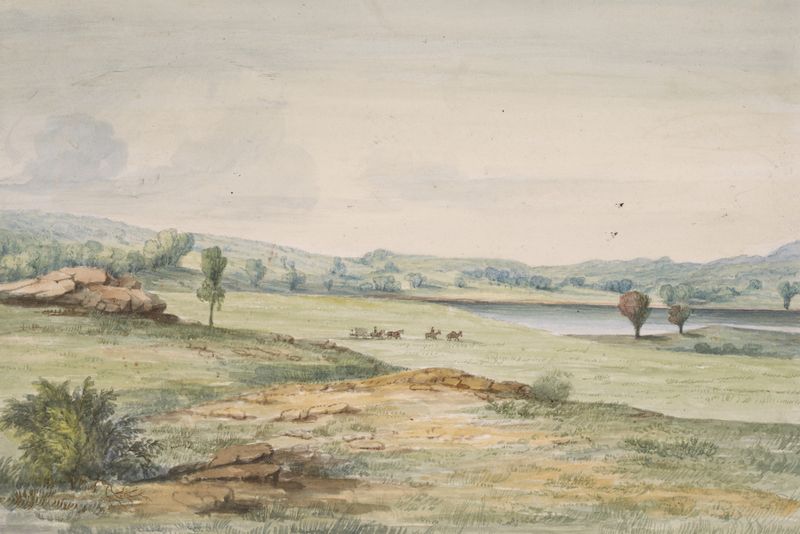
In Maple River, the shimmering surface of the water reflects a world cloaked in melancholy, inviting viewers to confront the bittersweet essence of nature’s grace. Look to the foreground, where a gentle current winds peacefully, its soft blues and greens harmonizing with the earth tones of the surrounding landscape. The composition is expertly balanced; the towering maples stand sentinel, their vibrant autumn leaves fluttering like whispers of unresolved sorrow. Notice how the light dapples through the canopy, casting playful shadows that dance over the water, revealing the artist's meticulous brushwork and layered approach to color that gives life to each element. Yet beneath this tranquil façade lies a complex interplay of emotion.
The river, a symbol of passage, hints at the inevitability of change and loss. The vibrant foliage juxtaposes the stillness of the water, echoing a tension between beauty and grief. The scene beckons the viewer to reflect on personal memories — a shared sense of longing woven into the natural world, where every leaf may carry a story of love and lament. In 1854, Stanley created this work during a period when he was exploring the American landscape, imbued with a sense of belonging yet shadowed by personal loss.
As part of the Hudson River School, he sought to capture the sublime in nature while grappling with the rapid changes of the burgeoning nation during a time of both progress and heartache.
More Artworks by John Mix Stanley
Browse all →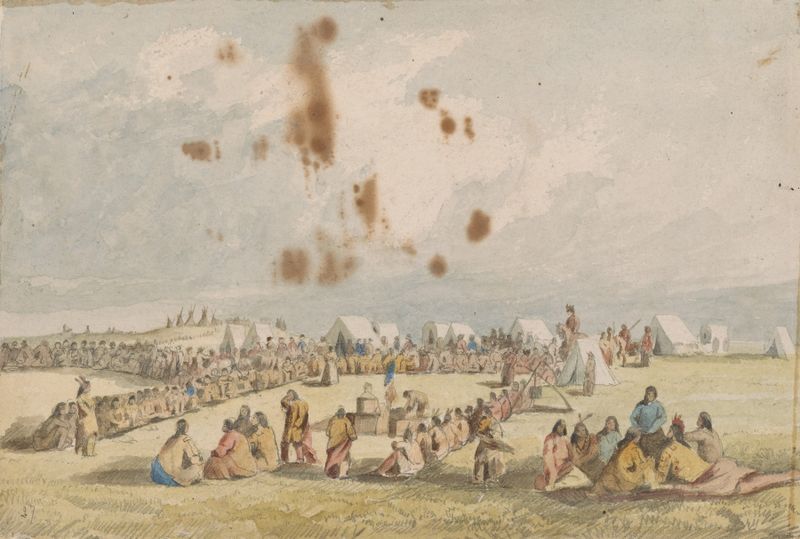
Distribution of Goods to the Assiniboins
John Mix Stanley
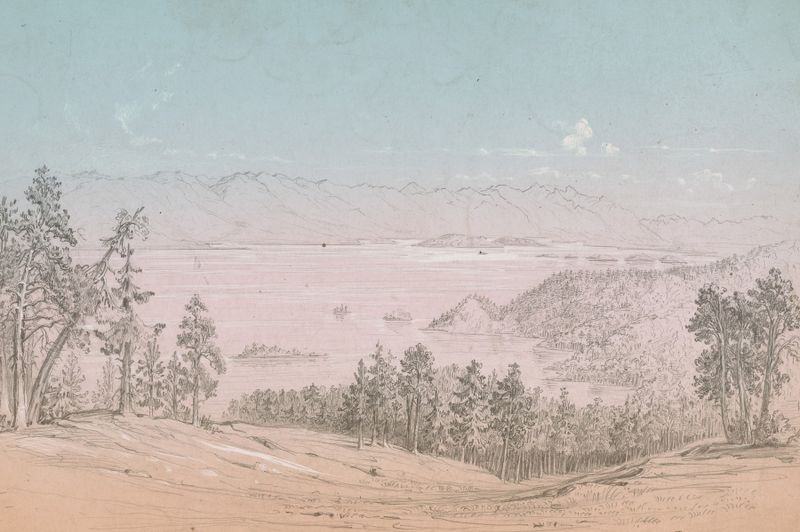
Flathead Lake, Looking toward the South
John Mix Stanley

A Morning in Milk River Valley
John Mix Stanley

Mount Rainier Viewed from Near Steilacoom
John Mix Stanley
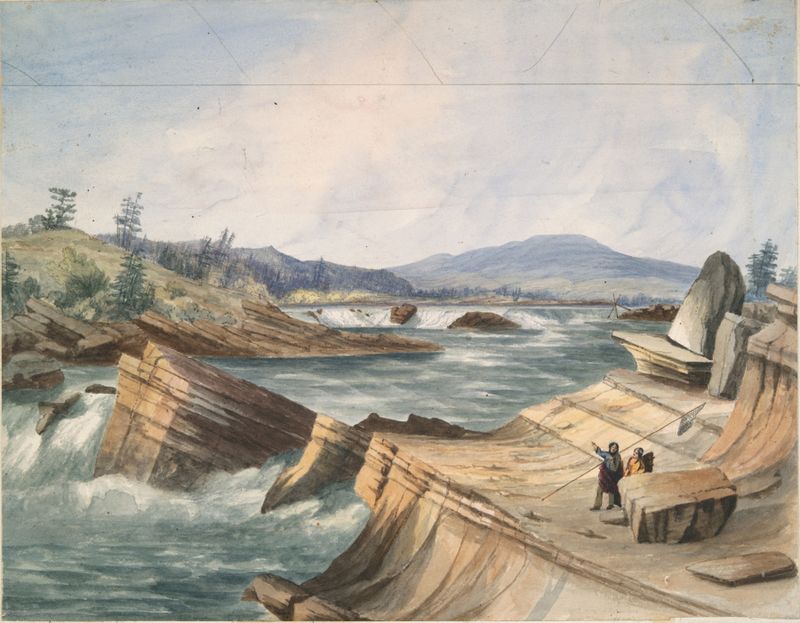
Kettle Falls, Columbia River
John Mix Stanley
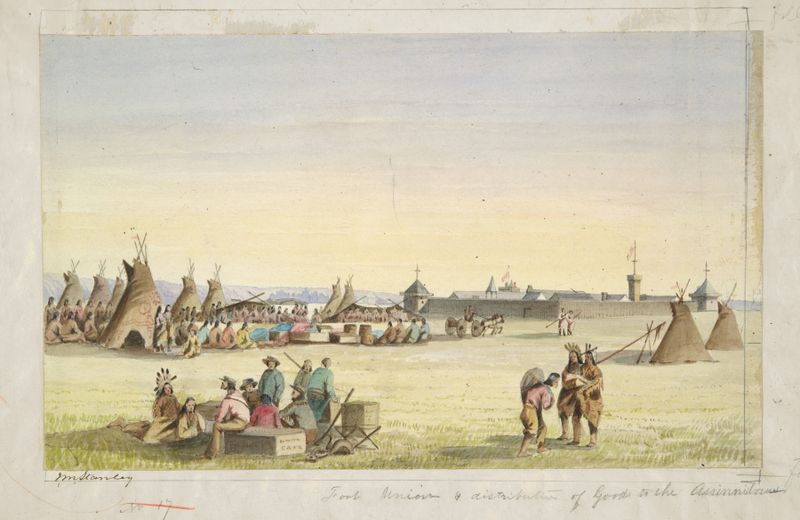
Fort Union and Distribution of Goods to the Assiniboins
John Mix Stanley

Pike Lake M.T.
John Mix Stanley
Sauk River
John Mix Stanley

Milk River – Bear’s Paw Mountain in Distance
John Mix Stanley

Fort Benton
John Mix Stanley





